Container Gardens
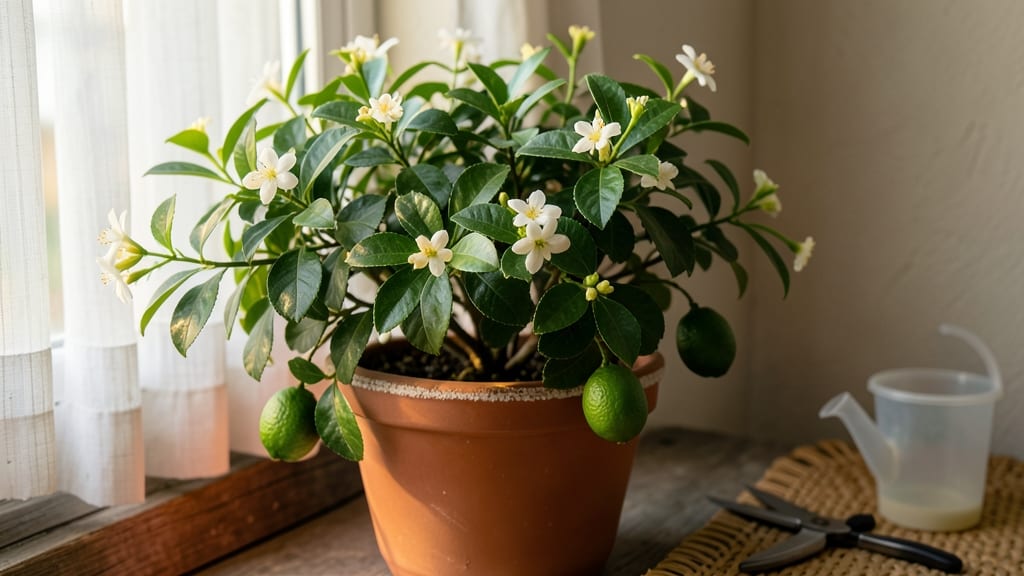
Growing a potted key lime tree means tangy harvests even on a tiny balcony—no yard required. ✨ I’ve watched mine go from a spindly sapling to a fruit-bearing powerhouse in just three seasons, and the secret isn’t complicated: the right container, soil, and a little winter TLC.
Most people assume citrus needs a greenhouse, but my tree thrives in a 15-gallon pot on my patio, producing more fruit than my neighbor’s in-ground lemon tree.
The key is mimicking its tropical roots: well-draining soil, full sun, and consistent moisture without soggy roots. I use a mix of cactus soil, perlite, and a handful of citrus fertilizer pellets at planting—no fancy hydroponics needed.
Watering’s the trickiest part: let the top inch dry between drinks, and in summer, I add a saucer of pebbles under the pot to keep humidity up. Overwatering’s how I lost my first tree, but now I’ve got the rhythm down.
By year two, you’ll be harvesting bright green limes that burst with flavor—sweeter than grocery store versions, too. The tree stays compact, so pruning’s minimal: just snip back leggy branches after fruiting to keep it bushy.
Winter’s the only challenge: bring it indoors near a sunny window or use a grow light for 12 hours a day. With these tweaks, my tree fruits reliably every year, even in Zone 8 winters.
Perfect for small spaces, urban balconies, or anyone craving fresh limeade without the hassle. The upfront work pays off in years of harvests—and the neighbors always ask how I do it. Let’s get your tree growing!
📚 In This Guide
- What you need
- Instructions
- Tips and common mistakes
- Wrapping up and next steps
What you need
- ● Potted Key Lime Tree: A healthy 1- to 3-gallon container-grown Citrus × aurantiifolia (key lime) tree. Choose one with vibrant green leaves and no signs of pests or disease.
- ● Container: A 5-gallon or larger pot with drainage holes (minimum 12-inch diameter for mature trees). Terracotta or fabric pots work well.
- ● Well-Draining Potting Mix: A blend of 50% citrus-specific potting soil, 30% perlite or pumice, and 20% compost (or a pre-mixed citrus mix). Avoid garden soil—it compacts and suffocates roots!
- ● Drainage Medium: 1–2 inches of gravel or coarse sand at the bottom of the pot to prevent root rot.
- ● Slow-Release Fertilizer: A balanced citrus fertilizer (e.g., 6-6-6 or 8-3-9 NPK ratio) with micronutrients like iron and zinc. Follow package instructions for application rates.
- ● Watering Can or Hose with Nozzle: For gentle, deep watering. Aim for 1–2 gallons per watering when the top inch of soil feels dry.
- ● Pruning Shears: Sharp, clean shears for trimming dead or overgrown branches (sterilize with rubbing alcohol between cuts).
- ● pH Test Kit: To monitor soil acidity (ideal range: 6.0–7.0 for key limes). Adjust with sulfur or lime if needed.
- ● Citrus Food or Liquid Fertilizer: For monthly feeding during growing seasons (spring–fall). Look for options with low nitrogen to avoid leafy growth at the expense of fruit.
- ○ Mulch (Optional): A thin layer of orchid bark or pine needles to retain moisture and regulate temperature.
- ● Grow Lights or Sunny Spot: If indoors, a full-spectrum LED grow light (12–14 hours/day) or a south-facing window with 6+ hours of direct sunlight.
- ● Pest Control: Neem oil or insecticidal soap for aphids, scale, or spider mites (common citrus pests).
Step-by-step guide to growing a thriving potted key lime tree
Here's the approach I've perfected for coaxing sweet, fragrant key limes from containers.
🪴 Step 1: Select the Right Container and Drainage System
Choose a 5-gallon or larger container with multiple drainage holes—key lime trees hate soggy roots. I recommend terra cotta pots because they breathe and help regulate soil moisture, though any sturdy container will work. The pot should be at least 18 inches deep to accommodate the tree's eventual root system.
Line the bottom with 2-3 inches of gravel or broken pottery to create an air gap. This prevents root rot by ensuring excess water drains away from the root zone. If your container has no drainage holes, drill them yourself—key limes won't tolerate waterlogged conditions for long.
🌱 Step 2: Prepare Well-Draining Citrus-Specific Soil Mix
Key limes need fast-draining, slightly acidic soil (pH 5.5-6.5). Mix equal parts of potting soil, perlite, and coarse sand to create a loose, aerated medium. I add a handful of orchid bark to improve drainage and mimic the tree's natural tropical environment.
Fill the container up to 2 inches from the rim, leaving room for watering. Tap the pot gently to settle the mix without compacting it. The goal is a fluffy, crumbly texture that holds moisture but allows excess to drain freely—key limes despise sitting in wet soil.
☀️ Step 3: Plant and Provide Immediate Bright Light
Remove the young key lime tree from its nursery pot and loosen the roots if they're circling. Place it in the center of your container and backfill with soil, pressing lightly to eliminate air pockets. Water deeply until it drains from the bottom, then let it sit for 10 minutes before adding topsoil.
Key limes need full sun (6-8 hours daily) to thrive. Place your tree in the brightest spot possible, ideally a south-facing window or under grow lights if indoors. Without enough light, the tree will grow leggy and produce few flowers. Watch for yellowing leaves—a sign it needs more light.
💧 Step 4: Establish a Watering and Fertilizing Routine
Water deeply every 7-10 days, allowing the top 2 inches of soil to dry out between waterings. Overwatering is the #1 killer of potted citrus—yellow leaves and leaf drop are classic signs of too much moisture. In winter, reduce watering to every 2-3 weeks as growth slows.
Feed your tree monthly with a citrus-specific fertilizer during spring and summer. I use a balanced 6-6-6 formula diluted to half-strength to avoid burning tender roots. Stop fertilizing in fall and winter when the tree enters dormancy. You'll see dark green, glossy leaves as a sign your care routine is working.
✂️ Step 5: Prune for Shape and Encourage Fruit Production
Prune lightly in late winter to remove dead, crossing, or inward-growing branches. Use clean, sharp pruners to make cuts just above a leaf node. Avoid heavy pruning—key limes produce fruit on new growth, so aggressive cuts reduce harvests. Shape the tree to fit your space while maintaining an open canopy for airflow.
Pinch back new growth tips in early summer to encourage bushier growth and more flowers. You'll see small white blossoms appear in spring, followed by green limes about 6 months later. Harvest when the fruit turns bright yellow-green—they won't ripen further off the tree.
Tips & tricks for perfect potted key lime trees
Here's what I've learned after watching my own key lime trees thrive in containers—these small details make all the difference.
Container Material Matters: Terra cotta pots are ideal because they're porous and help regulate soil moisture, but if you choose plastic, make sure to water more frequently since it retains moisture longer. The 5-gallon minimum size is non-negotiable—smaller containers restrict root growth and limit fruit production. I've seen trees in 3-gallon pots struggle to produce more than a handful of limes.
The Soil Mix Secret: That equal parts potting soil, perlite, and coarse sand ratio is crucial for preventing compaction. I add an extra handful of orchid bark to improve aeration—this mimics the tree's natural tropical habitat where water drains quickly. If you're short on perlite, you can substitute with vermiculite, but don't skip the sand entirely.
Lighting Hacks for Indoor Growers: If you're growing indoors without a south-facing window, grow lights are a game-changer. Use full-spectrum LED lights for 12-14 hours daily to supplement natural light. I place my lights 12-18 inches above the tree and adjust as the tree grows. Watch for stretched, pale leaves—this is your tree begging for more light.
Watering Wisdom: The 7-10 day watering schedule works best when you check the soil's moisture level by sticking your finger 2 inches deep. If it feels dry, water until it drains from the bottom—this ensures the entire root system gets hydrated. In winter, I reduce to every 2-3 weeks and only water when the soil is completely dry, which prevents root rot during dormancy.
Pro Tips for Potted Key Lime Tree
- Here's what I've learned after watching my own key lime trees thrive in containers—these small details make all the difference.
- Container Material Matters: Terra cotta pots are ideal because they're porous and help regulate soil moisture, but if you choose plastic, make sure to water more frequently since it retains moisture longer.
- The Soil Mix Secret: That equal parts potting soil, perlite, and coarse sand ratio is crucial for preventing compaction.
Frequently asked questions
Got questions about growing your own potted key lime tree? You’re not alone! Here are answers to the most common concerns—so you can enjoy fresh, tangy key limes without the guesswork.
Can a potted key lime tree survive winter in cold climates?
A potted key lime tree (Citrus aurantiifolia) is tropical and needs protection below 50°F (10°C). Move it indoors near a sunny window or wrap the pot in bubble wrap. If temps drop below freezing, expect leaf damage—but the tree often recovers with proper care. For extra safety, use a grow light during short winter days.
How big will my potted key lime tree get, and when will it bear fruit?
In containers, key lime trees typically stay 4–6 feet tall but can reach 8+ feet with time. Fruit production starts 2–4 years after planting, provided the tree gets full sun (6+ hours daily), well-draining soil, and regular fertilizer (like citrus-specific blends). Patience is key—small trees may take longer!
Why are the leaves on my key lime tree turning yellow or dropping?
Yellow leaves often signal overwatering, underwatering, or nutrient deficiencies. Check the soil—it should be slightly moist but not soggy. Adjust watering (every 1–2 weeks, depending on climate) and flush the soil with water to remove salt buildup. Yellowing between veins? It could be iron deficiency—try a chelated iron supplement.
Can I grow a key lime tree from a grocery store lime?
Technically yes, but it’s tricky! Key limes from stores are often hybridized or treated to prevent sprouting. For best results, start with a seed from a fresh, organic key lime (or buy a grafted tree for faster fruit). Germination takes 4–8 weeks in warm, moist soil. Expect no fruit for 5+ years—and the tree may not resemble the parent lime!
Do I need to prune my potted key lime tree, and how?
Pruning keeps your tree healthy and encourages fruit production. Trim dead, diseased, or crossing branches in late winter/early spring. For shape, cut back up to 1/3 of the new growth. Avoid heavy pruning in fall—it stresses the tree. Sterilize tools with rubbing alcohol to prevent infections.
Are there cheaper alternatives to key lime trees for small spaces?
If key limes are out of budget, try dwarf Meyer lemon or Calamondin orange trees—they’re hardier, fruit faster, and thrive in pots. For a similar tangy kick, grow lemon verbena (herb) or limequat (lime-quince hybrid). All offer container-friendly options with less fuss!
Wrapping up and next steps
Growing a potted key lime tree is a rewarding journey that brings a taste of tropical paradise right to your patio or balcony! With the right care—sunlight, well-draining soil, and occasional pruning—you’ll enjoy fragrant blossoms and sweet, tangy limes year after year.
Whether you’re a beginner or a seasoned gardener, this citrus canopy is a fantastic way to elevate your container garden.
Ready to dive in? Start by gathering your supplies and give your key lime tree the love it deserves. Your future harvest (and happy neighbors!) will thank you. 🌿✨