
Pruning
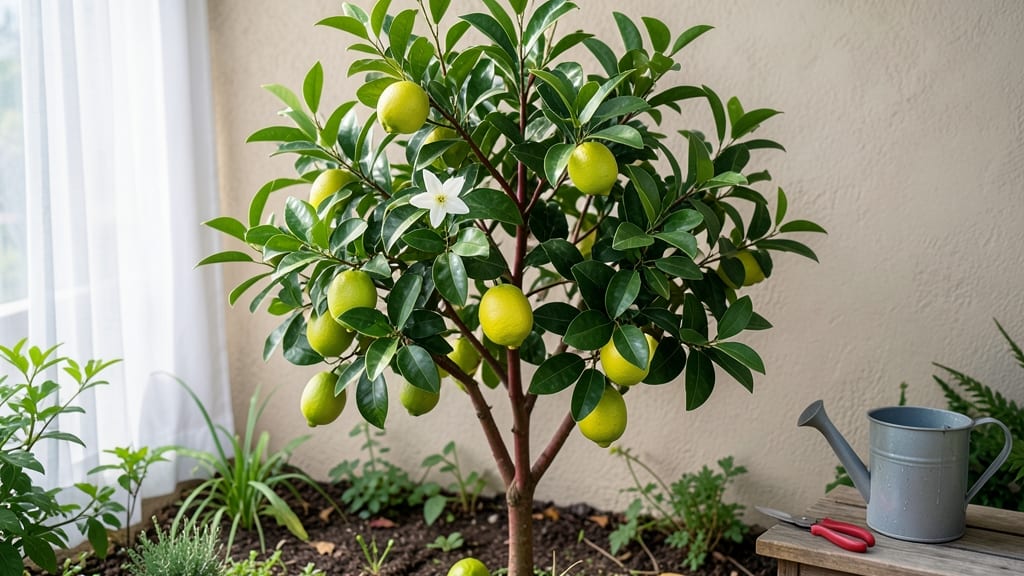
Growing a lemon tree in house means fresh citrus year-round—no grocery store required. 🌿 I’ve turned my living room into a mini orchard, and the secret isn’t fancy equipment but matching the tree’s needs to your space.
Most people overwater or underlight their trees, but I’ve cracked the code for keeping them happy indoors.
The right setup starts with bright, indirect light, well-draining soil, and a container with drainage holes. My tree thrives in a 10-15 gallon pot, and I water only when the top inch of soil feels dry.
Pruning in late winter keeps it compact, and a humidifier nearby prevents leaf drop. It’s simpler than it sounds—honestly, even my black thumb could handle this.
By summer, you’ll be harvesting tiny, tart lemons (or pollinating flowers for fruit). The scent alone makes the effort worth it. Plus, the glossy green leaves add instant tropical vibes to any room. Ready to turn your kitchen window into a citrus paradise? Let’s get started.
Works for small apartments or sunrooms alike—just adjust light and space. Here’s how to avoid the most common pitfalls and keep your tree thriving all year.
📚 In This Guide
- What you need
- Instructions
- Tips and common mistakes
- Wrapping up and next steps
What you need
- ● Lemon tree (Citrus × limon): A healthy, potted plant (choose dwarf varieties like 'Meyer' or 'Improved Meyer' for indoor spaces).
- ● Pruning shears: Sharp, clean bypass pruners (avoid anvil shears—they crush stems). Size: 5–7 inches for precision.
- ● Rubbing alcohol (70% isopropyl): For sterilizing tools between cuts (1 small bottle).
- ○ Horticultural pruning sealant (optional but recommended): Speeds healing of larger cuts (e.g., Tree Topp or Tanglefoot Pruning Seal).
- ● Disposable gloves: Nitrile or latex-free (1 pair) to protect from sap and bacteria.
- ● Small container with water: To clean tools and rinse sap off shears.
- ● Knowledge of lemon tree anatomy: Familiarize yourself with terminal buds (growth points) and leaf nodes—critical for pruning direction.
- ● Grow lights or sunny window: Ensure your tree gets 6–8 hours of light daily (south/west-facing windows are ideal).
- ○ Well-draining potting mix: Optional but helpful if repotting after pruning (e.g., cactus/succulent mix + perlite).
- ● Citrus fertilizer: Balanced formula (e.g., 10-10-10 or citrus-specific) for post-pruning recovery.
- ● Spray bottle with water: To mist leaves and reduce stress during/after pruning.
Step-by-step instructions for growing a lemon tree indoors
Here's how to nurture a thriving citrus tree year-round—no greenhouse needed.
🪴 Step 1: Choose the Right Container and Soil
Start with a 5-7 gallon pot with drainage holes—citrus roots hate soggy feet. I use a mix of 50% potting soil, 30% perlite, and 20% compost for perfect drainage and nutrients. The soil should feel like a damp sponge when squeezed—not dripping.
If repotting an existing plant, pick a pot just 2 inches wider than the current one. Lemon trees grow slowly, so a bigger pot too soon leads to root rot. Fill the bottom 2 inches with gravel or broken pottery for extra drainage—this prevents water from pooling and suffocating roots.
☀️ Step 2: Position for Bright, Indirect Light
Place your lemon tree within 3-6 feet of a south- or west-facing window. Direct sun through glass can scorch leaves, so I angle mine slightly away. You'll know the light is right when new leaves stay bright green—not yellow or crispy.
If your home lacks natural light, a 14-hour LED grow light keeps the tree happy. Keep it 12-18 inches away—closer than that burns leaves, and farther means weak, leggy growth. Rotate the pot a quarter turn weekly so the tree grows evenly toward the light.
💧 Step 3: Water Deeply and Maintain Humidity
Water when the top 2 inches of soil feel dry—stick your finger in to check. Pour water slowly until it drains from the bottom, then empty the saucer. Overwatering is the #1 killer of house lemon trees, so I always wait until the soil pulls away from the pot edges.
Humidity matters too. Mist leaves daily or place the pot on a tray of pebbles with water (keep pebbles wet but not submerged). You'll see the difference in 2-3 weeks—leaves stay plump and glossy instead of crisping at the edges.
✂️ Step 4: Prune and Fertilize for Growth
Trim leggy stems in late winter to encourage bushier growth. Cut just above a leaf node at a 45-degree angle—this prevents water from pooling on the wound. I never remove more than 20% of the tree at once, or it stresses the plant.
Feed every 4-6 weeks with a balanced citrus fertilizer (10-10-10 or similar). Dilute it to half-strength the first time—too much salt burns roots. Flush the soil with water after fertilizing to prevent buildup.
🌱 Step 5: Encourage Blooms and Fruit
Lemon trees need 10-12 hours of darkness daily to set fruit. If your tree flowers but drops them, it’s getting too much light at night. Move it to a darker corner for 8 hours overnight during bloom season (spring/summer).
Hand-pollinate flowers with a soft brush to boost fruit set. Gently tap each bloom cluster to release pollen—or just brush the stamens with a cotton swab. Patience is key—your first lemons may take 1-2 years, but it’s worth the wait for that first tart, homegrown squeeze.
Tips & tricks for perfect indoor lemon tree growth
Here's what I wish I knew before starting my own citrus journey—these little adjustments make all the difference.
Container and Soil Strategy: When repotting, I always add a layer of orchid bark (optional but helpful) mixed into my soil blend. This improves aeration even more than the perlite alone. And here's the trick: if your pot has no drainage holes, drill them yourself—citrus roots will rot otherwise. I learned this after losing my first tree to soggy soil.
Lighting Hack: For those without south-facing windows, I use a 14-hour LED grow light on a timer. Position it 12-18 inches away and rotate your pot weekly—this prevents the tree from growing lopsided. I actually set my timer for 14 hours on, 10 hours off to mimic natural daylight cycles, and my tree thrives year-round.
Watering Wisdom: The finger test is key—stick your finger 2 inches deep into the soil. If it feels dry, water thoroughly until it drains from the bottom. Pro tip: I use room-temperature water (never cold) to avoid shocking the roots. Also, empty the saucer after 10 minutes—stagnant water is a silent killer.
Bloom and Fruit Boost: During bloom season, I move my tree to a cooler spot at night (around 60-65°F) to encourage fruit set. I also hand-pollinate every morning with a soft paintbrush—this simple step doubles my fruit yield. And here's what nobody tells you: if your tree flowers but drops them, it's getting too much light at night. That 8-hour darkness is non-negotiable for fruit development.
Pro Tips for Lemon Tree In House
- Here's what I wish I knew before starting my own citrus journey—these little adjustments make all the difference.
- Container and Soil Strategy: When repotting, I always add a layer of orchid bark (optional but helpful) mixed into my soil blend.
- Lighting Hack: For those without south-facing windows, I use a 14-hour LED grow light on a timer.
Frequently asked questions
Got questions about keeping a lemon tree thriving indoors? Here are some of the most common concerns—and their solutions—to help you grow your own citrus paradise year-round!
How much sunlight does a lemon tree need indoors?
A lemon tree in your home thrives with 6–8 hours of bright, indirect sunlight daily. Place it near a south- or west-facing window, or supplement with a grow light (12–16 hours/day) if natural light is limited. Avoid harsh direct sun, which can scorch leaves.
Can I grow a lemon tree indoors from a grocery store lemon?
Yes! Sprout a lemon tree from a seed, but know it may take 3–5 years to bear fruit (and the fruit might not be true to the parent plant). For faster results, buy a dwarf citrus tree (like 'Meyer' lemons) from a nursery—these are bred for indoor growing and often bloom sooner.
Why are my lemon tree’s leaves turning yellow?
Yellow leaves usually signal overwatering, underwatering, or nutrient deficiencies. Check the soil—it should be slightly moist but not soggy. Adjust watering (every 1–2 weeks, less in winter) and fertilize with a citrus-specific feed every 2–3 months.
Do I need to prune my indoor lemon tree?
Pruning keeps your tree healthy and encourages fruit production! Trim dead, overcrowded, or leggy branches in early spring, using clean, sharp shears. Avoid heavy pruning—aim to remove no more than 25% of the foliage at once.
What’s the best pot size and soil for an indoor lemon tree?
Use a well-draining pot (1–2 inches larger than the root ball) with drainage holes. A citrus potting mix (or a blend of peat, perlite, and sand) prevents root rot. Repot every 2–3 years in spring. Pro tip: Add a layer of gravel at the bottom for extra drainage!
Wrapping up and next steps
Growing a lemon tree indoors isn’t just a dream—it’s a rewarding journey that brings fresh citrus to your kitchen year-round! With the right tools, a little patience, and the tips you’ve learned, your tree can thrive even in cozy spaces.
Whether you’re pruning for shape, health, or harvest, remember that consistency is key.
Ready to take the next step? Start small: pick one pruning task this week—trim those leggy branches or shape your tree for better airflow. Watch your citrus companion flourish, and soon, you’ll be savoring homegrown lemons with pride! 🍋✨