Pruning
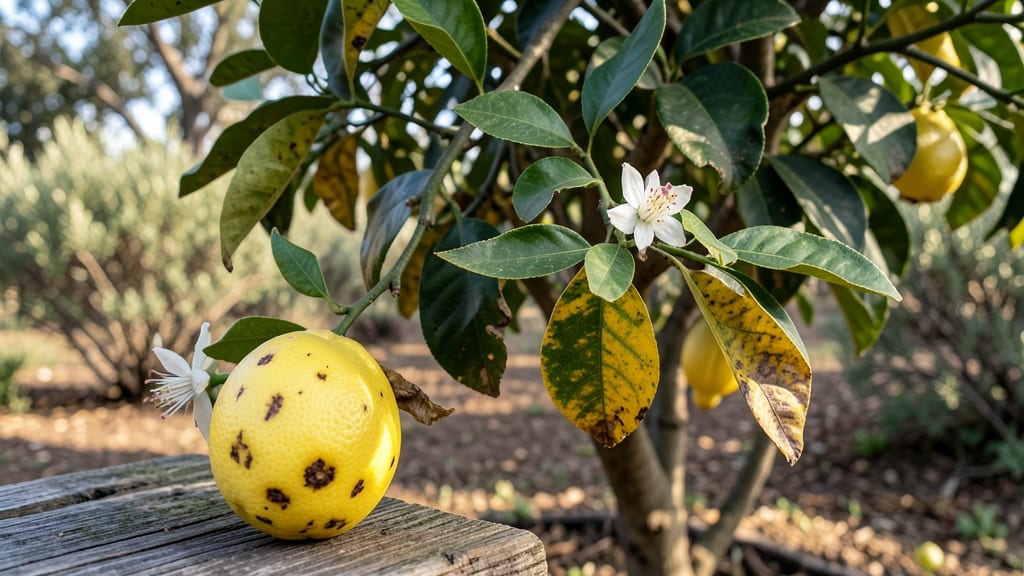
Those citrus tree problems—dropping fruit and yellowing leaves—can feel like a total mystery until you know the quick fixes that actually work. 🌱 I’ve nursed back more than a few struggling trees by addressing the real culprits: overwatering, nutrient deficiencies... or hidden pests like aphids.
The good news? Most problems have simple solutions once you spot the clues.
Yellowing leaves often mean overwatering or a lack of nitrogen, while sudden fruit drop usually points to stress from temperature swings or too much shade. Root rot hides in soggy soil, and citrus canker shows up as crusty spots.
The key is acting fast—adjusting water, fertilizing right, and pruning damaged areas can turn things around in weeks.
You’ll see fresh green leaves within a few weeks of fixing the root cause, and your tree will start holding onto fruit instead of dropping it.
The secret is consistency: check soil moisture monthly, feed with citrus-specific fertilizer in spring, and keep an eye out for pests before they take hold.
Works for Meyer lemons, oranges, and even dwarf varieties. Once you master these fixes, your citrus tree will thrive year after year—no more guesswork, just reliable results.
📚 In This Guide
- What you need
- Instructions
- Tips and common mistakes
- Wrapping up and next steps
What you need
- ● Pruning shears – Bypass-type (sharp, clean cut) for small branches; loppers for thicker stems (1–2 inches). Disinfect with rubbing alcohol between cuts to prevent disease spread. 🔪
- ● Gloves – Heavy-duty, nitrile-coated (to protect from thorns and sap).
- ● Disinfectant – 70% isopropyl alcohol or bleach solution (1:9 ratio) for sterilizing tools.
- ● Fertilizer – Balanced citrus fertilizer (e.g., 6-6-6 or 8-3-9 NPK ratio). 1–2 pounds per 100 sq ft of soil.
- ○ Slow-release granules (optional but ideal for steady nutrition).
- ● pH testing kit – To check soil acidity (ideal range: 6.0–7.0 for citrus).
- ● Watering can or hose with a gentle spray nozzle (avoid overhead watering).
- ● Mulch – Organic mulch (e.g., pine bark or compost), 2–3 inches deep, keeping it 3–4 inches away from the trunk.
- ● Fungicide – Copper-based or neem oil spray (for fungal issues like melanose or anthracnose).
- ● Insecticidal soap – For scale, aphids, or spider mites (test on a small leaf first!).
- ● Citrus-specific soil amendment – Peat moss or compost to improve drainage if your soil is clay-heavy.
- ● Tree ties or stakes – If your tree is young or top-heavy (e.g., lemon or lime varieties).
Quick fixes for citrus tree problems: targeted solutions for common issues
Here's how to diagnose and resolve the most frustrating citrus tree problems fast—no guesswork.
🌿 Step 1: Diagnose Yellowing Leaves by Pattern and Location
Start by examining the leaves' yellowing pattern. If the yellow appears on older leaves first and spreads inward, it's likely nutrient deficiency—common with citrus. Check the soil: if it's bone-dry between waterings, your tree isn't absorbing nutrients properly. Younger leaves turning yellow? That's often overwatering or root rot—feel the soil; if it's soggy or smells foul, you've got a drainage issue.
Look at the undersides of leaves too. Tiny white crawlers or sticky residue mean scale insects or aphids—both sap-suckers that drain nutrients. I once missed this because I only checked the tops, and my tree lost half its fruit before I caught it. Use a magnifying glass if needed.
💧 Step 2: Adjust Watering Based on Soil and Season
Citrus trees hate soggy roots but also struggle with drought. Water deeply once a week during summer (when growth is active) and every 10-14 days in winter. Stick your finger 2 inches into the soil—if it's dry, water thoroughly until it runs out the drainage holes. If it's still damp, wait 2 more days.
Here's the thing—overwatering is the #1 killer of citrus trees. If your tree is in a pot, ensure it has drainage holes and never let it sit in saucers of standing water. For in-ground trees, improve drainage by mixing 2 inches of coarse sand into the topsoil before replanting.
☀️ Step 3: Optimize Light and Fertilizer for Fruit Retention
Citrus trees need 6-8 hours of direct sunlight daily, but too much harsh afternoon sun can scorch leaves. If your tree's leaves are crispy-edged or bleached, it's getting too much sun—move it to a spot with morning sun and afternoon shade. Yellowing between leaf veins? That's often iron deficiency, common in alkaline soils.
Feed your tree every 6-8 weeks during growing season with a balanced citrus fertilizer (look for one with micronutrients like iron, zinc, and manganese). I use a slow-release granular fertilizer spread around the drip line, then water it in. Avoid liquid fertilizers—they can burn roots if overapplied.
✂️ Step 4: Prune Strategically to Improve Airflow and Fruit Set
Dead, diseased, or crossing branches should go first—use clean, sharp pruners and sterilize them with rubbing alcohol between cuts. Thin out crowded growth to improve airflow, which prevents fungal diseases like citrus greening or melanose. Never remove more than 25% of the canopy at once, or you'll shock the tree.
For fruit drop, focus on balanced pruning. Remove suckers (those aggressive shoots at the base) and water sprouts (vertical growth from the trunk). I like to prune right after harvest in late winter—this gives new growth time to harden off before summer heat.
🪴 Step 5: Treat Pests and Diseases Before They Spread
For scale insects, spray with neem oil (mix 1 tbsp per gallon of water) and repeat weekly until gone. For aphids, blast them off with a strong stream of water first, then apply insecticidal soap. Always treat in the early morning or evening to avoid harming bees and other pollinators.
If you see black spots on leaves or oozing cankers, it's likely fungal disease. Prune infected branches ½ inch below the damage, then spray with copper fungicide. Remove all fallen leaves—fungi love to hibernate in organic debris.
Tips & tricks for perfect citrus tree care
Here’s how to troubleshoot common citrus tree issues faster than you thought possible—no guesswork required.
Leaf Pattern Clues: When diagnosing in Step 1, pay attention to the leaf veins. If yellowing appears between veins, it’s almost always iron deficiency (common in alkaline soils). I’ve seen this mistake countless times—people watering more when they should be checking soil pH or adding chelated iron. Grab a soil test kit from your local garden center if you’re unsure.
Watering Technique: The "stick your finger 2 inches deep" test in Step 2 is gold, but here’s the real trick: water until you see moisture emerge from the drainage holes. This ensures the entire root zone gets hydrated—not just the top inch. For potted trees, I weigh them before watering. When they feel noticeably lighter, it’s time to water again. This method eliminates overwatering guesswork.
Fertilizer Timing: That 6-8 week feeding schedule in Step 3 works, but here’s what nobody tells you—citrus trees actually need more frequent light feedings. Instead of waiting for the full 8 weeks, I switch to a diluted liquid fertilizer every 4 weeks during active growth. This prevents nutrient spikes that can burn roots while keeping your tree consistently fed. Just halve the recommended dose on the bottle.
Pruning Secrets: When pruning in Step 4, always cut at a 45-degree angle just above a leaf node. This encourages new growth in the right direction. I also sterilize my pruners between cuts with rubbing alcohol—not just for sanitation, but to prevent spreading any hidden fungal spores. And remember: if you’re seeing excessive fruit drop, look for overcrowded branches first. Thin them out to improve airflow, which directly impacts fruit retention.
Pro Tips for Citrus Tree Problems
- Here’s how to troubleshoot common citrus tree issues faster than you thought possible—no guesswork required.
- Leaf Pattern Clues: When diagnosing in Step 1, pay attention to the leaf veins.
- Watering Technique: The "stick your finger 2 inches deep" test in Step 2 is gold, but here’s the real trick: water until you see moisture emerge from the drainage holes.
Frequently asked questions
Got citrus tree woes?
You’re not alone! Here are answers to the most common questions about diagnosing and fixing citrus tree problems—so you can get back to enjoying fresh oranges, lemons, and limes in no time.
Why are my citrus tree leaves turning yellow?
Yellowing leaves are often caused by overwatering, nutrient deficiencies (like iron or nitrogen), or root rot. Check the soil moisture—citrus trees prefer it slightly dry between waterings. If the yellowing starts on older leaves, it’s likely a nutrient issue (try a citrus-specific fertilizer). For new leaves turning yellow, it could be overwatering or poor drainage.
When should I prune my citrus tree to avoid problems?
Prune your citrus tree in late winter or early spring (before new growth starts). Avoid pruning in fall or summer—this can stress the tree and make it more susceptible to disease or pests. Focus on removing dead, diseased, or crossing branches to improve airflow and sunlight exposure.
Why is my citrus tree dropping fruit before it ripens?
Fruit drop is usually due to overproduction, poor pollination, nutrient deficiencies, or extreme weather (like heatwaves or frost). Thin out excess fruit to let the remaining ones grow bigger. Hand-pollinate flowers with a small brush if bees aren’t visiting, and ensure the tree gets enough phosphorus and potassium (check fertilizer labels).
How do I get rid of pests like aphids or citrus leaf miners?
Start with a strong water spray to dislodge pests, then use neem oil or insecticidal soap for aphids. For citrus leaf miners (tiny white worms), remove heavily infested leaves and apply spinosad or horticultural oil as a last resort. Always check the undersides of leaves—early detection is key!
Can citrus trees survive cold weather, and how do I protect them?
Most citrus trees (like lemons and limes) are tender perennials and can’t handle frost. If temperatures drop below 28°F (-2°C), cover the tree with a frost cloth or blanket. For young trees, wrap the trunk with burlap and mulch the base. Move potted trees to a sheltered spot or indoors if possible.
Pro Tip: Monitor your tree regularly!
Citrus trees communicate problems early—spot yellow leaves, sticky residue (aphids), or wilting? Act fast! A little prevention (like proper drainage, balanced fertilizer, and pest checks) goes a long way in keeping your tree thriving.
Wrapping up and next steps
Citrus trees are resilient, but even the hardiest can face challenges like yellowing leaves or fruit drop. The good news? Most issues have simple fixes—whether it’s adjusting watering habits, pruning properly, or addressing pests. With a little care, your tree can bounce back stronger than ever! 🌱
Ready to take action? Start by inspecting your tree this weekend and applying one of the quick fixes from this guide. Small steps lead to big results—your citrus tree (and future harvests) will thank you!