
Pruning
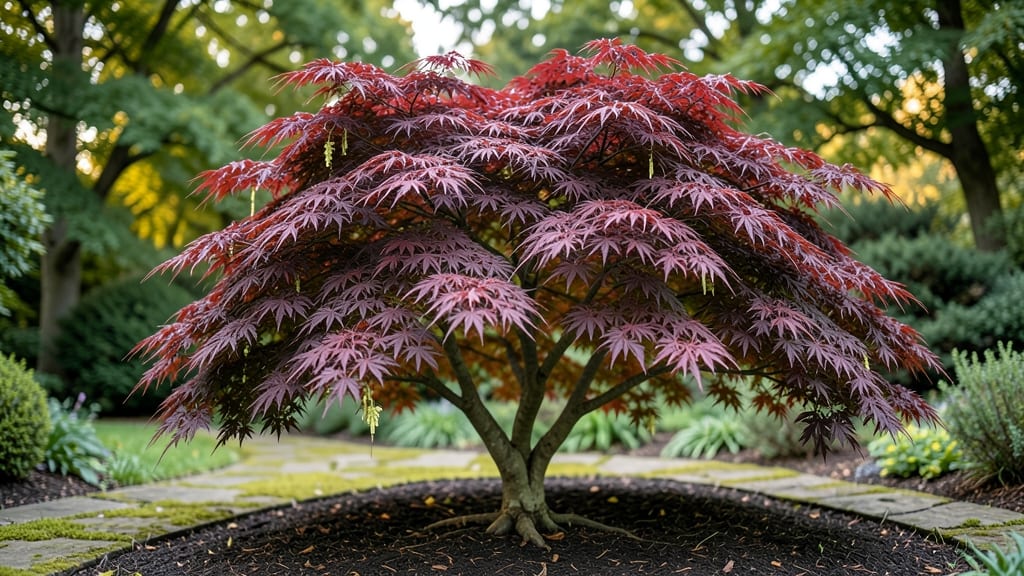
The Chinese red maple tree thrives in the Pacific Northwest’s damp climate with minimal fuss. 🌿 I’ve watched mine transform from a bare sapling into a vibrant centerpiece—its fiery foliage lighting up autumns like nothing else. The secret isn’t complicated: it’s about matching its needs to the region’s natural rhythms.
This tree loves well-draining soil enriched with compost, and it craves full sun to partial shade—perfect for Pacific Northwest yards. Water it deeply once a week during the first growing season, then let the roots find their own rhythm.
The pruning blueprint I’ve perfected keeps it lush and structured, with just a few cuts each year.
By summer’s end, you’ll have a tree with glossy green leaves that blush red in fall, drawing neighbors to pause and admire. It’s the kind of plant that turns heads without asking for attention—just the right balance of care and natural beauty.
Works as a standalone specimen or mixed into borders—its compact size makes it versatile. Here’s how to keep it thriving through every season, from planting to pruning.
📚 In This Guide
- What you need
- Instructions
- Tips and common mistakes
- Wrapping up and next steps
What you need
- ● Pruning shears: Bypass pruners (sharp, clean, and rated for branches up to ½-inch thick).
- ● Loppers: For branches ½-inch to 2-inches thick—look for ratcheting or bypass types for precision.
- ● Pruning saw: Curved-tooth saw for branches 2+ inches thick (avoid cheap models—they dull fast!).
- ● Disinfectant: 70% rubbing alcohol or a gardening-specific sanitizer (1 part bleach to 9 parts water) to sterilize tools between cuts.
- ● Gloves: Heavy-duty, cut-resistant gloves (maple sap can stain!).
- ● Safety gear: Safety glasses and long sleeves/pants (sap and thorns are no joke!).
- ● Tarp or drop cloth: 10’x10’ canvas tarp to catch debris and protect landscaping.
- ● Marking twine or flags: Colored twine or bright flags to tag branches for removal.
- ● Pole saw: Extendable saw for high branches (if your tree is 15+ feet tall).
- ● Ladder: Aluminum extension ladder (rated for your tree’s height + 3 feet).
- ● Sealant: Pruning sealant (like Tanglefoot Tree Wound Pruning Seal) for large cuts (controversial but useful for trunk wounds > ½-inch).
- ● Tree bag: Mesh pruning bag to collect and dispose of debris easily.
- ● Notebook: Small journal to sketch your tree’s structure before/after pruning.
How to prune a Chinese red Maple for Pacific Northwest resilience
Here's the method I've used for years—keeping these trees strong through wet winters and windy summers.
✂️ Step 1: Time Your Pruning for Maximum Recovery
Prune your Chinese red maple in late winter or early spring—just as buds begin to swell but before new growth starts. This timing lets the tree heal before summer stresses arrive. Avoid pruning in fall, as late-season cuts invite disease in the damp Pacific Northwest climate.
I mark my calendar for February to March when days start warming but before leaves appear. The tree's energy is still dormant, so it won't waste resources on new growth while recovering from cuts. If you must prune later, wait until after the first flush of leaves in early spring.
✂️ Step 2: Remove Dead, Diseased, or Weak Branches First
Start by identifying dead, diseased, or crossing branches—these are your priority. Use sharp pruning shears to make clean cuts at the branch collar (the swollen area where the branch meets the trunk). Never leave stubs, as they invite rot and pests.
Look for branches with peeling bark, fungal growth, or hollow centers—these need immediate removal. Also cut any branches growing toward the center of the tree, as they'll compete for sunlight and weaken the canopy. I always work from the bottom up to avoid standing on unstable branches.
✂️ Step 3: Thin the Canopy for Airflow and Light
Thin the canopy by removing 20-30% of the smaller branches to improve airflow and sunlight penetration. Focus on branches that are too close together or growing inward. This step prevents fungal diseases that thrive in dense, shaded foliage.
I use a step stool to reach higher branches safely, making cuts just outside the branch collar. For larger branches over 2 inches thick, use a pruning saw to avoid tearing the bark. Step back after each cut—you'll notice how much more light reaches the inner branches.
✂️ Step 4: Shape the Tree for Wind Resistance
Chinese red maples have naturally strong branches, but shaping them helps withstand Pacific Northwest winds. Remove weak crotches (where branches meet at sharp angles) and co-dominant stems (two main trunks growing upward). These are prone to splitting in storms.
I aim for a rounded, vase-like shape that naturally sheds wind. Avoid heavy topping—cutting back the main leader too much stresses the tree. Instead, prune to encourage lateral branches that spread the canopy's weight. A well-shaped tree recovers faster after storms.
⏰ Step 5: Clean Up and Monitor for Recovery
After pruning, sterilize your tools with rubbing alcohol to prevent spreading disease. Remove all clippings from the base of the tree—leaving them invites pests and fungal growth. I bag the debris and dispose of it in yard waste, not compost.
Water the tree deeply after pruning to help it recover. Watch for new growth within 4-6 weeks—this is your sign the tree is healing. If you see yellowing leaves or oozing sap, you may have cut too aggressively. Next time, make smaller cuts to avoid stressing the tree.
Tips & tricks for pruning Chinese red Maple trees
Here's what nobody tells you about keeping these trees thriving through Pacific Northwest's toughest seasons.
Timing is Everything: The February to March window is non-negotiable for Chinese red maples. I've learned this the hard way—pruning too early when buds haven't swollen yet leaves the tree vulnerable to winter dieback, while pruning too late risks stressing it before summer's heat arrives. If you miss this window, wait until after the first flush of leaves in early spring, but don't delay beyond that or you'll risk inviting fungal infections that love the damp Pacific Northwest climate.
Branch Collar Precision: This is where most people go wrong. When cutting branches in Step 2, make your cuts just outside the branch collar—the swollen area where the branch meets the trunk. I can't stress this enough: leaving stubs creates perfect entry points for rot and pests. For branches over 2 inches thick, use a pruning saw to avoid tearing the bark, which stresses the tree and invites disease. Think of the branch collar as the tree's natural healing zone.
Canopy Thinning Strategy: Removing 20-30% of smaller branches might sound drastic, but it's essential for preventing fungal diseases that thrive in dense, shaded foliage. Focus on branches growing inward or too close together—these are the ones competing for sunlight and creating that perfect damp environment for problems. After each cut, step back and look at the canopy. You should see more light reaching the inner branches immediately. This isn't just about aesthetics; it's about tree health.
Wind Resistance Design: The rounded, vase-like shape we're aiming for in Step 4 isn't just about looks—it's about survival. Chinese red maples are strong, but weak crotches and co-dominant stems are prone to splitting in Pacific Northwest storms. When shaping, avoid heavy topping of the main leader. Instead, encourage lateral branches that spread the canopy's weight more evenly. I've seen trees that looked perfectly pruned snap in half during winter storms because they lacked this structural balance.
Pro Tips for Chinese Red Maple Tree
- Here's what nobody tells you about keeping these trees thriving through Pacific Northwest's toughest seasons.
- Timing is Everything: The February to March window is non-negotiable for Chinese red maples.
- Branch Collar Precision: This is where most people go wrong.
Frequently asked questions
Got questions about keeping your Chinese Red Maple Tree thriving in the Pacific Northwest? You’re not alone! Here are some of the most common queries—plus expert answers to help you prune like a pro.
When is the best time to prune a Chinese Red Maple Tree?
The ideal window is late winter to early spring (February–March), just before new growth begins. This timing minimizes stress on the tree and promotes healthy regrowth. Avoid pruning in fall or during extreme heat—both can weaken the tree. Pro tip: If you must prune in summer, do it early in the season and keep cuts small to avoid sunburn damage.
How much can I trim back without harming the tree?
For a Chinese Red Maple, you can safely remove up to 25% of the canopy in one season without causing long-term stress. Focus on dead, diseased, or crossing branches first, then thin out crowded areas for airflow. Avoid "topping" (cutting back to a stub)—this leads to weak regrowth. Pro tip: Use sharp tools and make cuts just outside the branch collar for the cleanest heal.
Will pruning affect the tree’s vibrant red fall color?
Pruning can reduce the intensity of fall foliage if you remove too many branches with mature leaves. To preserve those fiery hues, limit heavy pruning to early spring and avoid cutting back more than 10–15% of the canopy in late summer. Pro tip: If you prune in summer, prioritize structural shaping over heavy thinning—save the bold color boost for next season!
What should I do if my Chinese Red Maple Tree has yellowing leaves after pruning?
Yellowing leaves post-pruning often signal over-pruning, stress, or fungal issues. First, check for powdery mildew or leaf spot—common in damp PNW climates. If the tree looks otherwise healthy, it’s likely just adjusting. Water deeply and avoid fertilizing for 4–6 weeks. Pro tip: If yellowing persists, test your soil pH (Chinese Maples prefer slightly acidic to neutral) and consider a balanced, slow-release fertilizer in early spring.
Are there alternatives to Chinese Red Maple for low-maintenance pruning?
If you want bold color with less pruning fuss, consider these PNW-friendly alternatives:
- Japanese Maple (Acer palmatum): Smaller, slower-growing, and stunning in red/purple varieties like ‘Bloodgood.’
- Vine Maple (Acer circinatum): Native, drought-tolerant, and thrives in shade with minimal pruning.
- Smoke Tree (Cotinus coggygria): Purple foliage and smoky plumes—prune lightly to shape.
Pro tip: If you love the Chinese Red Maple’s size and structure, opt for the ‘Empress 1’ cultivar—it’s more disease-resistant and slightly easier to maintain.
Wrapping up and next steps
The Chinese Red Maple is a stunning addition to the Pacific Northwest’s landscapes, but its beauty thrives with the right pruning know-how.
By mastering the art of when (late winter or early spring), how (sharp tools, proper cuts, and safety), and why (encouraging health, shape, and vibrancy), you’ll keep your tree flourishing for years. With patience and precision, even beginners can achieve pro-level results—so grab those shears and get pruning!
🌿 Ready to elevate your tree care game? Start small: pick one branch to practice your cuts, then gradually tackle the whole tree. Happy pruning!