
Pruning
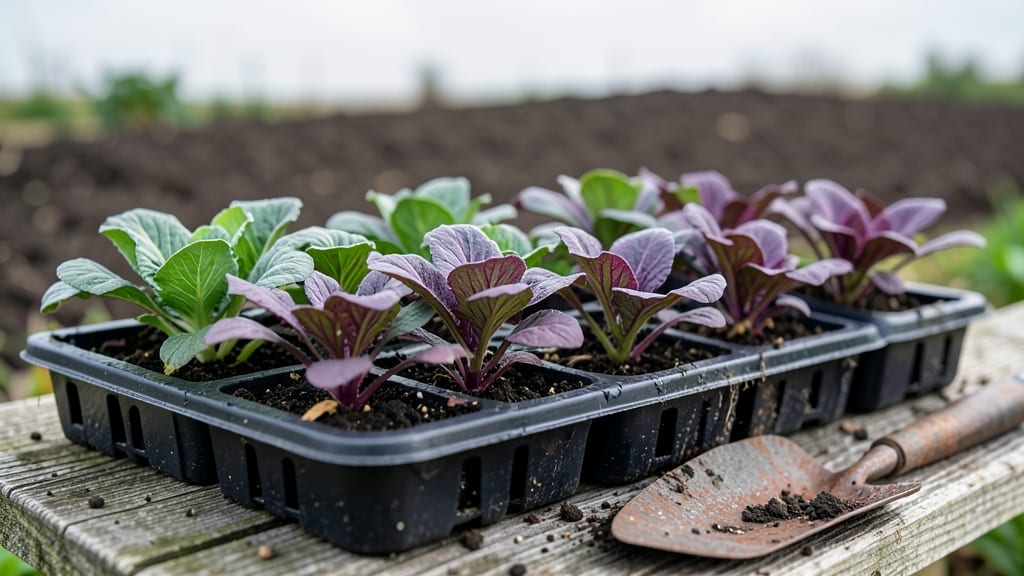
Growing cabbage tree seedlings from scratch lets you watch a fast-growing canopy rise from the ground in just a few seasons—something I’ve seen transform my own backyard from bare soil to a towering, textured focal point.
The key isn’t just patience; it’s matching their needs to their rapid growth cycle, from the moment those first leaves unfurl to when they’re ready for transplanting. Most beginners struggle with watering too much or not enough, but once you nail the rhythm, these seedlings become shockingly resilient.
You’ll need well-draining soil, a spot with morning sun and afternoon shade, and a watering can with a gentle spray nozzle—no fancy tools required. The real secret is keeping the soil consistently moist but never soggy during those first critical weeks, when roots are still shallow.
I’ve found that mulching with pine needles or wood chips helps retain moisture while keeping the soil’s natural airflow intact, which prevents fungal issues that can stunt growth.
By the time your seedlings hit 12-18 inches tall, you’ll notice the iconic cabbage-like rosettes forming at the top, a sure sign they’re ready to be moved into their permanent home.
The transition goes smoother if you harden them off first—just a week of gradually increasing sunlight exposure makes all the difference. Once planted, they’ll shoot up 3-5 feet per year, creating that dramatic, layered look that makes them worth every bit of effort.
This method works for both container growing and in-ground planting, so whether you’ve got a small patio or a full yard, you can adapt. The biggest mistake? Skipping the pruning step when they’re young—it encourages a fuller, bushier canopy later on. Let’s get those seedlings thriving!
📚 In This Guide
- What you need
- Instructions
- Tips and common mistakes
- Wrapping up and next steps
What you need
- ● Cabbage tree seedlings: 3–5 healthy, disease-free seedlings (ensure they’re 6–12 inches tall for best results).
- ● Well-draining potting mix: 10–15 lbs of a blend designed for tropical plants (e.g., 60% peat moss, 30% perlite, 10% compost).
- ● Containers: 5–7 gallon pots (one per seedling) with drainage holes, or a raised garden bed (if planting outdoors).
- ● Slow-release fertilizer: 1 lb of balanced 10-10-10 or organic options like worm castings.
- ● Watering can or hose: With a gentle spray nozzle for even moisture.
- ● Pruning shears: Sharp, sterilized shears (for trimming and shaping).
- ● Gloves: Heavy-duty gardening gloves (to protect from sap and thorns).
- ● Mulch: 2–3 inches of pine bark or coconut coir (retains moisture and regulates temperature).
- ○ Grow lights (optional): LED full-spectrum lights for indoor seedlings (12–16 hours/day).
- ● Soil pH tester: Ensures your mix is slightly acidic (pH 5.5–6.5).
- ● Stakes or supports: 3–4 bamboo stakes (for young seedlings in windy areas).
How to cultivate cabbage tree seedlings for rapid canopy development
Here’s my battle-tested approach to jumpstarting seedlings that’ll grow into lush, fast-canopy trees.
Select and Prepare the Growing Medium
Start with a well-draining, airy mix—I blend equal parts peat moss, perlite, and coarse sand to mimic the tree’s native rocky soil. This prevents root rot while allowing moisture to move freely. Cabbage tree seedlings despise soggy conditions, so avoid garden soil entirely.
Sterilize your mix by baking it at 200°F for 30 minutes to kill pathogens. Cool completely before use. Fill 4-inch pots (one per seedling) to ¾ capacity, leaving room for root expansion. Tap the container gently to eliminate air pockets—compacted soil slows germination.
Sow Seeds at the Right Depth and Temperature
Cabbage tree seeds are tiny and delicate—press 1-2 seeds per pot just ¼ inch deep into the prepared mix. Deeper planting delays emergence because the seedling’s energy reserves are exhausted before reaching light. Cover lightly with a fine layer of perlite to mark the spot.
Place pots in a propagation tray and maintain consistent warmth at 70-75°F. A seedling heat mat underneath speeds germination to 10-14 days. Keep the mix evenly moist (not wet) by misting daily—overwatering triggers damping-off, a fungal disease that collapses seedlings overnight.
Provide Bright, Indirect Light Immediately
The moment seedlings emerge, move them to bright, indirect light—a south-facing window works, but supplement with a grow light if natural light is weak. Leggy seedlings (thin, stretched stems) signal insufficient light. Keep the light 2-3 inches above the plants and raise it weekly as they grow.
Rotate pots quarter-turn daily to prevent leaning. Cabbage tree seedlings need 12-14 hours of light daily for robust growth. Watch for dark green, glossy leaves—this indicates healthy photosynthesis. Yellowing leaves mean too much direct sun or overwatering.
Thin and Transplant for Stronger Growth
Once seedlings develop 2-3 true leaves (about 4-6 weeks), thin to the strongest one per pot. Gently snip the weaker stem at soil level with clean scissors—never pull, or you’ll disturb roots. Transplant into 6-inch pots with fresh mix, burying up to the first set of leaves to encourage stability.
After transplanting, water deeply and place in dappled shade for 3-5 days to reduce stress. Gradually reintroduce full light. By 8-10 weeks, seedlings should reach 6-8 inches tall with a sturdy stem—this is your cue they’re ready for outdoor acclimation.
Harden Off and Acclimate to Outdoor Conditions
Begin hardening off 2 weeks before outdoor planting. Place seedlings outside in partial shade for 1 hour the first day, increasing time by 1 hour daily. Watch for wilting or leaf scorch—these are signs they’re not ready. A morning sun exposure is ideal for the first week.
After 10-14 days, if seedlings show no stress, plant in well-draining soil with full sun exposure. Space them 8-10 feet apart to allow canopy development. Mulch with 2-3 inches of wood chips to retain moisture and suppress weeds—this mimics their natural understory habitat.
Tips & tricks for fast-growing cabbage tree seedlings
Here's what I learned after years of trial and error to help your seedlings grow into strong, canopy-ready trees faster.
Medium Preparation: The sterilization step at 200°F for 30 minutes isn't just about killing pathogens—it also activates beneficial microbes in the peat moss. After baking, let the mix cool completely before use; warm soil can shock delicate seeds. For even better drainage, add a handful of perlite to each pot after filling to ¾ capacity—this creates air pockets that prevent root suffocation while maintaining moisture.
Temperature Consistency: Maintaining that 70-75°F range is critical during germination, but don't rely solely on your thermostat. Place a small thermometer in the propagation tray to monitor actual soil temperature. If your home dips below 70°F at night, consider using a seedling heat mat set to "warm" instead of "hot"—overheating can scorch emerging seedlings just as effectively as cold temperatures slow them down.
Light Management: When rotating pots quarter-turn daily in Step 3, use a small piece of tape to mark the pot's orientation—this prevents you from rotating back to the original position. The 12-14 hours of light requirement is non-negotiable, but quality matters more than quantity: fluorescent grow lights with a color temperature of 6500K produce the best results for young seedlings. If using natural light, position pots on a rotating stand to ensure even exposure from all directions.
Transplanting Technique: When transplanting to 6-inch pots at the 4-6 week mark, use a clean knife to score the sides of the original pot before gently squeezing. This breaks the root ball's surface tension, allowing roots to spread more easily into the fresh mix. The "bury up to first set of leaves" instruction is crucial—this encourages the stem to develop stronger cell walls, preventing the leggy growth that's common with cabbage tree seedlings.
Pro Tips for Cabbage Tree Seedlings
- Here's what I learned after years of trial and error to help your seedlings grow into strong, canopy-ready trees faster.
- Medium Preparation: The sterilization step at 200°F for 30 minutes isn't just about killing pathogens—it also activates beneficial microbes in the peat moss.
- Temperature Consistency: Maintaining that 70-75°F range is critical during germination, but don't rely solely on your thermostat.
Frequently asked questions
about cabbage tree seedlings—your quick guide to growing a lush, fast canopy!What’s the best time to plant cabbage tree seedlings?
Plant your seedlings in early spring (after the last frost) or fall (4–6 weeks before the first frost). This gives roots time to establish before extreme temperatures. Avoid planting in summer heat, which can stress young seedlings.
How long does it take for cabbage tree seedlings to grow into mature trees?
With proper care, cabbage tree seedlings can reach 10–20 feet tall in 5–10 years. Fast growth depends on soil quality, sunlight (6+ hours daily), and regular watering. Prune young trees annually to encourage a dense canopy.
How often should I water cabbage tree seedlings?
Water deeply 2–3 times per week during the first year, keeping soil moist but not soggy. Once established, reduce to weekly deep waterings unless drought conditions persist. Mulch around the base to retain moisture and regulate temperature.
Can I grow cabbage tree seedlings from cuttings instead of seeds?
Yes! Take 4–6 inch cuttings from healthy branches in early summer, strip lower leaves, and root them in a mix of perlite and peat. Keep humidity high (use a plastic bag) and mist daily. Rooting takes 4–8 weeks—faster than growing from seed!
What pests should I watch for in cabbage tree seedlings?
Common pests include aphids, scale insects, and spider mites. Treat early with insecticidal soap or neem oil. For severe infestations, prune affected branches and dispose of them. Healthy seedlings with good airflow resist pests better.
Do cabbage tree seedlings need full sun or can they tolerate shade?
They thrive in full sun (6+ hours daily) but tolerate partial shade (4+ hours). In shady spots, growth slows, and canopies become less dense. If planting in shade, choose a bright, indirect light location for best results.
Wrapping up and next steps
Growing cabbage tree seedlings into a lush, thriving canopy is entirely within your reach with the right care and patience! 🌿 By mastering soil prep, watering routines, and strategic pruning, you’ll nurture fast, healthy growth that’ll reward you with stunning foliage.
Remember, consistency is key—whether you’re a seasoned gardener or just starting out.
Ready to watch your seedlings flourish? Start small, stay observant, and take that first step today! Grab your tools, roll up your sleeves, and let your green thumb shine—your cabbage tree’s future canopy awaits! 🌱