
Pruning
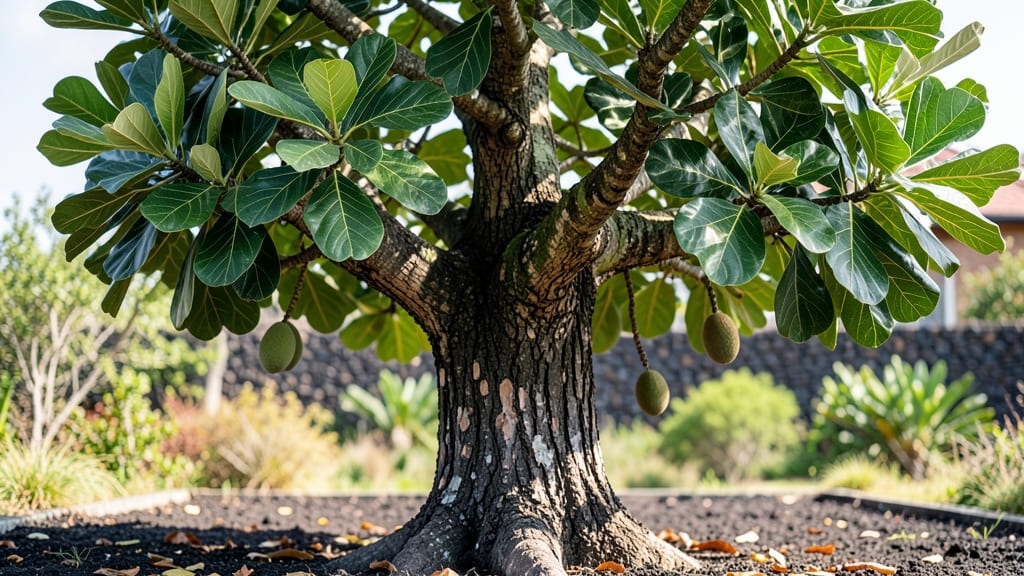
Caring for a breadfruit tree means unlocking a tropical treasure chest that feeds you year-round—if you get the basics right. 🌿 I learned the hard way that these giants demand patience, but once established, they reward with starchy fruit, lush shade, and a canopy that outshines any other tree in your yard.
The secret isn’t just water or sun—it’s understanding how their massive roots and layered branches grow differently than your average fruit tree.
You’ll need rich, well-draining soil (think volcanic loam if you can get it), full sun for at least 6 hours daily, and a climate that stays above 50°F year-round—they’re tropical through and through.
Watering’s the tricky part: deep soaks twice a week for young trees, then tapering off as they mature, because soggy roots mean rot. Pruning isn’t about shaping like an ornamental tree—it’s about opening the canopy to sunlight and air so the lower branches produce fruit instead of just leaves.
What you’ll end up with is a 30-foot-tall powerhouse that feeds your family, feeds your soil, and feeds the ecosystem around it. The first harvest might take 3-5 years, but once those green, artichoke-like fruits start dropping, you’ll never buy starchy veggies again.
The texture’s like a cross between potato and chestnut, and the versatility in the kitchen? Game-changer.
Works in USDA zones 10-11, but with greenhouse tricks, you can push them into zone 9. The real magic happens when you propagate from seed or air layering—suddenly, you’ve got a self-sustaining breadfruit forest. Here’s how to make it happen without the common pitfalls.
📚 In This Guide
- What you need
- Instructions
- Tips and common mistakes
- Wrapping up and next steps
What you need
- ● Breadfruit seedling or seed – Purchase from a reputable nursery or collect mature seeds from a ripe fruit (ensure they’re properly cleaned and dried).
- ● Well-draining soil mix – Combine 60% topsoil, 30% compost, and 10% perlite or coarse sand for optimal aeration.
- ● Large planting hole – Dig a hole twice as wide and deep as the root ball (or seed’s depth if direct-sowing).
- ● Organic mulch – 3–4 inches of wood chips or straw to retain moisture and regulate soil temperature.
- ● Pruning tools – Sharp bypass pruners (for small branches) and a pruning saw (for thicker stems). Sterilize tools with rubbing alcohol between cuts!
- ● Support stakes or trellis – 2–3 bamboo or wooden stakes (6+ feet tall) to secure young trees during storms.
- ● Watering can or hose with a gentle spray nozzle – Breadfruit trees love moisture but hate soggy roots!
- ● Balanced fertilizer (10-10-10 or organic) – Use 1–2 cups per tree every 3 months during the growing season.
- ● Soil pH test kit – Breadfruit thrives in slightly acidic to neutral soil (pH 6.0–7.0).
- ● Drip irrigation system – Automates watering for consistent moisture.
- ● Tree tie straps – Soft fabric strips to gently secure stakes to the trunk.
- ● Fungicide (copper-based) – Preemptive treatment for humid climates.
- ● Grafting tools (for advanced growers) – If propagating via grafting.
Step-by-step guide for cultivating a thriving breadfruit tree
Here's how to nurture a breadfruit tree into a productive tropical giant.
🌱 Step 1: Select and Prepare the Planting Site
Breadfruit trees need full sun—at least 6 hours of direct sunlight daily—and thrive in well-draining, fertile soil with a pH between 6.0 and 7.5. Avoid low-lying areas where water pools, as breadfruit roots despise soggy conditions. If your soil is heavy clay, amend it with 2-3 inches of compost mixed into the top 12 inches of soil before planting.
Dig a hole twice as wide as the root ball but only as deep as the container the tree came in. This encourages roots to spread horizontally rather than settling too deep. Gently loosen the roots if they’re circling the pot—this prevents girdling as the tree matures. Water the hole thoroughly 24 hours before planting to help the roots settle without shock.
💧 Step 2: Plant and Establish the Young Tree
Place the breadfruit tree in the hole, ensuring the root flare (where the roots meet the trunk) sits 1-2 inches above soil level. This prevents water from pooling around the trunk, which can cause rot. Backfill with the native soil, tamping lightly every 4-6 inches to eliminate air pockets. Water deeply immediately after planting to help the soil settle around the roots.
Mulch the base with 3-4 inches of organic mulch (like wood chips or shredded bark), keeping it 6 inches away from the trunk to avoid moisture buildup. Mulch retains soil moisture, regulates temperature, and slowly enriches the soil as it breaks down. Water 2-3 times per week for the first month, ensuring the soil stays evenly moist but not waterlogged. Breadfruit trees are drought-tolerant once established, but young trees need consistent moisture to root deeply.
☀️ Step 3: Prune and Train for Canopy Growth
Breadfruit trees grow fast—sometimes 10-15 feet in a single season—so pruning early shapes a strong, productive canopy. When the tree is 3-4 feet tall, remove any suckers (shoots growing from the base) to direct energy upward. Prune selective branches to encourage an open, vase-like structure, allowing sunlight to reach the center where fruit develops.
Use clean, sharp pruners to make cuts just above a leaf node (the bump where leaves attach). Avoid cutting into old wood—new growth responds best to pruning. After pruning, apply a balanced fertilizer (like 10-10-10) around the drip line (the edge of the tree’s canopy) to support vigorous regrowth. Prune lightly in spring and heavily in late winter before new growth begins.
🌿 Step 4: Monitor for Pests and Nutrient Needs
Breadfruit trees are generally pest-resistant, but scale insects and mealybugs can appear on young leaves. Inspect the tree weekly, especially under leaves, and treat infestations early with neem oil or horticultural oil. Avoid chemical pesticides—they can harm beneficial insects and leave residues on edible fruit.
Fertilize twice a year: once in early spring (when new leaves emerge) and again in mid-summer (after fruit set). Use a low-nitrogen, high-potassium fertilizer (like 5-10-10) to encourage fruit production. Water deeply once a week during dry spells, ensuring the soil 6 inches down stays moist. Mature trees can handle drought better than waterlogging, so adjust watering based on rainfall.
⏰ Step 5: Harvest and Prepare for Year-Round Fruit
Breadfruit trees produce year-round in tropical climates, with peaks in spring and fall. Harvest when the fruit is firm but yields slightly to pressure—typically 6-12 months after flowering. Use a sharp knife or pruners to cut the fruit from the stem, leaving a small stub. Avoid pulling or twisting, which can damage the tree.
Young trees may take 3-5 years to bear fruit, but once established, they produce hundreds of fruits annually. Store harvested breadfruit in a cool, dry place for up to 2 weeks, or cook immediately for best flavor. Prune spent branches after harvest to maintain airflow and prevent disease. With proper care, your breadfruit tree will become a reliable, low-maintenance tropical staple for decades.
Tips & tricks for cultivating a thriving breadfruit tree
Transforming a young breadfruit tree into a productive tropical giant requires attention to detail—and I’ve learned these tricks after watching my own trees flourish (and a few struggle). Here’s what makes all the difference.
Soil Preparation Secret: The 2-3 inches of compost mixed into the top 12 inches of soil isn’t just about nutrients—it’s about creating the right texture. Breadfruit roots need both aeration and moisture retention, and this ratio prevents compaction while ensuring drainage. If your soil is sandy, add an extra inch of compost to help retain moisture during dry spells. Test your soil’s pH before planting; if it’s outside the 6.0-7.5 range, adjust with lime (to raise pH) or sulfur (to lower it).
Planting Depth Strategy: That 1-2 inch root flare above soil level isn’t arbitrary—it’s critical for preventing trunk rot. Many gardeners bury the flare too deep, thinking it’s safer, but this actually suffocates the tree’s roots. After planting, use a level to check the flare’s position, and if needed, scrape away soil until it’s visible. This small adjustment prevents years of potential rot and ensures strong, healthy growth from day one.
Pruning Precision: When your tree reaches 3-4 feet tall, focus on removing suckers and shaping an open canopy. The key is to prune just above a leaf node—this encourages new growth in the right direction. I’ve seen gardeners cut too close to the trunk, which can leave unsightly stubs and invite pests. Use clean, sharp pruners (sterilized with rubbing alcohol) to make precise cuts, and always prune in the late winter before new growth begins. This timing maximizes the tree’s energy for fruit production later in the year.
Watering Wisdom: The 2-3 times per week watering schedule for the first month is non-negotiable, but how you water matters just as much. Use a soaker hose or drip irrigation to deliver water slowly at the base of the tree, avoiding the leaves. This prevents fungal diseases while ensuring the roots get consistent moisture. After the first month, reduce to deep watering once a week, but always check the soil 6 inches down—if it’s dry, water more frequently. Mature trees are drought-tolerant, but they’ll reward you with better fruit production if you maintain this consistency.
Pro Tips for Breadfruit Tree Care
- Transforming a young breadfruit tree into a productive tropical giant requires attention to detail—and I’ve learned these tricks after watching my own trees flourish (and a few struggle).
- Soil Preparation Secret: The 2-3 inches of compost mixed into the top 12 inches of soil isn’t just about nutrients—it’s about creating the right texture.
- Planting Depth Strategy: That 1-2 inch root flare above soil level isn’t arbitrary—it’s critical for preventing trunk rot.
Frequently asked questions
Got questions about growing and maintaining your breadfruit tree? You’re not alone!
Here are some of the most common concerns—plus expert tips to keep your tropical canopy thriving year-round.
How often should I prune my breadfruit tree?
Prune your breadfruit tree 2–3 times a year, focusing on shaping, removing dead branches, and thinning out dense foliage to improve airflow. Light pruning after harvest (late summer/fall) encourages new growth for next season’s fruit. Avoid heavy pruning in winter—this is when the tree stores energy for spring blooms!
Can I grow breadfruit from seed, or should I buy a grafted tree?
You can grow from seed, but grafted trees (like Mai’a varieties) mature faster and produce fruit in 3–5 years instead of 10+. Seeds take longer to bear fruit and may not match the parent’s quality. If space isn’t an issue, seeds are free and fun to experiment with—but grafted trees are the pro move for reliable harvests!
Why are my breadfruit leaves turning yellow?
Yellow leaves usually signal overwatering, nutrient deficiency, or pests. Check the soil—breadfruit trees hate soggy roots. Test for magnesium or potassium deficiencies (common in tropical soils) and amend with compost or fertilizer. Inspect undersides for mealybugs or scale insects; treat with neem oil if needed. Pro tip: Yellowing on older leaves? Normal! New growth should stay green.
How cold can a breadfruit tree tolerate?
Breadfruit trees thrive in USDA Zones 10–11 and cannot survive frost. Temperatures below 30°F (-1°C) will damage leaves, and 25°F (-4°C) can kill the tree. In colder climates, grow them in large containers and bring them indoors during winter. If you’re in Zone 9, plant near a heat source or use frost cloth for protection.
How do I know when breadfruit is ripe and ready to harvest?
Ripe breadfruit changes from green to yellow or brown, feels soft when gently squeezed (like a ripe avocado), and may smell slightly sweet. Harvest before it overripens—overripe fruit turns mushy and loses starch. For chips, pick when firm-green; for boiled/pureed varieties, wait until fully colored. Pro tip: Shake the tree—ripe fruit drops easily!
Bonus Tip: Troubleshooting Slow Growth
- Check sunlight: Breadfruit needs 6+ hours of direct sun daily. Shady spots = leggy, weak growth.
- Soil matters: Well-draining, slightly acidic soil (pH 6.0–7.0) with organic matter is key. Sandy or clay-heavy soil? Amend with coconut coir or compost.
- Patience pays: Young trees focus on roots first—fruit may take 5+ years to appear. Keep them happy with consistent water and nutrients!
Wrapping up and next steps
Caring for your breadfruit tree is a rewarding journey that yields delicious, nutrient-packed fruit and stunning tropical beauty.
With the right pruning techniques, soil conditions, and patience, you’ll enjoy a thriving tree that keeps producing year-round. Now’s the time to roll up your sleeves—start small, stay consistent, and watch your tree flourish!
Ready to take the next step? Plan your first pruning session and monitor your tree’s growth closely. Share your progress or ask questions in gardening forums—every expert started with their first cut! 🌱✂️