
Pruning
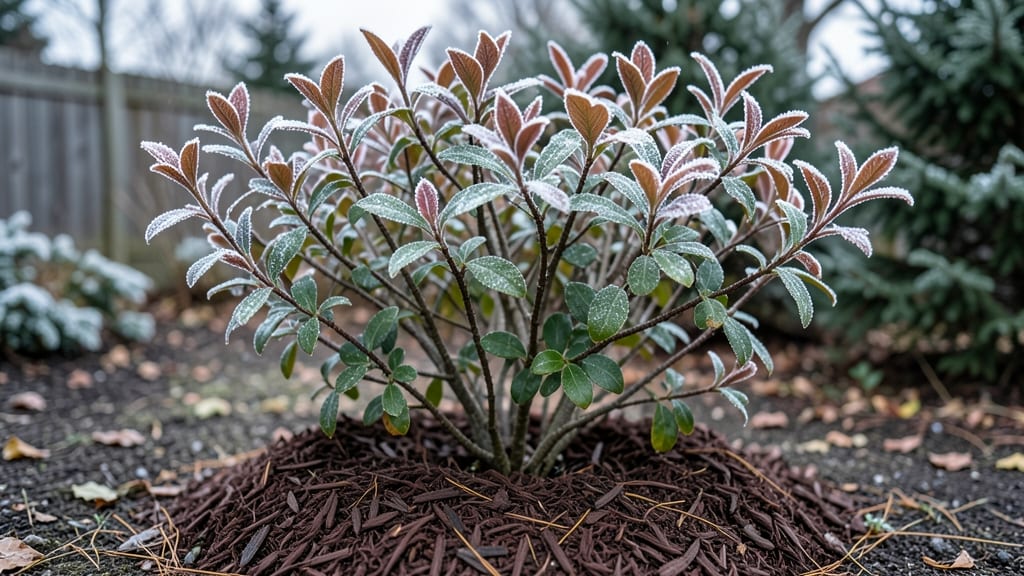
Winter pruning your blueberry tree unlocks next summer’s harvest—here’s how to do it right. 🌿 I’ve learned the hard way that cutting too late or too aggressively can stunt growth, but the right approach turns a dormant bush into a spring powerhouse.
The key is timing: prune after the first hard frost but before new buds swell in late winter.
You’ll need sharp pruners, a ladder (for taller trees), and a clear day to see the branches. Focus on removing dead wood, crossing branches, and thinning out crowded stems to improve airflow.
This isn’t just about shaping—it’s about setting up the tree for stronger fruiting canes and fewer diseases next season.
By spring, you’ll see fresh green growth where you pruned, with more sunlight reaching the center of the bush. The result? Bigger berries, fewer pests, and a tree that looks like it’s been professionally cared for. Just avoid heavy pruning if your climate still dips below freezing after you trim.
Works for both highbush and rabbiteye varieties, whether you’re in Zone 5 or Zone 8. The same principles apply—just adjust timing based on your last frost date. Ready to give your tree a fresh start?
📚 In This Guide
- What you need
- Instructions
- Tips and common mistakes
- Wrapping up and next steps
What you need
- ● Bypass pruning shears – Sharp, clean blades (10-12" long) for cutting small branches (¼"–¾" diameter). Pro tip: 💡 Disinfect with rubbing alcohol between cuts to prevent disease spread!
- ● Loppers – For medium branches (¾"–2" diameter). Look for ratcheting or bypass types for precision.
- ● Pruning saw – A curved-tooth saw for thick branches (2"+ diameter). Avoid cheap tools—durability matters!
- ● Gloves – Heavy-duty, cut-resistant gloves (e.g., Mechanix or Felco) to protect hands from thorns and debris.
- ● Ladder or step stool – A stable, 4-6 ft tall ladder (or stool) if your tree exceeds 6 feet in height.
- ○ Disposable pruning sealant – Optional but helpful for sealing large cuts (>2" diameter) to prevent disease.
- ● Trash bags or bucket – For collecting pruned branches (5-10 gallon capacity). Pro tip: ✨ Use a wet/dry vacuum for fine debris if you’re detail-oriented!
- ● Rubbing alcohol (70%+) – 8 oz bottle for sterilizing tools.
- ● Sharpie or marker – To label branches if you’re doing targeted pruning (e.g., marking dead wood).
- ○ Pruning paint (optional) – For sealing large cuts (e.g., TreeHelp Wound Pruning Sealant).
- ● Weather check – Wait for a dry, above-freezing day (40°F+). Avoid pruning if rain or frost is forecasted within 24 hours.
- ● Tree health assessment – Inspect for pests (e.g., blueberry maggots) or fungal signs (black spots, mold). Report severe issues to a local extension office.
- ● Safety gear – Safety glasses and long sleeves/pants to protect from thorns and debris.
Step-by-step guide for winter pruning blueberry trees
Here's how to refresh your blueberries for a stronger spring—without overcomplicating it.
✂️ Step 1: Time Your Pruning Perfectly
Prune your blueberry tree in late winter, just as new buds begin to swell but before any leaves appear. This timing—typically February to early March in most climates—ensures you remove dead wood while leaving the plant's energy reserves intact for spring growth. I always check for bud swell first: gently squeeze a few buds between your fingers. If they feel firm and slightly plump, it's go-time.
Real talk: if you miss this window, don't panic. Pruning after buds break can stress the tree, but you can still do light maintenance pruning up until bloom. Just avoid heavy cuts once flowers appear. Your goal is to shape the tree without removing next year's fruit buds—those little swollen areas along the branches are your blueberry gold.
🌿 Step 2: Remove Dead, Diseased, and Crossing Branches
Start by cutting out any branches that are dead, broken, or diseased—these are easy to spot as they're brown, brittle, or lacking buds. Use clean, sharp pruners to make 45-degree cuts just outside the branch collar (that's the swollen area where the branch meets the trunk). This prevents water from pooling and rotting the wound.
Next, look for branches that cross or rub against each other. These create wounds where diseases can enter and block airflow. Remove the smaller of the two branches at its base. I like to visualize the tree's shape as I work—think of it like sculpting a vase, with the widest part at the base and branches gradually thinning upward. This encourages sunlight to reach all parts of the tree.
🪴 Step 3: Thin Out Overcrowded Branches
Blueberry trees produce fruit on wood from the previous year, so you want to maintain a balance of old and new growth. Start by removing any branches that are growing inward or downward—they'll compete with stronger, upward-facing branches for sunlight and nutrients. Aim to leave 4-6 strong, outward-growing branches per main stem for a mature tree.
For each branch you keep, look for fruit buds (those little bumps along the stem). These are your future harvest. If a branch has fewer than 3-4 buds, it's not worth keeping—it won't produce enough fruit to justify the space it takes up. Thin branches evenly around the tree to ensure sunlight reaches the center. Here's the thing—blueberries hate shade, and crowded branches create a dark, damp environment that invites fungal diseases.
☀️ Step 4: Shape for Airflow and Sunlight
Step back and assess the tree's overall shape. Blueberries thrive with good airflow, so avoid creating a dense canopy. Cut back any branches that are too long or leggy by one-third to encourage bushier growth. Make your cuts just above a bud that faces outward or upward. This ensures the new growth will continue in the direction you want.
Pay special attention to the tree's center. If it's too crowded, sunlight won't penetrate, and fruit quality will suffer. You can lightly thin the center by removing a few branches entirely—just don't take out more than 20-25% of the tree's foliage in one pruning session. This keeps the tree healthy without shocking it. After pruning, give your tree a good deep watering to help it recover and prepare for spring.
Tips & tricks for perfect blueberry tree winter pruning
Blueberry trees reward careful pruning with explosive spring growth—and these tricks will help you avoid common mistakes that sabotage your harvest.
Bud Swell Check: The February-to-March window is critical because that's when buds swell but haven't yet broken. I learned this the hard way after pruning too early and removing potential fruit buds. Test buds by gently squeezing—if they feel firm and slightly plump (like a grape), it's time. If they're still soft, wait another week. This simple test prevents removing next year's harvest by accident.
Clean Cuts Matter: Always use clean, sharp pruners to make 45-degree cuts just outside the branch collar. Dull blades tear wood, creating jagged wounds that invite disease. I keep a small bottle of rubbing alcohol nearby to wipe pruners between cuts—this prevents spreading any potential pathogens from diseased branches. The cleaner your cuts, the faster the tree heals and the better it recovers for spring.
Visualize the Vase Shape: When shaping your tree, imagine you're sculpting a vase—widest at the base, gradually tapering upward. This creates an open center that lets sunlight penetrate all the way to the trunk. I find it helpful to step back every few minutes and squint: if I can't see light shining through the center branches, I need to thin more. Good airflow prevents fungal diseases that can ruin your blueberry crop.
Post-Pruning Care: After finishing, give your tree a deep watering to help it recover. I like to add a slow-release fertilizer at this time to replenish nutrients lost during pruning. Avoid heavy pruning in the same spot year after year—rotate your cuts to different areas of the tree each season. This prevents creating weak points where branches might break under fruit weight later in the season.
Pro Tips for Blueberry Tree Winter
- Blueberry trees reward careful pruning with explosive spring growth—and these tricks will help you avoid common mistakes that sabotage your harvest.
- Bud Swell Check: The February-to-March window is critical because that's when buds swell but haven't yet broken.
- Clean Cuts Matter: Always use clean, sharp pruners to make 45-degree cuts just outside the branch collar.
Frequently asked questions
Got questions about winterizing your blueberry tree? You’re not alone! Here are some of the most common concerns—and their answers—to help you prep like a pro.
When is the exact best time to prune my blueberry tree in winter?
The ideal window is late winter (January–February in most zones), once the tree is fully dormant but before buds swell. Prune after hard freezes (below 20°F/-7°C) to avoid stressing the plant. Pro tip: If your region has unpredictable winters, wait until early spring (just before bud break) to play it safe.
Do I need to cover my blueberry tree for winter?
Most blueberry trees are hardy, but young plants or tender varieties (like rabbiteye) may need protection. Wrap the trunk with tree guard and loosely cover with burlap or frost cloth if temps drop below -10°F/-23°C. Avoid plastic—it traps moisture and can rot branches. Exception: Mature, established trees usually handle winter just fine!
What if I missed winter pruning—can I still trim in early spring?
Yes! While winter is ideal, you can prune lightly in early spring (before buds break) if you missed the window. Avoid heavy cuts—focus on removing dead wood and shaping. Warning: Late spring pruning (after blooms appear) can reduce next year’s harvest, so prioritize winter/early spring.
Should I fertilize my blueberry tree after winter pruning?
Hold off on fertilizer until late winter or early spring (just before new growth starts). Use an acidic fertilizer (like 10-10-10 or cottonseed meal) to match blueberries’ soil pH needs. Pro tip: Spread a 2–3 inch layer of pine needles or oak leaves around the base for natural mulch and acidity.
How do I tell if my blueberry tree is dead after winter?
Check for green stems under bark (scratch a small area) or buds—if both are absent, the tree may be dead. Also look for new growth in spring. If it’s a young tree, wait until late spring to confirm. Troubleshooting: If branches are brittle but buds exist, prune aggressively and monitor for recovery.
Still unsure? Snap a photo of your tree’s condition and compare it to healthy examples online—visual clues often reveal the issue!
Wrapping up and next steps
Winter is the perfect time to shape your blueberry tree’s future—with the right pruning, you’ll set the stage for a bountiful spring harvest! 🌱 By removing dead wood, thinning crowded branches, and encouraging airflow, you’re not just tidying up; you’re investing in healthier growth and bigger berries. Remember: patience and precision pay off!
Ready to roll up your sleeves? Grab those pruners and start small—even just one branch at a time makes a difference.
If you’re new to pruning, check out our FAQs for extra confidence, or review your tools to ensure you’re prepped for success. Your blueberry tree—and future breakfasts—will thank you! 🍇✨