Pruning
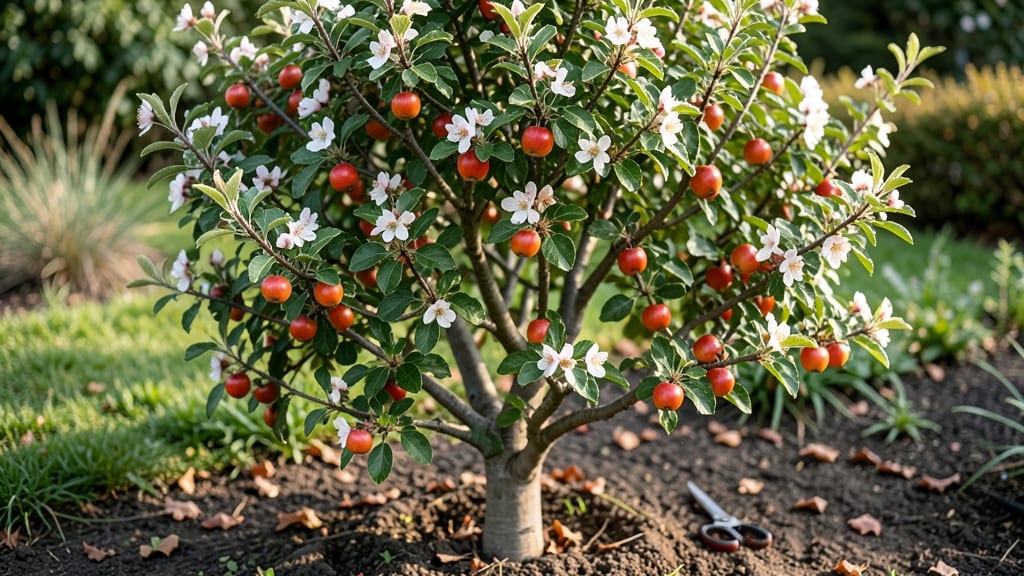
Summer pruning your crabapple tree isn’t just about shaping branches—it’s about setting up a resilient winter skeleton. 🌳 The late-season cuts you make now determine how well your tree handles frost, snow, and next spring’s blossoms.
I’ve learned the hard way that skipping this step means weak branches breaking under winter ice or a sparse bloom season.
This isn’t about heavy pruning—think light, strategic cuts to remove deadwood, crossing branches, and any growth that’s crowding the center. You’ll need sharp pruners, rubbing alcohol for sterilization, and a clear day when the tree isn’t stressed by heat or drought.
The goal is to open up airflow and sunlight penetration without shocking the tree before winter.
What you’ll end up with is a tree that looks healthier by next spring, with fewer broken limbs and more vibrant blooms. The right cuts now mean stronger structure later, and you’ll notice fewer pest hotspots where moisture gets trapped.
Plus, the tree’s energy goes into root growth instead of weak, tangled branches.
Works for any crabapple variety, whether you’ve got a young sapling or a mature tree that’s been in your yard for decades. The key is timing—late summer, after the worst heat waves but before fall pests move in. Let’s get those branches in shape before winter hits.
📚 In This Guide
- What you need
- Instructions
- Tips and common mistakes
- Wrapping up and next steps
What you need
- ● Pruning shears: Bypass pruners (for cuts up to ¾ inch in diameter) – 1 pair (sharp, high-quality, and sterilized to prevent disease).
- ● Loppers: Bypass or anvil type (for branches ¾ inch to 2 inches thick) – 1 pair with long handles (for reach and leverage).
- ● Pruning saw: Curved-tooth saw (for branches over 2 inches thick) – 1 medium-sized (8-10 inches).
- ● Gloves: Heavy-duty, cut-resistant (to protect from thorns and sharp branches) – 1 pair.
- ● Safety glasses: ANSI-rated (to shield eyes from debris) – 1 pair.
- ● Ladder: Sturdy, extendable (if your tree is taller than 6 feet) – 1 (ensure it’s stable and rated for your weight).
- ● Disinfectant: 70% isopropyl alcohol or bleach solution (1 part bleach to 9 parts water) – small spray bottle or cloth.
- ○ Pruning sealant: Optional but recommended (for large cuts over ½ inch) – small bottle (e.g., Tanglefoot Tree Wound Pruning Seal).
- ● Trash bags or bucket: For collecting pruned branches and debris – 1-2 (20+ gallon size).
- ● Work clothes: Long sleeves and pants (to protect from scratches and sun exposure).
- ● Pole pruner: For high branches without a ladder – 1 (extendable, 6-10 feet).
- ● Tree bag or tarp: To collect large debris easily – 1 (with drawstrings).
- ● Sunscreen and hat: For prolonged outdoor work – as needed.
- ● Notebook or app: To sketch your pruning plan or track progress – 1 (e.g., iNaturalist or a simple journal).
How to prune crabapple trees in late summer for stronger winter growth
Late-summer trimming isn't just about shaping—it's about setting your crabapple up for winter survival.
🌿 Step 1: Inspect the Tree for Summer Stress Signs
Start by walking around the tree and scanning the canopy for signs of summer stress. Look for branches with yellowing or brown leaves, which often indicate water stress or disease. I focus on the lower third of the tree first—this is where winter damage often starts.
Run your hand along the bark of medium-sized branches. If you feel soft, spongy spots, that's a sign of canker disease, which will weaken the branch over winter. Healthy bark should feel firm and smooth. Also check for branches growing at sharp angles—these are more likely to split in ice storms.
✂️ Step 2: Remove Dead, Diseased, and Weak Growth
Grab your pruning shears and start with the obvious culprits: any branches that are completely dead (no leaves, no green under the bark when scratched) or showing signs of disease. Cut these back to the main trunk or a healthy lateral branch. I make my cuts just outside the branch collar—the swollen area where the branch meets the trunk—so the tree can seal the wound properly.
Next, remove any branches that are rubbing against each other. These will create open wounds that invite pests and disease. Thin out crowded branches to improve airflow—aim for about 6-8 inches between branches. This spacing helps prevent fungal issues that can kill branches during winter.
☀️ Step 3: Lightly Thin the Canopy for Winter Sun Exposure
Crabapple trees need sunlight to build energy reserves for winter. Step back and look at the tree from all sides—you should see light filtering through the canopy. Remove about 10-20% of the smaller branches from the center to open up the tree. Focus on branches growing inward or downward, as these create dense areas that trap moisture and encourage rot.
For each cut, make sure to leave a lateral branch or bud facing the direction you want new growth to go. If you're unsure, cut just above an outward-facing bud. Avoid cutting more than 25% of the tree's total foliage in one session—this can stress the tree before winter.
⏰ Step 4: Clean Up and Protect the Tree
After pruning, collect all the debris and dispose of it in a sealed bag. Never leave cut branches on the ground—they can harbor pests and diseases that will reinfect your tree. I like to sterilize my pruning tools with rubbing alcohol between cuts to prevent spreading any potential pathogens.
Finally, apply a thin layer of mulch around the base of the tree, keeping it about 3 inches away from the trunk. This helps insulate the roots during winter. Water the tree deeply after pruning to help it recover. You'll know it's getting enough water when the soil feels moist about 6 inches down.
Tips & tricks for perfect crabapple tree summer pruning
Real talk: Late-summer pruning can make or break your crabapple's winter resilience. Here's what nobody tells you—
Inspection is Everything: In Step 1, don't just look—touch. Scratch the bark of suspicious branches with your fingernail. Healthy bark should be green underneath, while diseased bark stays brown. I've seen canker disease spread silently for years until it was too late. Also check for branches growing at angles sharper than 45 degrees—these are prime candidates for winter breakage.
Cutting Technique Matters: When removing branches in Step 2, make your cuts just outside the branch collar—the swollen area where the branch meets the trunk. I've seen too many pruning jobs where cuts were made too close, leaving ugly stubs that never heal properly. For thicker branches, use three-step cuts to prevent tearing: undercut first, then top cut, and finally twist to separate. This prevents bark from ripping.
Canopy Thinning Strategy: In Step 3, focus on removing branches that grow inward or downward—these create dense areas that trap moisture and encourage rot. Think of it like opening a window in a stuffy room: you're improving airflow to prevent fungal issues. Remember the 25% rule: never remove more than that in one session, or you'll stress the tree before winter. I usually aim for about 15-20% to be safe.
Post-Pruning Protection: After cleaning up in Step 4, don't forget the mulch! Apply a 3-inch layer but keep it 3 inches away from the trunk to prevent rot. I've seen mulch piled against trunks cause more problems than it solves. Also, water deeply after pruning—your tree needs to recover from the stress. Check soil moisture 6 inches down with your finger; it should feel damp, not soggy.
Pro Tips for Crabapple Tree Summer
- Real talk: Late-summer pruning can make or break your crabapple's winter resilience. Here's what nobody tells you—
- Inspection is Everything: In Step 1, don't just look—touch. Scratch the bark of suspicious branches with your fingern...
- Cutting Technique Matters: When removing branches in Step 2, make your cuts just outside the branch collar—the swolle...
Frequently asked questions
Got questions about late-season crabapple tree pruning? You’re not alone!
Here are answers to the most common queries—from timing to tools—to help you prep for a resilient winter.
When is the exact best time to prune a crabapple tree in late summer?
The ideal window is mid-to-late August through early September—after the tree finishes fruiting but before new growth hardens off. Avoid pruning after September 15th in most climates, as this can stimulate tender shoots vulnerable to frost damage. Pro tip: Check your USDA hardiness zone; colder regions may need earlier trimming.
Can I prune a crabapple tree in summer if I missed the late-August deadline?
Yes, but with caution! If you skip late summer, wait until dormancy (late fall/winter) to avoid stressing the tree. Summer pruning after September risks sunscald (bark damage) or weak regrowth. If you must prune later, do so before 10 AM on a cloudy day to minimize stress. Warning: Heavy summer cuts can invite pests like borers.
Will pruning in summer affect my crabapple’s fruit next year?
Not if done correctly! Pruning in late summer removes spent wood and redirects energy to next year’s blooms/fruit. Just avoid over-pruning—stick to 10-20% of the canopy to preserve fruit production. Fun fact: Crabapples thrive with open-center pruning for better airflow (and fewer disease issues).
Do I need special tools for summer pruning, or will my loppers work?
Your basic tools (loppers, pruners, saw) are fine, but sterilize them first with rubbing alcohol to prevent spreading fire blight (a common crabapple foe). For thick branches (>2 inches), a pruning saw is a game-changer. Pro move: Sharpen blades before starting—dull tools tear bark, inviting infections.
What if my crabapple tree looks stressed after summer pruning?
Stress is normal, but watch for yellowing leaves, oozing sap, or wilting—signs of over-pruning or disease. Fix it: Water deeply, apply a balanced fertilizer (like 10-10-10), and mulch 2–3 inches around the base. Red flag: If leaves curl or drop rapidly, check for aphids or spider mites (spray with neem oil if needed).
Are there alternatives to late-summer pruning for lazy gardeners?
If timing’s tricky, dormant-season pruning (late winter) works too—just avoid bloom time (Feb–March). For minimalists, focus on:
- Deadwood removal (anytime)
- Thinning crowded branches (improves airflow)
- Light shaping (early spring)
Wrapping up and next steps
Your crabapple tree summer pruning journey is almost complete—and what a difference a little late-season care can make! 🌳 By removing dead wood, shaping for airflow, and prepping for winter, you’ve set your tree up for a healthier, more vibrant future.
The key takeaway? Timing and technique matter! Now’s the perfect moment to admire your handiwork and plan for next year’s growth.
Ready to take it further? Mark your calendar for early spring—another prime time to prune—and keep an eye on your tree’s progress. A little effort now means stunning blooms and fruit for summers to come! 🌸