Planting
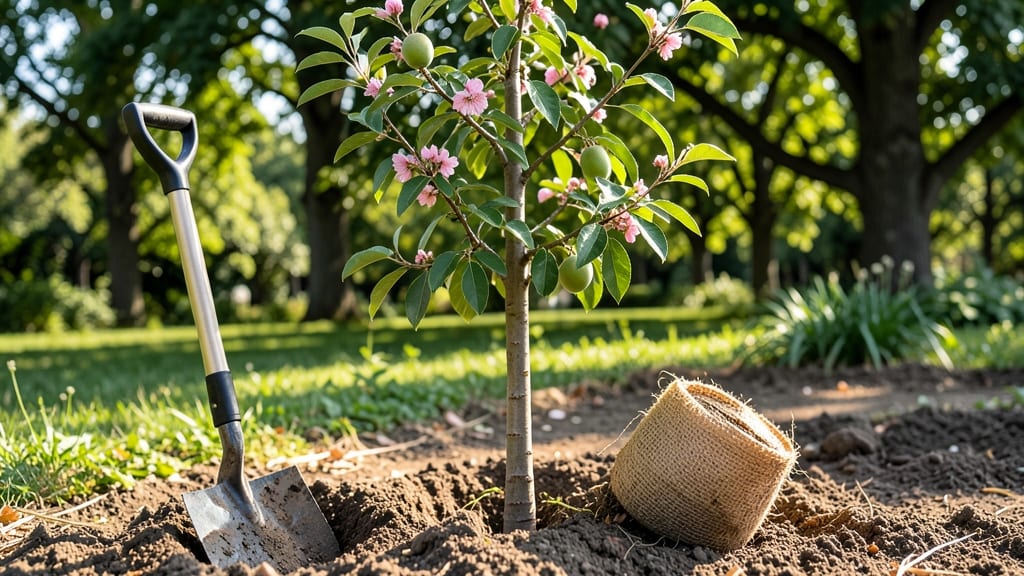
Planting a peach tree the right way guarantees fruit for decades—not just this year. 🌱 I’ve watched trees fail because of one wrong move, and the difference between a thriving orchard and a sad sapling comes down to five key steps.
The best time to plant is early spring or fall, when soil is workable but not frozen, but with the right prep, you can plant almost any season.
You’ll need a 5-gallon container or bare-root tree, a shovel, compost, and mulch—no fancy tools. Dig a hole twice as wide but only as deep as the root ball, then loosen the soil around it with your fingers.
The secret? A slightly raised mound in the center so roots spread instead of sinking into wet soil. Most gardeners skip this, and that’s why their trees struggle.
After planting, water deeply until the soil settles, then add 3 inches of mulch to lock in moisture and block weeds. Within weeks, you’ll see new growth—bright green leaves mean you nailed it.
The first year is about roots, not fruit, so resist the urge to harvest. Patience here pays off with bold, juicy peaches by year three.
Works for dwarf varieties in containers or full-sized trees in the ground. Whether you’re in Zone 5 or 9, these steps adapt—just adjust watering for your climate. Now, let’s get that tree in the ground before the birds steal the show.
📚 In This Guide
- What you need
- Instructions
- Tips and common mistakes
- Wrapping up and next steps
What you need
- ● 1 healthy peach tree sapling (bare-root or potted, 1-2 years old, preferably disease-resistant varieties like Elberta, Redhaven, or J.H. Hale).
- ● High-quality planting soil (well-draining loam with a pH of 6.0–7.0; amend with compost if your soil is heavy or clay-like).
- ● Organic mulch (3–4 inches of wood chips, straw, or pine bark to retain moisture and suppress weeds).
- ● Slow-release fertilizer (10-10-10 or 8-3-9 blend, 1–2 pounds per tree).
- ● Shovel or spade (for digging the planting hole).
- ● Garden trowel (for loosening roots and backfilling soil).
- ● Measuring tape or ruler (to ensure proper depth and spacing).
- ● Gloves (to protect your hands from thorns and soil).
- ● Watering can or hose with a gentle spray nozzle (for thorough watering).
- ● Pruning shears (to trim damaged roots or branches if needed).
- ● Root stimulator gel or powder (to encourage root growth).
- ● Tree stake and soft tie (if planting in windy areas).
- ● Post-hole digger (for amending soil in tight spaces).
- ● Soil pH test kit (to check and adjust acidity if needed).
Step-by-step instructions for planting a peach tree
Here’s my foolproof method for planting a peach tree that thrives year after year.
🪴 Step 1: Choose the Perfect Spot and Dig the Hole
Peach trees need full sun—at least 6-8 hours daily—and shelter from strong winds. I pick a location where the tree gets morning sun and afternoon shade in hot climates. The hole should be twice as wide as the root ball but only as deep—peach trees hate sitting too low, which causes root rot.
Use a shovel to loosen the soil at the bottom of the hole. If your soil is heavy clay, mix in 2-3 inches of compost from the ingredients list to improve drainage. Tap the hole gently after digging to settle the soil—this prevents the tree from sinking later. Here’s the thing—if the hole feels rocky or compacted, dig deeper until you hit loose soil.
🌱 Step 2: Prepare the Tree and Backfill Carefully
Remove the peach tree from its container and gently loosen the roots if they’re circling. You’ll see this often with nursery-grown trees. I like to tease the roots apart with my fingers—just enough to encourage outward growth. Place the tree in the hole so the top of the root ball sits level with the surrounding soil (not buried deeper).
Backfill with the native soil you dug out, tamping lightly every 6 inches to remove air pockets. Water the tree deeply as you fill, letting the soil settle naturally. The goal is to create a snug fit around the roots without compacting them. If the soil settles too much, add a little more—you want the tree stable but not suffocated.
☀️ Step 3: Water Deeply and Mulch for Retention
After planting, water the tree slowly and deeply—about 1-2 gallons—until the soil is moist 12 inches down. This helps the roots establish quickly. I use a hose with a gentle spray nozzle to avoid eroding the soil around the base. Let the water soak in completely before moving to the next step.
Spread 3-4 inches of mulch (like wood chips or straw) in a 3-inch-wide ring around the tree, keeping it 6 inches away from the trunk. Mulch locks in moisture and regulates soil temperature. Real talk: Too much mulch touching the trunk can cause rot, so leave that space clear. Water again lightly after mulching to settle everything in place.
⏰ Step 4: Stake and Prune for Strong Growth
If your peach tree is young or top-heavy, drive a 4-6 foot stake into the ground 6 inches away from the trunk at a 45-degree angle. Tie the tree loosely to the stake with soft fabric strips (like old T-shirts)—never wire, which can cut into the bark. The stake should support the tree without restricting its movement as it grows.
Prune any broken or crossing branches with clean, sharp pruners, cutting just above a bud or branch junction. Remove about one-third of the foliage if the tree looks stressed from transplanting. This might seem counterintuitive, but it helps the tree focus energy on root growth. You’ll see new, vigorous shoots emerge in 4-6 weeks—that’s your sign it’s recovering well.
🌿 Step 5: Monitor and Maintain Through the Seasons
Water the tree once a week for the first month, then taper to every 2 weeks once established (unless it’s extremely dry). Peach trees are drought-tolerant but need consistent moisture when young. Check soil moisture by sticking your finger 2 inches deep—if it’s dry, water deeply. Overwatering now leads to root rot later.
In late winter or early spring, fertilize with a balanced fruit-tree fertilizer (like 10-10-10) to encourage blooms. Avoid heavy nitrogen in the first year—it promotes leafy growth at the expense of fruit. Watch for pests like aphids or peach tree borers; a neem oil spray keeps them at bay naturally. With this care, your tree will bear fruit in 2-3 years—and you’ll have the best peaches on the block.
Tips & tricks for planting a peach tree like a pro
These little details make all the difference between a struggling sapling and a thriving fruit-bearing tree.
Sunlight Strategy: The 6-8 hours of daily sun is non-negotiable, but here's what I've learned: morning sun is your best friend, especially in hot climates. If you're planting in a windy area, position the tree on the leeward side of a fence or building. I've seen trees planted in full afternoon sun struggle—leaves get scorched, and the tree diverts energy to shade protection instead of root growth. Also, avoid planting near large trees that will compete for sunlight and nutrients.
Root Ball Rescue: When you remove that peach tree from its container, you'll often find roots circling like a snake. This is called "pot-bound" and happens in nursery-grown trees. Gently tease these roots apart with your fingers—don't force them, just encourage them to spread outward. I use a technique called "root pruning" where I trim any roots that are more than 6 inches long. This might seem drastic, but it prevents root shock and encourages a more robust root system to develop after planting.
Watering Wisdom: Those 1-2 gallons of water in Step 3 aren't just about quantity—they're about technique. I've planted dozens of trees, and the ones that fail always have one thing in common: poor watering habits. Use a hose with a gentle spray nozzle to avoid creating channels in the soil. The goal is to moisten the soil evenly to that 12-inch depth. A good test is to stick your finger 2 inches down—if it comes out dry, you need more water. And here's a pro move: after your initial deep watering, let the soil settle for 10 minutes, then water again. This helps eliminate air pockets that can suffocate new roots.
Mulch Mastery: The 3-4 inches of mulch you spread isn't just decoration—it's a moisture and temperature regulator. I always use wood chips because they break down slowly and improve soil structure over time. The key is placement: keep that mulch 6 inches away from the trunk to prevent rot. I've seen people pile mulch right against the bark, and within weeks, you get fungal issues. Also, avoid using fresh grass clippings or leaves—they can compact and create a barrier that roots can't penetrate. Think of mulch as a living blanket for your tree's roots.
Pro Tips for Best Way To Plant A Peach Tree
- These little details make all the difference between a struggling sapling and a thriving fruit-bearing tree.
- Sunlight Strategy: The 6-8 hours of daily sun is non-negotiable, but here's what I've learned: morning sun is your be...
- Root Ball Rescue: When you remove that peach tree from its container, you'll often find roots circling like a snake. ...
Frequently asked questions
Got questions about planting your peach tree? You’re not alone! Here are answers to the most common queries—so you can plant with confidence and watch your tree thrive.
When is the best time to plant a peach tree?
Plant your peach tree in early spring (after the last frost) or late fall (6-8 weeks before the first frost). Avoid planting in extreme heat or cold, as roots need time to establish. Spring planting gives your tree a head start for its first growing season!
Can I plant a peach tree in winter?
While bare-root peach trees can be planted in dormant winter months (if the ground isn’t frozen), it’s riskier than spring/fall. If you must plant in winter, choose a mild day, water thoroughly, and mulch heavily to protect roots. Pro tip: Wait for spring if possible!
How deep should I plant a peach tree?
The root flare (where roots meet the trunk) should sit 1-2 inches above ground level. Planting too deep can suffocate roots, while planting too shallow exposes them to drying out. Backfill with native soil (avoid amended soil) and gently tamp it down to eliminate air pockets.
Why are my peach tree’s leaves yellowing after planting?
Yellow leaves often signal transplant shock or overwatering. Ensure proper drainage, water deeply but infrequently (1-2 times/week), and avoid fertilizing for 4-6 weeks. If yellowing persists, check for pests (like aphids) or nutrient deficiencies (test soil pH if needed).
How long until my peach tree bears fruit?
Peach trees typically take 3-5 years to bear fruit, depending on variety and growing conditions. Dwarf varieties may fruit sooner (2-3 years), while standard trees take longer. Patience pays off—healthy trees reward you with sweet peaches for decades!
Do peach trees need full sun?
Yes! Peach trees thrive in 6-8+ hours of direct sunlight daily. Plant in a spot with minimal shade, especially in cooler climates. Partial shade can reduce fruit production and increase disease risk. Pro tip: South-facing locations are ideal in the Northern Hemisphere!
Wrapping up and next steps
Planting a peach tree is a rewarding journey that combines patience with the joy of nurturing life.
By choosing the right variety, preparing the soil, and following proper spacing and care techniques, you’ll set the stage for a thriving fruit tree. Remember: consistency is key—whether you’re planting in spring, fall, or even winter! 🌱
Now that you’re armed with the best way to plant a peach tree, why not take the next step? Check out our guide on ongoing maintenance to ensure your tree grows strong and produces sweet, juicy peaches for years to come. Happy planting! 🌳✨