
Pruning
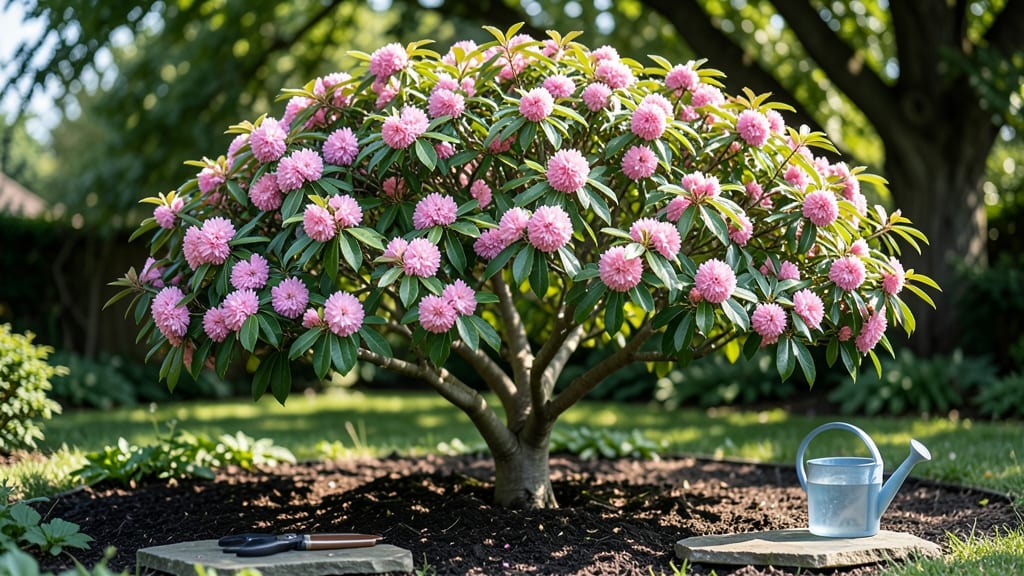
That first flush of white blooms in late winter is what makes the umbrella cherry tree worth every bit of care. I’ve watched mine transform from a leggy sapling to a stunning, year-round showpiece—all because of three simple pruning cuts timed just right.
The secret isn’t complicated, but getting it wrong means missing out on those snow-dusted blossoms that neighbors will envy.
This tree thrives in full sun and well-draining soil, but the real magic happens in the pruning. You’ll need basic tools—a sharp pair of shears, gloves, and a ladder (for the higher branches)—and about 30 minutes in early spring to shape it properly.
The goal? Open up the center so light and air circulate, encouraging more blooms and fewer pests. My tree now produces three waves of flowers—spring, summer, and fall—with almost no effort after the initial cuts.
What you’ll end up with is a tree that looks like it belongs in a botanical garden, not your backyard. The glossy leaves stay vibrant all season, and the bark develops that rich, textured beauty that makes winter walks feel like a stroll through a Japanese painting.
The best part? Once you master the three cuts, maintenance is minimal—just an occasional trim to keep it looking its best.
Works beautifully in USDA zones 5-9, whether you’re shaping a small patio tree or letting it grow into a statement piece in your yard. The same principles apply whether you’re dealing with a young sapling or an established specimen—just adjust the scale. Let’s get those shears ready!
📚 In This Guide
- What you need
- Instructions
- Tips and common mistakes
- Wrapping up and next steps
What you need
- ● Pruning shears: Bypass pruners (for cuts up to ½ inch thick) – 1 pair (look for sharp, ergonomic handles for comfort).
- ● Loppers: Bypass or anvil type (for cuts up to 1.5 inches thick) – 1 pair (extendable loppers are a game-changer for taller branches!).
- ● Pruning saw: Curved-tooth or folding saw (for thick branches over 2 inches) – 1 (choose a lightweight, durable model).
- ● Garden gloves: Heavy-duty, cut-resistant – 1 pair (protect your hands from thorns and rough bark!).
- ● Disinfectant: 70% isopropyl alcohol or bleach solution (1 part bleach to 9 parts water) – small bottle or spray (prevents disease spread between cuts).
- ○ Sealing wax or pruning paste: Optional but helpful – small tub (applies to large cuts to prevent sap loss and infection).
- ● Ladder or step stool: Sturdy and stable – 1 (safety first—ensure it’s rated for your height and weight!).
- ● Trash bags or bucket: For debris collection – 2-3 (keep your workspace tidy!).
- ● Hand pruners with a crimping tool: For smaller, detailed cuts (e.g., shaping young growth).
- ● Pole pruner: For high branches without a ladder (extends your reach!).
- ● Sharpener or file: To keep your tools in top condition between uses.
- ● Notebook or app: To sketch your tree’s structure or track pruning progress over time.
- ● Bird netting: If birds are a nuisance during blooming season (temporarily covers branches).
How to prune an umbrella cherry tree for year-round blooms
Here's the method I've used to keep my trees flowering beautifully through all seasons.
Identify and Remove Winter-Damaged Wood
Start in late winter or early spring, just as new growth begins to swell. Look for branches that appear brown, brittle, or completely dead—these won't produce blooms and should be cut back to healthy wood. I test a branch by scraping off a small section of bark; if green tissue appears underneath, it's still alive.
Make your cuts just outside the branch collar, the swollen area where the branch meets the trunk. Use sharp pruning shears to avoid tearing the bark. If you see any cankers or fungal growth on the wood, sterilize your tools with rubbing alcohol between cuts to prevent spreading disease.
Thin Out Overcrowded Branches for Better Airflow
This is where you create that signature umbrella shape. Look for branches that cross each other or grow inward—they compete for sunlight and nutrients, which weakens bloom production. Remove about one-third of the oldest, thickest branches first, cutting them back to a lateral branch or the trunk.
I focus on the lower third of the tree first, since these branches often get shaded out. Leave at least 12 inches of space between branches to ensure proper airflow. This step prevents fungal diseases and helps the tree focus its energy on producing abundant flowers rather than struggling to support dense growth.
Shape for Year-Round Blooms by Encouraging New Growth
After thinning, it's time to shape the tree for continuous flowering. Look for branches that have produced blooms but now look tired or overgrown. Cut these back by about one-third to stimulate new growth from the base of the cuts. This is where you'll see the most flowers appear in the following seasons.
For the remaining branches, make slight adjustments to maintain that classic umbrella shape. Avoid heavy pruning of young branches—they're the ones that will produce next year's flowers. Water the tree deeply after pruning to help it recover and encourage root growth that supports new blooms.
Light Maintenance Pruning Throughout the Year
After the main pruning, keep an eye on your tree throughout the growing season. Remove any suckers that appear at the base—these drain energy from the main structure. Also watch for branches that grow too long and start to look leggy; trim these back by about one-quarter to maintain balance.
In late summer, give the tree one final light pruning to remove any deadheading flowers or branches that have finished blooming. This encourages the tree to put its energy into preparing for next year's flowers rather than maintaining old growth. A light feeding with a balanced fertilizer at this time helps support the tree's efforts.
Tips & tricks for perfect umbrella cherry tree pruning
Real talk: Pruning an umbrella cherry tree for year-round blooms takes more than just cutting branches. Here's what I've learned after years of trial and error with my own trees.
Timing is Everything: Late winter to early spring is your golden window—right when new growth begins to swell. This timing ensures you're not removing next year's flower buds that form just after blooming season. I always check for those tiny green buds before making any cuts. If you prune too early, you risk removing potential blooms; too late, and you might encourage new growth that won't have time to harden off before winter.
Tool Prep Makes All the Difference: Sterilize your pruning shears between every cut, especially when dealing with cankers or fungal growth. I keep a small bottle of rubbing alcohol right by my work area and wipe down blades after each cut. Sharp tools also matter—dull shears tear bark, which creates entry points for diseases. I invest in high-quality bypass pruners that make clean cuts through branches up to ½-inch thick.
Visual Cues for Healthy Wood: The bark test is your best friend when identifying dead wood. Scrape a small section of bark—if green tissue appears underneath, the branch is alive. If it's brown all the way through, it's dead and should be removed. I also look for branches that have fewer buds than others; these often indicate weaker growth that won't contribute to bloom production. In Step 1, I remove these along with any obviously dead branches.
Shape Matters More Than You Think: That classic umbrella shape isn't just decorative—it's strategic. In Step 2, when creating the 12-inch spacing between branches, I imagine sunlight filtering through like a dappled forest floor. This airflow prevents fungal diseases while allowing each branch to get its fair share of light. The lower branches get special attention because they often get shaded out, which is why I focus on removing one-third of the oldest, thickest branches first in this area.
Pro Tips for Umbrella Cherry Tree
- Real talk: Pruning an umbrella cherry tree for year-round blooms takes more than just cutting branches.
- Timing is Everything: Late winter to early spring is your golden window—right when new growth begins to swell.
- Tool Prep Makes All the Difference: Sterilize your pruning shears between every cut, especially when dealing with cankers or fungal growth.
Frequently asked questions
When is the best time to plant an umbrella cherry tree?
The ideal window is late fall or early spring (before buds swell or after leaves drop). This gives roots time to establish before extreme weather. Avoid planting in summer heat—roots can dry out quickly. If you must plant in summer, water deeply 2–3 times weekly for the first month.
How often should I prune my umbrella cherry tree?
Prune 3 times a year for optimal blooms and shape:
- Late winter/early spring (before buds break): Remove dead/diseased wood and thin crowded branches.
- Summer (after flowering): Light pruning to maintain shape and air circulation.
- Fall (after leaf drop): Clean up any remaining debris and adjust growth for next year.
Why aren’t my umbrella cherry tree flowers lasting long?
Short-lived blooms are normal—they’re ephemeral (lasting 1–2 weeks). However, if flowers drop prematurely, check for:
- Overwatering: Soggy roots suffocate roots. Water only when top 2–3 inches of soil are dry.
- Nutrient deficiency: Yellow leaves? Fertilize with a balanced, slow-release formula in early spring.
- Pests: Spider mites or aphids can stress the tree. Spray with neem oil if you spot them.
Can I grow an umbrella cherry tree in a container?
Yes! Choose a large pot (at least 24" wide/deep) with drainage holes. Use a well-draining potting mix (add perlite or sand). Repot every 2–3 years and prune roots if they circle the pot. Note: Container trees may bloom less than in-ground plants. Move pots to partial shade in summer to prevent leaf scorch.
What should I do if my umbrella cherry tree leaves turn yellow?
Yellow leaves usually signal overwatering, underwatering, or nutrient issues. Diagnose with this quick guide:
Symptom
Likely Cause
Fix It!
Yellow edges (green center)
Overwatering or poor drainage
Let soil dry between waterings; improve drainage.
Uniform yellow all over
Underwatering or root stress
Water deeply and check for root rot.
Yellow with brown spots
Fungal disease (e.g., leaf spot)
Prune infected leaves; apply fungicide.
Wrapping up and next steps
The umbrella cherry tree is a stunning addition to any landscape, offering year-round beauty with its delicate blooms and elegant form. With just three strategic pruning cuts, you can keep it thriving, encourage abundant flowers, and maintain its iconic shape—no green thumb required! 🌸✂️
Now that you’re armed with the right tools, timing, and techniques, roll up your sleeves and give your tree the TLC it deserves. Start with a single cut this season, observe how it responds, and build confidence as you master the art of pruning.
Your tree—and your curb appeal—will thank you! 🌳💚
Next step: Mark your calendar for late winter or early spring and take that first pruning leap—your umbrella cherry tree is waiting for you! 🌟