Pruning
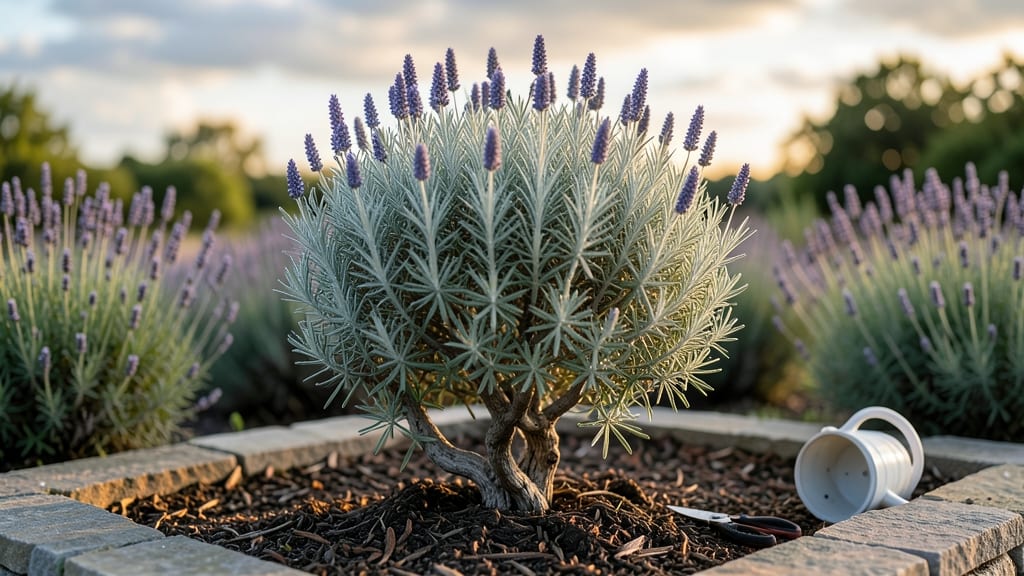
Growing a twisted lavender tree in the Pacific Northwest means defying frost with every pruning cut. I’ve nursed these dramatic shrubs through our damp, chilly winters—here’s how to shape them into living sculptures that thrive year-round.
The key isn’t just trimming; it’s understanding when to coax new growth and when to protect what’s already there.
You’ll need sharp pruners, a sturdy ladder (for taller specimens), and a clear morning to work—cloudy days prevent stress on fresh cuts. Start with late winter pruning to remove dead wood before new shoots emerge, then repeat in early summer to refine the twisted silhouette.
The soil should drain like a sandy loam, and containers need extra grit to prevent soggy roots that invite rot.
What you’ll end up with is a year-round focal point—silver-blue foliage that turns golden in frost, fragrant blooms in summer, and branches that twist like nature’s own bonsai.
Even in Zone 8, these trees stay compact enough for small gardens or large pots, and their drought tolerance makes them low-maintenance once established.
Here’s where it gets interesting—pruning too late in the season risks frost damage to tender new growth, while over-trimming in summer can leave them vulnerable to pests. We’ll cover the exact timing and techniques that keep your twisted lavender tree looking intentional, not stressed. Let’s get those shears ready.
📚 In This Guide
- What you need
- Instructions
- Tips and common mistakes
- Wrapping up and next steps
What you need
- ● Lavender plant: A mature, healthy Lavandula variety (e.g., 'Grosso' or 'Hidcote'), ideally 3–5 years old with established branches.
- ● Pruning shears: Bypass-style, sharp, and sterilized (alcohol wipe recommended). Avoid anvil shears—they crush stems!
- ● Hand pruners: For finer cuts on smaller branches (1/8"–1/4" diameter).
- ● Rubbing alcohol (70%+) or bleach solution: 1 part bleach to 10 parts water for sterilizing tools between cuts.
- ○ Horticultural pruning sealant: (Optional but helpful) To prevent sap loss on larger cuts (e.g., Tanglefoot Pruning Seal).
- ● Garden twine or soft wire: (3–5 ft) For temporary support if branches are heavy or weak.
- ● Gloves: Heavy-duty gardening gloves to protect from thorns and sap.
- ● Watering can or hose with gentle spray nozzle: For post-pruning hydration.
- ● Mulch: 2–3 inches of organic mulch (e.g., straw or pine needles) to insulate roots for frost resistance.
- ● Wire cutters: If using aluminum or copper wire for shaping.
- ● Root stimulator: (e.g., Mycorrhiza) To boost recovery after heavy pruning.
- ● Frost cloth: Lightweight fabric to protect newly pruned plants during late frosts.
- ● Notebook & pencil: To sketch your pruning plan before making cuts!
- ● Pruning saw: Only if dealing with thick, woody stems (>1/2" diameter).
Step-by-Step guide for pruning a twisted lavender tree in the Pacific Northwest
Here's how to keep your lavender compact, frost-hardy, and stunning through our rainy winters.
Time Your Pruning for Frost Resistance
Prune your twisted lavender tree in late winter or early spring, just as new growth begins but before the first flush of leaves. This timing ensures you remove old wood while leaving fresh growth to harden off against Pacific Northwest frosts. Avoid pruning in fall—new growth won't have time to mature before winter, making it vulnerable to cold damage.
Look for tender green shoots at the base of stems as your cue. These indicate the plant is waking from dormancy but hasn't yet sent out full leaves. In the PNW, this typically happens in February or March, depending on your microclimate. Warmer coastal areas may need to wait until late March, while inland valleys can prune as early as February.
Shape with Precision Cuts for Structure
Use sharp, clean pruners to make 45-degree angled cuts just above a leaf node or lateral branch. The angle helps water run off the cut, preventing rot—a critical consideration in our damp climate. Never leave stubs, as they invite disease. For twisted lavender, focus on maintaining the natural spiral shape while thinning out congested areas where branches cross.
Step back frequently to assess the overall form. You want to preserve the tree's signature twisted silhouette while opening up the center for better air circulation. This prevents fungal issues that thrive in our humid summers. Remove any dead or diseased wood immediately—it won't regrow and can spread problems to healthy branches.
Control Growth for Pacific Northwest Conditions
Reduce the previous year's growth by about one-third to encourage dense, bushy growth that better withstands our wet winters. For twisted lavender, this means cutting back the longest stems to just above a strong lateral branch. The goal is to maintain the tree's compact form while preventing it from becoming too leggy during our long, cool growing season.
Pay special attention to the top of the tree where new growth emerges. If you see shoots growing straight up rather than spiraling, they'll need to be redirected or removed. Lavender responds well to pruning, so don't be afraid to be bold—it'll reward you with thicker, more frost-resistant growth. After pruning, water deeply to help the plant recover, especially if we're in a dry spell.
Post-Pruning Care for Frost Protection
Apply a 2-inch layer of mulch around the base of your twisted lavender tree, keeping it several inches away from the trunk. This insulates roots against our unpredictable PNW winters while retaining moisture during summer droughts. Use organic mulch like wood chips or straw, which will break down and improve soil structure over time.
Monitor your tree closely after pruning. New growth should appear within 3-4 weeks, signaling the plant is recovering well. If you notice any yellowing leaves or stunted growth, it may indicate over-pruning or stress. In that case, reduce watering slightly—lavender prefers dry conditions and can handle some drought better than soggy roots.
Tips & tricks for pruning a twisted lavender tree
Working with twisted lavender in the Pacific Northwest means balancing artistry with resilience—here's how to get it right without losing that signature shape.
Timing is Everything: That February or March window is non-negotiable for PNW frost resistance. If you're in a particularly cold microclimate, err on the earlier side of February—new growth needs at least 6-8 weeks to harden before our first frosts. I've seen lavender stressed by late pruning when winter hits unexpectedly. Check for those tender green shoots at the base first—they're your green light to prune.
The 45-Degree Cut Technique: This isn't just about aesthetics—those angled cuts prevent water pooling that leads to rot in our damp climate. Use a sharp pruner and make the cut just above a leaf node where new growth will emerge. For stubborn branches, I like to make a small notch in the underside of the cut first—it helps guide the blade and gives you cleaner cuts every time. The spiral shape should remain obvious after pruning; if it doesn't, you've cut too much from one side.
One-Third Rule with Purpose: That one-third reduction isn't arbitrary—it's about maintaining the tree's natural density while encouraging bushier growth that handles our wet winters better. Focus on the longest stems first, cutting back to strong lateral branches. In Step 3, if you see shoots growing straight up instead of following the spiral, trim them completely—they'll compete with the twisted growth pattern you want to preserve.
Mulch Matters More Than You Think: That 2-inch layer of organic mulch isn't just decoration—it's your first line of defense against PNW's temperature swings. Wood chips work best because they break down slowly, improving soil structure over time. I always keep mulch 2-3 inches away from the trunk to prevent rot. After applying, give the base a gentle watering to help settle the mulch and encourage root growth.
Pro Tips for Twisted Lavender Tree
- Working with twisted lavender in the Pacific Northwest means balancing artistry with resilience—here's how to get it ...
- Timing is Everything: That February or March window is non-negotiable for PNW frost resistance. If you're in a partic...
- The 45-Degree Cut Technique: This isn't just about aesthetics—those angled cuts prevent water pooling that leads to r...
Frequently asked questions
Got questions about pruning your Twisted Lavender Tree in the Pacific Northwest? You’re not alone!
Here are some of the most common concerns—plus expert answers to keep your frost-resistant beauty thriving year after year.
When is the best time to prune a Twisted Lavender Tree in the PNW?
The ideal window is late winter to early spring (February–March), just as new growth begins but before buds swell. Avoid pruning in fall—this frost-sensitive tree needs time to harden off. Pro tip: If you miss the window, a light trim in early summer (post-flowering) is better than none!
How cold can a Twisted Lavender Tree tolerate before pruning?
This variety handles down to 10°F (-12°C) with proper care, but prune after hard frosts (typically January–February). If temps drop below 10°F, wait until spring to avoid stressing the plant. Pro tip: Mulch heavily in winter to protect roots!
Can I shape my Twisted Lavender Tree like a traditional topiary?
Yes! But go slow and gentle—this tree thrives on controlled shaping. Use hand pruners for delicate twists, and avoid heavy cuts (never remove more than 1/3 of the foliage at once). Pro tip: Sketch your design first to avoid over-pruning!
What should I do if my Twisted Lavender Tree looks leggy or sparse?
Leggy growth often means it’s over-pruned or underfed. Trim back 1/3 of the longest stems to encourage bushiness, and fertilize lightly with low-nitrogen, high-phosphorus mix in spring. Pro tip: Deadhead spent blooms to redirect energy to new growth!
Are there frost-resistant alternatives if Twisted Lavender struggles in my microclimate?
Try these PNW-friendly swaps:
- Dwarf Russian Sage (Perovskia atriplicifolia) – Handles 0°F (-18°C) and thrives in poor soil.
- Oregon Grape (Mahonia aquifolium) – Evergreen, drought-tolerant, and cold-hardy to -20°F.
- Sea Thrift (Armeria maritima) – Salty-air resistant and blooms all summer.
Pro tip: Check your USDA Hardiness Zone to match plants to your local frost risks!
Wrapping up and next steps
The twisted lavender tree isn’t just a stunning addition to your Pacific Northwest garden—it’s a low-maintenance, frost-hardy masterpiece that thrives with the right care. By mastering the pruning blueprint shared here, you’ll ensure its unique shape, fragrance, and resilience for years to come.
Now’s the perfect time to roll up your sleeves and give your tree the attention it deserves!
Ready to take action? Grab your pruners and schedule a session during early spring or late winter—before new growth begins. Watch your twisted lavender tree flourish with every careful cut! 🌿✂️