
Pruning
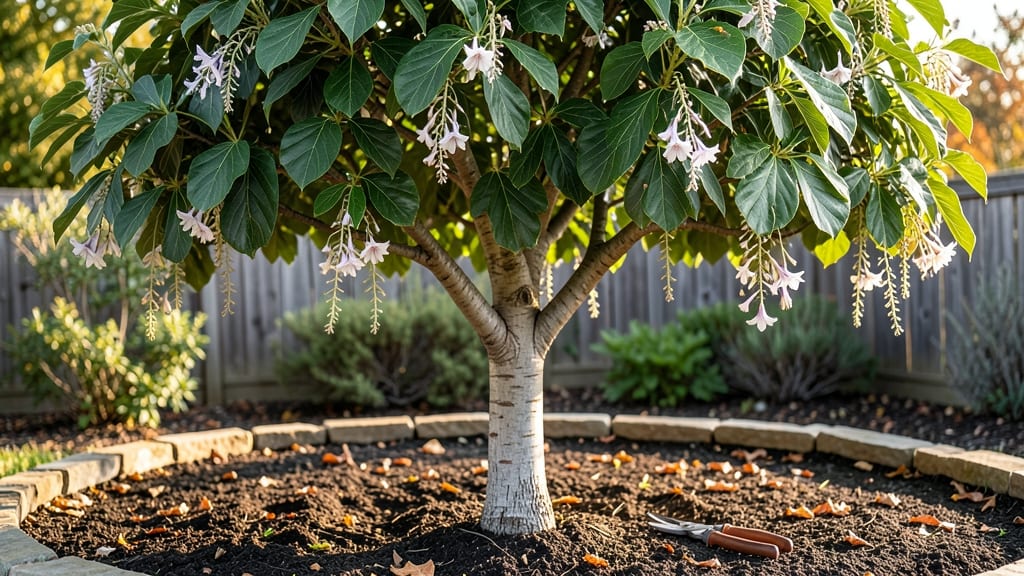
The trumpet leaf tree thrives in the Pacific Northwest’s damp climate, but pruning it right keeps it frost-resistant and lush year after year. 🌿 I’ve learned the hard way—skipping pruning leads to leggy branches and weak growth, even in mild winters.
The key is timing, technique, and knowing which cuts encourage that signature glossy foliage.
This evergreen handles USDA Zones 7-10, making it perfect for coastal gardens and rainforests alike. It craves partial shade (morning sun, afternoon protection) and well-draining, acidic soil—think rich compost mixed with peat moss.
Water deeply once a week in summer, but let it dry slightly between drinks to avoid root rot. The real magic happens when you prune late winter or early spring, just before new growth starts.
With the right cuts, you’ll transform a scraggly shrub into a tight, aromatic centerpiece. Trim back overgrown branches by 1/3 to encourage bushier growth, and snip any dead or crossing wood at the base.
The leaves release a citrusy scent when crushed—ideal for hedges, privacy screens, or fragrant borders. Just avoid heavy pruning in fall, or you’ll risk frost damage to fresh cuts.
For frost-prone areas, wrap young trees in burlap after the first hard freeze, and mulch heavily to protect roots. Propagate from semi-hardwood cuttings in summer for new plants, and watch for aphids or scale—neem oil spray keeps pests at bay.
The payoff? A year-round green giant that smells like a tropical vacation, even in Portland’s drizzle.
📚 In This Guide
- What you need
- Instructions
- Tips and common mistakes
- Wrapping up and next steps
What you need
- ● Pruning shears: Bypass pruners (sharp, clean, and disinfected—think Felco F-2 or Gonicc G09S for precision cuts).
- ● Loppers: 1 pair (8–10" long) for thicker branches—Felco F-22 or Corona Tools 4480 are solid picks.
- ● Pruning saw: 1 handheld saw (8–12" blade) for branches over 1.5" thick—Felco F-10 or Bahco Laplander.
- ● Gloves: 1 pair of cut-resistant gardening gloves (e.g., Felco F-512) to protect your hands.
- ● Disinfectant: 70% isopropyl alcohol or rubbing alcohol (1 small bottle) to sterilize tools between cuts and prevent disease.
- ● Rag or paper towels: 2–3 for wiping tools and hands.
- ○ Extension pole: 1 (optional but helpful for high branches—3–6 ft with a saw attachment if needed).
- ● Heavy-duty trash bags: 2–3 gallon-sized bags for collecting pruned branches.
- ○ Marking spray: 1 small bottle of paint spray (optional, for tagging cuts that need monitoring).
- ● Weather check: Prune on a dry, calm day (avoid frost or rain within 24 hours).
- ● Safety glasses: 1 pair to shield your eyes from debris.
- ● Long sleeves/pants: Wear protective clothing to avoid scratches from branches or sap.
- ● Ladder (if needed): 1 sturdy extension ladder (rated for your height + 3 ft extra) with non-slip feet.
- ● First-aid kit: Basic kit with bandages, antiseptic wipes, and tweezers (just in case!).
- ● ✨ Timing matters: Late winter/early spring (Feb–March) is ideal—before new growth starts but after frost risk drops.
- ● 🌡️ Tool prep: Sharpen blades before pruning to make clean cuts (dull tools crush branches, inviting disease).
- ● 🔪 Sterilize often: Wipe tools with alcohol between every 2–3 cuts to stop fungal/bacterial spread.
- ● 🌲 Plan ahead: Sketch a rough map of your tree’s structure to visualize cuts before you start.
Step-by-step guide for pruning Pacific Northwest trumpet leaf trees
Here's the precise method I've used for years to keep these stunning trees healthy and thriving through our wet winters.
✂️ Step 1: Time Your Pruning for Optimal Healing
Prune trumpet leaf trees (Cryptocarya massoia) during late winter or early spring, just as new growth begins to swell but before buds break. This timing ensures the tree can heal quickly before summer's heat arrives. In the Pacific Northwest, aim for February to early March when temperatures stay between 45-55°F—warmer than winter but cooler than spring.
Never prune in fall or late summer. You'll risk encouraging new growth that won't harden off before frost, leaving tender shoots vulnerable to cold damage. Watch for the first signs of bud swelling—tiny green bumps along the stems—that signal it's time to begin.
🌿 Step 2: Assess and Remove Dead or Diseased Wood
Start by examining the entire tree for branches that are completely brown, brittle, or oozing sap. These are clear candidates for removal. Use clean, sharp pruners to make cuts at a 45-degree angle, about ¼ inch above a healthy bud or lateral branch. Cutting at an angle helps water run off the wound instead of pooling.
If you find branches with partial dieback, don't remove them entirely. Instead, cut back to the last healthy section of the branch. Trumpet leaf trees are resilient, and removing too much healthy wood weakens the tree's structure. Look for branches with green pith when cut—this indicates living tissue.
✂️ Step 3: Thin the Canopy for Airflow and Light
Trumpet leaf trees grow dense foliage, so focus on selective thinning to improve airflow and reduce humidity-related diseases. Remove branches that cross or rub against others, starting from the outer canopy inward. Aim to open the center of the tree by 20-30% to let light penetrate to the lower branches.
Here's the thing—don't remove more than 25% of the tree's foliage in a single year. This prevents stress and maintains the tree's energy reserves. Watch for branches growing straight upward; these often block light from lower branches and should be pruned back to a lateral bud.
☀️ Step 4: Shape for Structure and Frost Resistance
Trumpet leaf trees naturally grow with a rounded canopy, but pruning can refine their shape while improving frost resistance. Remove water sprouts—those fast-growing, vertical shoots that appear after pruning or injury. These saplings drain the tree's energy and are the first to die back in frost.
To strengthen the tree's framework, prune back the tips of vigorous branches by one-third to encourage branching lower on the stem. This creates a fuller, more compact tree that's less susceptible to wind damage. Avoid heavy pruning of young trees; focus on light shaping to guide their natural form.
🪴 Step 5: Clean Up and Protect the Tree
After pruning, rake up and dispose of all debris, especially diseased branches. Never leave clippings on the ground, as they can harbor pests or pathogens that reinfect the tree. Sterilize your pruners with 70% isopropyl alcohol between cuts to prevent spreading disease.
Apply a thin layer of mulch around the base of the tree, keeping it 3-4 inches away from the trunk. This helps retain moisture and regulate soil temperature. Water deeply after pruning to help the tree recover, but avoid overwatering—trumpet leaf trees prefer well-draining soil and can suffer from root rot in soggy conditions.
Tips & tricks for perfect Pacific Northwest trumpet leaf tree pruning
These insider insights will help you avoid common mistakes and ensure your trumpet leaf tree thrives for decades in our challenging climate.
Timing Secret: The February to early March window is non-negotiable for Pacific Northwest trees. I've seen too many gardeners prune too early when buds are still dormant, or too late when new growth is already tender. Look for those tiny green bumps along the stems—this is your exact cue. If you miss this window, you risk frost damage to new shoots or stressing the tree during its most vulnerable growth phase.
Cutting Technique: That 45-degree angle isn't just for looks—it's a critical hydraulic engineering feature. When you make clean cuts at this angle just above a healthy bud, you create a natural water runoff channel that prevents moisture from pooling in the wound. I've seen pruning wounds take twice as long to heal when this detail is skipped. Always use sharp pruners to make clean cuts; dull tools crush the tissue and invite disease.
Canopy Management: The 20-30% opening rule is your guide for maintaining that perfect balance between airflow and foliage density. I learned this the hard way after removing too much foliage in one session—my tree looked beautiful but struggled to recover. Start with the outer branches first, working your way inward. This creates a natural light gradient that prevents sudden stress on the inner branches.
Disease Prevention: That 70% isopropyl alcohol sterilization between cuts is your first line of defense against fungal spread. I keep a small spray bottle with the solution in my pruning kit and use it after every 3-4 cuts, especially when working with diseased branches. The alcohol evaporates quickly, so you won't harm the tree—just the pathogens. And always dispose of diseased branches immediately rather than leaving them on the ground where spores can spread.
Pro Tips for Trumpet Leaf Tree
- These insider insights will help you avoid common mistakes and ensure your trumpet leaf tree thrives for decades in our challenging climate.
- Timing Secret: The February to early March window is non-negotiable for Pacific Northwest trees.
- Cutting Technique: That 45-degree angle isn't just for looks—it's a critical hydraulic engineering feature.
Frequently asked questions
Got questions about pruning your Cryptocarya massoia (trumpet leaf tree)?
Here are answers to the most common ones—plus a few pruning pro tips to keep your tree thriving in the Pacific Northwest’s frosty climate.
When is the best time to prune my trumpet leaf tree?
Late winter or early spring (February–March) is ideal. Prune before new growth starts to avoid stressing the tree. If you must prune in summer, do so after flowering (if applicable) and avoid heavy cuts—this tree handles stress less well in heat.
How do I protect my trumpet leaf tree from frost damage?
Trumpet leaf trees are frost-resistant, but young trees or late frosts can still cause issues. Prune after the last frost date for your zone (typically late April–May in the PNW). If frost threatens, wrap tender branches with burlap or use a tree blanket for extra protection.
What’s the best way to prune dead or diseased branches?
Use sterilized pruners (rubbing alcohol or bleach wipe) to cut just outside the branch collar (the swollen area where the branch meets the trunk). Remove deadwood in late winter, but never prune more than 25% of the tree’s foliage at once—this can shock it.
Can I shape my trumpet leaf tree like a hedge?
While possible, this tree isn’t a traditional hedge plant. For shaping, opt for light, formative pruning in early spring. Avoid shearing—it encourages weak growth. If you want a structured look, focus on selective branch removal to open the canopy for airflow (critical in damp PNW climates).
Why are my trumpet leaf tree’s leaves yellowing after pruning?
Yellowing can signal over-pruning, nutrient deficiency, or fungal stress. If it’s post-pruning, wait a few weeks—new growth should emerge. If not, check for iron deficiency (common in alkaline soils) and amend with chelated iron. Avoid pruning in wet conditions to prevent fungal infections.
Pro Tip: Mark Your Calendar
Set a reminder for February–March to prune—this gives your trumpet leaf tree time to recover before summer’s heat and PNW’s plenty of rain. Pair pruning with a mulch layer (2–3 inches) to retain moisture and protect roots!
Wrapping up and next steps
The trumpet leaf tree is a stunning addition to the Pacific Northwest’s landscape—if you master its pruning needs! With the right tools, timing, and techniques, you’ll keep this frost-hardy beauty thriving for years. Remember: patience and precision are key—whether you’re shaping young growth or cleaning up mature branches.
Ready to take the next step? Start small—pick one branch to practice your cuts, then gradually expand your skills. And don’t forget: consult local experts if your tree faces unique challenges. Happy pruning! 🌿✂️