
Propagation
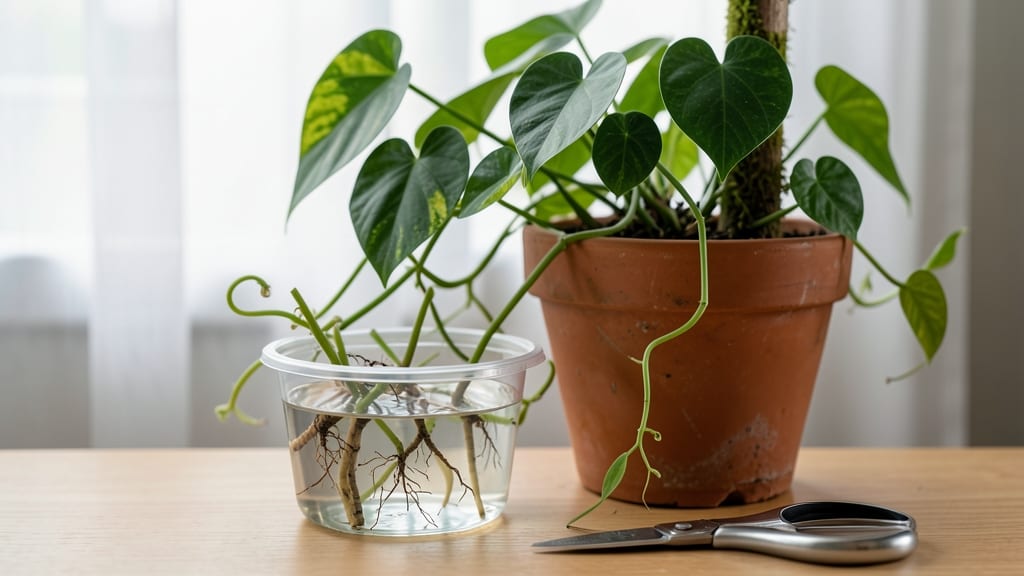
Tree philodendron propagation starts with a single healthy stem cutting—my first attempt failed miserably when I didn’t let the cut dry properly, but now I’ve got a foolproof method that works every time. These tropical giants multiply easily once you understand their love for humidity and indirect light.
The right cutting technique means you’ll see roots in as little as two weeks, whether you root in water or soil.
You’ll need sharp pruners, a clean jar of water or well-draining potting mix, and a spot with bright but filtered light—no harsh afternoon sun. The key is choosing a stem with at least two leaf nodes and letting the cut callus over for a day before planting.
This simple prep step prevents rot, which is the #1 reason cuttings fail. Once rooted, these plants grow fast, giving you lush, vine-like foliage that transforms any space.
After just four weeks, your cutting will have established roots and be ready to transition to soil if you started in water. The real magic happens when you see new leaves unfurling—proof your philodendron is thriving.
With proper care, your new plants will grow 12+ inches in their first year, creating that jungle-vibe look without the hassle. Let’s get those cuttings growing!
This method works year-round, but spring and summer give the fastest results. Whether you’re filling hanging baskets or training them up a trellis, tree philodendrons adapt beautifully. The only rule? Don’t overwater—these plants prefer to dry out slightly between waterings. Ready to turn one plant into ten?
📚 In This Guide
- What you need
- Instructions
- Tips and common mistakes
- Wrapping up and next steps
What you need
- ● Healthy Tree Philodendron: A mature plant with vines at least 4–6 inches long and at least 2–3 nodes (where leaves and roots grow).
- ● Sharp Pruning Shears or Scissors: Sterilized to prevent disease (rubbing alcohol wipe works!).
- ○ Rooting Hormone (Optional but Helpful): A powder or gel (e.g., Clonex or Rootone) to boost root growth.
- ● Clean Containers: For Water Propagation: Small glass jars, test tubes, or clear cups (4–8 oz) with water.
- ● For Soil Propagation: Small pots (3–4 inches in diameter) with drainage holes.
- ● Well-Draining Potting Mix: A blend of peat moss, perlite, and orchid bark (or store-bought cactus/succulent mix).
- ● Spray Bottle: For misting cuttings (keeps humidity high!).
- ○ Plastic Bag or Humidity Dome: To create a mini greenhouse (optional but speeds up rooting).
- ● Activated Charcoal Tablets: Adds to water to prevent bacteria/fungus (1 tablet per jar).
- ● Heat Mat: Keeps soil warm (70–75°F) for faster rooting.
- ● Clear Tape or Rubber Bands: Secures cuttings to supports if training new growth.
- ● Fertilizer (Diluted): A weak liquid fertilizer (e.g., fish emulsion) after roots form (4–6 weeks).
Step-by-step guide for propagating tree philodendrons
Here's how to grow new plants from cuttings—whether you prefer water or soil.
Select and Prepare Healthy Stem Cuttings
Choose a 6- to 8-inch stem with at least 3-4 leaves and a node (the small bump where leaves grow). Use clean, sharp scissors or pruning shears to cut just below a node at a 45-degree angle—this increases surface area for better root growth. Avoid cutting through a node if possible, as roots develop there.
Remove the lower leaves, leaving only 1-2 leaves at the top. This reduces moisture loss and directs the plant’s energy toward root development. If the stem is long, you can take multiple cuttings from one plant, but each should have at least one node.
Choose Your Propagation Method
For water propagation, place the cutting in a clear glass or jar filled with room-temperature water, ensuring the node is submerged but leaves stay dry. Change the water every 3-5 days to prevent bacterial growth. Roots typically appear in 2-4 weeks, depending on light and temperature.
For soil propagation, dip the cut end in rooting hormone (optional but helpful) and plant it in a well-draining potting mix—like a blend of peat moss and perlite. Keep the soil lightly moist but not soggy. Cover the pot with a plastic bag to retain humidity, and place it in bright, indirect light. Roots usually form in 4-6 weeks.
Provide Ideal Conditions for Root Growth
Keep your cuttings in a warm spot (around 70-75°F) with bright, indirect light—direct sun can scorch the leaves. If using water, place the jar near a window but avoid drafts. If using soil, mist the cutting lightly every 2-3 days to maintain humidity until new growth appears.
Watch for new leaf growth—this is your signal that roots have taken hold. In water, roots will be visible through the glass. In soil, gently tug on the stem after 4-6 weeks; if resistance is felt, roots have formed. Transplant soil-grown cuttings to a small pot with fresh potting mix once roots are 1-2 inches long.
Transition to Permanent Care
Once roots are established (usually 6-8 weeks in water or 8-12 weeks in soil), move your new tree philodendron to a 4-6 inch pot with well-draining soil. Water lightly after transplanting to help it adjust. Place it in medium to bright indirect light—avoid harsh sunlight, which can damage tender leaves.
Care for your new plant like a mature tree philodendron: water when the top inch of soil feels dry, and fertilize lightly every 2-3 months during the growing season. With patience, your cutting will grow into a lush, trailing beauty.
Tips & tricks for perfect tree philodendron propagation
Here's what I've learned from years of propagating these tropical beauties—tricks that'll make your cuttings thrive.
Cutting Selection: Look for stems with at least one healthy node and vibrant leaves. The 6-8 inch length is ideal, but don't stress if yours is slightly shorter—just make sure it has that crucial node where roots will form. I've had success with shorter cuttings as long as they have one node and a couple leaves.
Water Quality Matters: For water propagation, use filtered or room-temperature tap water that's been sitting out for 24 hours. The 70-75°F temperature range is perfect, but avoid cold water straight from the tap—it can shock your cutting. I keep my water jars in a warm spot near my kitchen window where it stays consistently warm.
Soil Moisture Balance: When propagating in soil, the key is keeping that potting mix lightly moist but never soggy. I use a spray bottle to mist every 2-3 days, checking the soil's moisture by sticking my finger about an inch deep—if it feels dry, it's time to water. Overwatering is the #1 killer of new cuttings.
Light Exposure: Bright, indirect light is non-negotiable. I place my cuttings near an east-facing window where they get morning sun but are protected from harsh afternoon rays. If your space is dim, consider using a grow light for 6-8 hours a day—your cuttings will thank you with faster root development.
Pro Tips for Tree Philodendron Propagation
- Here's what I've learned from years of propagating these tropical beauties—tricks that'll make your cuttings thrive.
- Cutting Selection: Look for stems with at least one healthy node and vibrant leaves.
- Water Quality Matters: For water propagation, use filtered or room-temperature tap water that's been sitting out for 24 hours.
Frequently asked questions
Got questions about propagating your Tree Philodendron? You’re not alone!
Here are answers to the most common ones—so you can grow those lush vines with confidence.
Can I propagate Tree Philodendron in water or soil?
Both work! Water propagation is beginner-friendly and lets you watch roots grow, while soil propagation mimics natural conditions. For faster results, try water first—just switch to soil once roots hit 2–3 inches. Pro tip: Use room-temperature water to avoid shocking the cutting.
How long does Tree Philodendron propagation take?
Roots in water usually appear in 2–4 weeks, while soil propagation may take 4–8 weeks (depending on humidity and warmth). Patience is key—keep your cuttings in bright, indirect light and mist them occasionally to speed things up.
What’s the best time to take cuttings?
Spring or early summer is ideal when the plant is actively growing. Avoid winter dormancy—cuttings taken then may struggle to root. Look for healthy stems with at least 2–3 nodes (those little bumps where leaves grow) for the best success.
Why isn’t my Tree Philodendron cutting rooting?
Common culprits: low humidity, poor lighting, or contaminated water (if using water propagation). Try these fixes: Move to a warmer spot, increase humidity with a plastic bag, or refresh the water every 3–5 days. Yellowing leaves? It might be overwatering—let the cutting dry slightly between changes.
Can I propagate Tree Philodendron from just a leaf?
Nope! Tree Philodendrons need a stem with nodes to root—single leaves won’t work. If you’re working with a small cutting, aim for at least one node (where leaves or aerial roots grow) to ensure success. Think of it like planting a tiny branch, not a leafy snack.
How do I know when my cutting is ready to plant in soil?
Your cutting is soil-ready when it has 2–3 inches of healthy roots in water. Gently rinse off any algae, then pot it in well-draining soil. Keep the soil lightly moist (not soggy) and place it in bright, indirect light. Avoid direct sun—it can scorch new growth!
Wrapping up and next steps
Propagating your tree philodendron is a rewarding way to expand your plant collection—and as you’ve seen, it’s easier than you might think!
Whether you choose water or soil, the key is patience, consistency, and a little green thumb love. 🌱 Now that you’re armed with the right techniques, why not try it today?
Your next step? Grab those cuttings, pick your preferred method, and watch your philodendron family grow! Happy propagating!