
Pruning
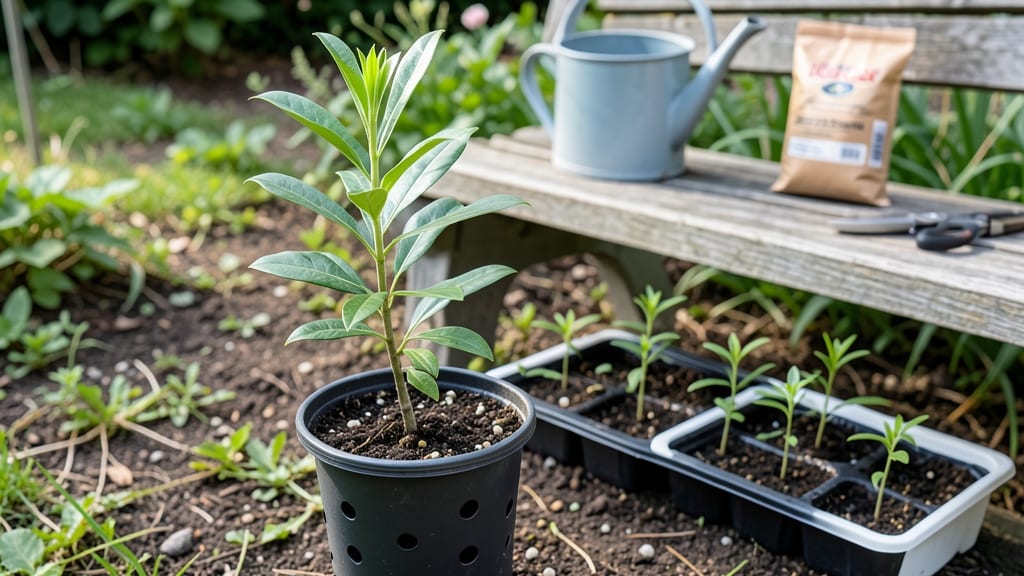
Growing tea tree seedlings in the Pacific Northwest means you’ll finally have those fragrant, cold-tolerant trees thriving where others fail. I’ve struggled with leggy, weak seedlings until I cracked the code on soil mix and light balance—now mine hit 3 feet tall by their second summer.
The key isn’t just patience; it’s mimicking their native conditions right from the start.
You’ll need well-draining soil (equal parts sand, peat, and compost), a sunny spot with at least 6 hours of light daily, and a watering routine that keeps roots damp but never soggy. Most beginners overwater, which causes root rot—my first batch died from this exact mistake.
A 5-gallon container works for starters, and transplanting outdoors after the last frost gives them the best chance to establish.
What you’ll end up with are sturdy seedlings that handle our rainy winters and cool summers better than nursery-bought trees. Their needle-like leaves stay vibrant even in shade, and by year three, you’ll have a privacy screen or pollinator magnet that outlasts most ornamentals.
The first harvestable branches appear around year five, but the real reward is watching them grow.
This method works for both Melaleuca alternifolia (the medicinal variety) and native PNW species like Melaleuca quinquenervia. The same principles apply whether you’re growing in containers or directly in the ground—just adjust watering for your specific microclimate. Let’s get those seeds sprouting!
📚 In This Guide
- What you need
- Instructions
- Tips and common mistakes
- Wrapping up and next steps
What you need
- ● Tea tree seedlings (Melaleuca alternifolia) – 3–5 hardy, disease-free seedlings (ensure they’re cold-resistant varieties if possible).
- ● Well-draining potting mix – 1–2 bags (5–10 lbs each) of a blend like cactus/succulent mix or peat-perlite (50/50).
- ● Containers – 3–5 small pots (4–6 inches in diameter) with drainage holes, or a seedling tray with individual cells.
- ● Slow-release fertilizer – 1 small bag (5–10 lbs) of balanced 10-10-10 or organic compost.
- ● Drip irrigation or spray bottle – For gentle, consistent watering (avoid soggy soil!).
- ○ Mulch (optional but helpful) – 1–2 inches of pine bark or straw to retain moisture and insulate roots.
- ● Trowel or small shovel – For transplanting and soil prep.
- ● Pruning shears – Sharp, sterilized shears for trimming leggy growth.
- ○ pH testing kit (optional) – To check soil acidity (tea trees prefer 5.0–6.5 pH).
- ● Grow lights or sunny windowsill – If starting indoors (6+ hours of light daily).
- ○ Thermometer (optional) – To monitor soil temperature (ideal: 60–75°F).
- ● A sunny spot (or grow lights) with at least 4–6 hours of direct light daily.
- ● Proper drainage – Tea trees hate soggy roots! Ensure pots/containers have holes.
- ● Patience – Seedlings may take 6–12 months to establish before cold-hardiness kicks in.
- ○ Cold-frame or greenhouse (optional) – For early spring/fall protection in PNW’s damp chill.
Step-by-step guide to cultivating cold-hardy tea tree seedlings
Here’s how to grow resilient tea tree seedlings that thrive in the Pacific Northwest’s damp, cool climate.
🌱 Step 1: Prepare the Germination Environment
Tea tree seeds (Melaleuca alternifolia) require warmth and humidity to break dormancy. Start by filling a seed tray with sterile seed-starting mix (never garden soil—it’s too dense and may harbor pathogens). Moisten the mix until it’s damp but not soggy, then spread the seeds ¼ inch deep—any deeper delays germination because seedlings struggle to reach light.
Cover the tray with a clear plastic dome or plastic wrap to trap heat and moisture. Place it in a warm spot (75–80°F), like on top of a refrigerator or near a heat mat. Germination can take 3–6 weeks, so patience is key. Check daily for condensation on the dome—mist lightly if the mix feels dry to the touch, but avoid overwatering, which causes rot.
💧 Step 2: Manage Moisture and Light for Sprouts
Once seedlings emerge, remove the dome immediately to prevent damping-off, a fungal disease that collapses stems overnight. Water from the bottom by placing the tray in ½ inch of water for 10–15 minutes, then drain excess. This method ensures even moisture without disturbing delicate roots.
Move seedlings to a bright, indirect light spot (like an east-facing window) to prevent leggy growth. If using a grow light, position it 4–6 inches above the tray and provide 14–16 hours of light daily. Leggy seedlings (thin, pale stems with widely spaced leaves) signal insufficient light—adjust the setup immediately to avoid stunted growth.
☀️ Step 3: Transition to Outdoor Conditions Gradually
After 4–6 weeks, when seedlings have 2–3 sets of true leaves, begin hardening them off. Start with 1 hour outside in a sheltered, shaded spot, then increase exposure by 1 hour daily over 10–14 days. This slow acclimation prevents shock from wind, rain, or temperature swings—critical in the PNW’s unpredictable climate.
Choose a planting site with partial shade (morning sun, afternoon shade) and well-draining soil. Tea trees despise soggy roots, so amend heavy soil with 1–2 inches of perlite or sand to improve drainage. Plant seedlings 6–8 inches apart to allow airflow, reducing fungal risks.
🌿 Step 4: Maintain Cold-Hardy Growth Through Seasons
Water deeply once a week (or when the top 2 inches of soil feel dry), ensuring moisture reaches the root zone. Tea trees are drought-tolerant once established, but seedlings need consistent moisture. Mulch with 2–3 inches of wood chips to retain soil moisture and regulate temperature—especially important during PNW’s cool, wet winters.
Fertilize lightly in spring with a balanced, slow-release fertilizer (10-10-10) to support root development. Avoid high-nitrogen feeds, which promote leafy growth at the expense of cold hardiness. Prune leggy or crowded stems in early spring to encourage bushier, more resilient growth.
⏰ Step 5: Overwinter for Long-Term Survival
The PNW’s mild winters still demand protection for young tea trees. Apply 4–6 inches of mulch around the base in late fall to insulate roots from freezing temperatures. Young trees may need winter wrapping (burlap or frost cloth) in exposed areas to shield them from windburn and frost.
Monitor for pests like aphids or spider mites, which thrive in dry conditions. A soapy water spray (1 tsp mild soap per gallon of water) resolves minor infestations. With proper care, your seedlings will develop the cold tolerance needed to flourish in the Pacific Northwest’s unique climate.
Tips & tricks for perfect tea tree seedling cultivation
Tea tree seedlings need precise care to thrive in the Pacific Northwest’s challenging climate. These targeted tips will help you avoid common pitfalls and maximize success.
Germination Temperature Precision: Maintaining the 75–80°F range is critical for breaking dormancy, but don't rely solely on your thermostat. Place a small thermometer inside the seed tray to monitor real conditions—household temperatures can fluctuate significantly, especially near heat sources. If your home runs cooler, consider using a seedling heat mat set to maintain consistent warmth during the 3–6 week germination period.
Lighting Strategy for Healthy Growth: The 14–16 hours of daily light requirement is non-negotiable for preventing leggy seedlings, but quality matters more than quantity. Position your grow light at exactly 4–6 inches above the tray and adjust the angle to avoid direct light hitting the seedlings—this creates a more natural light spectrum. Rotate the tray daily to ensure even growth, preventing stems from leaning toward one light source.
Hardening Off Technique: The gradual 10–14 day hardening process is where many growers make critical errors. Start with the full 1 hour in sheltered conditions, but pay attention to microclimates—direct wind or afternoon sun can shock seedlings even if the location seems protected. Use a small shade cloth if needed, and always harden off on overcast days first to minimize stress on the plants.
Winter Protection Insights: When applying the 4–6 inches of mulch for winter protection, focus on insulating the soil rather than the stems. Create a shallow trench around the base before adding mulch to prevent moisture buildup against the trunk. For young trees in exposed areas, consider using a combination of burlap wrapping and mulch—this creates a microclimate that better mimics the tree's natural cold tolerance development.
Pro Tips for Tea Tree Seedlings
- Tea tree seedlings need precise care to thrive in the Pacific Northwest’s challenging climate.
- Germination Temperature Precision: Maintaining the 75–80°F range is critical for breaking dormancy, but don't rely solely on your thermostat.
- Lighting Strategy for Healthy Growth: The 14–16 hours of daily light requirement is non-negotiable for preventing leggy seedlings, but quality matters more than quantity.
Frequently asked questions
Got questions about growing tea tree seedlings in the Pacific Northwest? You’re not alone!
Here are some of the most common concerns—and their answers—to help you nurture thriving, cold-hardy tea trees with confidence.
How long does it take for tea tree seedlings to mature?
Tea tree seedlings typically take 3–5 years to reach maturity, depending on climate and care. In the Pacific Northwest’s cooler conditions, growth may be slower, but consistent moisture and protection from harsh winters (like mulching) can speed things up. Patience is key—these evergreens reward long-term commitment with fragrant foliage and resilience!
Can tea tree seedlings survive PNW winters?
Yes! Tea trees are cold-hardy to USDA Zone 7, making them a great fit for most of the PNW. However, young seedlings (under 2 years) may need winter protection, like burlap wraps or thick mulch, to shield them from freezing winds. Older trees usually handle frost like champs—just avoid planting in low-lying areas where cold air pools.
How often should I water tea tree seedlings?
Keep soil consistently moist but not soggy for the first year. Water deeply 2–3 times per week during dry spells (PNW summers can be deceptive!). Once established, tea trees are drought-tolerant, but seedlings thrive with regular hydration. Pro tip: Use a rain gauge to track moisture—overwatering can suffocate roots!
What’s the best time to plant tea tree seedlings in the PNW?
Plant in early spring (March–April) or fall (September–October) for optimal root establishment. Spring planting gives seedlings time to grow before winter, while fall planting lets them settle before dormancy. Avoid late summer—heat stress can shock young roots. Bonus: PNW’s mild winters make fall planting a great option!
Why are my tea tree seedlings turning yellow or dropping leaves?
Yellowing leaves often signal overwatering, poor drainage, or nutrient deficiency. Check soil moisture (stick your finger in—it should feel damp but not wet). If leaves curl or fall, it could also mean pests (like spider mites) or fungal issues from excess humidity. Adjust care, prune affected branches, and consider a balanced fertilizer to revive your seedlings.
Can I grow tea trees from cuttings instead of seedlings?
Tea trees root easily from semi-hardwood cuttings (taken in late spring/early summer). Dip 4–6 inch cuttings in rooting hormone, plant in moist perlite/sand mix, and keep humidity high (use a plastic bag). Success rates are high, but seedlings may offer slightly faster growth. Try it! It’s a rewarding (and budget-friendly) alternative!
Wrapping up and next steps
Growing tea tree seedlings in the Pacific Northwest’s chilly climate is totally doable—with the right prep, patience, and care! 🌱 By choosing cold-hardy varieties, providing proper drainage, and mastering pruning techniques, you’ll set your seedlings up for thriving growth.
Whether you’re nurturing them in containers or directly in the garden, remember: consistency is key!
Ready to take the next step? Start small—plant a few seedlings this season and observe how they adapt to your microclimate. Before you know it, you’ll have a lush, aromatic tea tree grove that’s as resilient as it is beautiful. Happy gardening! 🌿