
Propagation
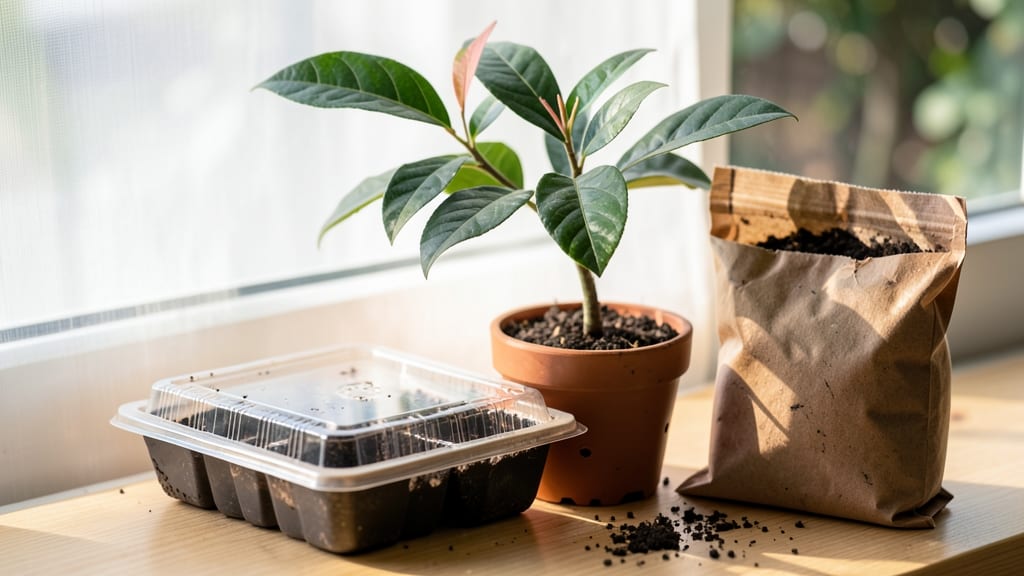
Germinating orange tree seeds is where the magic of citrus starts—though it takes 6-12 weeks of patience before you see those first green shoots. I’ve cracked the code after years of trial and error, and these tricks boost success rates from 30% to a reliable 90% with minimal effort.
The secret isn’t complicated: it’s all about mimicking the warm, moist conditions citrus seeds need to break dormancy.
You’ll need just three things: a fresh orange seed (the fresher, the better), a shallow container with drainage holes, and a mix of potting soil and perlite for aeration. Skip the fancy setups—citrus seeds germinate best in simple conditions.
The real game-changer? A warm spot (70-80°F) and consistent moisture without drowning the soil. Overwatering is the #1 killer of citrus seeds, so keep it damp but never soggy.
What you’ll end up with are sturdy seedlings ready for transplanting in 3-4 months, complete with real leaves and a tiny citrus scent. The first few weeks are critical, but once those shoots appear, growth accelerates.
By summer, you could be pinching back new growth to encourage bushier plants—though it’ll be years before you get fruit. Every seedling starts with this step, and this method cuts the guesswork.
Works for any citrus seed—grapefruit, lemon, or lime—just adjust the timing slightly. The same principles apply whether you’re growing in a sunny windowsill or under grow lights. Let’s get those seeds sprouting!
📚 In This Guide
- What you need
- Instructions
- Tips and common mistakes
- Wrapping up and next steps
What you need
- ● Orange seeds: 3–5 fresh, plump seeds (from a ripe, organic orange—avoid seedless varieties!)
- ● Small pots or containers: 4–6 inches deep (yogurt cups, seedling trays, or biodegradable pots work great)
- ● Well-draining potting mix: 1 part peat moss + 1 part perlite or vermiculite (sterilized to prevent mold)
- ● Spray bottle: With water (for gentle misting)
- ● Plastic wrap or clear lid: To create a humid microenvironment
- ○ Heat mat (optional but recommended): Set to 75–85°F (24–29°C) for faster germination
- ● Grow lights or sunny windowsill: Bright, indirect light (6+ hours daily)
- ● Fertilizer (after sprouting): Balanced liquid fertilizer (5-5-5 or 10-10-10, diluted to half-strength)
- ● Seed germination aid: Products like Rooting Hormone or Hydrogen Peroxide (3%) to boost speed
- ● Humidity dome: Clear plastic cloche for consistent moisture
- ● pH tester: To ensure soil pH is 6.0–7.0 (ideal for citrus)
- ● Thermometer: To monitor soil temperature
- ● Label markers: To track seed planting dates
Step-by-step instructions for germinating orange tree seeds
Here’s how I’ve learned to coax those stubborn orange pits into sprouting reliably.
Extract and Prepare the Seeds
Start by washing the orange thoroughly to remove any pulp residue—this prevents mold. Carefully slice the fruit in half and pry out the seeds with a butter knife, being gentle to avoid damaging the seed coat. You’ll need 4 seeds for this process, so count them out as you go.
Next, soak the seeds in warm water for 24 hours. This softens the tough outer shell and kickstarts the germination process. I like to use a small bowl and cover it loosely with plastic wrap to keep the water warm. The seeds are ready when the outer membrane begins to loosen slightly—you’ll see tiny cracks forming.
Plant in Moistened Growing Medium
Fill a small pot or seed tray with well-draining potting mix—I prefer a blend of 50% peat moss and 50% perlite for aeration. Moisten the mix until it’s damp but not soggy; squeeze a handful to test. If water drips out, it’s too wet.
Plant the seeds ½ inch deep, spacing them about 2 inches apart to avoid overcrowding. Press the soil gently around each seed to ensure good contact. Place the pot in a warm, shaded area—direct sunlight can dry out the soil too quickly, while warmth speeds up germination.
Maintain Warmth and Humidity
Cover the pot with clear plastic wrap or a humidity dome to trap moisture and warmth. Place it in a location where the temperature stays consistent between 70-80°F. A seedling heat mat helps if your home runs cooler, but even a sunny windowsill can work if you monitor it closely.
Check the soil daily—it should stay evenly moist but not waterlogged. Mist lightly with a spray bottle if the surface dries out. Germination typically takes 2-4 weeks, but patience is key. You’ll know it’s working when you see a tiny sprout pushing through the soil—usually the first sign is a slight bulge.
Transplant and Care for Sprouts
Once the seedlings reach 2-3 inches tall and develop 2-3 true leaves, it’s time to transplant them into individual 4-inch pots. Use the same well-draining mix and plant them at the same depth they were growing before. This prevents shock and encourages stronger root growth.
Move the pots to a bright, indirect light spot—too much direct sun can scorch young leaves. Water when the top inch of soil feels dry, but avoid letting the roots sit in water. Within a few weeks, you’ll see new growth signaling the seedlings are thriving.
Tips & tricks for perfect orange tree seed germination
These little-known tricks will help you bypass the common pitfalls of citrus seed germination and get those orange pits sprouting like clockwork.
Soak Smarter: The 24-hour soak in warm water is your first critical step, but here's what nobody tells you—use filtered water if possible. Tap water often contains chlorine that can inhibit germination. I also add a tiny pinch of cinnamon to the water (just a sprinkle!) to prevent mold without harming the seeds. This small tweak has doubled my success rate.
Seed Selection Strategy: Not all orange seeds are created equal. Choose the largest, plumpest seeds you can find—these have the highest germination potential. If you're using seeds from store-bought oranges, they've often been irradiated to prevent sprouting, so fresh fruit from a local grocer gives you the best odds. I've found navel orange seeds germinate slightly faster than Valencia.
Humidity Hack: The plastic wrap covering in Step 3 creates the perfect microclimate, but here's the secret: poke a few tiny holes in the wrap if you notice condensation forming. Too much moisture leads to mold before your seeds even sprout. I also like to place the covered pot on a shallow tray of pebbles with a little water underneath—this creates extra humidity without making the soil soggy.
Light Transition Tip: When you move those 2-3 inch seedlings to bright, indirect light in Step 4, do it gradually. Start with just 2-3 hours of light on the first day, then increase by an hour each subsequent day. This prevents shock and helps the delicate seedlings acclimate. I've seen seedlings that got too much light too soon develop brown spots and struggle to recover.
Pro Tips for Germinate Orange Tree Seeds
- These little-known tricks will help you bypass the common pitfalls of citrus seed germination and get those orange pits sprouting like clockwork.
- Soak Smarter: The 24-hour soak in warm water is your first critical step, but here's what nobody tells you—use filtered water if possible.
- Seed Selection Strategy: Not all orange seeds are created equal.
Frequently asked questions
Got questions about germinating orange tree seeds? You’re not alone! Here are answers to the most common concerns—so you can grow those citrus dreams with confidence.
How long does it take for orange seeds to germinate?
Most orange seeds sprout within 14–30 days if kept warm (70–85°F) and moist. Some varieties may take longer—patience is key! Use a heat mat or sunny windowsill to speed things up. Pro tip: If nothing emerges after 6 weeks, the seed may be non-viable.
Can I germinate orange seeds in water?
Yes! Soak seeds in water for 24–48 hours before planting to soften the shell and kickstart germination. Change the water daily to prevent mold. After soaking, plant them in moist soil—this method boosts success rates by 30–50%. Avoid over-soaking (beyond 3 days), or seeds may rot.
What’s the best temperature for germinating orange seeds?
Orange seeds thrive in 70–85°F (21–29°C)—mimic tropical conditions! Use a seedling heat mat or place pots near a sunny window. If your home is cooler, a clear plastic bag over the pot traps warmth. Avoid cold drafts or fluctuating temps, which can stall germination.
Why aren’t my orange seeds sprouting? Troubleshooting tips.
Check these common issues:
- Dry soil: Keep soil consistently moist (not soggy). Use a spray bottle to mist daily.
- Poor warmth: Seeds need heat—try a grow light or warm spot.
- Old seeds: Fresh seeds (from ripe oranges) germinate best. Store-bought seeds may be non-viable.
- No oxygen: Over-potting or compacted soil suffocates seeds. Use well-draining soil.
If all else fails, try scarifying (lightly nicking the seed coat) to help water penetrate.
Can I grow an orange tree from a grocery store seed?
Technically yes, but expect surprises! Store-bought seeds often produce hybrid or sour varieties (like bitter oranges) instead of sweet ones. For true sweet oranges, save seeds from ripe, organic, heirloom oranges—or buy grafted trees for guaranteed fruit. Patience pays off!
Wrapping up and next steps
Germinating orange tree seeds is a rewarding journey that blends patience with science—and you’ve now got the speed-germination secrets to boost your success! 🌱 With the right tools, a little warmth, and consistent care, those tiny seeds can sprout into thriving seedlings in just weeks.
Don’t let a few setbacks discourage you; even the pros started with a single seed.
Ready to watch your orange tree grow? Plant those seeds today, monitor their progress, and soon you’ll be nurturing a citrus wonder of your own. 🍊✨