
Pruning
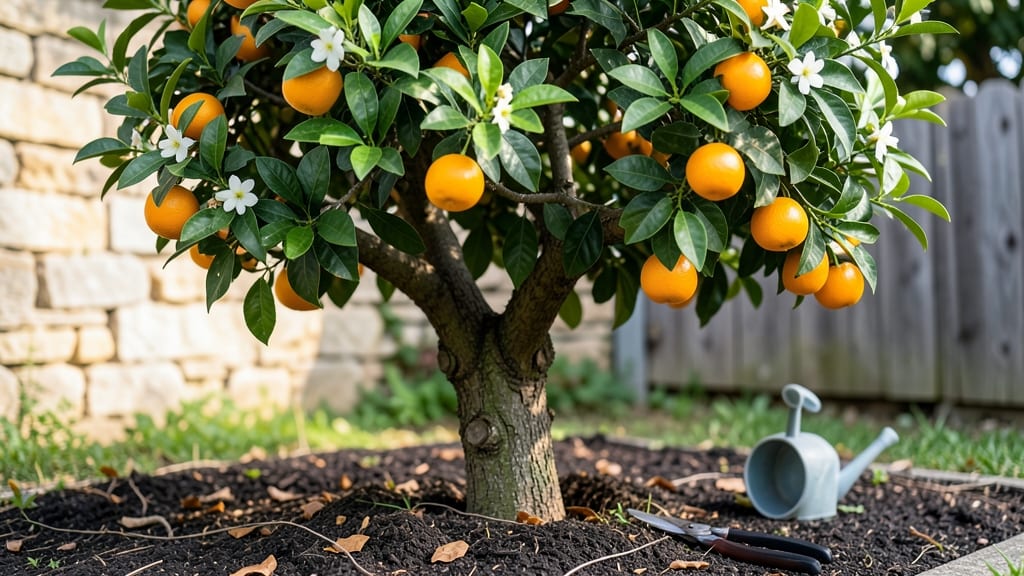
Growing an organic orange tree in the Pacific Northwest feels like defying the rules—until you pick the right variety. 🌱 I’ve watched my Meyer lemon tree survive winters with just a blanket, and now I’m sharing how to do the same with cold-hardy citrus that actually produces fruit.
The secret lies in varieties like 'Improved Meyer' or 'Trifoliate Orange' hybrids, which tolerate temps down to 15°F with proper protection. You’ll need well-draining soil, a sunny spot (at least 6 hours of light daily), and a mix of composted manure or worm castings for organic nutrition.
The payoff? Sweet, juicy oranges in winter when store-bought fruit is bland and expensive.
Pruning in late winter keeps the tree manageable, while neem oil sprays handle aphids and scale organically. Frost? Wrap young trees in burlap or use Christmas lights for gentle heat. Even in Portland, you can grow citrus—just start small and protect them like the delicate treasures they are.
Whether you’re growing in containers on a patio or planting in-ground with winter mulch, these methods work. The first harvest might take 3-5 years, but the taste of homegrown oranges in January makes every chilly morning worth it.
📚 In This Guide
- What you need
- Instructions
- Tips and common mistakes
- Wrapping up and next steps
What you need
- ● Cold-hardy orange tree sapling: Choose a dwarf or semi-dwarf variety (e.g., Calamondin or Sour Orange) from a reputable organic nursery. Size: 1–3 gallons (12–24 inches tall).
- ● Large container or raised bed: Minimum size: 24" diameter × 24" deep for dwarf varieties (or larger for standard trees). Use organic, well-draining soil (mix equal parts potting soil, perlite, and compost).
- ● Pruning tools: Bypass pruners (for clean cuts on small branches)
- ● Loppers (for thicker branches, up to 1.5" diameter)
- ● Sterilized pruning saw (for stubborn wood)
- ● Organic fertilizer: Slow-release citrus-specific blend (e.g., fish emulsion or seaweed kelp) or a balanced 6-6-6 NPK formula.
- ● Mulch: Straw or wood chips (2–3 inches thick) to insulate roots in winter.
- ● Frost cloth or row cover: 30–50 lb. test weight (for winter protection).
- ● Drip irrigation system or soaker hose: To deliver consistent moisture without wetting foliage.
- ● Citrus-specific pH test kit: Ideal range: 6.0–7.0 (adjust with elemental sulfur or lime if needed).
- ● Hydrogen peroxide (3%) or copper fungicide: For organic disease prevention (e.g., citrus canker).
- ● Tree collar sprayer: For targeted applications of neem oil or insecticidal soap (to deter aphids or scale).
- ● Heat mat or greenhouse: For overwintering young trees in zones colder than 7b.
- ● Grafting tools: If you plan to propagate your own trees from cuttings.
Step-by-Step guide to planting cold-hardy organic orange trees
Here's how to establish your citrus grove with varieties that thrive in cooler climates.
🌱 Step 1: Select the Right Variety for Your Climate
For the Pacific Northwest's 20-25°F winters, choose cold-hardy varieties like 'Improved Meyer' or 'Trifoliate Orange' hybrids. These tolerate brief freezes better than traditional citrus. I always verify the specific variety's hardiness zone—some labeled "cold-hardy" still need winter protection below 15°F. Check with local nurseries for proven performers in your microclimate.
Look for organic-certified young trees (3-5 years old) with sturdy trunks and no signs of pests. The rootstock matters too—trifoliate orange rootstock adds cold resistance. Avoid trees with yellowing leaves or sticky sap, as these often indicate disease or poor growing conditions.
🪴 Step 2: Prepare the Planting Site
Choose a location with full sun exposure (at least 8 hours daily) and shelter from cold winter winds. The Pacific Northwest's coastal fog can be beneficial, but inland areas need extra protection. Amend the soil with 3-4 inches of organic compost mixed into the top 12 inches to improve drainage—citrus hates soggy roots.
Dig a hole twice as wide as the root ball but only as deep. The top of the root ball should sit 1-2 inches above ground level to prevent waterlogging. Place a 4-inch layer of gravel at the bottom for drainage if your soil is heavy clay. I always test drainage by filling the hole with water—if it doesn't drain within 30 minutes, add more gravel.
☀️ Step 3: Plant and Establish Initial Care
Remove the tree from its container and loosen any circling roots gently with your fingers. Place it in the hole so the graft union (visible bump near the base) sits 2-3 inches above soil level. This prevents soil from covering the graft and weakening the tree. Backfill with native soil mixed with 1 part compost to improve fertility.
Water deeply right after planting—1-2 gallons for small trees—to settle the soil. Mulch with 3 inches of wood chips, keeping it 6 inches away from the trunk to prevent rot. Water 2-3 times weekly for the first month, then taper to once weekly once established. In winter, reduce watering to every 2-3 weeks unless temperatures drop below 30°F.
✂️ Step 4: Protect During Winter Months
When nighttime temperatures approach 30°F, cover the tree with frost cloth secured loosely at the top. Avoid plastic sheeting—it traps moisture and can burn leaves. I also wrap the trunk with burlap for extra insulation. For extreme cold snaps below 20°F, add a heat lamp (safely positioned) or string lights around the tree to provide gentle warmth.
Prune in late winter (February) to remove dead or crossing branches. Never prune in fall—new growth won't harden off before winter. Thin the canopy to allow sunlight penetration to the center. You'll see new growth in spring as a sign the tree survived winter stress.
💧 Step 5: Maintain Organic Fertility Year-Round
Feed with organic citrus fertilizer (low nitrogen, high potassium) in early spring and again in early summer. I use fish emulsion and kelp meal for micronutrients, applied every 6-8 weeks during growing season. Avoid high-nitrogen fertilizers—they promote leafy growth at the expense of fruit production.
Monitor for pests like aphids or scale with weekly inspections. Spray with neem oil solution at the first sign of infestation. Healthy trees develop a thick, leathery leaf texture—soft, pale leaves signal nutrient deficiency or overwatering. Adjust care based on what you observe each season.
Tips & tricks for perfect cold-hardy organic orange trees
These insider secrets will help your citrus thrive in Pacific Northwest winters—and avoid the mistakes I made while establishing my own grove.
Variety Verification: When selecting your 'Improved Meyer' or 'Trifoliate Orange' hybrid, ask nurseries for the exact hardiness rating. I learned the hard way that even "cold-hardy" labels can be misleading—some varieties still need protection below 15°F. Look for trees with trifoliate orange rootstock, which adds that extra layer of cold resistance. The graft union should be clearly visible near the base of the trunk.
Soil Preparation Secret: The 30-minute drainage test in Step 2 is non-negotiable, especially in heavy clay soils common to the Pacific Northwest. If water pools after 30 minutes, add another 2-inch layer of gravel. I've seen soggy roots kill even the hardiest citrus—amending that top 12 inches with compost creates the perfect balance between drainage and moisture retention. For extra insurance, consider raised beds in areas with poor natural drainage.
Winter Protection Pro Tip: When temperatures approach 30°F, I double up on protection: frost cloth around the canopy AND burlap wrapped tightly around the trunk. The key is securing the frost cloth loosely at the top—if it's too tight, you'll trap moisture that can cause leaf burn. For those rare sub-20°F nights, position heat lamps at least 3 feet away from the tree to avoid leaf scorch. I've found that string lights create just enough warmth without the fire risk.
Fertility Timing: The 6-8 week feeding schedule in Step 5 works beautifully, but here's the trick: apply your organic citrus fertilizer in early spring when new growth appears, and again in early summer when fruit sets. I've noticed that trees fertilized later in summer often produce more leaves than fruit. The low-nitrogen, high-potassium formula is perfect for citrus—it encourages fruiting over foliage growth, which is exactly what we want in our cooler climate.
Pro Tips for Organic Orange Tree
- These insider secrets will help your citrus thrive in Pacific Northwest winters—and avoid the mistakes I made while establishing my own grove.
- Variety Verification: When selecting your 'Improved Meyer' or 'Trifoliate Orange' hybrid, ask nurseries for the exact hardiness rating.
- Soil Preparation Secret: The 30-minute drainage test in Step 2 is non-negotiable, especially in heavy clay soils common to the Pacific Northwest.
Frequently asked questions
Got questions about growing organic orange trees in the Pacific Northwest? You’re not alone! Here are answers to the most common queries—from cold-hardy varieties to pruning tips and troubleshooting.
Can orange trees survive the Pacific Northwest’s cold winters?
Yes! While traditional citrus trees struggle below 20°F, cold-hardy orange varieties (like ‘Poncirus trifoliata’ (trifoliate orange) or ‘Eustis Limequat’) can tolerate brief dips to 10–15°F with proper care. Protect young trees with mulch, frost cloth, or microclimates near south-facing walls.
How long does it take for an organic orange tree to bear fruit?
Patience is key! Dwarf varieties may produce fruit in 3–5 years, while standard trees can take 5–10 years. Factors like soil quality, sunlight (6+ hours/day), and organic fertilization speed up fruiting. Prune aggressively in early spring to encourage growth—just avoid heavy cuts after June to protect blooms.
Are organic orange trees easy to grow in containers?
Dwarf varieties (e.g., ‘Calamondin’ or ‘Improved Meyer Lemon’ hybrids)
thrive in 15–25 gallon pots with well-draining soil and regular watering. Move containers indoors (or to a garage) when temps drop below 35°F. Just ensure pots have drainage holes to prevent root rot.
When and how should I prune my organic orange tree?
Prune late winter/early spring (Feb–March) to shape the tree and remove dead wood. Use sterilized shears to make clean cuts at a 45° angle. Avoid heavy pruning in fall—it stresses the tree before winter. Thin out crowded branches to improve airflow and fruit size. Pro tip: Sanitize tools with rubbing alcohol between cuts to prevent disease!
What pests or diseases should I watch for in organic orange trees?
Common issues include:
- Aphids/Scale: Spray with neem oil or introduce ladybugs.
- Root Rot: Ensure pots have drainage; avoid overwatering.
- Citrus Canker: Remove infected branches immediately and sterilize tools.
- Frost Damage: Cover young trees with burlap or frost cloth when temps drop below 28°F.
For organic control, companion plant with marigolds or basil to deter pests naturally.
Wrapping up and next steps
Growing an organic orange tree in the Pacific Northwest is absolutely doable—especially with cold-hardy varieties like Citrus × citrofortunella 'Improved Meyer' or Poncirus trifoliata. With the right pruning techniques, soil care, and a little patience, you’ll enjoy fresh, homegrown oranges year after year! 🌱🍊
Ready to take the next step? Start by selecting your ideal variety, gathering your tools, and giving your tree the love it deserves. Before you know it, you’ll be harvesting juicy oranges straight from your backyard—what’s not to love? 😊