Size
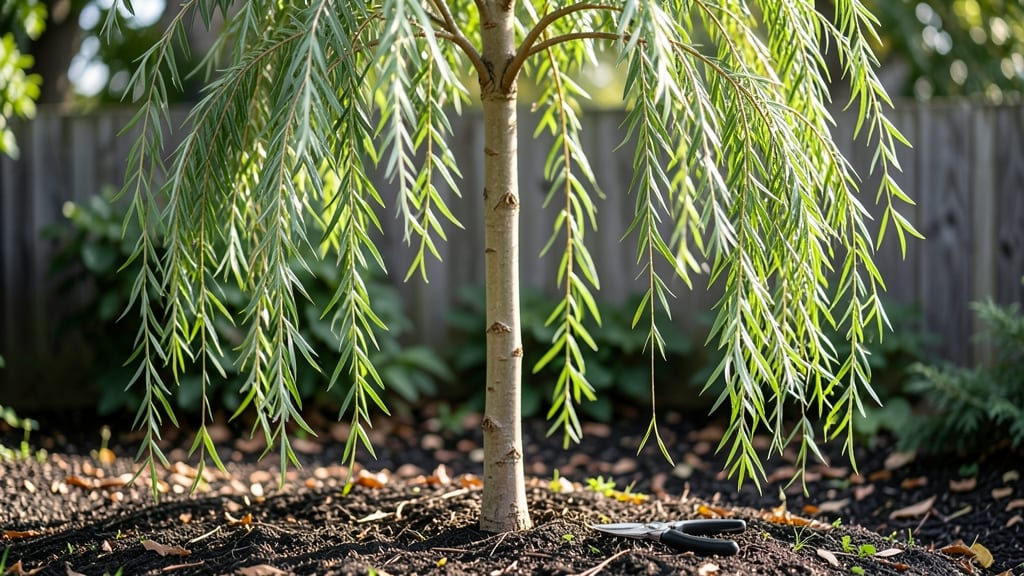
A tall willow tree in your Pacific Northwest landscape isn’t just a plant—it’s a living sculpture that dances with the wind and hums with life. 🌿 I’ve watched mine transform from a skinny sapling into a 30-foot pollinator magnet, its weeping branches creating a private canopy over my patio while hosting swarms of bees and butterflies in spring.
The key to making it work lies in placement and companions. Near a pond or stream, its roots will thrive, and its reflection becomes a year-round watercolor. For privacy, plant it at least 20 feet from your house—willows grow fast, and you’ll want that space for their sprawling roots.
Pair it with native ferns and wildflowers to keep the understory lush without competing for sunlight.
What you’ll love most is how it changes with the seasons: golden catkins in spring, emerald foliage in summer, and fiery red leaves in fall. A well-pruned willow can even frame a garden entrance like a natural archway.
The trade-off? Regular trimming keeps it from becoming a fire hazard—think of it as sculpting a living masterpiece.
Perfect for large yards, water features, or as a dramatic focal point in open spaces. Here’s how to make it the star of your landscape without the headaches.
📚 In This Guide
- What you need
- Instructions
- Tips and common mistakes
- Wrapping up and next steps
What you need
- ● Tall willow tree saplings: 1–3 (depending on spacing; Salix spp. like Salix alba or Salix fragilis work well). Choose locally sourced or native varieties for best adaptation.
- ● High-quality potting soil: 5–10 gallons (mix with compost for nutrient-rich planting). Avoid heavy clay soil—willows thrive in moist, well-draining soil.
- ● Organic mulch: 2–3 inches (wood chips or straw) to retain moisture and suppress weeds.
- ● Slow-release fertilizer: Balanced 10-10-10 or compost tea to kickstart growth.
- ● Watering can or hose: With a gentle spray nozzle for delicate saplings.
- ● Shovel or trowel: For digging planting holes (12–18 inches deep and wide).
- ● Pruning shears: To trim dead branches or shape the tree post-planting.
- ● Measuring tape: To ensure proper spacing (15–20 feet apart for mature trees).
- ● Garden gloves: For protection while handling soil and saplings.
- ○ Stakes & twine (optional): For young trees in windy areas.
- ● Pollinator-friendly plants: Native wildflowers (e.g., Lupinus or Achillea) to complement the willow.
- ● Birdhouses or bat boxes: To attract additional wildlife to your pollinator haven.
- ● Drip irrigation system: For consistent moisture, especially during dry spells.
- ● Soil pH test kit: Willows prefer slightly acidic to neutral soil (pH 6.0–7.5).
Step-by-Step guide to establishing a healthy tall willow tree in the Pacific Northwest
Here’s how to plant and nurture a willow to become a thriving pollinator magnet.
🌱 Step 1: Choose the Right Location and Prepare the Soil
Willows thrive near water but tolerate moist soil—avoid soggy spots that could rot roots. In the Pacific Northwest’s climate, select a site with partial to full sun (at least 6 hours daily) and space at least 20 feet from structures, as mature willows spread aggressively. Test soil drainage: dig a 12-inch hole, fill it with water, and wait. If it drains within 2 hours, the spot is safe.
Amend heavy clay soil with 2 inches of compost or sand to improve aeration. Willows prefer slightly acidic to neutral soil (pH 6.0–7.5). If your soil tests higher, mix in sulfur or peat moss to adjust. The root system will reward you with rapid growth—just be ready for its expansive reach.
🪴 Step 2: Plant the Willow at the Right Time and Depth
Plant bare-root willows in early spring (March–April) or fall (September–October) to avoid frost stress. Soak the roots in lukewarm water for 2–3 hours before planting to revive them. Dig a hole twice as wide as the root ball but only as deep—willows hate being buried too deep, which can suffocate them.
Position the tree so the root flare (where roots meet the trunk) sits 1–2 inches above soil level. Backfill with native soil, tamping gently to remove air pockets. Water deeply until soil is moistened 12 inches down. Mulch with 3 inches of wood chips (not bark), keeping it 6 inches away from the trunk to prevent rot.
☀️ Step 3: Water Deeply and Monitor Early Growth
Willows need 1–2 inches of water weekly for the first 2 years, more in summer heat. Water deeply 2–3 times per week until the soil is saturated 18 inches down. You’ll know it’s enough when water pools on the surface for 10–15 seconds before draining. Overwatering is worse than underwatering—willows hate "wet feet" long-term.
Watch for new leaf growth in 4–6 weeks—this confirms roots are establishing. If leaves yellow or wilt, adjust watering: drought stress causes crispy edges, while overwatering leads to drooping. Fertilize lightly in spring with balanced 10-10-10 (follow package rates) once the tree shows vigorous growth (usually year 2).
✂️ Step 4: Prune Strategically for Strength and Shape
Prune in late winter (February) before new growth starts. Remove dead, crossing, or inward-growing branches first—willows grow fast and can become tangled. Cut back overly long branches by one-third to encourage bushier growth. Use clean, sharp pruners and seal larger cuts (2+ inches) with pruning sealant to prevent disease.
This is also the time to thin the canopy if branches block sunlight from lower limbs. Willows resprout easily, so don’t fear aggressive cuts. After pruning, water deeply to help the tree recover. By year 3, your willow will start attracting bees, butterflies, and birds—its true purpose as a pollinator haven.
Tips & tricks for perfect tall willow tree establishment
Real talk: Growing a thriving willow isn't just about planting—it's about creating the right conditions from day one. Here's what nobody tells you about making your Pacific Northwest willow reach its full pollinator potential.
Site Selection Secret: That 6-hour sun requirement in Step 1 is non-negotiable, but here's the thing: willows will grow in less light, they'll just be less vigorous and attract fewer pollinators. For maximum impact, aim for the sunniest spot you can find—even if it means planting near your property line (just give it that 20-foot buffer!). The drainage test is crucial too: if water lingers beyond 2 hours, you're looking at root rot before your tree even gets established.
Planting Precision: The 2-3 hour root soaking in Step 2 is where most people go wrong. Use lukewarm water—cold water shocks the roots, while hot water can damage them. Pro tip: add a handful of mycorrhizal fungi to the soaking water if you can find it. These beneficial soil organisms will help your willow's roots establish 30% faster by forming symbiotic relationships. And remember that root flare position—it's not just about being 1-2 inches above soil level, it's about maintaining that natural transition point where roots become trunk.
Watering Wisdom: Those 1-2 inches weekly in Step 3 are critical, but timing matters just as much. Water in the early morning so leaves have all day to dry, preventing fungal diseases common in the Pacific Northwest's damp climate. The 10-15 second pooling test is your best friend—it ensures water penetrates deep enough to encourage strong root growth. And here's what nobody tells you: willows actually prefer slightly drier conditions once established, so after year 2, you can reduce watering to just once every 10-14 days during summer droughts.
Pruning Payoff: The aggressive pruning in Step 4 might seem scary, but willows respond incredibly well to it. Think of it like giving your tree a haircut—you're shaping it to be stronger. When you cut back those overly long branches by one-third, you're not just controlling size, you're encouraging the tree to produce more lateral branches that will become home to pollinators. And that pruning sealant on cuts over 2 inches? It's not just about preventing disease—it's about reducing water loss through those large wounds, helping your tree recover faster.
Pro Tips for Tall Willow Tree
- Real talk: Growing a thriving willow isn't just about planting—it's about creating the right conditions from day one.
- Site Selection Secret: That 6-hour sun requirement in Step 1 is non-negotiable, but here's the thing: willows will grow in less light, they'll just be less vigorous and attract fewer pollinators.
- Planting Precision: The 2-3 hour root soaking in Step 2 is where most people go wrong.
Frequently asked questions
about tall willow trees in the Pacific Northwest—your go-to guide for care, growth, and beauty!How fast do tall willow trees grow in the PNW?
Willow trees are fast growers—expect 3 to 6 feet per year under ideal conditions (moist soil, full sun). In the PNW’s mild climate, they can reach 30+ feet in just 5–10 years! Prune annually to manage height and shape.
Are tall willow trees good for pollinators?
Their fuzzy catkins (early spring blooms) are a magnet for bees, butterflies, and hummingbirds. Native willows like Salix lucida or Salix scouleriana are top choices for PNW pollinator gardens.
Do willow trees need a lot of water?
Yes! Willows thrive in wet or moist soil—they’re often found near streams or ponds. In drier PNW summers, water deeply 2–3 times weekly until established. Overwatering can cause root rot, though.
How do I prune a tall willow tree safely?
Prune in late winter (before new growth) to control height and shape. Use sharp tools, and wear gloves—willow sap can stain! Remove dead branches first, then thin out crowded growth. Never top willows; it encourages weak regrowth.
What’s a good alternative if I don’t want a willow?
For a tall, pollinator-friendly PNW tree, try:
- Douglas fir (evergreen, drought-tolerant)
- Oregon ash (fast-growing, native)
- Red alder (nitrogen-fixing, wildlife magnet)
Why are my willow leaves turning yellow?
Yellow leaves often signal overwatering or nutrient deficiency (like iron or nitrogen). Check soil drainage and amend with compost. Fungal issues (like leaf spot) can also strike—remove affected leaves and improve airflow.
Wrapping up and next steps
The tall willow tree isn’t just a stunning landmark in the Pacific Northwest—it’s a lifeline for pollinators and a symbol of resilience.
Whether you’re planting one in your yard or simply admiring its grace, this tree offers so much more than meets the eye: biodiversity, beauty, and even a touch of nostalgia. 🌿
Ready to make a difference? Start by planting a willow in your own space—or share its wonders with fellow nature lovers! Every tree helps, and yours could become the next pollinator haven. 🌱