Pruning
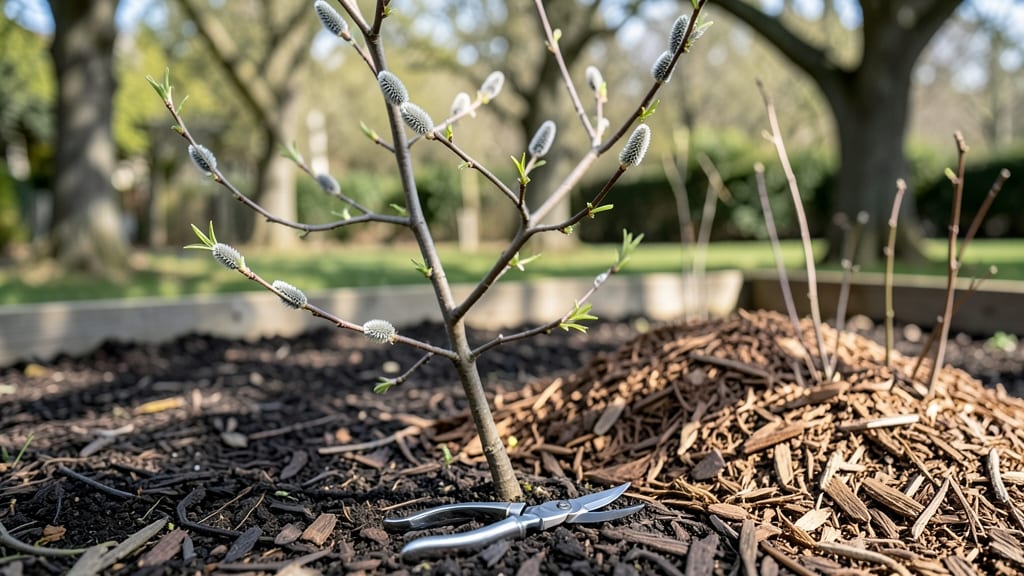
Pruning pussey willow trees transforms them from leggy shadows into lush, flower-filled showstoppers—if you do it right. 🌿 I’ve watched these willows go from sad, sparse branches to dense, blooming clouds just by making a few strategic cuts at the right time.
The secret isn’t brute force; it’s understanding how willows grow and when to guide them.
Timing matters most: prune in late winter or early spring before new growth starts, or right after flowering in late spring. You’ll need sharp bypass pruners, loppers for thicker branches, and a ladder if your tree’s over 6 feet tall.
The goal is to shape the tree while encouraging new shoots—every cut you make should open the canopy to sunlight and air, which spurs bushier growth.
Start by removing any dead, crossing, or rubbing branches first—they’re the weak points that invite disease. Then, cut back one-third of the oldest stems to the ground to rejuvenate the tree.
For a fuller look, trim back the remaining branches by half their length, cutting just above a bud or side branch. The result? A tree that bursts with fresh green leaves and fragrant catkins come spring.
After pruning, give your pussey willow a deep watering to help it recover, and keep an eye out for new shoots emerging from the base.
These willows are tough, but they reward precision—skip the heavy-handed approach, and you’ll end up with a tree that’s healthier, denser, and covered in blooms for years to come.
📚 In This Guide
- What you need
- Instructions
- Tips and common mistakes
- Wrapping up and next steps
What you need
- ● Pruning shears: Bypass pruners (sharp, clean, and sterilized with rubbing alcohol) for small branches (up to ½-inch thick).
- ● Loppers: For medium branches (½-inch to 1½-inch thick)—look for bypass-style loppers with a 4–6-foot reach.
- ● Pruning saw: A curved-tooth saw for thicker branches (1½+ inches). Choose a 7–10-inch blade for precision.
- ● Gloves: Heavy-duty, cut-resistant gloves (e.g., mechanics’ or gardening gloves) to protect hands from thorns and sap.
- ● Disinfectant: 70% isopropyl alcohol or a 10% bleach solution (1 part bleach to 9 parts water) to sterilize tools between cuts.
- ● Heavy-duty trash bags: 30–50 gallon capacity for collecting pruned branches and debris.
- ○ Ladder (optional): Aluminum extension ladder (rated for 250+ lbs) if your tree exceeds 8 feet in height.
- ● Hand pruners with telescopic handles for high branches (extendable up to 10 feet).
- ● Tree wound pruning sealant (e.g., Tanglefoot Tree Wound Pruning Seal) to protect large cuts (though not always necessary for willows).
- ● Safety goggles to shield eyes from debris.
- ● Knee pads or a stool for comfort during prolonged pruning sessions.
Step-by-step guide for pruning Pussey willow trees
Here's my foolproof method for shaping these fast-growing beauties—no guesswork, just clear cuts.
✂️ Step 1: Time Your Pruning for Maximum Impact
Prune your Pussey willow in late winter or early spring, just as buds begin to swell but before new growth starts. This timing ensures you're cutting back when the tree is dormant but about to spring to life. Avoid pruning in fall—you'll encourage tender new growth that won't survive winter's chill.
Look for plump, swollen buds along the branches—these signal the tree is preparing to grow. If you see any green shoots already pushing out, it's too late for this round of pruning. I like to schedule my cuts for February or March, depending on your local climate zone.
✂️ Step 2: Remove Dead or Weak Branches First
Start by identifying branches that are dead, diseased, or crossing—these take priority. Dead branches will be dry, brittle, and snap easily when bent. Diseased branches may have discolored bark, oozing sap, or unusual growths. Cut these out completely at the branch collar (the swollen area where the branch meets the trunk).
Use clean, sharp pruning shears to make a smooth cut just outside the branch collar. Never leave stubs—this invites rot and weakens the tree. If a branch is larger than 1 inch in diameter, use a pruning saw instead. You'll know you're on the right track when the cuts look clean and the tree's structure starts to look more open.
✂️ Step 3: Shape for Bushier Growth
To encourage a fuller, bushier Pussey willow, focus on selective thinning rather than heavy shearing. Start at the outermost branches and work your way inward. Cut back branches by one-third to one-half their length—this stimulates new growth from the base of the cut. Avoid cutting into old wood; always leave at least one set of healthy buds on each remaining branch.
Step back frequently to check your progress. The goal is to create an open center that allows sunlight and air to circulate. If you see branches growing inward or rubbing against each other, trim those first. I like to shape my Pussey willow into a rounded, vase-like form—this not only looks stunning but also encourages even blooming along the entire branch structure.
💧 Step 4: Clean Up and Protect the Tree
After pruning, gather all the clippings and remove them from the area to prevent disease or pests from taking hold. Sterilize your pruning tools with rubbing alcohol or a 10% bleach solution to kill any lingering pathogens. This is especially important if you've removed diseased branches.
Give your Pussey willow a deep watering right after pruning to help it recover. The roots will need to support all that new growth you've encouraged. If your tree is particularly large or heavily pruned, consider applying a balanced, slow-release fertilizer to support its revival. Watch for new shoots emerging within 2-4 weeks—that's your sign the pruning worked!
Tips & tricks for perfect Pussey willow pruning
A few simple tricks will help you transform your Pussey willow into a lush, blooming beauty without the guesswork.
Timing is Everything: The late winter to early spring window is non-negotiable for best results. I've learned this the hard way—pruning too early leaves your tree vulnerable to cold snaps, while waiting too long risks encouraging weak growth that won't survive winter. If you're in a warmer climate zone, aim for February; cooler areas should target March. Look for those plump buds as your green light to start cutting.
Tool Prep Prevents Problems: Your pruning shears and saw need to be as sharp as your focus. Dull tools crush branches instead of making clean cuts, which can damage the tree's healing process. Before you start, test your shears on a small branch—they should cut through cleanly without tearing. I keep a small file in my tool bag to sharpen blades between pruning sessions, and always sterilize tools with rubbing alcohol after each use, especially when dealing with diseased branches.
Shape with Purpose: When you're shaping your willow, think about creating that open center like a vase. This isn't just about looks—proper airflow reduces disease risk and encourages even blooming. I like to work in thirds: first the outer branches, then the middle, and finally any stubborn inward-growing branches. Remember, you're not just cutting—you're sculpting. Step back every few minutes to check your progress against that rounded form.
Recovery Matters More Than You Think: That deep watering after pruning isn't just a nice gesture—it's essential. The roots need to compensate for all the new growth you've stimulated. I've seen trees that looked perfect after pruning but struggled because they didn't get enough water. For larger trees or heavy pruning jobs, that balanced fertilizer gives them the extra boost they need to bounce back strong. Watch for those first new shoots in 2-4 weeks—that's your reward for doing it right.
Pro Tips for Pruning Pussey Willow Trees
- A few simple tricks will help you transform your Pussey willow into a lush, blooming beauty without the guesswork.
- Timing is Everything: The late winter to early spring window is non-negotiable for best results.
- Tool Prep Prevents Problems: Your pruning shears and saw need to be as sharp as your focus.
Frequently asked questions
Got questions about pruning your pussey willow trees?
You’re not alone—this delicate task can feel tricky! Below, we’ve answered the most common questions to help you prune like a pro and keep your willows thriving.
When is the best time to prune pussey willow trees?
The ideal time is late winter or early spring, just before new growth begins. This timing minimizes stress on the plant and encourages vibrant blooms. Avoid pruning in fall or winter, as cold weather can hinder healing. If you must prune in summer, do so early in the season to avoid stunting flower production.
How much can I cut back without harming the tree?
Pussey willows are resilient! You can safely remove up to one-third of the plant’s height in a single pruning session. Focus on cutting back overgrown or leggy stems to the nearest bud or branch junction. Avoid heavy pruning more than once a year—this can weaken the tree and reduce flowering.
Will pruning make my pussey willow bushier?
Pruning stimulates new growth at the base, leading to a fuller, denser shape. Cut back older stems to encourage younger, more vigorous branches. For a bushier look, trim just above a leaf node or bud—this signals the plant to branch out. Pair pruning with regular fertilization for best results!
What should I do if my pussey willow isn’t blooming after pruning?
If your willow skips blooms, check these fixes:
- Light exposure: Ensure it gets full sun (6+ hours daily)—shady spots reduce flowering.
- Pruning timing: Late spring pruning may cut off flower buds. Stick to winter/early spring.
- Nutrition: Apply a balanced fertilizer (like 10-10-10) in early spring to boost blooms.
- Patience: Some willows take 1-2 years to rebound after heavy pruning.
Are there alternatives to pruning for shaping pussey willows?
If pruning feels too intense, try these gentle methods:
- Pinching: Use your fingers to pinch off new growth tips in spring to encourage branching.
- Selective thinning: Remove only the most unruly stems instead of heavy cuts.
- Staking: Train young stems with soft ties to grow in a desired shape.
For dramatic changes, though, pruning is the fastest way to revitalize your willow’s form!
Wrapping up and next steps
Pruning your pussey willow isn’t just about keeping it tidy—it’s your secret weapon for bushier blooms and healthier growth! 🌿 By mastering the right cuts, timing, and tools, you’ll transform a sparse shrub into a lush, vibrant centerpiece.
Remember: patience and precision pay off, and your willow will thank you with fuller foliage and stunning flowers.
Ready to roll up your sleeves? Grab your pruners, mark your calendar for early spring, and give your pussey willow the TLC it deserves. Your future blooms will be the talk of the neighborhood! 🌸✨