
Pruning
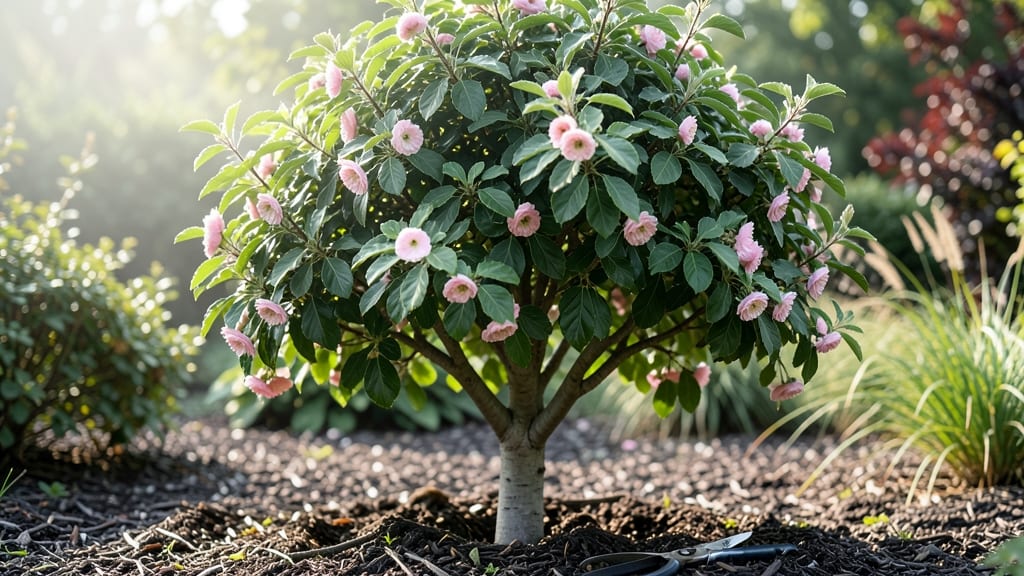
Planting a Summer Wonder crabapple tree is like inviting a four-season showstopper into your landscape—its delicate pink blooms in spring, glossy foliage all summer, and fiery red berries in fall make it the star of any garden.
I remember the first time I saw one in full bloom: the way the petals cascaded like pink waterfalls while bees buzzed around it. This isn’t just a tree; it’s a pollinator magnet and a conversation starter wrapped in one.
The real magic happens when you place it strategically—along a lawn edge, as a focal point in a mixed border, or even near a patio where you can enjoy its fragrance up close.
It thrives in full sun to partial shade and handles most soil types, so it’s surprisingly versatile for a tree that looks this polished. Pair it with lavender for a cottage-garden feel or add some ornamental grasses to let its branches take center stage.
By autumn, the Summer Wonder transforms again, its leaves turning golden while the berries stay bright red into winter, feeding birds and adding structure to your yard. The tree’s compact size (20-25 feet tall) means it won’t overwhelm small spaces, yet it still makes a bold statement.
Imagine sipping coffee on your porch while the tree’s branches sway overhead—this is the kind of quiet luxury that turns a garden into a sanctuary.
For best results, give it 15-20 feet of space to grow without competing with other plants, and consider adding a ground cover like creeping thyme to highlight its base.
Whether you’re designing a formal garden or a relaxed cottage retreat, this tree delivers year-round interest with minimal fuss. Let’s make your outdoor space shine with it!
📚 In This Guide
- What you need
- Instructions
- Tips and common mistakes
- Wrapping up and next steps
What you need
- ● Pruning shears: Bypass pruners (sharp, clean, and 5-7 inches long) for small branches.
- ● Loppers: 24-36 inches long for thicker branches (½–1½ inches in diameter).
- ● Pruning saw: Curved-tooth saw for branches 2+ inches thick.
- ● Disinfectant: 70% isopropyl alcohol or 1-part bleach to 9-parts water to sterilize tools.
- ● Gloves: Heavy-duty gardening gloves (cut-resistant for safety).
- ● 5-gallon bucket: For collecting pruned branches and debris.
- ○ Pole saw or extendable pruners: (Optional but helpful for high branches—6–10 feet reach).
- ● Tree wound dressing: Pruning sealant (controversial but useful for large cuts—1–2 inches diameter).
- ● Ladder: Sturdy, non-slip ladder for taller trees (10+ feet).
- ● Marking spray: Fluorescent paint to tag branches for removal (great for complex pruning).
- ● Safety glasses: To protect eyes from debris.
- ● Knee pads: For comfort during ground-level pruning.
- ● Choose a dry, sunny day (avoid rainy or windy conditions).
- ● Have a clear workspace—remove obstacles within 10 feet of the tree.
- ● Check local pruning regulations if your tree is near power lines or sidewalks.
- ● Review your tree’s growth habits—Summer Wonder crabapples bloom in spring and fruit in fall, so time pruning carefully!
Step-by-step guide to planting and caring for a Summer Wonder crabapple tree
This vibrant tree brings four-season beauty and attracts pollinators—here's how to give it the perfect start.
🌱 Step 1: Choose the Right Planting Location and Prepare the Soil
Select a site with full sun—at least 6 hours of direct sunlight daily—and room for the tree to grow to 20-25 feet wide. The Summer Wonder crabapple thrives in well-draining soil, so avoid low spots where water pools. If your soil is heavy clay, mix in 2-3 inches of compost from your materials list to improve aeration.
Dig a hole twice as wide as the root ball but no deeper. This encourages roots to spread outward rather than settling too low. Loosen the sides of the hole with a shovel to prevent compacting when you backfill later. The tree will thank you with stronger growth and better stability.
🪴 Step 2: Plant the Tree Properly for Strong Growth
Remove the tree from its container and gently tease apart any circling roots with your fingers. Place it in the hole so the top of the root ball sits level with the surrounding soil—burying too deep can suffocate the trunk. Use a level to check, and adjust by adding or removing soil as needed.
Backfill the hole with the native soil, tamping lightly every 6 inches to remove air pockets. Water deeply to settle the soil around the roots, then add a 2-inch layer of mulch over the root zone, keeping it 3 inches away from the trunk. This conserves moisture and regulates soil temperature. Avoid piling mulch against the trunk—it can cause rot.
☀️ Step 3: Water and Fertilize for the First Critical Growing Season
Water the tree deeply once a week for the first month, then taper to every 10-14 days unless rainfall provides 1 inch of moisture. Check soil moisture by sticking your finger 2 inches deep—if it feels dry, water again. Overwatering is just as harmful as underwatering, so let the topsoil dry slightly between waterings.
Apply a balanced, slow-release fertilizer (like a 10-10-10 formula) in early spring and again in mid-summer to support new growth. Follow the package instructions for application rates, but avoid fertilizing in fall or winter—this encourages tender growth that won’t survive cold snaps. The Summer Wonder crabapple is relatively low-maintenance, but this extra care ensures vibrant blooms and lush foliage.
✂️ Step 4: Prune and Maintain for Health and Beauty
Prune in late winter or early spring before new growth begins, removing any dead, damaged, or crossing branches. Use clean, sharp pruners to make cuts just outside the branch collar—the swollen area where the branch meets the trunk. This promotes faster healing and reduces disease risk. Limit pruning to no more than 25% of the tree’s canopy in any one year to avoid stressing the plant.
Watch for signs of pests like aphids or scale insects, which can weaken the tree. A strong blast of water from a hose often dislodges them, but for persistent infestations, use an organic insecticidal soap labeled for fruit trees. The Summer Wonder crabapple’s dense foliage and small fruit also make it a magnet for birds and pollinators—leave some fruit on the tree to support local wildlife.
Tips & tricks for perfect Summer Wonder crabapple planting
Transforming a bare spot into a pollinator magnet starts with these essential planting and care tips.
Sunlight Secret: Those 6 hours of daily sunlight are non-negotiable for your Summer Wonder crabapple. If your yard has partial shade, position the tree where it gets the most direct morning sun—this is when sunlight is strongest. I've seen trees struggle in spots with afternoon shade, even when they technically meet the 6-hour requirement. Consider adding a small shade structure nearby if you notice leaves yellowing in summer afternoons.
Root Ball Placement: The instructions mention placing the root ball so its top sits level with the soil, but here's what nobody tells you—use a small stake to mark the exact position before removing the tree from its container. This helps you visualize where the trunk should end up. After planting, the soil line should be about 1 inch below the graft union (the bump where the trunk meets the rootstock) if your tree has one. This prevents suffocation while maintaining stability.
Mulch Matters: That 2-inch layer of mulch isn't just decoration—it's a living layer that regulates soil temperature and retains moisture. I recommend using shredded hardwood mulch because it breaks down slowly and improves soil structure over time. Refresh the mulch layer every spring, adding new material to maintain the 2-inch depth. Just remember to keep it 3 inches away from the trunk to prevent rot—this is where many new gardeners go wrong.
Watering Wisdom: The first month's weekly deep watering is crucial, but timing matters just as much as quantity. Water in the morning between 6-10 AM to reduce evaporation and give roots time to absorb moisture before the heat of the day. If you're using a soaker hose, let it run for about 20 minutes per zone to ensure the water penetrates 6-8 inches deep. You'll notice the soil around the roots stays consistently moist but not soggy—this is the ideal balance for establishing strong root systems.
Pro Tips for Summer Wonder Crabapple Tree
- Transforming a bare spot into a pollinator magnet starts with these essential planting and care tips.
- Sunlight Secret: Those 6 hours of daily sunlight are non-negotiable for your Summer Wonder crabapple.
- This helps you visualize where the trunk should end up.
Frequently asked questions
about the Summer Wonder Crabapple Tree—because every gardener deserves clarity! Here are answers to the most common questions to help you nurture this stunning pollinator magnet with confidence.How often should I prune my Summer Wonder Crabapple Tree?
Prune your Summer Wonder Crabapple once a year, ideally in late winter or early spring (before buds swell). This timing promotes healthy growth and vibrant blooms. Avoid heavy pruning in fall, as it can stimulate tender new growth vulnerable to winter damage.
When can I expect flowers, fruit, and fall color?
This tree delivers year-round interest! Expect white spring blooms (April–May), small red crabapples (summer), and stunning burgundy fall foliage (September–October). The prolonged bloom season (up to 6 weeks!) makes it a standout for pollinators.
What tools do I need for pruning, and how do I sterilize them?
Grab sharp bypass pruners (for branches <1" thick) and loppers (for thicker stems). Sterilize tools with 70% isopropyl alcohol or a 10% bleach solution between cuts to prevent disease spread. Disinfect after each tree if working in multiple gardens.
Why aren’t pollinators visiting my tree?
If bees or butterflies seem scarce, check for pesticide use (neonicotinoids are toxic—skip them!). Ensure the tree is healthy and well-watered, as stress reduces flower production. Plant companion flowers (like coneflowers or lavender) nearby to attract more visitors.
Can the Summer Wonder Crabapple grow in hot, dry climates?
Yes! While it thrives in USDA Zones 4–8, it prefers moderate moisture. In hot/dry areas, mulch deeply (3–4 inches) and water weekly during droughts. Drip irrigation helps conserve water while keeping roots cool. Drought-tolerant once established, but young trees need extra care.
How large does this tree get, and does it need staking?
The Summer Wonder typically reaches 20–25 feet tall and wide at maturity. Young trees (first 2 years) may need staking if planted in windy areas or heavy soil. Choose flexible stakes and soft ties to avoid girdling. Prune lower branches to encourage a strong trunk.
Wrapping up and next steps
The Summer Wonder Crabapple Tree isn’t just a plant—it’s a year-round celebration of color, texture, and life. With its vibrant blooms, lush foliage, and wildlife-friendly appeal, it transforms any space into a thriving ecosystem.
Whether you’re a seasoned gardener or just starting, this tree offers beauty and purpose, making it a standout choice for pollinators and curb appeal alike.
Ready to bring this pollinator paradise to your yard? Start by gathering your tools, planning your pruning schedule, and giving your tree the care it deserves. Your future garden—and its buzzing visitors—will thank you! 🌸🐝