
Flowers
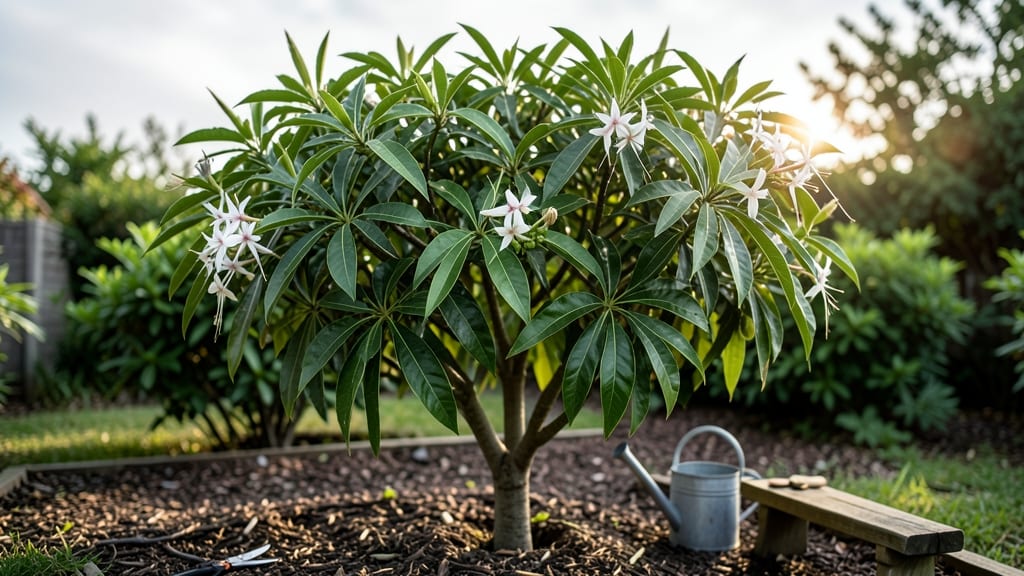
Star fruit tree flowers transform your garden into a fragrant paradise—each delicate bloom carries the promise of sweet harvests and buzzing pollinators. 🌸 I still remember the first time I saw my tree explode with these star-shaped blossoms: the air filled with a honeyed scent that drew bees from miles away, and within weeks, the branches bent under the weight of fruit.
These aren't just pretty faces; they're the lifeblood of your harvest.
The secret to coaxing these blooms lies in timing and care. Star fruit trees thrive in warm climates (zones 10-11) and need full sun to produce their best flowers.
When spring arrives, you'll notice tiny buds forming along the branches—this is your cue to adjust watering slightly and avoid heavy fertilizing, which can delay flowering. The flowers themselves are edible, with a mild, citrusy flavor that adds a unique twist to salads or teas.
What makes these blooms special is their dual role: they feed pollinators while setting the stage for your fruit. A single tree can produce hundreds of flowers, but not all will develop into fruit—some become bee snacks instead.
The key to a bountiful harvest is ensuring you have enough pollinators (like native bees) and avoiding over-pruning, which can stress the tree and reduce flowering.
Once you understand their needs, you'll see your star fruit tree reward you with years of fragrant blooms and sweet, crunchy fruit. The best part? These trees are low-maintenance once established, making them perfect for gardeners who want beauty and bounty without the fuss. Let's get those flowers thriving!
📚 In This Guide
- What you need
- Instructions
- Tips and common mistakes
- Wrapping up and next steps
What you need
- ● Star fruit tree seedlings or cuttings: 1-2 healthy, disease-free plants (choose varieties like Averrhoa carambola ‘Arka Amrit’ or ‘Arka Sahan’ for optimal blooms).
- ● Well-draining soil: 5-10 lbs of a mix of 60% garden soil, 30% compost, and 10% perlite/sand (pH 5.5–6.5).
- ● Pot or planting area: For containers: 15–20 gallon pot (with drainage holes) per plant.
- ● For in-ground: Full sun spot (6+ hours/day) with space for mature height (10–20 ft).
- ● Fertilizer: Balanced NPK (10-10-10) or citrus-specific fertilizer: 1 lb per plant (sprinkle around base).
- ● Micronutrients: 1 tbsp of Epsom salt (magnesium) per plant (monthly during blooming season).
- ● Watering can or hose: With a gentle spray nozzle (avoid soaking flowers).
- ● Pruning shears: Sharp, sterilized shears (for shaping and deadheading).
- ● Mulch: 2–3 inches of organic mulch (straw or wood chips) to retain moisture.
- ● Pollinator attractants: Bee-friendly flowers (e.g., marigolds) planted nearby.
- ● pH test kit: To monitor soil acidity (adjust with lime or sulfur if needed).
- ● Shade cloth (30–50%): For young plants in scorching climates.
- ● Grow lights (LED, full spectrum): If extending indoor growing seasons.
Step-by-Step guide to cultivating star fruit tree flowers
Watch as these fragrant, edible blooms transform your garden into a pollinator paradise!
🌱 Step 1: Choose the Right Location for Planting
Star fruit trees thrive in full sun, so pick a spot that receives at least 6-8 hours of direct sunlight daily. These tropical beauties need warmth—70-85°F is ideal—so if you live in a cooler climate, plant them near a south-facing wall or use a greenhouse. The soil should drain well, so avoid low-lying areas where water pools. I like to test drainage by digging a hole, filling it with water, and waiting to see if it drains within 30-60 minutes. If it sits longer, amend the soil with 1-2 inches of coarse sand or perlite to improve airflow.
Star fruit trees also love shelter from strong winds, which can damage their delicate flowers. If your garden is exposed, consider planting near a fence or using a windbreak. The right spot sets the stage for healthy growth and stunning blooms—don’t rush this step!
☀️ Step 2: Plant at the Correct Time and Depth
Timing matters! Plant your star fruit tree in early spring, after the last frost, when the soil has warmed to at least 60°F. Dig a hole twice as wide as the root ball but only as deep—planting too deep can suffocate the roots. Gently loosen the roots if they’re circling in the pot, then place the tree in the hole and backfill with soil, pressing lightly to remove air pockets. Water deeply right after planting to settle the soil and encourage root contact.
Here’s the thing—star fruit trees are sensitive to cold. If you’re in a frost-prone area, wait until nighttime temperatures stay above 50°F consistently. You’ll know you’ve planted correctly when the tree stands upright without leaning, and the soil line at the base is level with the surrounding ground. Mulch around the base with 2-3 inches of organic mulch (like wood chips) to retain moisture and regulate soil temperature.
💧 Step 3: Water and Fertilize for Optimal Bloom Production
Newly planted star fruit trees need deep watering 2-3 times per week until established, which takes about 6-12 months. Water slowly at the base, avoiding the leaves to prevent fungal diseases. You’ll know it’s enough when water drains 6-8 inches deep into the soil. Overwatering is a common mistake—yellowing leaves or mushy stems signal you’re overdoing it. Let the top 2 inches of soil dry out between waterings once the tree is established.
Fertilize in early spring with a balanced, slow-release fertilizer (like 10-10-10) to encourage lush foliage and flowers. I like to split the dose into two applications: half in spring and half in early summer. Avoid high-nitrogen fertilizers—they promote leafy growth at the expense of blooms. Star fruit trees are heavy feeders, so repeat this process annually. You’ll see the difference in vibrant, fragrant flowers within a season!
✂️ Step 4: Prune and Support for Healthy Flowering
Pruning isn’t just about shaping—it’s about encouraging strong, flowering branches. Start pruning in late winter or early spring before new growth begins. Remove any dead, diseased, or crossing branches first, then trim back overgrown branches to open the canopy for better airflow and sunlight penetration. Cut just above a leaf node or outward-facing bud to promote new growth. I avoid heavy pruning in the first year, as young trees need all their energy to establish roots.
Star fruit trees can get top-heavy with fruit, so consider staking young trees until they’re well-rooted. You’ll know it’s time when the tree stands firmly on its own without leaning. Prune again in early summer to shape the tree and remove any suckers at the base. This keeps the tree focused on producing fragrant, edible flowers instead of wasted energy on unwanted growth.
🪴 Step 5: Encourage Pollinators and Protect Flowers
Star fruit tree flowers are a magnet for pollinators like bees and butterflies, but they’re also delicate. To protect them, avoid pesticides—especially when flowers are in bloom. If pests like aphids or mealybugs appear, use a gentle horticultural oil spray in the evening when pollinators are less active. You’ll see bees and butterflies flocking to your tree, which means better fruit set later on!
Hand-pollinate if needed, especially in areas with few pollinators. Use a soft paintbrush to transfer pollen from one flower to another on a warm, sunny morning when flowers are fully open. Watch for white, star-shaped blooms—these are your signal that the tree is ready for pollination. With the right care, your star fruit tree will reward you with fragrant, edible flowers and eventually delicious fruit. It’s a sight (and smell!) you won’t forget.
Tips & tricks for cultivating star fruit tree flowers
These simple secrets will help you coax the most stunning, fragrant blooms from your star fruit tree!
Sunlight Secret: While the instructions mention 6-8 hours of sunlight, I’ve found that positioning your tree near a south-facing wall can actually extend effective sunlight exposure by reflecting light back onto the leaves. This is especially helpful if you’re in a cooler climate where direct sun hours might be limited. Watch for leaves turning pale yellow—this is your tree’s way of saying it’s thirsty for more light!
Soil Test Hack: The drainage test in Step 1 is crucial, but here’s what nobody tells you—add a handful of compost to the drainage hole before testing. This mimics the natural soil environment and gives you a more accurate reading of how your amended soil will actually perform. If water drains within 30-60 minutes with compost mixed in, you’re golden!
Fertilizer Timing: The instructions suggest splitting your fertilizer into two applications, but I’ve discovered a little secret: add a third light application in late summer to give your tree an energy boost for next year’s blooms. Use half the strength of your regular dose—think of it as a vitamin shot rather than a full meal. This extra feeding helps establish strong root systems that will support even more fragrant flowers!
Pruning Precision: When pruning in Step 4, look for branches that grow at a 45-degree angle—these are your "flowering branches." These angled branches receive optimal sunlight and airflow, which triggers more abundant blooms. If you’re unsure which branches to keep, remember: "thin over thick" is the golden rule. You want to create an open canopy that lets sunlight reach all parts of the tree.
Pro Tips for Star Fruit Tree Flowers
- These simple secrets will help you coax the most stunning, fragrant blooms from your star fruit tree!
- This is especially helpful if you’re in a cooler climate where direct sun hours might be limited.
- Soil Test Hack: The drainage test in Step 1 is crucial, but here’s what nobody tells you—add a handful of compost to the drainage hole before testing.
Frequently asked questions
Got questions about those stunning star fruit tree flowers? You’re not alone! Here are some of the most common queries—plus quick answers to help you grow with confidence.
When do star fruit tree flowers bloom, and how long do they last?
Star fruit trees (Averrhoa carambola) typically bloom in spring or early summer, with flowers lasting 1–3 days per bloom. Each flower opens in the morning and wilts by evening, but new buds emerge daily for 4–6 weeks. For best results, plant in warm climates (USDA zones 10–11) or grow in containers and overwinter indoors.
Do star fruit flowers need pollinators, or can they self-pollinate?
While star fruit trees can self-pollinate, they produce more fruit with cross-pollination. Bees, butterflies, and even hummingbirds love their fragrant blooms! If pollinators are scarce, gently hand-pollinate flowers with a small brush. Pro tip: Plant two trees nearby to boost fruit yield!
Why aren’t my star fruit tree flowers turning into fruit?
Several factors might be at play: cool temperatures (below 60°F), lack of sunlight (6+ hours daily), or nutrient deficiencies (especially nitrogen or phosphorus). Check for pests (like aphids) and ensure your tree is well-watered but not soggy. If flowers drop without fruiting, it could signal stress—adjust care and monitor for improvement.
Can I grow star fruit flowers indoors, or do they need outdoor conditions?
Star fruit trees thrive outdoors in tropical/subtropical climates, but you can grow them indoors in large pots with bright, indirect light (a south-facing window or grow lights). Flowers may still appear, but fruit production is rare indoors due to limited pollination and space. If you’re in a cooler climate, bring potted trees inside during winter to protect them.
Are star fruit flowers edible, or just the fruit?
While the fruit is edible and delicious, the flowers are not typically eaten—they’re bitter and astringent. However, some cultures use them in decorative teas or garnishes (sparingly!). Focus on enjoying their fragrant beauty and attracting pollinators instead. Fun fact: Their star-shaped fruit gets its name from the flower’s unique five-petaled design!
Wrapping up and next steps
Growing star fruit tree flowers is a rewarding journey that brings beauty, fragrance, and even delicious fruit to your garden! 🌸 Whether you're a beginner or an experienced gardener, these fragrant blooms are a fantastic addition to any landscape, attracting pollinators and adding a tropical touch.
Now that you’re equipped with the right knowledge, it’s time to roll up your sleeves and watch your star fruit tree thrive.
Your next step? Plant with confidence! Choose a sunny spot, prepare the soil, and give your star fruit tree the love it deserves. Before you know it, you’ll be enjoying the sweet scent of its flowers—and maybe even harvesting star fruits in the future. Happy gardening! 🌱