Pruning
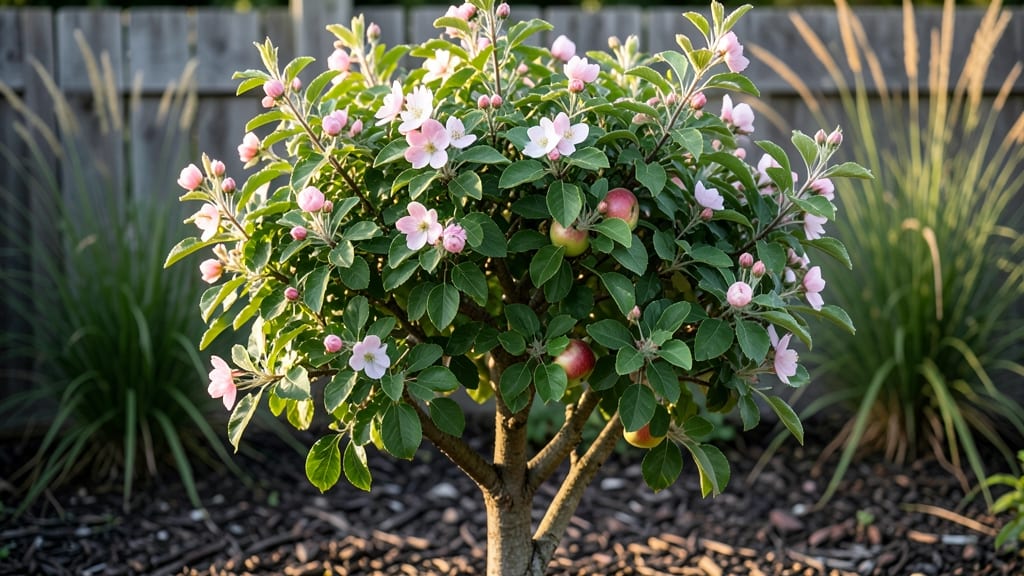
A small apple fruit tree in your backyard means crisp, homegrown apples without the sprawling mess of traditional varieties.
I planted my first dwarf apple tree last spring, and within a year, it produced enough fruit to make jam for half my neighborhood—all from a tree that fits neatly in a corner.
The key lies in choosing the right variety and giving it the right care from the start, so you’re not left with bitter fruit or a tangled mess of branches.
You’ll need a sunny spot with at least 6 hours of light daily, well-draining soil, and a little patience for the first few years. Dwarf varieties like ‘Liberty’ or ‘Columnar’ stay under 8 feet tall, making them perfect for small yards, containers, or even urban patios.
Pruning in late winter keeps the shape manageable and encourages strong growth, while regular watering—about 1-2 gallons per week—prevents stress that leads to pests or poor fruit quality.
By summer, you’ll be harvesting apples that taste sweeter than anything from the store, with skins that blush in the sun. The best part? These trees thrive for decades, rewarding you with harvests year after year.
Once you master the basics, you can experiment with pollination partners or even graft new varieties onto your tree—endless possibilities in a compact package.
Whether you’re working with a raised bed, a large pot, or just a corner of your yard, dwarf apple trees adapt beautifully. The secret to success is consistency: prune early, water deeply, and watch your tree transform from a bare sapling into a fruit-bearing powerhouse. Ready to get started?
📚 In This Guide
- What you need
- Instructions
- Tips and common mistakes
- Wrapping up and next steps
What you need
- ● Pruning shears: Bypass pruners (sharp, 7–9" blades) for small branches (1/4"–3/4" diameter). Quantity: 1 pair.
- ● Loppers: Bypass or anvil type (longer handles, 18–24") for thicker branches (3/4"–2" diameter). Quantity: 1 pair.
- ● Pruning saw: Curved-tooth saw (for branches >2" diameter). Quantity: 1.
- ● Disinfectant: 70% isopropyl alcohol or diluted bleach solution (1 part bleach to 9 parts water) to sterilize tools between cuts. Quantity: Small spray bottle or wipe.
- ● Gloves: Heavy-duty gardening gloves (cut-resistant for protection). Quantity: 1 pair.
- ○ Pruning sealant: Optional but helpful (tree wound paint) for large cuts to prevent disease. Quantity: Small bottle.
- ● Ladder or step stool: Lightweight, stable (if tree is >6 ft tall). Height: Adjustable to reach canopy.
- ● Trash bags: Heavy-duty for collecting pruned branches. Quantity: 2–3.
- ● Weather check: Prune on a dry, cloudy day (avoid extreme heat or frost).
- ● Tree health: Ensure your tree is dormant (late winter/early spring) or just finished fruiting (summer) for best results.
- ● Safety first: Wear safety glasses and avoid pruning near power lines.
- ● Clean workspace: Lay down tarps or old sheets to catch debris.
- ● 🔥 Sharpen your tools! Dull blades tear bark—ruining your tree’s health.
- ● ✨ Label cuts: Use masking tape to mark branches to remove before starting.
- ● 🌡️ Work in layers: Remove smaller branches first, then tackle thicker ones.
Step-by-Step guide for cultivating a compact apple tree
Here’s how to keep your dwarf apple tree thriving with minimal fuss—perfect for small yards or containers.
🌱 Step 1: Plant in Well-Draining Soil with Proper Spacing
Dig a hole twice as wide as the root ball but no deeper. This prevents waterlogging, which dwarfs hate. Amend the native soil with 2-3 inches of compost mixed into the bottom of the hole—this improves drainage and gives roots a nutrient boost right away.
Place the tree so the graft union sits 2-3 inches above soil level. This ensures the tree stays dwarf-sized and prevents buried roots from rotting. Backfill with native soil, tamping gently to remove air pockets. Water deeply until moisture reaches 6 inches down—you’ll know it’s enough when the soil feels damp but not soggy.
☀️ Step 2: Position for Full Sun and Wind Protection
Dwarf apple trees need 6-8 hours of direct sun daily for optimal fruiting. A south- or west-facing spot works best, but even north-facing areas can work if you supplement with a dwarf grow light during short winter days. Avoid low spots where cold air settles—this can damage blossoms in spring.
If your tree is in a windy area, install a stake and tree tie immediately after planting. Wind stress weakens young trees and can snap branches. Bury the stake 1/3 of its length in the hole before planting, then loosely tie the trunk to it with soft fabric. Check ties monthly—they’ll need adjustment as the tree grows.
💧 Step 3: Water Deeply and Mulch to Retain Moisture
Water once a week during the first growing season, delivering 1-2 gallons per tree each time. Let the top 2 inches of soil dry out between waterings—this encourages deep root growth. Overwatering leads to shallow roots and fungal issues, so resist the urge to water lightly daily.
Spread 2-3 inches of mulch (wood chips or straw) around the base, keeping it 6 inches away from the trunk. Mulch locks in moisture and regulates soil temperature, but too much against the trunk can cause rot. Refresh the mulch layer annually—it breaks down faster than you’d think.
✂️ Step 4: Prune for Shape and Airflow in Late Winter
Prune just before buds swell (late winter) to remove dead, crossing, or inward-growing branches. Use clean, sharp pruners to make cuts at a 45-degree angle just above an outward-facing bud. This encourages strong growth and prevents disease from ragged cuts.
Thin the canopy to let sunlight reach the center—apples need light on all branches to fruit well. Aim for an open vase shape with 3-4 main scaffold branches. Avoid heavy pruning in summer; it stresses the tree and invites pest problems.
🍎 Step 5: Fertilize and Monitor for Pests in Spring
Apply a balanced 10-10-10 fertilizer in early spring, spreading ½ cup per tree around the drip line. Water it in immediately to prevent root burn. Dwarf trees don’t need much—too much fertilizer leads to leafy growth at the expense of fruit. Skip fertilizer in fall to encourage dormancy.
Check leaves weekly for aphids or mites, especially on new growth. Spray with neem oil at the first sign of pests—it’s organic, effective, and won’t harm bees. A strong tree with good airflow rarely gets severe infestations, but early action prevents outbreaks.
Tips & tricks for perfect compact apple tree care
Here's what I've learned from years of growing dwarf apple trees—these tricks will help you avoid common pitfalls and keep your compact tree thriving.
Soil Preparation Secret: Before planting, test your soil's pH—dwarf apple trees prefer a range of 6.0 to 6.5. If your soil is too heavy clay, mix in 10-20% sand to improve drainage. I've seen trees fail in poorly draining soil even when all other conditions were perfect. The 2-3 inches of compost in Step 1 is non-negotiable for young trees—it gives their roots the energy boost they need to establish quickly.
Sunlight Strategy: That 6-8 hours of direct sun requirement is critical, but don't assume all sun exposure is equal. Morning sun is gentler than afternoon sun, especially in hot climates. If your tree gets intense afternoon sun, consider providing afternoon shade during the hottest months to prevent leaf scorch. A simple shade cloth works wonders without sacrificing the sunlight hours needed for fruiting.
Watering Wisdom: The once-weekly watering schedule in Step 3 works best when your tree is established, but new plantings need more frequent watering—about 2-3 gallons every other day for the first month. Use your finger to check moisture: if the top 2 inches are dry, it's time to water. I've learned the hard way that underwatering causes stress that invites pests, while overwatering creates the perfect conditions for root rot.
Pruning Precision: When you're pruning in late winter, look for branches that grow straight up or down—they're called "water sprouts" and they steal energy from fruit production. Cut these back to an outward-facing bud. Also, never remove more than 25% of the tree's foliage in one pruning session, or you'll shock the tree. I mark my cuts with a piece of tape before making them to visualize the final shape.
Pro Tips for Small Apple Fruit Tree
- Here's what I've learned from years of growing dwarf apple trees—these tricks will help you avoid common pitfalls and keep your compact tree thriving.
- Soil Preparation Secret: Before planting, test your soil's pH—dwarf apple trees prefer a range of 6.0 to 6.5.
- Sunlight Strategy: That 6-8 hours of direct sun requirement is critical, but don't assume all sun exposure is equal.
Frequently asked questions
Got questions about growing and caring for your small apple fruit tree? You’re not alone! Here are some of the most common queries—plus quick answers to keep your tree thriving.
How often should I prune a small apple tree?
Prune your small apple tree twice a year: once in late winter (before buds swell) to shape the canopy, and again in summer (after harvest) to remove water sprouts. Avoid heavy pruning in fall—it can stimulate new growth vulnerable to frost damage. Keep cuts clean and angled to promote healing!
When do small apple trees start bearing fruit?
Most dwarf apple trees begin producing fruit in 2–4 years, depending on variety, care, and climate. Patience is key! Ensure proper pollination (plant two compatible varieties if bees are scarce) and consistent watering to speed up fruiting. A well-pruned tree yields bigger, healthier apples faster.
Can I grow an apple tree in a container?
Dwarf or columnar apple trees thrive in containers (15–20 gallons minimum). Use well-draining soil, a pot with drainage holes, and repot every 2–3 years. Place in full sun (6+ hours daily) and fertilize regularly. Just remember: container-grown trees need more frequent watering and may produce slightly smaller fruit.
What pests should I watch for on small apple trees?
Common culprits include aphids, codling moths, and apple scab fungus. Monitor leaves for holes, sticky residue (honeydew), or black spots. Use organic sprays (neem oil, horticultural oil) early in the season. Prevention is easier than treatment! Keep the area weed-free and prune for airflow to deter pests.
Do small apple trees need winter protection?
Young trees or those in cold climates benefit from wrapping the trunk with tree guard or burlap to prevent sunscald. Mulch the base (3–4 inches) with straw or wood chips to insulate roots. Avoid heavy mulch piles against the trunk—keep it 2–3 inches away to prevent rot. Most dwarf varieties handle winter well with basic care!
Wrapping up and next steps
Growing a small apple fruit tree is a rewarding journey that combines patience, care, and a little know-how—especially when it comes to pruning! By mastering the art of shaping its compact canopy, you’ll ensure stronger branches, better airflow, and a bountiful harvest of sweet, homegrown apples. 🍏✨
Now that you’re equipped with the right tools and techniques, it’s time to roll up your sleeves and give your tree the TLC it deserves. Start small, stay consistent, and watch your mini orchard thrive—one snip at a time! Ready to prune? Grab your shears and get growing!