
Planting
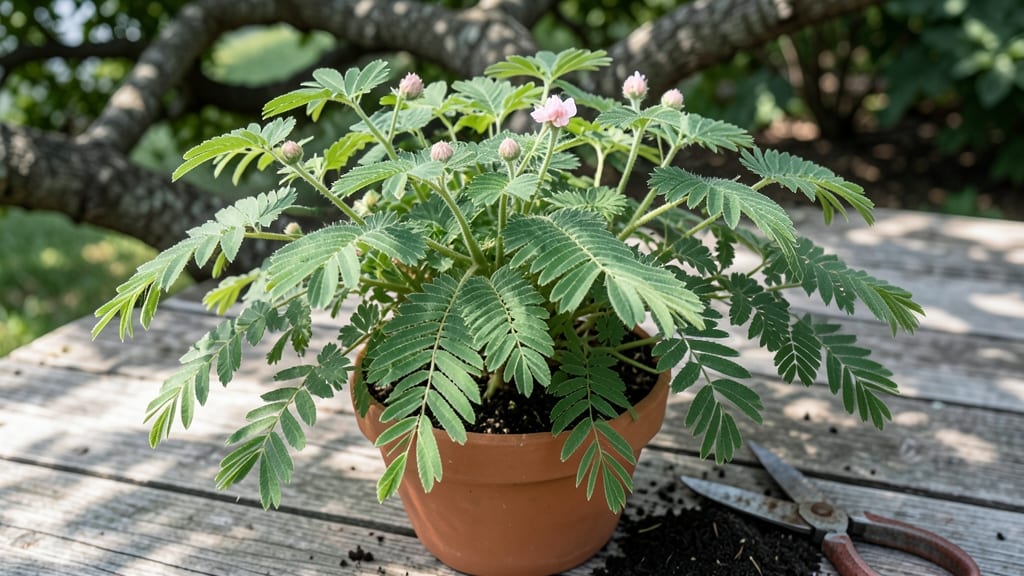
The sensitive plant tree (Mimosa pudica) brings whimsy and wildlife to Pacific Northwest gardens with almost no effort. 🌿 I’ve watched mine fold its leaves at the slightest breeze, then unfurl again by evening—a living curiosity that never fails to delight.
This isn’t just a quirky plant; it’s a pollinator powerhouse, drawing bees and butterflies while thriving in partial shade where many plants struggle.
Here’s the best part: it grows in any well-draining soil, tolerates damp winters, and spreads easily from cuttings or seeds. You’ll spend more time admiring its antics than fussing over it—no fancy fertilizers, no constant pruning, just pure, interactive charm.
Even my black thumb keeps this one alive, and the kids never tire of watching it "play dead" when touched.
By summer, your yard will hum with activity as pollinators flock to its delicate pink blooms, and your neighbors will ask how you grew such an unusual (and alive!) plant.
The trade-off? A few dropped leaves when it gets startled—but that’s part of the fun. Ready to add some magic to your garden?
We’ll cover everything from propagation tricks to pest-proofing, plus how to coax those signature leaf movements year-round. Even in PNW’s cooler, wetter climate, this plant thrives with minimal care—once you know the secrets.
📚 In This Guide
- What you need
- Instructions
- Tips and common mistakes
- Wrapping up and next steps
What you need
- ● Sensitive plant seeds: 10–20 seeds (organic, non-GMO preferred for best results).
- ● Seed-starting mix: 1–2 bags (lightweight, well-draining potting soil blend).
- ● Seed trays or small pots: 2–4 (3–4 inches deep, with drainage holes).
- ● Clear plastic dome or plastic wrap: 1 (to create a humidity tent).
- ● Spray bottle: 1 (for gentle watering).
- ● Grow lights or sunny windowsill: Access to 6+ hours of indirect light daily.
- ● Watering can or cup: 1 (with a fine rose for precision).
- ● Small hand trowel: 1 (for transplanting seedlings).
- ○ Fertilizer (optional but helpful): Balanced liquid fertilizer (e.g., 10-10-10) or compost tea.
- ○ Humidity tray (optional): A shallow tray with pebbles for extra moisture control.
- ● Patience & gentle touch: Mimosa pudica is delicate—avoid disturbing it too much!
Step-by-Step guide to planting and caring for a sensitive plant tree
Here's how to establish this fascinating pollinator favorite in your Pacific Northwest garden.
🌱 Step 1: Choose the Right Location and Prepare the Soil
The sensitive plant tree (Mimosa pudica) thrives in partial shade to full sun but performs best with morning sunlight and afternoon shade—ideal for Pacific Northwest climates where direct afternoon sun can stress leaves. Select a spot with well-draining soil and shelter from strong winds, which can damage its delicate foliage.
Before planting, loosen the soil to a depth of 12 inches using a garden fork. Mix in 2 inches of compost to improve fertility and drainage—this plant hates soggy roots. The sensitive plant tree tolerates a wide pH range (5.0–7.5), but slightly acidic soil (around 6.0) encourages the most vigorous growth. Test your soil if possible, or amend with a handful of peat moss if your garden soil runs alkaline.
🪴 Step 2: Plant the Tree at the Correct Depth and Spacing
Dig a hole twice as wide as the root ball but only as deep—planting too deeply can suffocate the roots. Gently remove the plant from its container and tease apart any circling roots to encourage outward growth. Place the tree in the hole so the top of the root ball sits level with the surrounding soil—never bury the stem.
For 4 plants, space them 3–4 feet apart in a loose cluster or 6 feet apart if planting as individual specimens. This spacing allows room for the plant's bushy, multi-stemmed habit while preventing overcrowding. Backfill the hole with native soil, pressing lightly to eliminate air pockets. Water deeply to settle the soil and encourage root contact.
☀️ Step 3: Establish Watering and Light Routines for Optimal Growth
Water newly planted sensitive plant trees deeply 2–3 times per week until established, ensuring the top 4–6 inches of soil stay consistently moist but not waterlogged. The Pacific Northwest’s mild summers mean you won’t need to water as frequently as in hotter climates, but drought stress causes leaves to wilt permanently. Mulch with 2–3 inches of organic mulch (like shredded bark) to retain moisture and regulate soil temperature.
Monitor light exposure closely—this plant’s leaves fold inward when touched, a defense mechanism that’s less effective in low-light conditions. If growth slows or leaves appear pale, supplement with 4–6 hours of artificial grow light during winter months when daylight is limited. The sensitive plant tree’s pink, pom-pom flowers (its pollinator magnet!) thrive in bright, indirect light, so avoid deep shade.
🌿 Step 4: Prune and Fertilize for Healthy, Bushy Growth
Prune in early spring before new growth begins to shape the plant and encourage branching. Use clean, sharp pruners to trim back any leggy stems by one-third, cutting just above a leaf node. Avoid heavy pruning in fall, as the plant needs energy to harden off for winter. The sensitive plant tree is not cold-hardy in most of the Pacific Northwest (USDA Zones 9–11), so dig up and overwinter indoors in a cool, bright spot if temperatures drop below 30°F.
Fertilize lightly in early spring with a balanced, slow-release fertilizer (10-10-10) applied at half the recommended rate. Over-fertilizing leads to weak, floppy growth and fewer flowers. The sensitive plant tree is a light feeder, so less is more—focus on soil health rather than frequent feedings. Yellowing leaves often signal over-fertilization, so reduce applications if you notice this.
⏰ Step 5: Encourage Pollinators and Maintain Long-Term Health
This plant’s unique flowers attract bees, butterflies, and hummingbirds—plant near a seating area to enjoy the spectacle! To maximize blooms, deadhead spent flowers by pinching them off just above the next set of leaves. This redirects the plant’s energy toward producing more flowers rather than seed pods. The sensitive plant tree’s self-pollinating nature means you won’t need to hand-pollinate, but removing old blooms keeps the plant tidy and encourages continuous flowering.
Check for aphids or spider mites regularly, especially on the undersides of leaves. These pests thrive in dry conditions, so consistent moisture deters infestations. If you spot pests, blast leaves with water or treat with neem oil (diluted per label instructions). The sensitive plant tree’s touch-sensitive leaves make it a fun addition to gardens, but its delicate nature means it’s not drought-tolerant—prioritize consistent care over sporadic watering.
Tips & tricks for perfect sensitive plant tree care
Here's what nobody tells you about keeping this delicate pollinator magnet thriving in your Pacific Northwest garden.
Soil Preparation Secret: When loosening soil to that 12-inch depth in Step 1, focus on breaking up any compacted layers—this plant's roots are shallow but sensitive to poor drainage. I learned this the hard way after watching a neighbor's plant struggle with waterlogged soil. The 2 inches of compost should be mixed thoroughly, not just layered at the bottom, to create uniform moisture retention throughout the root zone. For extra insurance, sprinkle a handful of perlite into the hole during planting to prevent compaction around the roots.
Planting Depth Cue: The most common mistake I see is planting too deeply—remember, the top of the root ball must sit level with the surrounding soil. Here's my trick: Use a pencil to mark the root ball's top before removing it from the container. This visual reference prevents accidental burial that can suffocate the stem. Also, gently patting the soil around the roots after planting helps eliminate air pockets that could disrupt water uptake.
Light Exposure Hack: The 4–6 hours of artificial grow light mentioned in Step 3 is your winter lifesaver, but placement matters. Position lights just above the plant's canopy to mimic natural sunlight angles. I use a simple LED grow light on a timer for 6 hours daily, and it makes a noticeable difference in leaf color and growth vigor. This supplement prevents the pale, leggy growth that signals insufficient light during our short Pacific Northwest winters.
Pruning Precision: When trimming those leggy stems by one-third in early spring, always cut just above a leaf node—this is where new growth will emerge. I've found that using sterilized pruners (wiped with rubbing alcohol) prevents introducing pathogens to fresh cuts. For larger plants, consider shaping in stages over several pruning sessions rather than all at once, which helps maintain the plant's natural bushy form without shocking it.
Pro Tips for Sensitive Plant Tree
- Here's what nobody tells you about keeping this delicate pollinator magnet thriving in your Pacific Northwest garden.
- Soil Preparation Secret: When loosening soil to that 12-inch depth in Step 1, focus on breaking up any compacted layers—this plant's roots are shallow but sensitive to poor drainage.
- Planting Depth Cue: The most common mistake I see is planting too deeply—remember, the top of the root ball must sit level with the surrounding soil.
Frequently asked questions
Got questions about the sensitive plant tree (Mimosa pudica)? You’re not alone—this quirky pollinator magnet sparks curiosity! Here are answers to the most common queries to help you grow with confidence.
Is the sensitive plant tree easy to grow in the Pacific Northwest’s rainy climate?
The sensitive plant tree thrives in partial shade and tolerates humidity, but it hates soggy soil. Plant in well-draining soil and ensure it gets morning sun to prevent fungal issues. Mulch lightly to retain moisture without suffocating roots—ideal for PNW’s mild, wet winters!
How long does it take for the sensitive plant tree to flower and attract pollinators?
With patience, you’ll see pink, pom-pom flowers in late summer to early fall (about 6–12 months after planting). Young plants may take longer, but once established, they’re a bee and butterfly buffet! Choose a sunny spot to speed up blooming.
Why aren’t my sensitive plant tree leaves folding up when touched?
This thigmonastic reaction (leaf-folding) can weaken with age or stress. Check for:
- Overwatering (roots need air!)
- Nutrient deficiency (feed lightly with compost)
- Older plants (younger leaves respond more dramatically)
Can I grow sensitive plant trees in containers, or do they need garden space?
Use a 5-gallon pot with drainage holes and a fast-draining mix (60% potting soil, 30% perlite, 10% compost). Repot every 2–3 years, and move containers indoors if temps drop below 40°F. Just avoid overcrowding—roots spread!
Are there non-leaf-touching alternatives for pollinator-friendly plants?
If you love the pollinator power but not the sensitive leaves, try:
- Ceanothus (PNW-native, drought-tolerant, blue flowers)
- Salvia (hummingbird magnet, vibrant blooms)
- Lavender (low-maintenance, fragrant, bee-loved)
Wrapping up and next steps
The sensitive plant tree (Mimosa pudica) is a fantastic, low-maintenance choice for Pacific Northwest gardens—especially if you want to attract pollinators while keeping upkeep simple! 🌿 Its unique foliage, resilience, and eco-friendly benefits make it a standout for both beginners and seasoned gardeners.
Ready to give it a try? Start by selecting the perfect spot in your garden, gathering your supplies, and planting with confidence. Watch as your yard transforms into a buzzing, thriving haven for bees, butterflies, and more! 🐝