Pruning
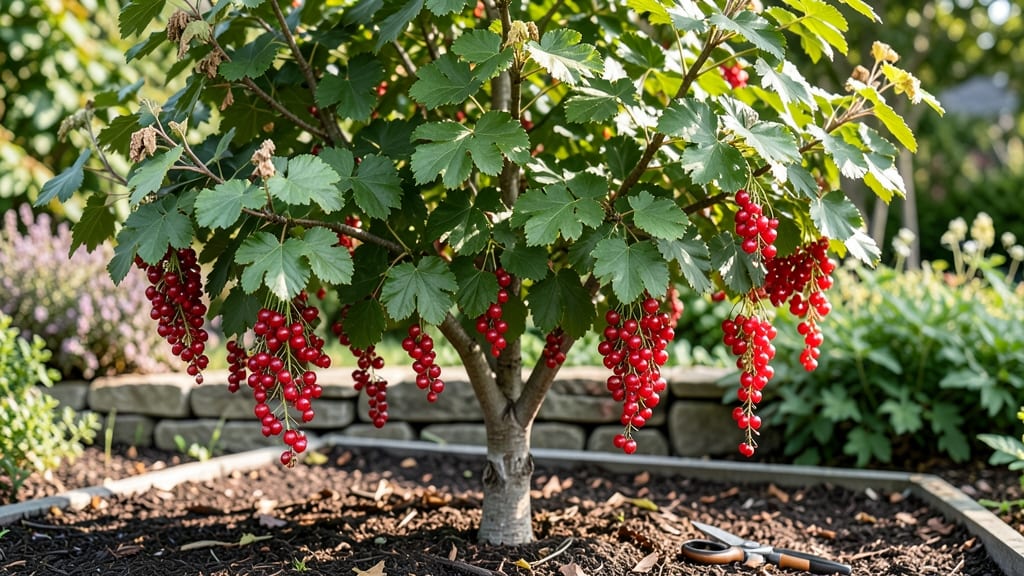
Growing a red currant tree that produces fruit year-round starts with three simple cuts that transform a wild shrub into a lush, productive powerhouse. 🌱 I learned this after my first tree—planted with no pruning plan—struggled to bear more than a handful of berries each summer.
The secret isn’t complicated: timing, shape, and a little strategic thinning. Within months, that same tree became my backyard’s most generous fruit producer, with clusters ripening in late summer and again in fall.
You’ll need well-draining soil, 6+ hours of sunlight daily, and a spot sheltered from harsh winds—red currant trees hate drying out or getting blasted by storms.
The planting hole should be twice as wide as the root ball but only as deep, with a handful of compost mixed into the native soil. Water deeply after planting, then keep the soil moist (not soggy) for the first two months while roots establish.
Once settled, these trees are surprisingly drought-tolerant, but consistent moisture keeps the fruit sweet and plentiful.
That’s where the three strategic cuts come in: a late-winter cleanup to remove dead wood, a summer thinning to open the canopy for sunlight, and a post-harvest trim to encourage next year’s buds. Each cut takes less than 20 minutes but dramatically boosts fruit production.
By next season, you’ll be harvesting pounds of tart, jewel-toned berries—perfect for jams, juices, or fresh snacking—while the tree’s glossy leaves add year-round interest to your landscape.
Works in USDA Zones 3-7, though southern growers may need afternoon shade to prevent sunburn. The same principles apply whether you’re growing from a bare-root sapling or an established tree—just adjust the timing slightly for your climate.
Ready to turn that bare branch into a fruit-bearing machine? Let’s get those pruners sharp.
📚 In This Guide
- What you need
- Instructions
- Tips and common mistakes
- Wrapping up and next steps
What you need
- ● Pruning shears: Bypass pruners (sharp, clean, and sterilized with rubbing alcohol to prevent disease). Recommended: Felco F-2 or similar (5–8 inch blades).
- ○ Loppers: For thicker branches (1.5–2.5 inch cut capacity). Optional: Ratchet-style for leverage on stubborn branches.
- ● Pruning saw: Curved-tooth saw for branches thicker than 2.5 inches (avoid tearing bark).
- ● Garden gloves: Heavy-duty, cut-resistant (e.g., Mechanix Wear or similar) to protect hands from thorns and sap.
- ● Disinfectant: 70% isopropyl alcohol or a 10% bleach solution (1 part bleach to 9 parts water) for sterilizing tools between cuts.
- ○ Marking twine or flags: For tagging branches to remove later (optional but helpful for complex pruning).
- ● Bucket or bag: For collecting pruned branches (5–10 gallon capacity).
- ● Weather: Prune on a dry, overcast day (avoid wet or windy conditions). Ideal temps: 40–70°F (4–21°C).
- ● Safety gear: Safety glasses (to shield from debris) and long sleeves/pants (red currant thorns are no joke!).
- ● Tree health check: Inspect the tree for signs of disease (e.g., powdery mildew, rust) or pests. Treat with neem oil or fungicide before pruning if needed.
- ● Plan ahead: Sketch a rough map of your tree’s structure or take photos to visualize cuts. Pro tip: Aim to remove no more than 25% of the tree’s canopy in one session!
- ● Pruning sealant: For large wounds (1+ inch diameter) to prevent disease (e.g., Tanglefoot Tree Wound Pruning Seal). Note: Only use on mature wood—avoid on young branches.
- ● Ladder or stool: If your tree is over 6 feet tall (extendable ladders with stabilizers are safest).
- ● Notebook & pen: To jot down notes on cuts made (e.g., “Removed 3 suckers from base, Jan 2024”).
- ● Compost bin: For recycling pruned branches into mulch or compost.
How to prune a red currant tree for maximum fruit production
Three precise cuts will transform your tree into a year-round fruiting machine.
✂️ Step 1: Perform Winter Dormancy Pruning (Late Winter)
When the tree is fully dormant—between late February and early March—you'll remove last year's fruiting wood. Look for branches that bore fruit last season; these are now 3-4 years old and past their prime. Cut them back to 12-18 inches from the trunk, making clean cuts at a 45-degree angle just above an outward-facing bud.
This step opens the tree's center to sunlight and air circulation, which prevents fungal diseases like white pine blister rust. I always prune on a dry day—wet wood splinters easily, and jagged cuts invite infections. Use sharp, sterilized pruners to avoid tearing the bark. You'll know you've done it right when sunlight reaches the center of the tree within a week.
✂️ Step 2: Light Summer Thinning (June-July)
Once the tree flowers but before fruit sets fully, remove excessive flower clusters. Focus on clusters that are crowded or growing inward—these compete with healthier branches. Leave only the strongest, most outward-facing clusters, cutting back to the nearest bud. This ensures the remaining fruit gets maximum sunlight and air flow.
Here's the thing—red currants are self-fertile, but overcrowded fruit leads to small, tart berries. By thinning now, you're forcing the tree to invest energy in fewer, sweeter berries. I like to do this on a warm, sunny morning when the tree is actively growing. You'll see new shoots emerging from the pruned areas within 2-3 weeks—that's your signal the tree is responding well.
✂️ Step 3: Post-Harvest Structural Pruning (Late Summer)
After harvest, in August or early September, focus on structural shaping. Remove any dead, diseased, or crossing branches first—these are easy to spot as they lack leaves or have dark, mushy wood. Then, prune back overly vigorous shoots that grew this season by one-third to maintain balance. Always cut back to a bud facing outward to encourage an open growth habit.
This final prune prepares the tree for winter dormancy while keeping it compact enough for easy harvest. I avoid heavy pruning now—too much late-season cutting stimulates new growth that won't harden off properly before frost. Instead, think of this as a light maintenance trim to tidy up the tree's shape. You'll notice fewer broken branches next spring when the tree bears fruit.
Tips & tricks for perfect red currant tree pruning
These strategic insights will help you maximize fruit production while keeping your tree healthy for years to come.
Timing is Everything: The late February to early March window for Step 1 is critical because red currant trees need full dormancy to handle pruning stress. If you prune too early, buds may still be vulnerable, and if you wait too long, new growth will begin. I've found that pruning on a day when temperatures are above freezing but below 50°F minimizes shock to the tree. This timing also coincides with when fungal diseases are least active, giving your tree the best chance to heal cleanly.
Visual Cues for Pruning Success: In Step 2, when thinning flower clusters, look for buds that are plump and green rather than shriveled or brown. These indicate healthy growth potential. For Step 3's structural pruning, focus on branches that show signs of vigor—new shoots that emerge within 2-3 weeks after pruning are your confirmation that you've maintained the tree's energy balance. I always mark my pruning cuts with a small piece of tape to track which branches I've addressed each season.
Equipment Essentials: Sterilizing your pruners between cuts is non-negotiable—use a 10% bleach solution or rubbing alcohol to prevent spreading disease. For larger branches, I recommend using loppers with bypass blades, which make cleaner cuts than anvil pruners. Always make your cuts just above a bud that faces outward—this encourages new growth in the direction you want, creating a more open canopy that improves airflow and sunlight penetration throughout the tree.
Seasonal Maintenance Strategy: After completing your three strategic cuts, establish a simple seasonal checklist: apply mulch in early spring to retain moisture, monitor for pests after harvest, and plan your winter pruning while still in summer. This proactive approach ensures you're always one step ahead of potential issues. The key is consistency—trees respond best to regular, thoughtful maintenance rather than sporadic heavy pruning.
Pro Tips for Red Currant Tree
- These strategic insights will help you maximize fruit production while keeping your tree healthy for years to come.
- Timing is Everything: The late February to early March window for Step 1 is critical because red currant trees need full dormancy to handle pruning stress.
- Visual Cues for Pruning Success: In Step 2, when thinning flower clusters, look for buds that are plump and green rather than shriveled or brown.
Frequently asked questions
Got questions about growing and maintaining your red currant tree? Here are some of the most common ones—plus quick answers to keep your tree thriving!
When is the best time to prune a red currant tree?
Prune your red currant tree in late winter or early spring (before buds swell) to encourage healthy growth. Avoid pruning in fall, as it can leave wounds vulnerable to disease. For year-round fruit, follow the 3 strategic cuts outlined in our guide!
Can red currant trees survive harsh winters?
Yes! Red currant trees are hardy in USDA Zones 3-7 and tolerate cold well. Mulch the base with 3-4 inches of organic matter (like wood chips) to protect roots. Just avoid heavy mulching too close to the trunk to prevent rot.
Why aren’t my red currant trees producing fruit?
Lack of fruit can stem from poor pruning, overcrowding, or insufficient sunlight. Ensure your tree gets 6+ hours of sun daily and prune annually to improve airflow. If it’s a young tree, be patient—it may take 2-3 years to bear fruit!
What pests or diseases should I watch for?
Red currant trees are prone to aphids, whitefly, and fungal diseases like powdery mildew. Neem oil or insecticidal soap can treat pests, while proper spacing and pruning reduce disease risk. Always clean up fallen fruit to prevent spread.
Can I grow red currants in containers?
While possible, red currant trees thrive best in the ground due to their size and root depth. If container-grown, use a large pot (15+ gallons) with well-draining soil and fertilize regularly. Expect smaller yields compared to in-ground trees.
Wrapping up and next steps
Growing a red currant tree that bursts with fruit year-round is totally within reach—thanks to those three strategic cuts!
With the right tools, timing, and technique, you’ll enjoy a bountiful harvest while keeping your tree healthy and thriving. Start small, stay consistent, and soon you’ll be savoring homemade jams or fresh berries straight from your garden.
Ready to take the next step? Mark your calendar for next year’s pruning season and grab your pruners—your future harvest is waiting! 🌱✂️