
Pruning
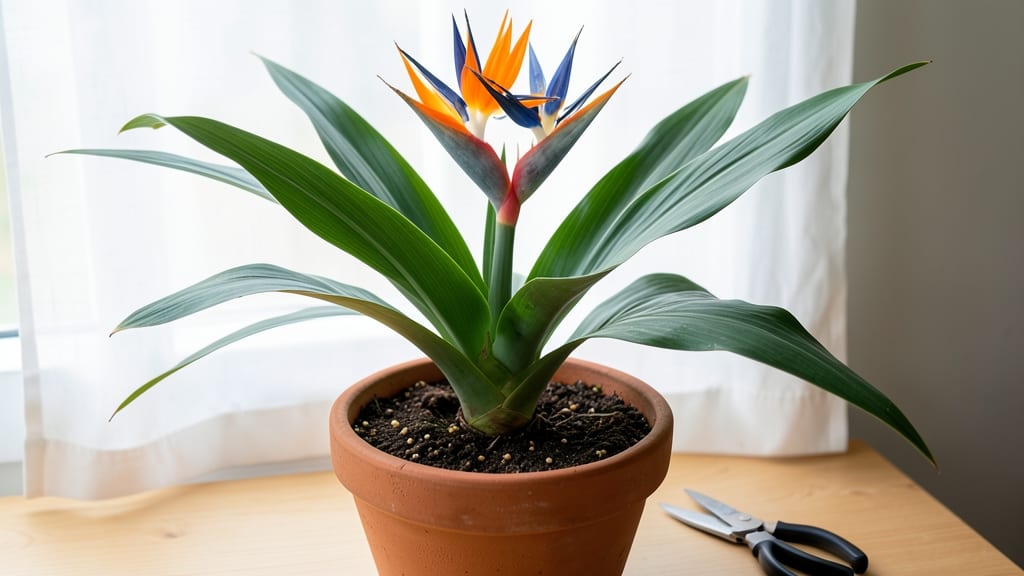
Growing a red bird of paradise tree in the Pacific Northwest means embracing its bold, tropical beauty while working around frost—something I learned the hard way after my first winter nearly killed my young plant.
This striking tree (Caesalpinia pulcherrima) thrives in zones 9-11 but can survive occasional cold snaps with the right care, making it a showstopper for warm microclimates and containers. The secret isn’t just pruning—it’s knowing when to prune to protect those delicate blooms while encouraging new growth.
Your tree needs full sun (6+ hours daily) and well-draining soil—think sandy loam mixed with compost—to prevent soggy roots that invite rot. Water deeply but let the top 2 inches dry between soakings, and mulch heavily in winter to insulate roots from sudden freezes.
The real magic happens in late winter or early spring when you prune back dead or damaged branches, shaping the tree to avoid frost pockets where cold air settles.
With proper care, you’ll reward yourself with vibrant orange-red blooms that last from spring to fall, drawing hummingbirds and adding a tropical vibe to your garden. Even in cooler climates, container-grown trees can be wintered indoors near bright windows, though they’ll need extra humidity to thrive.
The payoff? A tree that feels like a vacation in your own yard, year after year.
Here’s the twist: pruning isn’t just about shaping—it’s about survival. Heavy pruning in late winter removes weak wood before new growth starts, while light trimming after blooms encourages bushier, more resilient branches.
For Pacific Northwest gardeners, this means timing cuts just right to avoid early frost while still letting the tree harden off. Let’s get your tree ready for its next glorious season.
📚 In This Guide
- What you need
- Instructions
- Tips and common mistakes
- Wrapping up and next steps
What you need
- ● Pruning shears: Bypass pruners (sharp, 7–9" blades) for clean cuts on smaller branches.
- ● Loppers: 1 pair (10–14" blades) for thicker branches (½"–1.5" diameter).
- ● Pruning saw: 1 handheld saw (bow or folding) for branches >1.5" in diameter.
- ● Disinfectant: 70% isopropyl alcohol or a 10% bleach solution (1 part bleach to 9 parts water) to sterilize tools between cuts.
- ● Gloves: Heavy-duty gardening gloves (cut-resistant, waterproof) to protect hands.
- ● Ladder or step stool: Sturdy, extendable (if tree exceeds 6–8 ft tall).
- ● Heavy-duty trash bags: 2–3 bags (13–20 gallons) for debris collection.
- ○ Marking twine or flags: Optional but helpful for identifying branches to remove.
- ● Safety glasses: 1 pair to shield eyes from debris.
- ● Long sleeves/pants: Lightweight, breathable fabric to protect against scratches.
- ● Work boots or closed-toe shoes: Sturdy footwear with grip for stability.
- ● First-aid kit: Basic kit with antiseptic wipes and bandages (just in case!).
- ● Hose or bucket of water: For cleaning tools and rinsing sap off hands.
- ○ Pruning sealant: Optional for sealing large cuts (>2" diameter) to prevent disease.
- ● Tree wound dressing: Only use if your tree is prone to fungal issues (e.g., Caesalpinia pulcherrima relatives).
- ● Camera or phone: To document the tree’s structure before/after pruning.
- ● Notebook & pen: For jotting down notes on branch angles or growth patterns.
Instructions for pruning your red bird of paradise tree safely
Here's how I keep my Pacific Northwest bird of paradise thriving through winter—step by step.
Time Your Pruning for Late Winter
Wait until after the last hard frost but before new growth begins—typically late February to early March in the Pacific Northwest. This timing ensures you're not removing winter protection too early, yet you're not cutting back after the plant has already started its growing cycle.
Look for the first signs of bud swell along the stems. These appear as slightly plump areas where leaves will emerge. If you see these, it's too late—wait another week. The goal is to prune when the plant is still dormant but about to wake up.
I always prune on a dry day when temperatures are above 40°F. Cold, wet conditions stress the plant and make it vulnerable to disease. If you must prune in colder weather, do it in the morning so any cuts have time to dry before evening dew sets in.
Assess and Remove Dead or Damaged Growth
Start by examining the entire plant for any stems that are brown, mushy, or completely devoid of leaves. These are dead or dying and should be removed first. Use clean, sharp pruning shears to make a clean cut just above a healthy bud or branch collar.
Next, look for any branches that are crossing or rubbing against each other. These create wounds that invite disease. Also check for branches growing inward toward the center of the plant—these compete for light and air circulation. Remove these first, as they're the easiest to spot and address.
I like to work from the bottom up. Start with the lowest branches and move upward. This way, you're not standing on a ladder for the more difficult cuts. Always make cuts at a 45-degree angle just above a leaf node or outward-facing bud to encourage proper regrowth.
Thin Out Overcrowded Branches
Bird of paradise trees can become dense, especially in the Pacific Northwest's mild, moist climate. Aim to open up the center of the plant by removing about 20-30% of the oldest, thickest branches. These are the ones that have been around the longest and are most likely to become woody and less productive.
Focus on branches that are growing straight up or downward. These vertical branches create a "bottlebrush" effect and reduce air flow. Instead, you want to encourage a more open, vase-like shape that allows sunlight to penetrate to the inner branches.
When thinning, make your cuts back to the branch collar or a lateral branch that's at least 1/3 the diameter of the branch you're removing. This ensures the plant has enough energy to seal the wound and promote new growth from the remaining lateral buds.
Shape for Winter Hardiness
In the Pacific Northwest, where winter winds can be strong, it's important to shape your bird of paradise to reduce wind damage. Start by rounding the top of the plant to help it shed snow and wind more easily. Avoid creating sharp points or narrow V-shaped crotches, as these collect snow and ice.
Next, focus on the outer canopy. Remove any branches that are growing too close to the ground or those that are flopping outward. These branches are more susceptible to wind damage and can break under the weight of snow or ice. Instead, encourage a more compact, upright growth habit.
I like to step back frequently to assess the overall shape. Imagine the plant as a natural vase—wide at the bottom, narrowing slightly in the middle, and then flaring out again at the top. This shape not only looks beautiful but also helps the plant withstand winter conditions better.
Clean Up and Protect the Plant
After pruning, gather all the clippings and dispose of them properly. Do not leave them on the ground beneath the plant, as they can harbor pests and diseases. Instead, place them in a sealed bag and add them to your compost pile or green waste bin.
Next, apply a fresh layer of 2-3 inches of mulch around the base of the plant, keeping it a few inches away from the trunk. This helps insulate the roots and retain moisture during the dry summer months. In the Pacific Northwest, where summers can be warm and dry, this extra protection is crucial.
Finally, give the plant a light watering to help it recover from the pruning stress. Avoid heavy watering, as this can lead to root rot. Instead, water deeply but infrequently, encouraging the roots to grow deeper in search of moisture. This makes the plant more drought-tolerant and resilient in the long run.
Tips & tricks for pruning your red bird of paradise tree
These little details make all the difference when shaping your Pacific Northwest bird of paradise for winter resilience.
Timing Is Everything: The late February to early March window is critical because it catches the plant between dormancy and new growth. I've learned the hard way—pruning too early removes winter protection, while pruning too late risks cutting back fresh growth. Check for bud swell as your final indicator; if you see those plump areas, wait another week. The plant's natural rhythms are your best guide here.
Tool Selection Matters: Never use dull pruning shears—they tear rather than cut cleanly, creating larger wounds that invite disease. Invest in bypass pruners for branches up to ½-inch thick and loppers for thicker stems. Always sterilize your tools with rubbing alcohol between cuts to prevent spreading any potential pathogens. I keep a small bottle of 70% isopropyl alcohol in my gardening toolbox specifically for this purpose.
Visual Cues for Proper Cuts: When making cuts at a 45-degree angle in Step 2, imagine you're slicing a pie wedge—just above a leaf node or outward-facing bud. The cut should expose a smooth, white surface just below the bud. This ensures the plant can seal the wound properly and direct energy toward new growth. If you're unsure where the bud is, gently peel back the bark to reveal the natural growth node.
Winter Shape Strategy: That vase-like shape in Step 4 isn't just for aesthetics—it's about survival. The wider base provides stability against winter winds, while the flared top helps shed snow more effectively. I like to visualize an upside-down cone when assessing the plant's structure. This shape also allows sunlight to reach all branches, preventing the inner growth from becoming leggy and weak during the Pacific Northwest's shorter winter days.
Pro Tips for Red Bird Of Paradise Tree
- These little details make all the difference when shaping your Pacific Northwest bird of paradise for winter resilience.
- Timing Is Everything: The late February to early March window is critical because it catches the plant between dormancy and new growth.
- Tool Selection Matters: Never use dull pruning shears—they tear rather than cut cleanly, creating larger wounds that invite disease.
Frequently asked questions
How cold can a Red Bird of Paradise Tree tolerate?
The Red Bird of Paradise Tree (Caesalpinia pulcherrima) is technically frost-tender but can handle brief dips to 25–30°F (-4 to -1°C) with proper care. In the Pacific Northwest, mulch heavily, water deeply before winter, and wrap young trees in burlap. Mature specimens may survive 20°F (-7°C) if established, but expect leaf scorch or dieback in harsh freezes.
When is the best time to prune for frost resistance?
Prune late winter to early spring (February–March) before new growth starts. This timing minimizes stress and allows the tree to harden off before cold snaps. Avoid heavy pruning in fall—it stimulates tender growth that’s vulnerable to frost. Focus on removing dead wood, crossing branches, and thinning the canopy to improve airflow and sunlight penetration.
Can I prune too much? What’s the ideal reduction percentage?
Yes! Limit pruning to 15–25% of the canopy per year to avoid shock. For frost-hardening, prioritize structural shaping over aggressive cuts. Remove only damaged, diseased, or weak branches—never more than ⅓ of a branch’s diameter in one cut. Over-pruning weakens the tree’s ability to recover and store energy for winter resilience.
What if my tree gets frost damage? How do I revive it?
Frost damage shows as brown, crispy leaves or blackened stems. First, wait until spring to assess—some trees rebound. Prune only dead wood (use the scratch test: scrape bark; green = alive, brown = dead). Water deeply but reduce frequency to prevent root rot. Apply a balanced fertilizer (10-10-10) in early spring to encourage regrowth.
Are there frost-hardy alternatives to the Red Bird of Paradise?
If frost is a major concern, consider these Pacific Northwest-friendly alternatives:
- Oregon Grape (Mahonia aquifolium): Hardy to 0°F (-18°C), drought-tolerant, and thrives in shade.
- Vine Maple (Acer circinatum): Native, handles 10°F (-12°C), and has striking red fall foliage.
- Hollyhock (Alcea rosea): Biennial but rebounds yearly; tolerates 15°F (-9°C) with mulch.
Wrapping up and next steps
The Red Bird of Paradise Tree is a stunning, frost-resistant gem that thrives in the Pacific Northwest’s climate—when pruned with care!
By mastering the right tools, timing, and techniques, you’ll encourage vibrant blooms, strong growth, and a showstopping presence in your garden. Your next step? Grab those shears, mark your calendar for late winter or early spring, and give your tree the TLC it deserves.
With patience and practice, you’ll turn pruning day into a rewarding ritual that keeps this tropical beauty flourishing year after year. 🌿✨
Pro tip: Snap a photo of your tree before and after pruning—it’s the perfect way to track progress and celebrate your green thumb’s success!