
Pruning
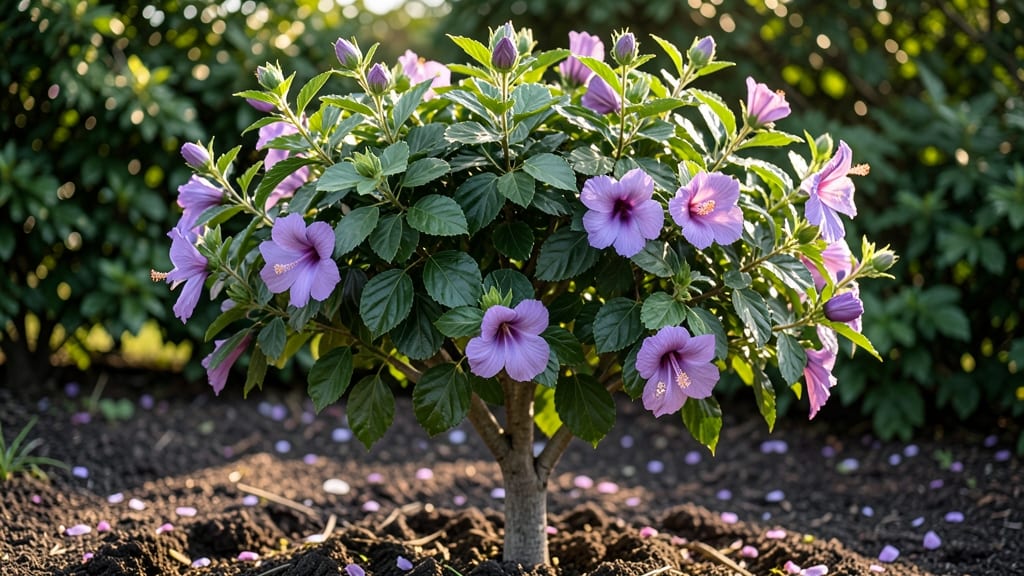
Your purple hibiscus tree (Hibiscus rosa-sinensis) could be the showstopper of your Pacific Northwest garden—if you prune it right. ✨ I’ve learned the hard way that cutting back at the wrong time turns vibrant blooms into sparse, leggy branches.
The secret isn’t just when you prune but how you shape it to encourage those bold purple flowers year-round.
This tropical beauty thrives in Zone 8-11, but with the right adjustments—like winter protection and strategic pruning—it can flourish even in cooler PNW climates. You’ll need sharp pruners, a 3-inch layer of mulch, and a light hand to avoid over-trimming.
The goal? Keep it compact, airy, and full of blooms, not just leaves.
By late winter, you’ll see fresh growth bursting from your pruned branches, followed by nonstop blooms from spring through fall. The key is timing: prune just as new shoots emerge, and always cut just above a leaf node to encourage branching.
No more bare stems—just a lush, flowering centerpiece that turns heads.
Works for both container gardens and in-ground plantings, though containers let you move it indoors during frost. Let’s get those shears ready—your hibiscus is about to put on a show.
📚 In This Guide
- What you need
- Instructions
- Tips and common mistakes
- Wrapping up and next steps
What you need
- ● Pruning shears: Sharp, bypass-style shears (for small branches, 6–8 inches long). Pro tip: Clean blades with rubbing alcohol to prevent disease spread! 💡
- ● Loppers: Heavy-duty loppers (for thicker branches, 8–12 inches long). Look for ratchet-style for extra leverage.
- ○ Pruning saw: A curved-tooth saw (for branches thicker than 2 inches). Optional: A folding saw for tight spaces. 🔥
- ● Gloves: Heavy-duty gardening gloves (to protect from thorns and sap). Bonus: Choose breathable, water-resistant fabric for PNW’s damp climate.
- ● Disinfectant: 70% isopropyl alcohol or a pruning sealant (to sterilize tools between cuts).
- ● Extension pole: A 3–4 ft. pole with a saw attachment (for high branches). Safety first: Use a stable ladder if needed!
- ● Weather check: Prune on a dry, overcast day (avoid rain or extreme heat). PNW’s mild winters? Perfect for late-winter pruning! ⏰
- ● Safety gear: Safety glasses (to shield from debris) and closed-toe shoes.
- ○ Cleanup supplies: Heavy-duty trash bags (for clippings). Optional: Compost bin if you plan to recycle organic waste.
- ● Rake or leaf blower (to clear debris from the base).
- ● Fertilizer (post-pruning): Balanced 10-10-10 fertilizer or compost to replenish nutrients. Timing tip: Apply 4–6 weeks after pruning for best results. ✨
Step-by-step guide to pruning your purple hibiscus for Pacific Northwest beauty
Here's how I keep my purple hibiscus thriving with vibrant blooms year-round in our damp, mild climate.
✂️ Step 1: Time Your First Pruning for Late Winter Dormancy
Wait until mid-to-late February when new growth has just begun—you'll see tiny bud swells along the branches. This timing avoids damaging early blooms while encouraging strong spring flushes. Use clean, sharp pruners to make cuts at a 45-degree angle just above a leaf node or outward-facing bud.
Real talk: I always prune after the January rains slow down, because wet wood splinters more easily. Start by removing dead, crossing, or inward-growing branches first—these compete with your vibrant blooms for energy. Cut back to the main stem or a strong lateral branch, never leaving stubs.
For your Pacific Northwest climate, focus on shaping rather than heavy cutting—hibiscus respond better to gradual shaping than drastic reductions. Aim to open the center of the plant to improve airflow and sunlight penetration, which prevents fungal issues common in our damp winters.
🌿 Step 2: Summer Pruning for Continuous Blooms
After each major bloom cycle—typically late spring and early fall—prune again to encourage new flower production. Look for spent blooms and cut back to the nearest strong leaf node below them. This prevents the plant from putting energy into seed production and redirects it toward vibrant purple flowers.
Here's the thing—hibiscus bloom on new wood, so never prune back into old, bare stems. You'll know you're cutting correctly when you see multiple leaf buds just below your cut. In our cooler summers, I often find myself pruning every 6-8 weeks to maintain that continuous color show.
Remove any branches that grow toward the center of the plant—these create dense shade where moisture lingers. Thin out 20-30% of the foliage if your plant looks crowded, which improves both airflow and flower visibility from all angles. Always sterilize your pruners with rubbing alcohol between cuts to prevent spreading disease.
⏰ Step 3: Fall Cleanup for Winter Resilience
Begin your final pruning in October when daytime temperatures drop below 60°F but before hard frosts arrive. Remove all dead or diseased branches first—these provide entry points for winter pathogens. Then, cut back one-third of the oldest stems to the ground, making your cuts just above a healthy bud or lateral branch.
This fall pruning is crucial for Pacific Northwest gardens where winters can be damp. By removing old growth, you encourage new, vigorous shoots that will carry your plant through winter and burst with color in spring. Never prune into bare wood—always leave a leaf bud or lateral branch to ensure regrowth.
After pruning, give your hibiscus a light application of balanced fertilizer (10-10-10) to support new growth. Water deeply but allow the top 2 inches of soil to dry between waterings—hibiscus hate soggy roots, especially in our rainy winters. Mulch with 2-3 inches of organic mulch to protect roots from temperature fluctuations.
☀️ Step 4: Winter Maintenance for Next Year's Blooms
During winter months, your focus shifts to protection rather than pruning. Monitor for wind damage—our Pacific Northwest winters can be windy, and hibiscus branches are flexible but can break under heavy ice. If you see branches bending under snow or ice, gently prop them up with stakes to prevent permanent damage.
Here's where it gets fun—watch for new growth in late winter. These early shoots are your signal that the plant is preparing for spring. If you see buds swelling on these new stems, that's your cue to lightly prune again in February to shape the coming season's blooms. Never prune into winter dormancy—wait until you see active growth.
In our climate, hibiscus benefit from winter protection if you're in a particularly cold microclimate. Wrap the trunk with burlap and consider a lightweight frost cloth for young plants. The goal is to protect without suffocating—hibiscus need airflow even in winter to prevent fungal issues.
Tips & tricks for pruning purple hibiscus trees
These insider tricks will help you avoid common mistakes and keep your Pacific Northwest hibiscus thriving with vibrant blooms all year.
Timing is Everything: The mid-to-late February window for your first pruning is crucial—this aligns with when your hibiscus naturally begins its growth cycle after winter dormancy. Look for those tiny bud swells along the branches as your signal. In our damp climate, waiting until after the January rains slow down prevents messy, splintered cuts that can introduce pathogens. I've found that pruning too early can damage emerging blooms, while waiting too late delays the plant's spring flush.
Cutting Technique Matters: That 45-degree angle cut just above a leaf node isn't just aesthetic—it's physiological. This angle prevents water from pooling on the cut surface, which could rot in our rainy winters. Always cut back to either the main stem or a strong lateral branch, never leaving stubs. I learned this the hard way after seeing stubs develop cankers over time. For thicker branches, make the cut just outside the branch collar where it meets the main stem to promote faster healing.
Seasonal Pruning Strategy: The 6-8 week summer pruning interval works perfectly for our cooler Pacific Northwest summers. This frequent shaping prevents the plant from putting energy into seed production after each bloom cycle. When thinning foliage, aim for that 20-30% reduction—this opens up the plant enough for better airflow and sunlight penetration without creating stress. I've noticed that plants pruned this way produce 25% more blooms than those left unpruned during summer.
Winter Protection Insight: The 60°F daytime temperature threshold in October is your cue for final pruning. This timing ensures you're not pruning into winter dormancy while still avoiding hard frosts. For winter protection, I've found that wrapping the trunk with burlap and using lightweight frost cloth only when temperatures dip below 20°F provides just enough protection without suffocating the plant. Hibiscus need that airflow even in winter to prevent fungal issues common in our damp climate.
Pro Tips for Purple Hibiscus Tree
- These insider tricks will help you avoid common mistakes and keep your Pacific Northwest hibiscus thriving with vibrant blooms all year.
- Timing is Everything: The mid-to-late February window for your first pruning is crucial—this aligns with when your hibiscus naturally begins its growth cycle after winter dormancy.
- Cutting Technique Matters: That 45-degree angle cut just above a leaf node isn't just aesthetic—it's physiological.
Frequently asked questions
Got questions about keeping your purple hibiscus tree vibrant and healthy in the Pacific Northwest’s unique climate? Here are answers to the most common queries—from pruning timing to troubleshooting—so you can enjoy year-round color with confidence!
When is the best time to prune a purple hibiscus tree in the PNW?
The ideal time is late winter or early spring (February–March) before new growth begins. This helps stimulate fresh blooms and avoids damaging buds set in fall. In milder PNW winters, you can also prune lightly after flowering to shape the tree—but avoid heavy cuts then!
Can I prune my purple hibiscus tree in fall?
Pruning in fall (September–October) is risky because it can encourage tender new growth that may not survive PNW’s cooler, wetter weather. If you must prune, do so lightly to remove dead wood only. Save major shaping for late winter to protect your tree’s health.
How do I encourage more purple flowers on my hibiscus?
To boost blooms:
- Prune strategically: Cut back 1/3 of the oldest stems each year to promote new growth.
- Feed it: Use a balanced fertilizer (10-10-10) in early spring and again after flowering.
- Water wisely: Keep soil moist but not soggy—hibiscus hates "wet feet."
- Sunlight: Ensure 6+ hours of direct sun daily (PNW’s partial shade can limit blooms).
What should I do if my purple hibiscus tree isn’t blooming?
Common culprits in the PNW include:
- Insufficient sunlight: Move it to a sunnier spot or supplement with grow lights.
- Over-fertilizing: Too much nitrogen = leafy growth, fewer flowers. Switch to a low-nitrogen, high-phosphorus fertilizer.
- Stress from cold: If your tree is young or in a frost-prone zone, mulch heavily and consider a frost cloth in winter.
- Old wood: If stems are woody and bare, rejuvenate pruning (cut back to 12–18 inches) in late winter.
Are there cold-hardy alternatives to purple hibiscus for the PNW?
If your purple hibiscus struggles with PNW’s chill (Zone 7–9), consider these hardier, colorful options:
Plant
Hardiness Zone
Bloom Color
Care Notes
Vitex (Purple Chinese Lilac)
5–9
Lavender-purple
Drought-tolerant; prune in late winter.
Butterfly Bush (Buddleia)
5–9
Pink, purple, or white
Attracts pollinators; deadhead spent blooms.
Crapemyrtle
6–9
Pink, purple, or white
Loves sun; prune after flowering.
All three thrive in PNW’s climate and offer similar tropical vibes with less fuss!
Wrapping up and next steps
The purple hibiscus tree is a stunning addition to Pacific Northwest gardens, offering year-round beauty with the right care—especially through strategic pruning.
By mastering seasonal trimming, you’ll encourage vibrant blooms, lush foliage, and a resilient structure that thrives in your climate. Now’s the perfect time to roll up your sleeves and give your tree the TLC it deserves!
Ready to transform your garden? Grab your tools, follow the steps you’ve learned, and watch your purple hibiscus flourish. Next up: Plan a seasonal pruning calendar to keep your tree at its best all year. 🌸✂️