
Propagation
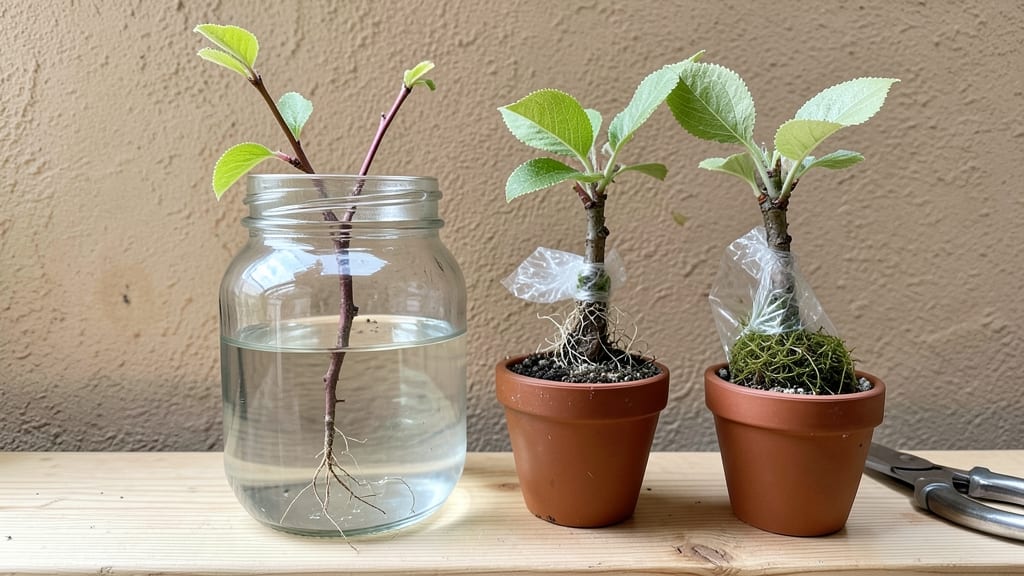
Growing your own trees from cuttings or seeds means you’ll eventually harvest fruit from plants you nurtured yourself. 🌱 I’ve propagated apple, citrus, and avocado trees—some took root in weeks, others required patience—but every successful graft or seedling feels like a small victory.
The key is matching the right method to the tree type, and once you master it, you’ll save money and grow rare varieties your neighbors can’t buy.
You’ll need basic tools like sharp pruners, rooting hormone, and a sunny spot for cuttings, but the real secret is timing. Most fruit trees propagate best in late winter or early spring, while deciduous trees can handle cuttings in summer.
Air layering works year-round for stubborn species, and seeds from fruit like avocados or apples can sprout surprisingly fast with the right setup. The biggest mistake? Rushing—some methods take months to show results.
What you end up with is a thriving young tree that’s already genetically yours—no nursery price tags, no guessing about varieties. Imagine biting into an apple from a tree you grew from a cutting, or watching citrus blossoms appear on a plant that started as a single stem.
The process teaches you more about tree biology than any book ever could, and you’ll spot problems before they become disasters.
Works for everything from backyard fruit trees to ornamental shade trees, and even container-grown citrus. The first step is choosing your method—let’s get those cuttings rooted and seeds sprouting!
📚 In This Guide
- What you need
- Instructions
- Tips and common mistakes
- Wrapping up and next steps
What you need
- ● Propagation Medium: Potting mix (sterile, well-draining) – 1-2 bags (1-2 cubic feet)
- ● Perlite or vermiculite (for aeration) – 1 small bag
- ● Seed-starting mix (for seeds) – 1 bag
- ● Containers: Seed trays or small pots (4-6 inches deep) – 6-12 units
- ● Growing pots (5-7 inches) – 4-6 units
- ○ Plastic bags or humidity domes (for cuttings) – optional but helpful
- ● Tools: Sharp pruning shears or knife (sterilized) – 1
- ○ Rooting hormone (optional but recommended) – 1 small tube
- ● Spray bottle (for misting) – 1
- ○ pH tester (optional) – 1
- ● Healthy parent plant (disease-free, mature enough for cuttings/grafts).
- ● Knowledge of your tree/fruit type (some prefer seeds, others cuttings or grafts).
- ● Access to water (soft, room-temperature preferred).
- ● Sunlight or grow lights (depending on your setup).
- ○ Optional but handy: Heat mat (for seeds), labels (to track varieties).
How to propagate trees and fruit trees at home
Growing new trees from cuttings is easier than you think—just follow these simple steps.
🌱 Step 1: Select Healthy Cuttings at the Right Time
Choose 4-6 inch long cuttings from non-flowering branches in late winter or early spring when sap is flowing but before new growth starts. Look for pencil-thick stems with 2-3 sets of leaves—thicker than a pen but not woody. Make the cut just below a leaf node (the bump where leaves attach) using clean, sharp pruners.
Strip off all but the top 2 leaves to reduce water loss. Dip the cut end in rooting hormone (if using) to encourage root growth. I like to work on a damp paper towel while I prepare them—this keeps the cuttings from drying out while I finish gathering supplies.
💧 Step 2: Prepare the Rooting Medium
Fill a 6-inch deep container with a mix of 50% perlite and 50% peat moss—this lightweight combo drains well while holding enough moisture. Moisten it until damp but not soggy, like a wrung-out sponge. I tap the container gently to settle the mix and create air pockets for roots.
Make 1-inch deep holes with your finger or a pencil, spaced 3-4 inches apart. These holes prevent the cuttings from floating and keep them upright while roots form. Here's the thing—sterile soil matters. If you reuse containers, sanitize them with a 10% bleach solution first to avoid fungal diseases.
☀️ Step 3: Plant and Maintain Ideal Conditions
Insert each cutting into its hole until half the stem is buried. Gently firm the medium around it to remove air gaps. Place the container in bright, indirect light—no direct sun yet. Cover with a clear plastic bag secured with rubber bands to create a humid microclimate. This traps moisture and warmth, which speeds up rooting.
Keep the medium consistently moist but never waterlogged. Mist the cuttings every 2-3 days or when the surface feels dry to the touch. Roots typically form in 4-8 weeks, but patience is key. You'll know it's working when tiny new leaves appear or you see new growth at the top.
✂️ Step 4: Transplant When Roots Form
After 6-8 weeks, gently tug on a cutting. If you feel light resistance, roots have formed. Remove the plastic bag and harden off the new plants by placing them outside in partial shade for 1-2 hours daily, gradually increasing time over 10 days. This prepares them for full sun exposure.
Transplant to individual pots filled with regular potting mix once they've developed a 2-inch root ball. Keep them in partial shade for another 2 weeks while they adjust. Real talk: The first year is all about slow growth. Don't rush—these young trees need time to establish strong roots before they can handle full sun and regular care.
Tips & tricks for propagating trees and fruit trees
Here's what nobody tells you—these little details make all the difference between success and frustration when growing new trees from cuttings.
Timing Secret: The 4-6 inch length for cuttings is crucial—any shorter and they won't have enough energy reserves, any longer and they'll struggle to root properly. I've found that taking cuttings on a cool, overcast morning (when plants are hydrated) gives the best results. The sap flows most steadily then, which helps the cuttings establish faster. Remember, you're working with living material that's already stressed by being removed from its parent plant.
Medium Mix Tip: For the 50% perlite and 50% peat moss mix, I recommend sterilizing both components before combining. Spread them on a baking sheet at 200°F for 30 minutes to kill any potential pathogens. This prevents mold issues later, especially when you're maintaining that critical consistent moisture. Pro tip: Mix the components in a clean bucket rather than directly in the container—it's easier to achieve an even distribution that way.
Rooting Hormone Hack: If you're using rooting hormone, don't just dip the cut end—gently roll it to ensure full coverage. I like to use a small paintbrush to apply it to the bottom inch of the cutting before inserting it into the medium. This creates a stronger rooting signal all along that buried portion. For stubborn varieties like fruit trees, I'll double-dip after 2 weeks if no roots appear yet.
Lighting Strategy: That bright, indirect light in Step 3 is key—think of it as creating a greenhouse environment without the heat. I place my containers on a north-facing windowsill or under fluorescent grow lights set to 12 hours on/12 hours off. Too much direct sun can cause the cuttings to overheat inside the plastic bag, while too little light slows root development. Watch for leaves turning yellow—this is your first sign of stress from incorrect lighting.
Pro Tips for Propagating Trees And Fruit Trees
- Here's what nobody tells you—these little details make all the difference between success and frustration when growing new trees from cuttings.
- Timing Secret: The 4-6 inch length for cuttings is crucial—any shorter and they won't have enough energy reserves, any longer and they'll struggle to root properly.
- Medium Mix Tip: For the 50% perlite and 50% peat moss mix, I recommend sterilizing both components before combining.
Frequently asked questions
Got questions about propagating trees and fruit trees? You’re not alone! Here are some of the most common queries—plus straightforward answers to help you grow with confidence.
Can I propagate fruit trees from store-bought fruit?
Yes, but with a few caveats! Many fruit trees (like apples, citrus, and avocados) can be grown from seeds or cuttings. However, seed-grown trees may not produce the same fruit as the parent due to genetic variation. For reliable results, use grafted trees or take cuttings from a known variety.
How long does it take for a propagated tree to bear fruit?
Patience is key! Seedlings can take 3–10 years to bear fruit, depending on the species. Grafted trees or cuttings from mature trees may fruit in 1–3 years. Fast-growing varieties (like figs or peaches) often reward you sooner than slower growers (e.g., apples or walnuts).
What’s the best time of year to propagate fruit trees?
The ideal timing varies by method:
- Cuttings: Late winter to early spring (dormant season) for hardwood cuttings; summer for softwood.
- Grafting: Late winter/early spring (when trees are dormant but sap is flowing).
- Seeds: Plant fresh seeds immediately or store them in a cool, dry place until spring.
Why did my cutting rot instead of root?
Root rot is usually caused by overwatering, poor drainage, or bacterial/fungal infections. To troubleshoot:
- Use a well-draining mix (e.g., perlite + peat moss).
- Avoid soggy soil—water only when the top inch is dry.
- Dip cuttings in rooting hormone before planting.
- Keep humidity high with a plastic bag (but ventilate daily!).
Can I propagate tropical fruit trees (like mangoes or lychees) in colder climates?
Tropical trees thrive in USDA Zones 10–11, but you can still grow them with care! Try:
- Container growing: Move pots indoors during winter (near a sunny window or grow light).
- Microclimates: Plant near south-facing walls or use frost blankets.
- Dwarf varieties: Some mangoes (e.g., ‘Julie’) tolerate cooler temps better.
Wrapping up and next steps
Growing your own trees and fruit trees from propagation is a rewarding journey that connects you to nature while yielding delicious, homegrown harvests. 🌱 Whether you’re grafting, layering, or sowing seeds, the key is patience, preparation, and a little creativity—your green thumb will shine brighter with each step!
Now that you’re armed with the right tools and techniques, take the next step: start small with a single cutting or seed, and watch your garden transform into a thriving orchard over time. Happy growing!