
Propagation
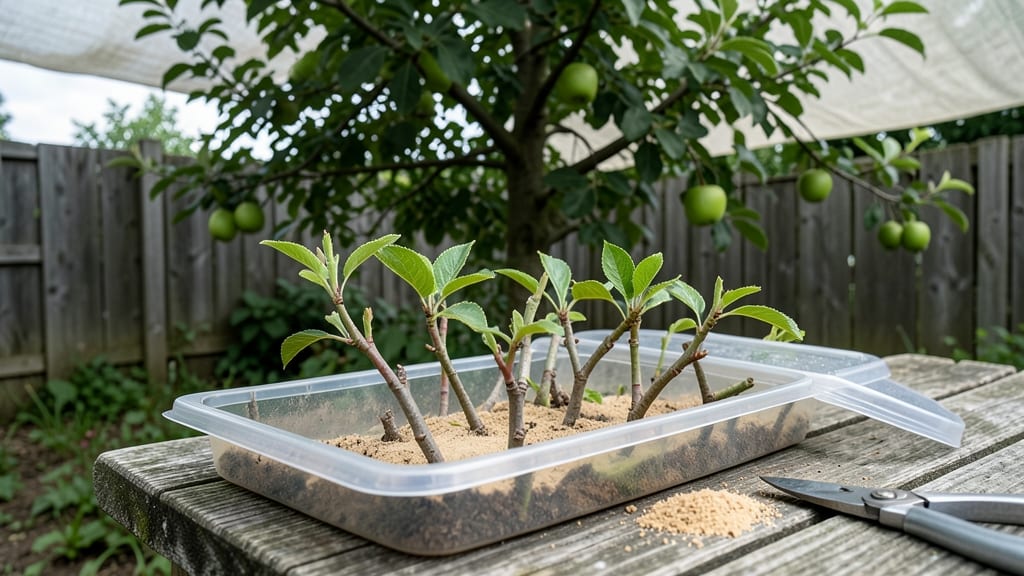
Propagating fruit trees from cuttings lets you grow your favorite varieties for free—like that perfect apple tree you’ve always admired. 🌱 The key is timing, the right type of cutting, and a little patience.
I’ve rooted dozens of cuttings, and once you master the basics, you’ll be growing new trees without buying expensive nursery stock.
You’ll need sharp pruners, rooting hormone (optional but helpful), small pots, and a well-draining soil mix. The best time to take cuttings is late spring or early summer when new growth is firm but still flexible.
Citrus, avocado, and apple trees all root well with this method, though success rates vary—expect about 50-70% survival if you follow the steps closely.
By the end of summer, you’ll have rooted cuttings ready to transplant into larger pots or the ground. The first leaves will signal success, and within a year, you could be harvesting fruit from your own propagated trees. It’s rewarding to watch something so small turn into a thriving plant.
This method works for small spaces, urban gardens, or anyone looking to expand their orchard without breaking the bank. Let’s get those cuttings growing!
📚 In This Guide
- What you need
- Instructions
- Tips and common mistakes
- Wrapping up and next steps
What you need
- ● Healthy fruit tree cuttings: 4–6 inches long, pencil-thick, with at least 2–3 nodes (buds). (Best taken in late winter or early spring.)
- ● Rooting hormone: A powder, gel, or liquid (e.g., Clonex or Rootone) to boost root growth.
- ● Well-draining potting mix: 50% perlite or sand + 50% peat moss or coconut coir. (Sterilize mix by baking at 200°F for 30 mins to kill pathogens.)
- ● Containers: 4–6 small pots (4–6 inches deep) with drainage holes (or a propagation tray with individual cells).
- ● Spray bottle: For gentle misting (16 oz with a fine mist nozzle).
- ● Clear plastic bag or humidity dome: To retain moisture (e.g., a ziplock bag with holes or a plastic tent).
- ● Pruning shears or sharp knife: Sterilized with rubbing alcohol to make clean cuts.
- ● Watering can or cup: For initial watering (avoid over-saturating the mix).
- ● Heat mat: Set to 70–75°F to accelerate rooting (especially for slower varieties like citrus or avocado).
- ● Fogging system: For large-scale propagation to maintain high humidity.
- ● Label markers: To track cutting types and dates (e.g., “Apple – Red Delicious – 3/15”).
- ● Fungicide: Like Mycorrhizal inoculant to prevent rot in damp conditions.
- ● Grow lights: If propagating indoors with limited natural light (12–16 hours/day).
Step-by-step instructions for propagating fruit trees from cuttings
Here's how I've successfully rooted dozens of fruit trees at home—no fancy tools needed.
🌱 Step 1: Select and Prepare Healthy Cuttings
Choose 4-6 inch long cuttings from last year's growth—thicker than a pencil but not woody. Make a clean cut just below a leaf node (that little bump where leaves attach) using sharp pruners. I dip the cut end in rooting hormone powder right away to boost success rates. This step is critical: weak or old wood rarely roots.
Strip off all but the top 2-3 leaves to reduce moisture loss. The remaining leaves should be healthy and free of damage. Place the prepared cuttings in a glass of water immediately if you're not rooting them right away—keeping them hydrated prevents wilting while you work.
💧 Step 2: Create the Rooting Environment
Fill a clean 6-inch pot with the 2 gallons of perlite and sand mix you've prepared. This combination drains perfectly while holding enough moisture for root development. Moisten the mix until it's damp but not soggy—you should be able to squeeze a handful and see moisture but no water dripping out.
Here's the thing—fruit tree cuttings need warmth to root. Place your pot in a location that stays between 70-75°F during the day. A sunny windowsill works, but I've had better luck using a simple heat mat set to 75°F underneath the pot. The roots will form faster when it's warm.
✂️ Step 3: Plant and Maintain Moisture
Insert each cutting about 2 inches deep into the prepared mix, spacing them 3 inches apart. Gently firm the mix around the stems so they stand upright. Don't pack it down too tightly—you want air pockets for root growth. I like to make a small hole first with a pencil, then slide the cutting in to avoid disturbing the roots.
Water gently until moisture runs out the bottom drainage hole. After that, keep the mix consistently moist but never waterlogged. I check daily by sticking my finger in about 1 inch deep—if it feels dry, it's time to water. Mist the leaves occasionally to maintain humidity, especially if your home is dry. You'll see new growth in 4-8 weeks if everything's right.
☀️ Step 4: Provide Light and Monitor Growth
Place your pot in bright, indirect light—think 6+ hours of filtered sunlight daily. Too much direct sun will dry out the cuttings before roots form. I've seen cuttings crisp up when left in hot afternoon sun, so afternoon shade is better if you're near a window.
Watch for new leaves emerging from the top—this is your signal that roots are forming below. When you see 2-3 inches of new growth, it's time to check for roots by gently tugging on the cutting. If resistance meets your fingers, roots have formed. Transplant to individual pots at this stage to give them room to grow.
Tips & tricks for propagating fruit trees from cuttings
Here's what I learned after rooting dozens of fruit trees—these little details make all the difference between success and frustration.
Timing for Cutting Selection: Late spring or early summer is the absolute best time to take cuttings from fruit trees. This is when new growth is vigorous but not yet woody. If you're working with dormant wood, you'll need to stratify the cuttings in a cold, moist environment for 6-8 weeks before attempting to root them. I always aim for cuttings that are still slightly flexible but not green—this indicates they're ready to root.
Rooting Hormone Hack: While rooting hormone powder is helpful, I've found that a simple DIY alternative works just as well for fruit trees. Mix 1 tablespoon of honey with 1 cup of water and dip the cut ends in this solution before planting. The natural sugars in honey promote root growth. Just make sure to use raw, unprocessed honey for best results. This trick works especially well if you don't have commercial rooting hormone on hand.
Environment Monitoring: The 70-75°F temperature range mentioned is crucial, but don't let your cuttings get too hot. I've seen cuttings fail when placed near heating vents or in direct afternoon sun. Use a small digital thermometer to monitor the air temperature around your cuttings. If your home tends to be cooler, consider using a simple heat mat set to 75°F—it's a game-changer for root development speed. Just make sure the heat mat is designed for plant propagation.
Transplanting Ready Cuttings: When you're ready to transplant those rooted cuttings, do it on a cloudy day or in the late afternoon. This reduces transplant shock from direct sunlight. I also like to trim any large leaves by about a third before transplanting—this helps the plant conserve moisture while it establishes new roots in its permanent home. The 2-3 inches of new growth mentioned in the instructions is your clear signal that roots have formed and the cutting is ready for this next step.
Pro Tips for Propagate Fruit Trees From Cuttings
- Here's what I learned after rooting dozens of fruit trees—these little details make all the difference between success and frustration.
- Timing for Cutting Selection: Late spring or early summer is the absolute best time to take cuttings from fruit trees.
- Rooting Hormone Hack: While rooting hormone powder is helpful, I've found that a simple DIY alternative works just as well for fruit trees.
Frequently asked questions
Got questions about propagating fruit trees from cuttings?
You’re not alone! Here are answers to the most common queries to help you grow confident and successful.
What’s the best time of year to take fruit tree cuttings?
The ideal window is late winter to early spring (just before new growth starts) or mid-summer (when the tree is actively growing). For most fruit trees, June or July works best—avoid extreme heat or cold. If you’re in a mild climate, you can experiment year-round, but timing matters!
Can I propagate any fruit tree from cuttings?
Not all fruit trees root easily from cuttings! Citrus, figs, and olives are great starters, while apples and cherries are trickier (they often need grafting). Research your specific tree—some varieties, like avocados, are better propagated from seeds or air layering. When in doubt, ask a local nursery for tips!
How often should I water cuttings while they’re rooting?
Keep the soil consistently moist but not soggy—water lightly every 2–3 days, or when the top inch feels dry. Overwatering can rot cuttings, while underwatering stresses them. A humidity dome or plastic bag helps retain moisture. Pro tip: Mist leaves daily to mimic a tropical environment!
What if my cuttings aren’t rooting after a few weeks?
Don’t panic! Root development can take 4–12 weeks depending on the tree and conditions. Check for wilting, mold, or yellowing leaves—these signal trouble. If your cuttings stay green but stubborn, try adjusting humidity, light, or rooting hormone strength. Some varieties just need more patience!
Is there an easier alternative to cuttings for beginners?
If cuttings feel too tricky, try grafting (for apples/pears) or air layering (great for mangoes or citrus). For fast results, buy rooted bare-root saplings from nurseries. Even seed propagation works for some fruit trees (like avocados), though it may not preserve the parent tree’s traits.
Wrapping up and next steps
Propagating fruit trees from cuttings is a rewarding way to expand your orchard—without breaking the bank! 🌱 With patience, the right tools, and a few key techniques, you’ll soon be growing thriving trees from just a few branches.
Start small, experiment with different methods, and don’t hesitate to troubleshoot along the way.
Ready to take the next step? Pick a healthy cutting from your favorite fruit tree today and give propagation a try! Your future harvests will thank you.