
Container Gardens
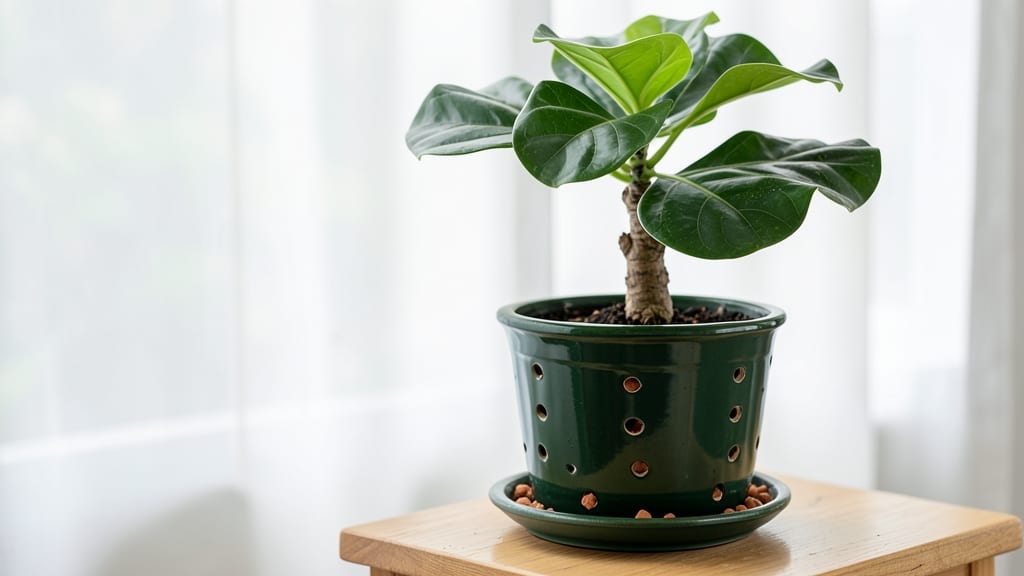
A potted flower tree turns any corner into a vibrant focal point—imagine jacaranda blooms cascading beside citrus leaves, all in one container. 🌿 I started with a 20-gallon pot and a dwarf olive tree, then tucked in trailing petunias and sweet alyssum for year-round color.
The key? Matching the tree’s mature size to the pot and choosing flowers that complement its growth habit.
You’ll need a container with drainage holes, lightweight potting mix, and a tree that stays small enough for your space—think citrus, Japanese maple, or flowering cherry. Add a trellis or tall grasses to fill gaps while the tree establishes.
My setup uses a self-watering pot to cut down on maintenance, and I top-dress with mulch to keep roots cool.
By summer, your potted tree will burst with blooms while the flowers spill over the edges, creating a living tapestry. The citrus scent alone makes evenings feel like a Mediterranean vacation, and the combination stays lush through winter with proper care.
This isn’t just a plant—it’s a statement piece that grows with you.
Works for patios, balconies, or even indoor spaces with bright light. The secret to longevity? Regular pruning to control size and companion plants that thrive in the same conditions. Let’s get your container garden blooming like a mini forest!
📚 In This Guide
- What you need
- Instructions
- Tips and common mistakes
- Wrapping up and next steps
What you need
- ● Potted Flower Tree: 1 mature tree (e.g., Citrus, Olive, Bougainvillea, or Ficus) or a young sapling from a nursery.
- ● Size: Choose a container-friendly variety (typically 3–6 feet tall at maturity).
- ● Container: 1 large, durable pot with drainage holes (minimum 18–24 inches in diameter for mature trees).
- ● Material: Terracotta, ceramic, or high-quality plastic (avoid cheap, lightweight pots that may tip over).
- ● Potting Mix: 1 bag of well-draining potting soil (avoid garden soil—it compacts and suffocates roots!).
- ○ Additives (optional but helpful): Perlite, vermiculite, or orchid bark (10–20% of the mix) for aeration.
- ● Drainage Layer: 2–3 inches of gravel, pebbles, or broken pottery (to prevent root rot).
- ● Basic Tools: 1 trowel or small shovel
- ● 1 pair of gardening gloves
- ● 1 watering can or hose with a gentle spray nozzle
- ● Slow-Release Fertilizer: 1 packet of balanced, organic fertilizer (e.g., 10-10-10 or 5-5-5) to nourish your tree.
- ● Mulch: 1–2 inches of organic mulch (e.g., bark chips or coconut coir) to retain moisture.
- ● Support Stakes: 2–4 stakes + soft ties if your tree is top-heavy or young.
- ● Self-Watering System: A wicking bed kit or drip irrigation for low-maintenance care.
- ● Decorative Accents: Pebbles, moss, or a saucer tray for a polished look!
Step-by-step guide to creating a thriving potted flower tree
Here's how to transform a small tree into a vibrant container showstopper—no green thumb required.
🌱 Step 1: Select and Prepare the Right Container
Choose a pot with drainage holes that's at least 12 inches wide and deep for each tree—this gives roots room to establish without crowding. I like glazed ceramic for its weight and aesthetic, but plastic works fine if you move it often. If your pot lacks drainage, drill holes yourself or place it on a saucer with pebbles to catch excess water.
Fill the bottom 2-3 inches with gravel or broken pottery shards to create a drainage layer. This prevents soggy roots, which will rot within days if left waterlogged. Tap the pot gently to settle the drainage layer before adding soil—this ensures even distribution and avoids air pockets that could suffocate roots.
🌿 Step 2: Plant with Proper Soil and Spacing
Use a lightweight potting mix designed for trees or shrubs—regular garden soil compacts and drains poorly in containers. For 4 trees, you’ll need about 4 gallons total (1 gallon per pot). Mix in a handful of slow-release fertilizer (like 10-10-10) into the bottom layer of soil to feed roots as they grow.
Dig a hole twice as wide as the root ball but no deeper than the pot’s drainage layer. Gently remove the tree from its nursery pot and loosen any circling roots with your fingers—this encourages outward growth instead of root-bound circles. Place the tree in the hole so the top of the root ball sits 1 inch below the pot’s rim—this prevents soil from washing away during watering.
☀️ Step 3: Water Thoroughly and Place in Optimal Light
Water each tree deeply until water runs freely from the drainage holes—this takes about 1-2 gallons per pot. Let it drain completely, then wait 15-20 minutes before moving the pot to its permanent spot. Overwatering now can drown fresh roots, and you’ll know it’s ready when the soil surface feels damp but not soggy.
Place your potted trees in bright, indirect light for the first week to reduce transplant shock. After that, they’ll need at least 6 hours of direct sun daily—south or west-facing spots work best. If you notice leaves curling or stems stretching toward the light, move them closer. Leggy growth is a sign they’re reaching for more intensity.
💧 Step 4: Establish a Watering and Fertilizing Routine
Check soil moisture by sticking your finger 1 inch deep—water when it feels dry. In summer, this might mean every 2-3 days, but adjust for your climate. I like to water in the morning so foliage dries quickly, preventing fungal diseases. Avoid wetting leaves when possible; instead, water at the base.
Feed your trees every 4-6 weeks during growing season (spring through fall) with a balanced liquid fertilizer. Cut back to once every 8 weeks in winter when growth slows. Yellowing leaves? You’re either over- or under-fertilizing. Flush the soil with water if you suspect salt buildup from fertilizer.
✂️ Step 5: Prune and Maintain Year-Round Health
Prune dead or crossing branches in early spring before new growth starts. Use clean, sharp pruners to make cuts just above a leaf node—this encourages bushier growth. For flowering trees, trim back about ⅓ of the oldest branches each year to keep the canopy full and vibrant.
Inspect leaves monthly for pests like spider mites or aphids. Wipe them off with a damp cloth or spray with neem oil if needed. Mulch the soil surface with 1 inch of organic mulch (like bark chips) to retain moisture and regulate temperature. Refresh the mulch every 3-4 months or when it breaks down.
Tips & tricks for perfect potted flower trees
Common pitfalls—and how to sidestep every one—when creating your container garden masterpiece.
Container Size Matters: That 12-inch minimum width isn't arbitrary—it gives roots room to spread without becoming root-bound. If you're tempted to use smaller pots for aesthetics, remember: cramped roots mean stunted growth. For larger trees, go up to 18 inches wide to accommodate their needs. The deeper the pot, the better the stability and root development, especially during windy conditions.
Drainage Layer Done Right: The 2-3 inches of gravel or pottery shards isn't just decoration—it's your first line of defense against root rot. I've seen people skip this step and end up with sad, mushy roots within weeks. Pro tip: use clean, coarse gravel rather than fine pebbles, which can clog drainage holes over time. Tap the pot after adding this layer to eliminate air pockets that could trap excess moisture.
Proper Planting Depth: Positioning the root ball just 1 inch below the pot's rim prevents soil erosion during watering while keeping the tree stable. Too high, and you risk soil washing away; too low, and you may suffocate the trunk. For trees with multiple trunks, arrange them evenly around the center of the pot to create a balanced, natural look. This also helps prevent leaning as the tree matures.
Light Transition Strategy: That first week of bright, indirect light is crucial for reducing transplant shock. I've seen trees wilt dramatically when moved directly into full sun too soon. After the initial week, gradually increase sun exposure by moving the pot closer to a sunny window or outdoor spot over 3-4 days. Watch for leaf curling or stretching—these are clear signs your tree needs more light or is getting too much.
Pro Tips for Potted Flower Tree
- Common pitfalls—and how to sidestep every one—when creating your container garden masterpiece.
- Container Size Matters: That 12-inch minimum width isn't arbitrary—it gives roots room to spread without becoming root-bound.
- Drainage Layer Done Right: The 2-3 inches of gravel or pottery shards isn't just decoration—it's your first line of defense against root rot.
Frequently asked questions
Got questions about keeping your potted flower tree thriving? You’re not alone! Here are answers to the most common queries—from care basics to troubleshooting—so you can enjoy that lush canopy without the guesswork.
What’s the best soil mix for a potted flower tree?
A well-draining chunky potting mix (like 60% peat or coconut coir, 30% perlite/pumice, and 10% compost) works best. Avoid heavy garden soil—it compacts and suffocates roots. For tropical varieties (e.g., bougainvillea), add orchid bark for extra aeration. Pro tip: Elevate pots with feet to prevent waterlogging!
How often should I water my potted flower tree?
Water when the top 1–2 inches of soil feel dry (stick your finger in to test!). Most potted trees need watering every 5–7 days in summer and every 2–3 weeks in winter. Overwatering is the #1 killer—always use pots with drainage holes! Troubleshooting: Yellow leaves? You’re likely overwatering.
Can I keep a potted flower tree indoors year-round?
It depends on the type! Sun-loving varieties (e.g., hibiscus, jacaranda) need 6+ hours of direct sunlight daily—a south-facing window or grow lights work. Low-light options (like Schefflera) thrive indoors but may grow slower. Watch for: Leggy stems (not enough light) or crispy edges (too much heat near vents).
How do I prune a potted flower tree for fuller growth?
Prune in early spring (before new growth) to shape and encourage bushiness. Use clean, sharp shears to cut just above a leaf node at a 45-degree angle. Remove dead/diseased branches first, then trim back 1/3 of the longest stems to promote branching. Warning: Avoid heavy pruning in fall—it stresses the plant before winter.
Why aren’t my potted flowers blooming?
Blooming hinges on three key factors:
- Light: Most flowering trees need full sun (6+ hours). Move yours to a brighter spot if blooms are sparse.
- Fertilizer: Use a balanced bloom booster (like 10-10-10) every 4–6 weeks in growing season.
- Stress: Overwatering, root-bound pots, or sudden temperature drops can halt blooms. Check for yellowing leaves or dropped buds.
Pro tip: Deadhead spent blooms to encourage more flowers!
What are some low-maintenance potted flower tree alternatives?
If you want color without the fuss, try these:
- Dwarf Meyer Lemon – Fragrant, drought-tolerant, and blooms year-round.
- Japanese Maple – Disease-resistant with stunning foliage (needs partial shade).
- Olive Tree – Thrives on neglect; drought-resistant and long-lived.
- Bougainvillea – Vibrant blooms with minimal care (needs full sun).
All do well in containers and need less frequent watering than tropical picks.
Wrapping up and next steps
Transforming your space with a potted flower tree is a rewarding way to bring nature’s beauty indoors or onto your patio year-round! 🌿 Whether you’re drawn to vibrant blooms, lush foliage, or the joy of nurturing a living masterpiece, these container-friendly trees offer endless possibilities.
Start small, experiment with varieties, and let your creativity grow—your garden (and future guests) will thank you.
Ready to dive in? Pick your favorite tree, gather your supplies, and plant with confidence! 🌸 Whether you’re a seasoned gardener or just starting out, every pot has the potential to bloom into something extraordinary.