
Pruning
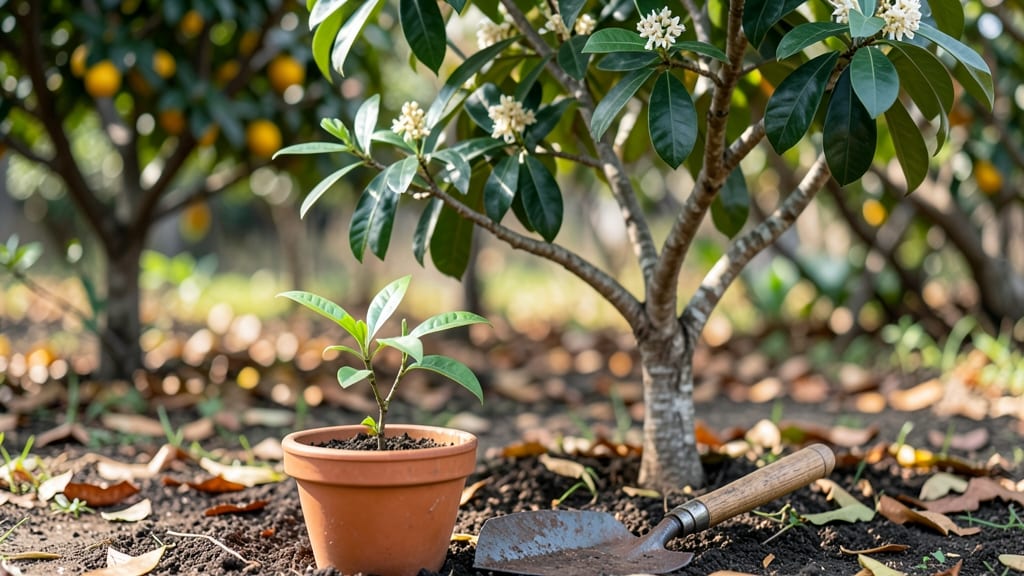
Planting a lychee tree means bringing exotic tropical flavors to your backyard—if you live in the right climate. 🌺 I’ve grown them in Florida’s heat, and while they’re finicky, the sweet, fragrant fruit makes every challenge worth it.
These trees thrive in USDA zones 10-12, but with the right care, even subtropical gardeners can coax them into production.
The secret starts with well-draining soil and a spot that mimics their native tropical forest floor—think partial shade when young, then full sun once established. Container planting works too, using a 15-gallon pot for dwarf varieties, though they’ll need winter protection in cooler zones.
Saplings from reputable nurseries (not seeds) give you the best shot at fruit in 3-5 years, but patience pays off with those juicy, aromatic rewards.
You’ll know you’re on the right track when you see glossy new leaves and the first hints of blossoms in spring. The real magic happens when those rosy pink flowers appear—each one a potential fruit.
With consistent watering (but never soggy soil) and occasional fertilizer, your tree will reward you with harvests that taste like childhood vacations. Here’s how to set it up right from day one.
Container growers, take note: these trees need humidity and regular pruning to stay compact. Ground planters should prep the soil with compost for that first critical year. Either way, winter care is the make-or-break factor—lychees hate cold drafts.
Let’s get those roots settled so you can enjoy fruit that’s sweeter than anything you’ve ever bought at the store.
📚 In This Guide
- What you need
- Instructions
- Tips and common mistakes
- Wrapping up and next steps
What you need
- ● Lychee tree: 1 seedling (from a fresh lychee fruit) OR
- ● 1 grafted sapling (for faster fruiting, available at nurseries)
- ● Well-draining soil: 1 bag peat moss or coconut coir (for acidity, pH 4.5–6.5)
- ● 1 bag sand or perlite (for drainage, 20–30% mix)
- ● 1 bag compost or aged manure (for nutrients)
- ● Container or planting spot: Pot option: 1 5–7 gallon container (with drainage holes) OR
- ● Outdoor spot: 1 sunny, sheltered location (full sun, 6+ hours/day)
- ● Tools: 1 trowel (for digging)
- ● 1 pruning shears (sterilized)
- ● 1 spray bottle (for misting seedlings)
- ● 1 mulch (pine bark or straw to retain moisture)
- ● 1 slow-release fertilizer (balanced 10-10-10 or citrus-specific)
- ● 1 humidity dome or plastic wrap (for seedling protection)
- ● 1 pH testing kit (to monitor soil acidity)
Step-by-step guide to planting a thriving lychee tree
Here's how to give your lychee tree the tropical start it needs—no matter where you live.
🌱 Step 1: Choose the Right Location and Prepare the Site
Lychee trees demand warmth and shelter. Pick a spot with full sun exposure (6-8 hours daily) and protection from cold winds, like near a south-facing wall or fence. If you're in a cooler climate, grow it in a large container that can be moved indoors during winter. The soil should drain well—lychees hate soggy roots.
Dig a hole twice as wide as the root ball but only as deep. Loosen the sides of the hole with a shovel to encourage root spread. If your soil is heavy clay, mix in 2-3 inches of compost to improve drainage. The key is mimicking the tree's natural tropical environment where water drains quickly but nutrients stay available.
🪴 Step 2: Plant with Care to Avoid Root Damage
Remove the tree from its container and gently tease apart any circling roots. Place it in the hole so the top of the root ball sits 1 inch above ground level—this prevents water from pooling around the trunk. Backfill with native soil, pressing lightly to remove air pockets but not compacting too tightly.
Water deeply right after planting to settle the soil and eliminate air gaps. You'll know it's done right when water runs out the bottom of the hole and the surface looks slightly damp but not muddy. Mulch around the base with 2-3 inches of organic mulch, keeping it 6 inches away from the trunk to prevent rot.
☀️ Step 3: Establish Consistent Watering and Fertilizing
Lychee trees need 1-2 inches of water weekly, but they're drought-tolerant once established. Water deeply every 5-7 days, letting the top 2 inches of soil dry out between waterings. Overwatering is the fastest way to kill a lychee tree—it causes root rot that spreads quickly in tropical climates.
Fertilize lightly in spring with a balanced 10-10-10 fertilizer, following package rates. Avoid heavy nitrogen—it promotes leafy growth at the expense of fruit production. Instead, focus on potassium and phosphorus to support flowering. You'll see strong new growth within 4-6 weeks if the tree is happy.
✂️ Step 4: Prune for Shape and Fruit Production
Prune in late winter or early spring before new growth begins. Remove any dead, diseased, or crossing branches first. Then shape the tree by cutting back 1/3 of the oldest wood to encourage new, fruiting branches. Lychees fruit on new growth, so aggressive pruning actually increases your harvest.
Watch for water sprouts (thin, vertical shoots) and remove them immediately. These steal energy from fruit production. Thin out crowded branches to improve air circulation, which reduces fungal diseases common in humid climates. You'll notice more sunlight reaching the center of the tree within 2-3 weeks of proper pruning.
Tips & tricks for planting a thriving lychee tree
Here's what nobody tells you about giving your lychee tree the best possible start—because the little details make all the difference between a struggling plant and a fruit-bearing powerhouse.
Location Intelligence: That 6-8 hours of daily sun isn't just about warmth—it's about consistent light exposure. In cooler climates, position your container where it gets morning sun and afternoon shade during peak summer heat. I've seen lychees in pots thrive with this adjustment, especially when combined with a south-facing window indoors during winter months.
Soil Science: The 2-3 inches of compost recommendation is your secret weapon for heavy clay soils. For even better drainage, consider mixing in perlite or coarse sand to create a 50/50 blend with your native soil. This mimics the well-draining volcanic soils where lychees naturally grow, and you'll notice root development accelerate within just 4-6 weeks after planting.
Watering Wisdom: When establishing your tree, the key is deep watering—not frequent shallow waterings. After that initial deep soak, let the top 2 inches dry completely before watering again. This trains the roots to grow deeper and stronger, which is especially important in container growing where water evaporates faster. I've had containers dry out completely in just 3 days during summer—always check moisture before watering.
Pruning Precision: That 1/3 reduction of oldest wood might seem drastic, but it's what triggers new fruiting branches. Use sharp pruning shears to make clean cuts just above outward-facing buds. I mark these buds with a pencil before cutting to ensure I'm encouraging growth in the right direction. The result? More sunlight penetration and better air circulation that reduces those pesky fungal issues.
Pro Tips for Planting Lychee Tree
- Here's what nobody tells you about giving your lychee tree the best possible start—because the little details make all the difference between a struggling plant and a fruit-bearing powerhouse.
- Location Intelligence: That 6-8 hours of daily sun isn't just about warmth—it's about consistent light exposure.
- Soil Science: The 2-3 inches of compost recommendation is your secret weapon for heavy clay soils.
Frequently asked questions
Got questions about growing lychee trees? You’re not alone! Here are answers to the most common concerns—from timing to troubleshooting—so you can plant with confidence.
When is the best time to plant a lychee tree?
Plant lychee trees in early spring (March–April) when soil temperatures are warm but frost isn’t a risk. If you’re in a tropical or subtropical zone, late summer (August–September) also works. Avoid planting in winter—cold snaps can stunt young roots.
Can lychee trees survive in cold climates?
Lychees are tropical/subtropical and thrive in USDA zones 10–12. In colder areas (zones 8–9), grow them in containers and move them indoors during winter. Young trees are especially vulnerable—use mulch or frost cloth for protection.
How long does it take for a lychee tree to bear fruit?
Patience is key! Dwarf varieties may fruit in 3–5 years, while standard trees take 5–8 years. Ensure full sun, well-draining soil, and regular watering (but avoid soggy roots). Pro tip: Hand-pollinate flowers with a small brush if bees are scarce!
Why isn’t my lychee tree growing? Common issues and fixes.
| Problem | Solution |
|---|---|
| Yellow leaves | Check for overwatering or nutrient deficiency. Adjust irrigation and fertilize with citrus-specific food. |
| No flowers/fruit | Ensure 6+ hours of sunlight daily and pollinate flowers manually. Prune to improve airflow. |
| Stunted growth | Test soil pH (5.0–6.5 ideal). Amend with compost or sulfur if needed. |
Are there lychee tree alternatives for cooler climates?
If lychees are too finicky, try these similar tropical fruits that handle cooler temps better:
- Longan (hardier, similar flavor)
- Rambutan (slightly more cold-tolerant)
- Loquat (zones 7–10, edible flowers/fruit)
Wrapping up and next steps
Planting a lychee tree is a rewarding journey that brings a taste of the tropics right to your backyard! 🌿 With the right location, soil, and care, you’ll be enjoying sweet, fragrant fruit in no time.
Start small—whether it’s a seedling or a grafted tree—and watch your efforts bloom into a thriving, productive plant.
Ready to take the next step? Research local climate zones to confirm your lychee’s suitability, then order your tree or seeds and begin planning your planting spot. Happy growing—your future harvest is just around the corner! 🌱✨