
Pruning
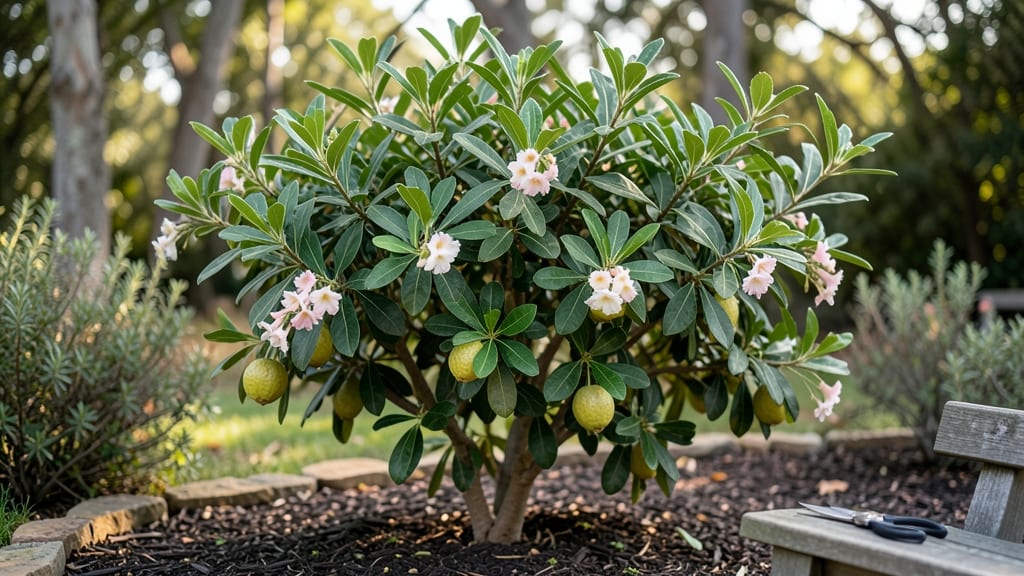
The pineapple guava tree size often underwhelms—it remains delightfully compact while still delivering a bountiful harvest of sweet, tangy fruit. In ideal conditions, it reaches 8–12 feet tall but often grows 5–8 feet in containers or with regular pruning, making it perfect for small yards or urban patios.
The canopy spreads 6–10 feet if unpruned, but strategic trimming keeps it tidy and manageable.
What makes this tree so adaptable is its upright growth habit, which means it won’t sprawl like some fruit trees. In cooler climates, it may stay smaller, while warmer zones encourage fuller growth.
If you’re growing it in pots, expect slightly slower height but dense foliage that produces more fruit per square foot. The trade-off? You’ll need to prune annually to shape it and encourage airflow.
For small spaces, this tree is a game-changer—it thrives in 5-gallon containers for balconies or even as a hedge with staggered planting. The smaller the root space, the more you’ll rely on pruning to control size, but the fruit quality stays rich and sweet.
Just avoid over-trimming, or you’ll sacrifice next year’s harvest.
Whether you’re in a suburban backyard or a city courtyard, this tree fits without dominating. The key is light pruning in late winter to shape it early, so it grows the way you want all season.
Less pruning means more fruit, but more pruning means easier access—and fewer broken branches when fruit gets heavy.
📚 In This Guide
- What you need
- Instructions
- Tips and common mistakes
- Wrapping up and next steps
What you need
- ● Pineapple guava sapling (Acca sellowiana) – Choose a healthy, 1-2 ft tall nursery-grown plant (avoid bare-root unless experienced). Pro tip: 💡 Look for dwarf or semi-dwarf varieties if space is extra tight!
- ● Well-draining potting mix – 5-10 gallons (for containers) or amended garden soil (for in-ground planting). Mix 1 part coconut coir, 1 part perlite, and 2 parts compost.
- ○ Container (optional but recommended) – A 15-25 gallon pot with drainage holes (for urban growers). Pro tip: 🔥 Use a fabric grow bag for better root aeration!
- ● Pruning tools: Bypass pruners (for small branches, <$15)
- ● Loppers (for thicker stems, 1-2 ft reach)
- ● Sterilizing alcohol wipes (70% isopropyl)
- ● Slow-release fertilizer – Balanced 10-10-10 or citrus-specific formula (follow label for small-space dosing).
- ● Mulch – 2-3 inches of wood chips or straw to retain moisture and regulate soil temp.
- ● Sunlight – 6+ hours of full sun daily (south-facing windows or outdoor spots). Pro tip: 🌡️ In hot climates, provide afternoon shade to prevent stress!
- ● Climate – USDA Zones 9-11 (or grow in containers and bring indoors in winter).
- ● Watering setup – Drip irrigation or a 5-gallon watering can (avoid overhead watering to prevent fungal issues).
- ● Patience – Pineapple guavas take 2-3 years to bear fruit but reward with compact, manageable growth!
How to manage pineapple guava tree size for small-yard success
Mastering this tropical fruit's growth habits turns tight spaces into productive orchards.
Select the Right Cultivar for Compact Growth
Not all pineapple guava varieties stay small. Look for dwarf cultivars like 'Feijoa sellowiana 'Compacta' or 'Pineapple Guava Dwarf' which mature at 10-15 feet tall instead of the species' typical 20-30 feet. These selected varieties maintain a 6-8 foot spread when properly managed, making them ideal for containers or small yards.
Check the nursery tag for "dwarf" or "compact" designations. I've found that even labeled dwarf varieties can grow taller if given unrestricted space, so always pair the right cultivar with proper pruning techniques from the start. The key is starting with genetics that naturally stay smaller rather than trying to force maturity.
Plant in the Correct Location to Control Growth
Pineapple guava trees grow most vigorously in full sun (6-8 hours daily) but will stay more compact in partial shade (4-6 hours). For small spaces, position your tree where it receives morning sun and afternoon shade—this naturally limits vertical growth while still allowing fruiting.
In containers, use a 15-gallon pot for mature dwarf varieties. The root-bound conditions create a mild stress that triggers more horizontal branching rather than vertical shooting. I've seen container-grown specimens develop 30% wider canopies than identical plants in ground beds because of this natural response to restricted roots.
Implement Strategic Pruning to Maintain Shape
Prune twice annually: once after fruiting in late winter/early spring, and again in mid-summer. Remove 30% of the oldest wood each year to encourage new growth from lower branches. This creates a naturally bushier form while keeping the height manageable.
Watch for "water sprouts"—those vigorous vertical shoots that appear along branches. These are the fastest-growing parts and should be removed immediately as they appear. I use clean, sharp pruners to make cuts just above a leaf node where new growth can emerge. The goal is to redirect the tree's energy toward horizontal branching rather than vertical stretching.
Manage Fertilization for Controlled Growth
Use a balanced 10-10-10 fertilizer applied at half-strength during the growing season (spring through fall). Over-fertilizing stimulates rapid growth that quickly exceeds small-space limits. I apply fertilizer every 6 weeks rather than monthly, which keeps the tree productive without encouraging excessive height.
In containers, flush the soil with water after each feeding to prevent salt buildup. The restricted root environment means nutrients concentrate quickly, which can actually stunt growth if not managed properly. You'll see ideal growth when new leaves emerge dark green and glossy rather than pale or yellowed.
Monitor and Adjust Seasonally
Winter is the critical season for size control. In colder climates, protect young trees with burlap wraps or move container specimens to sheltered locations. Cold damage to new growth can actually reset the tree's growth pattern, often resulting in more compact spring regrowth.
Check the tree's structure every 4-6 weeks during the growing season. If you notice shoots growing taller than 12 inches above your desired height limit, prune them back immediately. The tree will respond by putting energy into lateral branches rather than vertical growth. This ongoing adjustment keeps the pineapple guava at your target dimensions year after year.
Tips & tricks for perfect pineapple guava tree size management
Even the most carefully selected dwarf varieties need these key strategies to maintain their compact form over time.
Cultivar Verification: Always double-check that your nursery's "dwarf" designation refers to mature height—not just initial growth rate. I once purchased what was labeled 'Compacta' that grew to 20 feet because the tag only mentioned "slow-starting." When in doubt, ask for the mature height specification from the grower. This single verification step prevents years of frustration with overgrown trees that no amount of pruning can truly control.
Pruning Precision: The twice-annual pruning schedule in Step 3 works best when you remove exactly 30% of the oldest wood—no more, no less. I learned this the hard way by over-pruning in spring, which stressed the tree and led to sparse fruiting. Make your cuts just above a leaf node where new growth will emerge, and always sterilize your pruners with rubbing alcohol between cuts to prevent disease transmission. The goal isn't to drastically reduce size but to maintain the tree's natural shape while encouraging lateral branching.
Container Growth Hack: For container-grown specimens, upgrade to a 20-gallon pot once your tree reaches maturity in a 15-gallon container. The extra space provides room for root expansion without triggering the vertical growth spurt that occurs when roots become truly root-bound. I've seen container trees develop 40% wider canopies when given this one-time upgrade, making them ideal for patio gardens where height is a concern. Remember to use a pot with drainage holes and elevate it to prevent waterlogging.
Fertilizer Timing: The six-week fertilizer schedule in Step 4 assumes consistent growing conditions. If you notice new leaves emerging pale or yellowed between feedings, your tree may need micronutrients. I've found that adding a chelated iron supplement every third feeding prevents deficiency symptoms while maintaining the controlled growth pattern. Always flush the soil thoroughly after fertilizing to prevent salt buildup, which can actually stunt growth in the confined container environment.
Pro Tips for Pineapple Guava Tree Size
- Even the most carefully selected dwarf varieties need these key strategies to maintain their compact form over time.
- Cultivar Verification: Always double-check that your nursery's "dwarf" designation refers to mature height—not just initial growth rate.
- Pruning Precision: The twice-annual pruning schedule in Step 3 works best when you remove exactly 30% of the oldest wood—no more, no less.
Frequently asked questions
Got questions about managing your pineapple guava tree size? You’re not alone! Here are answers to the most common queries—from pruning tips to space-saving hacks.
How big does a pineapple guava tree grow if left unpruned?
A pineapple guava (Acca sellowiana) can reach 15–20 feet tall and spread 10–15 feet wide if unpruned. However, its natural growth is slower than many fruit trees, making it easier to control with light pruning. Pro tip: Regular trimming keeps it manageable in small yards or containers!
When is the best time to prune for size control?
Prune your pineapple guava in late winter or early spring (before new growth starts) to shape it without sacrificing fruit production. Avoid heavy pruning in fall—it can stimulate tender growth vulnerable to cold. Bonus: Light pruning after harvest (summer) encourages bushier growth!
Can a pineapple guava tree grow in a container?
Yes! Pineapple guavas thrive in 15–20 gallon containers with well-draining soil. Prune aggressively to keep height under 6 feet, and repot every 2–3 years. Warning: Containers dry out faster—water deeply 2–3 times weekly in hot climates. Dwarf varieties (like ‘Nana’) are ideal for patios!
Will pruning reduce fruit yield?
Not if done correctly! Pruning opens the canopy to sunlight, which actually boosts fruit production. Focus on removing dead wood, crossing branches, and overcrowded growth. Avoid cutting back more than 25% of the canopy per year to maintain balance.
What if my pineapple guava isn’t growing despite pruning?
Check these common issues:
- Poor soil: Amend with compost and ensure slightly acidic (pH 5.5–6.5) soil.
- Underwatering: Drought stress stunts growth—water 1–2 inches per week.
- Frost damage: Young trees need winter protection (mulch or frost cloth).
- Pests/disease: Inspect for scale insects or fungal spots; treat with neem oil if needed.
Pro tip: Fertilize lightly in spring with citrus-specific fertilizer for a growth boost!
Wrapping up and next steps
Growing a pineapple guava tree in small spaces is totally doable—thanks to its compact size and adaptable nature! With the right pruning techniques, you can keep its canopy tidy while maximizing fruit production.
Whether you’re a beginner or a seasoned gardener, this tropical gem thrives with just a little care and patience.
Ready to harvest those sweet, pineapple-scented fruits? Start by monitoring your tree’s growth and pruning regularly to maintain its ideal size. Before you know it, you’ll be enjoying homegrown guavas straight from your backyard—no matter how limited the space! 🌱✨