
Pruning
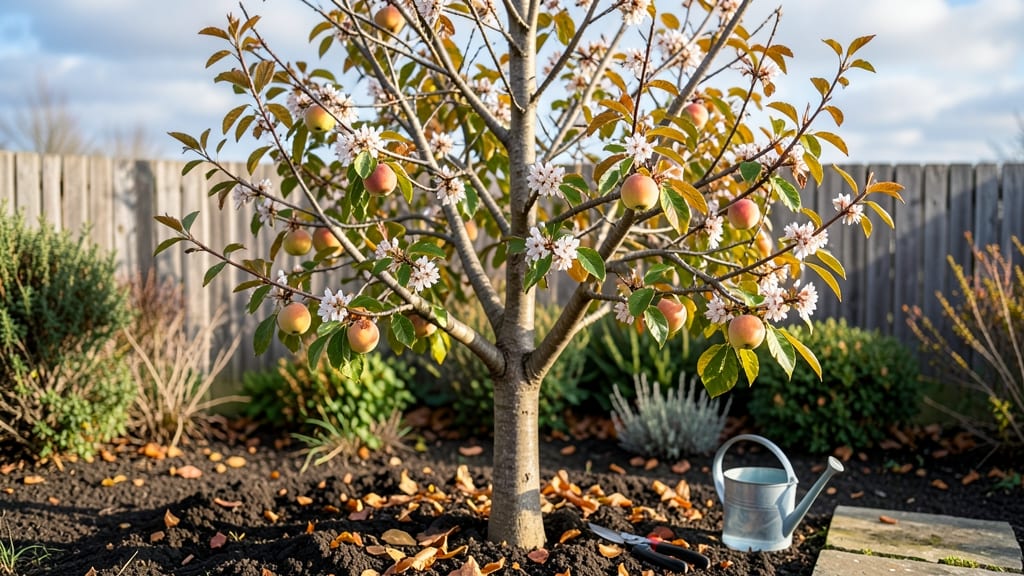
Understanding peach tree growth stages lets you time care perfectly—from the first tender sprout to the harvest that makes your neighbors jealous. 🌱 I’ve watched my own trees go from a single seed to a heavy-laden branch, and the difference between guessing and knowing is everything.
The secret isn’t just pruning or watering—it’s recognizing when the tree is ready for each step, whether that’s spring’s burst of pink blossoms or winter’s quiet dormancy.
The first year is all about roots and leaves, not fruit. You’ll focus on protecting that young trunk from rabbits, keeping soil moist but not soggy, and training branches to grow strong.
By year three, you’ll see those first blossoms—delicate and fleeting—and learn why thinning them early saves your harvest from small, sour peaches. Each stage demands different tools: sharp pruners for winter shaping, mulch to regulate soil temperature, and patience when summer heat stresses the tree.
What you’ll end up with is a tree that produces juicy, flavorful peaches for decades—not just one bumper crop.
The key is matching care to the tree’s natural rhythm: heavy watering when buds swell in spring, strategic pruning after harvest to let sunlight reach the center, and winter protection against frost cracks. Even in challenging climates, these adjustments turn uncertainty into predictable success.
This works whether you’re growing in a backyard in Zone 6 or a container in Zone 9. The stages don’t change—just the timing and a few climate-specific tweaks. Let’s walk through each one so you can give your peach tree exactly what it needs, exactly when it needs it.
📚 In This Guide
- What you need
- Instructions
- Tips and common mistakes
- Wrapping up and next steps
What you need
- ● Peach Tree: Choose a disease-resistant variety (e.g., Reliance, Redhaven) suited to your USDA hardiness zone.
- ● Well-draining soil: Aim for a mix of loamy soil with a pH of 6.0–7.0. Amend with compost or aged manure if needed.
- ● Organic mulch: 2–4 inches of wood chips, straw, or pine needles to retain moisture and suppress weeds.
- ● Watering can or hose: With a gentle spray nozzle for deep watering (1–2 inches per week).
- ● Fertilizer: Balanced 10-10-10 fertilizer (spring)
- ● High-nitrogen fertilizer (early growth stage)
- ● Citrus or fruit-tree-specific fertilizer (summer/fall)
- ● Pruning tools: Bypass pruners (for small branches)
- ● Loppers (for thicker branches, ¾–1½ inches)
- ● Pruning saw (for large branches, 2+ inches)
- ● Disinfectant: 70% isopropyl alcohol or a 10% bleach solution to sterilize tools between cuts.
- ● Tree supports: Stakes and ties (for young trees in windy areas).
- ● Soil test kit: To check nutrient levels and pH before planting.
- ● Drip irrigation system: For consistent moisture, especially during dry spells.
- ● Fruit tree spray: Organic copper fungicide or neem oil to prevent pests/diseases (e.g., brown rot).
- ● Tree wrap: For young trees to protect bark from sunscald or rodent damage.
- ● Grafting tools: If you plan to propagate or graft new varieties.
Understanding your peach tree's yearly journey
Here's how to track and support each growth phase for a thriving tree.
🌱 Step 1: Dormant Season (Late Fall to Early Spring)
This is your tree's resting phase—critical for energy storage. You'll notice bare branches and tight, brown buds. Prune before buds swell (typically February-March in most climates) to remove dead wood and shape the tree. Cut back to outward-facing buds to encourage an open canopy that lets sunlight reach all fruit.
Apply 2-3 inches of organic mulch around the base (but not touching the trunk) to insulate roots. Water deeply once a month if rainfall is scarce—dormant trees need moisture but hate soggy soil. Watch for silver leaf disease (gray, metallic leaves) in late winter; treat immediately with copper fungicide if spotted.
☀️ Step 2: Bud Break and Bloom (Late Spring)
The moment buds begin swelling (March-April), your tree is waking up. You'll see pink or white blossoms emerge in 2-3 weeks. This is when peach trees need consistent moisture—water deeply 2-3 times per week during bloom to prevent blossom drop. Use a soaker hose to avoid wetting flowers, which attracts fungal diseases.
Apply a balanced 10-10-10 fertilizer when buds are half-inch long (about 2-3 weeks before bloom). Too much nitrogen now delays fruit set. Thin blossoms if overloaded—remove 50% of fruit after harvest to ensure remaining peaches grow large and sweet.
🌿 Step 3: Fruit Development (Late Spring to Summer)
Once fruit sets (4-6 weeks after bloom), you'll notice tiny peaches growing rapidly. This is when your tree needs regular deep watering—1-2 inches per week—to prevent cracking. Check fruit for brown spots (brown rot) and treat immediately with a fungicide spray if needed. Young fruit is most vulnerable to pests like Oriental fruit moths.
Apply a second round of fertilizer 6-8 weeks after bloom with a low-nitrogen, high-potassium blend to support fruit maturation. You'll see peaches change color from green to their mature hue (yellow, white, or red depending on variety) in 8-10 weeks. Harvest when they easily separate from the tree with a slight twist.
✂️ Step 4: Post-Harvest Care (Fall)
After harvest, prune again to remove sucker growth (vigorous shoots at the base) and any branches rubbing together. This prevents disease entry points. Apply a final 3-4 inches of mulch to protect roots from winter cold. Water deeply once a month if fall remains dry—dormant trees need moisture to prepare for winter.
Watch for peach tree borers in late summer/fall—they tunnel into bark. Look for sawdust-like frass or holes in the trunk. Wrap the trunk with burlap soaked in mineral oil to deter them. This is also the time to collect and destroy fallen fruit to prevent reinfestation.
Tips & tricks for perfect peach tree care
Real talk: Peach trees don't follow a one-size-fits-all schedule. Here's how to make each season work for your tree's unique needs.
Pruning Precision: When you prune before buds swell in Step 1, focus on removing branches that cross or rub together—these create wounds where diseases like silver leaf can enter. I cut at a 45-degree angle just outside the bud, always making sure the cut faces outward. This simple technique opens up the canopy for better sunlight penetration, which is crucial for fruit development later. The goal is to shape the tree like an open vase, not a tight umbrella.
Watering Wisdom: During the critical bloom period in Step 2, those 2-3 waterings per week are non-negotiable, but timing matters. Water in the early morning so the flowers have all day to dry out—wet blossoms are prime targets for fungal infections. I use a soaker hose buried 6 inches from the trunk to deliver moisture directly to the roots without disturbing the soil surface. This method also prevents the soil from splashing onto the blossoms, which is how many diseases get started.
Fertilizer Timing: That second fertilizer application in Step 3—6-8 weeks after bloom—is your tree's chance to really bulk up its fruit. I switch to a low-nitrogen, high-potassium blend because at this stage, we're not growing leaves, we're growing peaches. Too much nitrogen now will just give you more foliage and smaller fruit. Think of it like feeding a growing baby—protein (potassium) builds the fruit, not carbs (nitrogen) that would make more leaves.
Pest Prevention: For those pesky peach tree borers in Step 4, I've had the most success with a two-pronged approach: wrap the trunk with burlap soaked in mineral oil in late summer, and then apply a preventive spray of horticultural oil in early spring when the adults emerge. The key is consistency—borers are sneaky and can go unnoticed until they've already caused damage. I check the trunk every two weeks during growing season for those telltale sawdust-like frass piles, and treat immediately if I spot them.
Pro Tips for Peach Tree Growth Stages
- Real talk: Peach trees don't follow a one-size-fits-all schedule.
- Pruning Precision: When you prune before buds swell in Step 1, focus on removing branches that cross or rub together—these create wounds where diseases like silver leaf can enter.
- Watering Wisdom: During the critical bloom period in Step 2, those 2-3 waterings per week are non-negotiable, but timing matters.
Frequently asked questions
Got questions about peach tree growth stages?
You’re not alone! Whether you're a first-time grower or a seasoned gardener, these common queries can help you navigate each phase of your tree’s journey—from dormancy to harvest. Let’s dive in!
How long does it take for a peach tree to bear fruit after planting?
A newly planted peach tree typically takes 2–4 years to bear fruit, depending on the variety and growing conditions. Dwarf trees may fruit sooner (1–2 years), while standard trees can take longer. Patience is key—focus on proper care during the early stages to encourage healthy growth!
What should I do if my peach tree’s buds aren’t opening in spring?
If buds fail to open, it could be due to late frost, disease, or insufficient chill hours. Wait a few weeks—some varieties bloom late. If buds are mushy or black, prune them out and check for fungal issues like brown rot. Ensure your tree gets 300–1,000 chill hours (varies by variety) for proper dormancy.
Can I prune my peach tree at any time of year?
Pruning timing matters! The best times are:
- Late winter/early spring (before buds swell) – Removes dead wood and shapes the tree.
- Summer (after harvest) – Light pruning to improve airflow and reduce disease risk.
Why are my peach tree leaves curling or yellowing?
Curling or yellowing leaves often signal pests (aphids, mites) or nutrient deficiencies. Check the undersides of leaves for tiny bugs. For yellowing, test soil pH (ideal: 6.0–6.5) and fertilize with a balanced formula (e.g., 10-10-10). Overwatering or underwatering can also cause stress—aim for 1–1.5 inches of water weekly.
Do peach trees need special care during extreme heat or drought?
Yes! During heatwaves, mulch the base to retain moisture and water deeply in the early morning. Avoid overhead irrigation to prevent fungal diseases. If drought strikes, reduce watering slightly but keep soil moist—peach trees are somewhat drought-tolerant but fruit better with consistent care. Monitor for sunburn (brown patches on fruit) and provide shade cloth if needed.
Wrapping up and next steps
Understanding the peach tree growth stages is your secret weapon for a thriving orchard—whether you're a seasoned gardener or just starting out! 🌱 From dormancy to harvest, each phase offers a chance to nurture your tree with confidence.
With the right tools, knowledge, and a little patience, you’ll soon be rewarded with juicy, homegrown peaches.
Ready to take the next step? Start by marking your calendar for seasonal tasks—like winter pruning or summer pest checks—and watch your peach tree flourish year after year. Happy growing! 🍑✨