
Trees
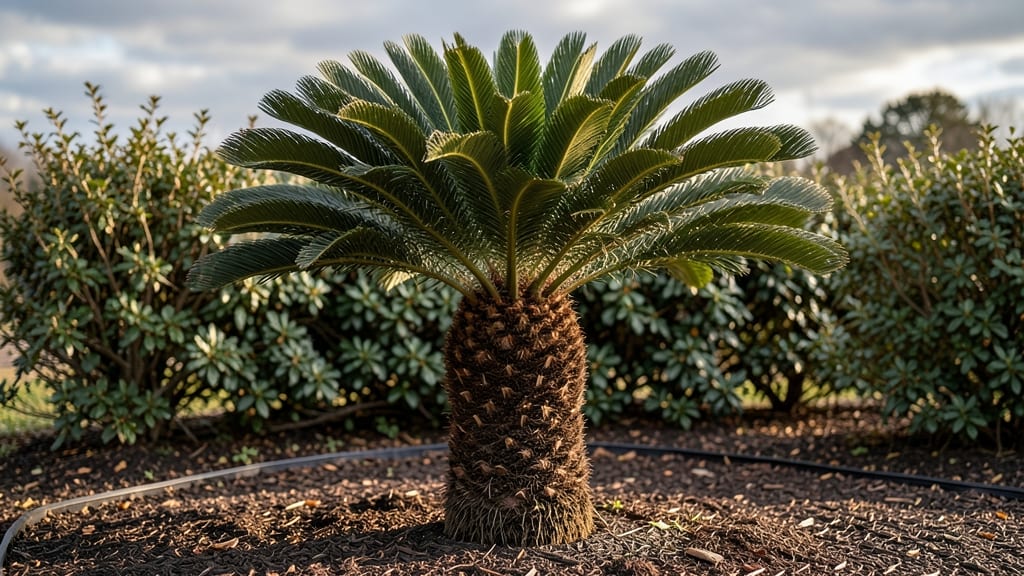
A weak palm tree base spells disaster for your container-grown tropical stunner—rot, pests, and structural failure start there. 🌿 I’ve nursed back more than my share of leaning, wobbly palms by fixing the foundation first, and the difference is night-and-day once you do it right.
The problem usually starts with soggy soil or poor drainage, followed by pests hiding in the base’s crevices. You’ll need a sturdy container with drainage holes, well-draining potting mix, and a few simple tools to inspect and reinforce what’s already there.
Most people overlook the base until it’s too late—don’t let that be you.
By the time you’re done, your palm will stand taller, straighter, and stronger than ever, with a base that resists rot and pests like a fortress.
The key is keeping it dry, well-supported, and free of hidden critters. Trust me, your tree will thank you with years of lush, trouble-free growth.
This works for indoor palms, patio containers, or even large outdoor pots—just adjust the mix and support to match your setup. Let’s get that base right so your palm thrives, not just survives.
📚 In This Guide
- What you need
- Instructions
- Tips and common mistakes
- Wrapping up and next steps
What you need
- ● Container or Planter: Minimum 12-inch diameter (or larger for mature palms).
- ● Depth of at least 18 inches to accommodate root growth.
- ● Material: Fiberglass, resin, or heavy-duty plastic (avoid porous materials like terracotta for long-term use).
- ● Drainage System: Drainage holes (pre-drilled in container) or 1–2-inch diameter PVC pipes (for DIY bases).
- ● Gravel or landscape fabric (1–2 inches thick) to prevent soil clogging.
- ● Potting Soil: 1–2 cubic feet of well-draining palm-specific mix (or a blend of 60% peat moss, 20% perlite, and 20% sand).
- ○ Support Structure (Optional but Recommended): Sturdy bamboo stakes or metal tree supports (for young or top-heavy palms).
- ● Coconut coir or burlap strips (to secure stakes without damaging the trunk).
- ● Measuring tape (to check container size and drainage needs).
- ● Drill with hole saw attachment (if modifying a container for drainage).
- ● Screwdriver or wrench (for assembling pre-made bases with hardware).
- ● Garden trowel or shovel (for soil prep and planting).
- ● Level (to ensure your container sits evenly, preventing tipping).
- ● Wheelbarrow or bucket (for mixing soil amendments).
- ● Gloves and safety glasses (for handling gravel, soil, and tools).
- ● Slow-release fertilizer (palm-specific, e.g., 10-10-10 or 8-3-9 blend).
- ● Mulch (orchid bark or pine fines) to retain moisture and regulate temperature.
- ● Moisture meter (to monitor soil hydration without overwatering).
- ● Container wheels or casters (if you plan to move your palm occasionally).
- ● Watering can with a rose attachment (for gentle, targeted watering).
How to build a sturdy palm tree base for container planting
Here's my go-to method for creating a stable foundation that keeps palms thriving in pots.
🪴 Step 1: Choose the Right Container and Base Materials
Start with a container at least 18 inches wide and 24 inches deep—palm roots need room to spread. I use heavy-duty plastic or fiberglass pots because they won't tip over easily. The base should be 10-15% wider than the container's diameter to distribute weight evenly.
For the base itself, I stack 4-6 cinder blocks in a square formation, leaving a 4-inch gap between each block. This creates a stable platform while allowing airflow to the container's bottom. If you're using a decorative base, make sure it's at least 2 inches thick—thinner materials can crack under a mature palm's weight.
🌱 Step 2: Prepare the Container and Base Platform
Before placing the container on the base, line the bottom with 2 inches of drainage material—I use expanded clay pebbles or broken terracotta shards. This prevents root rot by keeping water from pooling. Tap the container gently on the ground to settle the drainage layer evenly.
Position the container on the base platform and check stability by giving it a firm shake. If it wobbles, adjust the cinder blocks or add a fifth block in the center. For decorative bases, use a level to ensure the container sits perfectly straight—palms grow upright naturally, and any tilt will cause uneven stress on the trunk.
☀️ Step 3: Add Weight and Secure the Container
Fill the container with 3-4 gallons of potting mix designed for tropical plants, leaving 2 inches at the top for watering. Press the soil down lightly to remove air pockets, but don't compact it too tightly—palm roots need loose soil to breathe.
To prevent shifting, I add 5-10 pounds of sand or gravel around the container's base, tucked between the container and the platform. This extra weight keeps the palm from toppling in wind or when you water it. For outdoor setups, I also secure the container to the base with two heavy-duty straps—just tight enough to prevent movement, not so tight they restrict drainage.
💧 Step 4: Water and Monitor for Stability
Water the palm thoroughly until water runs freely from the drainage holes. Check the base platform for any signs of moisture seepage—if water pools on the blocks, adjust the drainage layer or elevate the container slightly. Palm roots need consistent moisture, but standing water will rot them quickly.
Watch for the first signs of stress: if the palm leans or the container shifts after watering, reinforce the base immediately. I've seen palms topple after just a few heavy rainfalls if the foundation isn't solid. Once stable, your palm will grow upright and strong, with a sturdy base that lasts for years.
Tips & tricks for perfect palm tree base construction
Building a sturdy foundation for your container palm doesn't have to be complicated—just strategic. Here are my go-to tricks for creating a base that lasts.
Material Selection: I always opt for heavy-duty plastic or fiberglass containers—they're lighter than clay but won't tip over like ceramic. For bases, cinder blocks are my first choice because they're affordable and sturdy, but if you're going for aesthetics, concrete pavers work too. Just make sure whatever you choose is at least 2 inches thick for mature palms.
Drainage is Non-Negotiable: That 2-inch drainage layer in Step 2 isn't just recommended—it's essential. I've seen root rot destroy perfectly healthy palms because of poor drainage. Use expanded clay pebbles or broken terracotta shards (which are free if you have old pots lying around). Tap the container gently after adding them to settle the layer evenly—this prevents gaps where water could pool.
The Stability Test: After positioning your container, give it a firm shake—this is where most people discover their base isn't stable enough. If it wobbles, don't just add more blocks randomly. Instead, add a fifth block in the center or adjust the existing ones to create a more balanced weight distribution. For decorative bases, use a level to ensure perfect alignment—palms grow upright naturally, and any tilt will cause stress on the trunk over time.
Weight Distribution Secret: The 5-10 pounds of sand or gravel around the container's base in Step 3 might seem like overkill, but trust me—it makes all the difference. I've seen palms topple after just a few heavy rainfalls when this step is skipped. For outdoor setups, those two heavy-duty straps are worth the small investment. Just make sure they're not too tight—they should prevent movement, not restrict drainage.
Pro Tips for Palm Tree Base
- Building a sturdy foundation for your container palm doesn't have to be complicated—just strategic.
- Material Selection: I always opt for heavy-duty plastic or fiberglass containers—they're lighter than clay but won't tip over like ceramic.
- Drainage is Non-Negotiable: That 2-inch drainage layer in Step 2 isn't just recommended—it's essential.
Frequently asked questions
What’s the best material for a palm tree base in containers?
A sturdy palm tree base relies on a mix of drainage and stability. Use a heavy, porous material like lava rock, gravel, or expanded clay pebbles at the bottom (20-30% of the pot’s depth) to prevent root rot while anchoring the tree. Avoid lightweight soil—it shifts over time and topples your palm!
How long does it take for a palm tree to stabilize in a container?
Patience is key! A newly potted palm may wobble for 3-6 months as roots adjust. To speed things up, water deeply after planting to encourage root spread, and use a wide, shallow base (like a saucer or tray filled with pebbles) to distribute weight. Mulch the top layer to reduce erosion.
Can I use a palm tree base in cold climates?
Absolutely—but with precautions! Palm trees are tropical, so insulate the base in winter. Wrap the container in bubble wrap or a frost blanket and move it to a sheltered spot (like a garage or under eaves). If freezing is inevitable, dig a hole, bury the pot, and cover with mulch for extra protection.
What if my palm keeps tipping over even with a heavy base?
Try these fixes:
- Check the soil: Overwatered or compacted soil loses stability. Let it dry slightly between waterings.
- Adjust the pot: Place a non-slip mat or weighted saucer underneath to prevent shifting.
- Prune strategically: Trim any leaning fronds to rebalance the canopy.
Are there alternatives to a traditional palm tree base?
Yes! For a low-maintenance approach, try:
- Self-watering bases: Use a reservoir tray with a wicking layer (like landscape fabric) to keep moisture steady.
- Decorative bases: Stack terracotta pots or stones around the container for aesthetics and weight.
- Hanging planters: If space is tight, opt for a wall-mounted or suspended pot with a built-in weight system.
Wrapping up and next steps
Building a sturdy palm tree base for your container-grown tropical beauty isn’t just about aesthetics—it’s the secret to long-term health and stability. 🌴 Whether you’re a beginner or a seasoned gardener, the right foundation ensures your palm thrives while keeping your space safe and stylish.
Now that you’re armed with the best materials, techniques, and answers to common questions, it’s time to roll up your sleeves and create!
Your next step? Sketch a simple design based on what you’ve learned, gather your supplies, and start building. Watch your palm grow stronger—and your confidence along with it! 🌱✨