
Trees
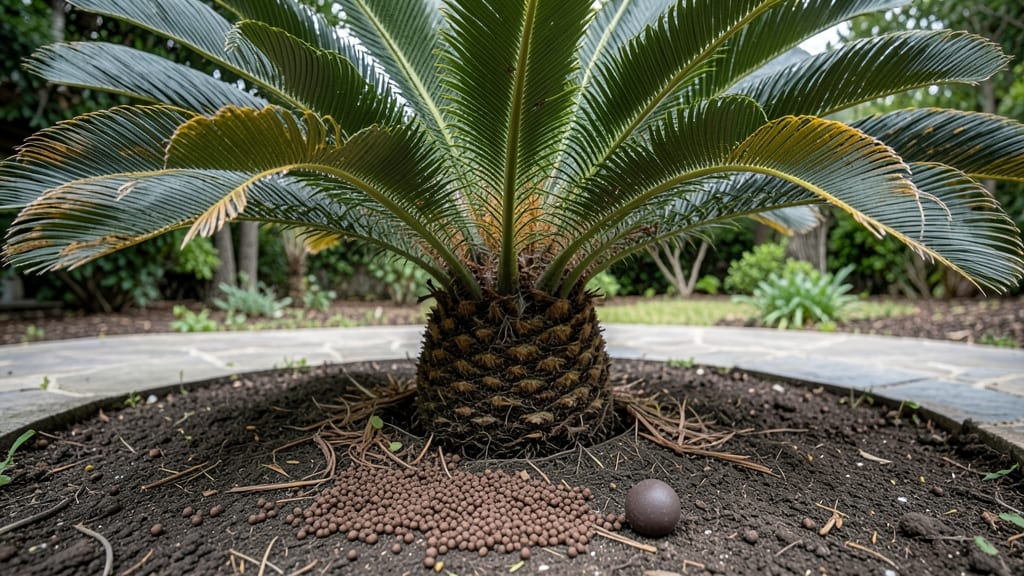
Feeding palm trees isn’t just about throwing down fertilizer—it’s about unlocking the lush, tropical growth they crave. 🌴 I learned the hard way that palms need specific nutrients, not just any old plant food, after my first one turned yellow and stopped growing.
The secret lies in balancing nitrogen, potassium, and micronutrients like magnesium, which most gardeners overlook until it’s too late.
Outdoor palms thrive with a slow-release fertilizer every 3-4 months, while indoor palms need a gentler touch—too much food burns their delicate roots.
I’ve found that organic options like fish emulsion or composted manure work wonders, but synthetic blends can be faster when you spot deficiencies like brown fronds or slow growth. The key is consistency, not overdoing it.
You’ll see the difference within weeks: vibrant green fronds, faster new growth, and a palm that looks like it belongs in a tropical paradise. The trick is reading your plant—if the tips turn brown, it’s thirsty; if the fronds yellow, it’s either overwatered or starving for magnesium.
I’ll show you how to tell them apart and fix it fast.
Whether your palm lives in a sunny backyard or a dim living room, these feeding strategies adapt easily. The same principles apply, just tweaked for light and space. Let’s get your palm looking its best—no guesswork, just results.
📚 In This Guide
- What you need
- Instructions
- Tips and common mistakes
- Wrapping up and next steps
What you need
- ● Organic compost – 2–3 gallons per palm tree (look for well-aged, nutrient-rich compost with a mix of greens and browns).
- ● Slow-release fertilizer – 10-10-10 or 8-3-9 blend (specifically formulated for palm trees, ~1 lb per tree).
- ● Peat moss or coconut coir – 1–2 bags (3–4 cubic feet each) (for improving soil aeration and moisture retention).
- ● Sulfur or iron sulfate – ½ lb per tree (to lower soil pH if needed—palm trees thrive in acidic to slightly acidic soil (pH 5.5–6.5)).
- ● Magnesium sulfate (Epsom salt) – 1–2 cups per tree (boosts chlorophyll production and prevents yellowing fronds).
- ○ Citric acid or aluminum sulfate – Optional, ½ cup per tree (if soil pH is too high).
- ● Garden fork or tiller – For aerating soil without damaging roots.
- ● Garden gloves – To protect your hands from sharp soil and chemicals.
- ● Watering can or hose with a spray nozzle – For even moisture distribution.
- ● Soil pH test kit – Highly recommended (to check pH before amending).
- ● Measuring scoop or bucket – For precise fertilizer and amendment ratios.
- ● Check local weather forecasts—avoid fertilizing during extreme heat or heavy rain (it can wash nutrients away).
- ● Test soil before amending (pH and nutrient levels affect what you’ll need to add).
- ● Wear safety goggles if handling sulfur or iron sulfate (to avoid irritation).
- ● Keep pets and kids away while applying fertilizers or amendments.
How to feed palm trees for healthy, vibrant growth
Here’s how to give your palm trees the nutrients they crave for strong, lush growth.
🌿 Step 1: Test Your Soil First
Before adding anything, test your soil’s pH and nutrient levels. Palm trees thrive in slightly acidic to neutral soil, ideally between pH 5.5 and 7.0. Grab a soil test kit from your local garden center or send a sample to a lab for precise results. If your soil is too alkaline (above 7.5), your palm won’t absorb key nutrients like iron or manganese, even if you fertilize.
I’ve seen palm trees struggle because the soil was compacted or lacked organic matter. If the test shows poor drainage or low fertility, amend it with 3-4 inches of compost before feeding. This step saves you from wasting fertilizer on soil that won’t support growth.
💧 Step 2: Apply Slow-Release Fertilizer Seasonally
Palm trees need a balanced diet of nitrogen, phosphorus, and potassium, plus micronutrients like magnesium and manganese. Use a palm-specific fertilizer (look for labels with higher potassium and magnesium) in early spring and again in late summer. Follow the package instructions for application rates—overfeeding can burn roots and harm your tree.
Here’s the trick: Water the soil deeply 24 hours before applying fertilizer. This ensures the nutrients soak into the root zone instead of sitting on the surface. After spreading, water again to activate the fertilizer. You’ll notice new fronds emerging within 4-6 weeks if the feeding is working.
☀️ Step 3: Supplement with Organic Matter Year-Round
Palm trees love organic matter to improve soil structure and retain moisture. Spread a 2-3 inch layer of compost or well-aged manure around the tree’s drip line (the area where branches extend outward) in late winter or early spring. Keep it 6 inches away from the trunk to avoid rot.
For established palms, top-dress with 1-2 inches of coconut coir or peat moss mixed with a handful of Epsom salt (for magnesium) every 6-12 months. This mimics their natural tropical habitat and prevents nutrient deficiencies. If your palm’s fronds turn yellow or develop brown spots, it’s a sign of magnesium deficiency—Epsom salt fixes this fast.
✂️ Step 4: Monitor and Adjust for Deficiencies
Watch your palm’s fronds closely. Yellowing between veins usually means iron deficiency, while brown patches on older fronds signal potassium issues. If you spot these, apply a chelated iron supplement or a potassium-rich fertilizer like greensand. Always water after applying supplements to help absorption.
Real talk: If your palm’s growth slows or fronds develop black tips, it might need more humidity. Misting the fronds or using a soaker hose to keep the root zone moist can make a difference, especially in dry climates. Adjust based on what you see—palms don’t like to be ignored!
Tips & tricks for perfect palm tree nutrition
Here's what nobody tells you about keeping your palms thriving—these are the details that make all the difference between a struggling plant and one that grows like crazy.
Soil Testing is Non-Negotiable: Don't skip this step! I've watched palm trees languish for years because their owners assumed the soil was fine. Grab that test kit and check for pH between 5.5-7.0—this is your baseline for everything that follows. If your soil tests above 7.5, you're basically feeding your palm through a brick wall. The nutrients just won't absorb properly until you adjust that pH.
Timing is Everything with Fertilizer: That 24-hour deep watering before fertilizer application isn't just suggested—it's critical. I learned this the hard way when my palm's fronds started browning at the tips after I skipped this step. The fertilizer needs to soak down where the roots are actively growing, not just sit on the surface where it can burn delicate root hairs. Think of it like giving your palm a drink before dinner—you wouldn't serve dessert before the main course!
Organic Matter Placement Matters: When spreading that 2-3 inch layer of compost, keep it 6 inches away from the trunk. I see people pile it right against the base all the time, and it creates the perfect environment for rot. The roots need air to breathe, just like we do. For established palms, that 1-2 inch top-dressing of coconut coir or peat moss with Epsom salt every 6-12 months works wonders—it's like giving your palm a spa treatment for its roots.
Visual Cues for Deficiencies: Yellowing between veins? That's your iron deficiency flag waving. Brown patches on older fronds? Potassium's calling for help. Pay attention to these visual cues—they're your palm's way of communicating. I always keep a chelated iron supplement and greensand on hand because these issues pop up more often than you'd think, especially in urban environments where soil gets depleted fast.
Pro Tips for Food For Palm Trees
- Here's what nobody tells you about keeping your palms thriving—these are the details that make all the difference between a struggling plant and one that grows like crazy.
- Soil Testing is Non-Negotiable: Don't skip this step!
- Timing is Everything with Fertilizer: That 24-hour deep watering before fertilizer application isn't just suggested—it's critical.
Frequently asked questions
Got questions about feeding your palm trees?
You’re not alone! Here are some of the most common concerns—and straightforward answers to keep your palms thriving.
How often should I feed my palm tree?
Feed your palm tree every 3–4 months during the growing season (spring and summer). Overfeeding can harm roots, so stick to a balanced, slow-release fertilizer (like 8-3-9 or 6-6-6) diluted to half-strength. In winter, skip feeding entirely—palms rest during cooler months!
Can I use kitchen scraps or compost as food for palm trees?
Yes! Palm trees love organic matter like fruit peels, coffee grounds, or well-aged compost. Bury scraps 6–12 inches deep near the drip line (not the trunk) to avoid pests. Avoid citrus, onions, or salty foods—they can burn roots. Pro tip: Mix compost with soil to boost nutrients gradually!
Why are my palm tree leaves turning yellow or brown after feeding?
Yellowing leaves often signal over-fertilization or root burn. Flush the soil with water to dilute excess salts, then reduce feeding frequency. Brown tips? Check for underwatering or pests (like spider mites). If the problem persists, test your soil’s pH (ideal: 5.5–7.0 for palms).
What’s the best fertilizer for palm trees—organic or synthetic?
Both work, but organic fertilizers (like fish emulsion or worm castings) improve soil long-term, while synthetic granules (e.g., Osmocote) provide quick, controlled nutrients. For young palms, use a balanced 6-6-6 formula. Mature palms benefit from potassium-rich feeds (like 0-0-50) to strengthen fronds.
Do palm trees need special food in cold climates?
In chilly zones (below Zone 9), palms are dormant in winter—no feeding needed! Focus on mulching (3–4 inches of wood chips) to insulate roots. If your palm is container-grown, use a winter-specific fertilizer (like 10-10-10) in early spring to kickstart growth.
Quick Troubleshooting Table
| Symptom | Likely Cause | Fix It! |
|---|---|---|
| Slow growth | Nutrient deficiency | Apply balanced fertilizer + compost |
| Blackened fronds | Overwatering or fungus | Reduce water; trim dead fronds; improve drainage |
| Curling leaves | Underwatering or pests | Water deeply; spray neem oil for pests |
Wrapping up and next steps
Feeding your palm trees the right nutrients doesn’t have to be complicated—just a little consistency and care goes a long way! 🌿 Whether you’re using organic compost, balanced fertilizers, or natural amendments like banana peels or coffee grounds, the key is to tailor your approach to your palm’s specific needs.
With the right soil secrets, you’ll be well on your way to nurturing healthy, thriving palms that add beauty and value to your space.
Ready to give your palms the love they deserve? Start small—pick one nutrient boost from this guide and observe how your palm responds. Over time, you’ll fine-tune your routine and watch your trees flourish like never before! 🌱