
Pruning
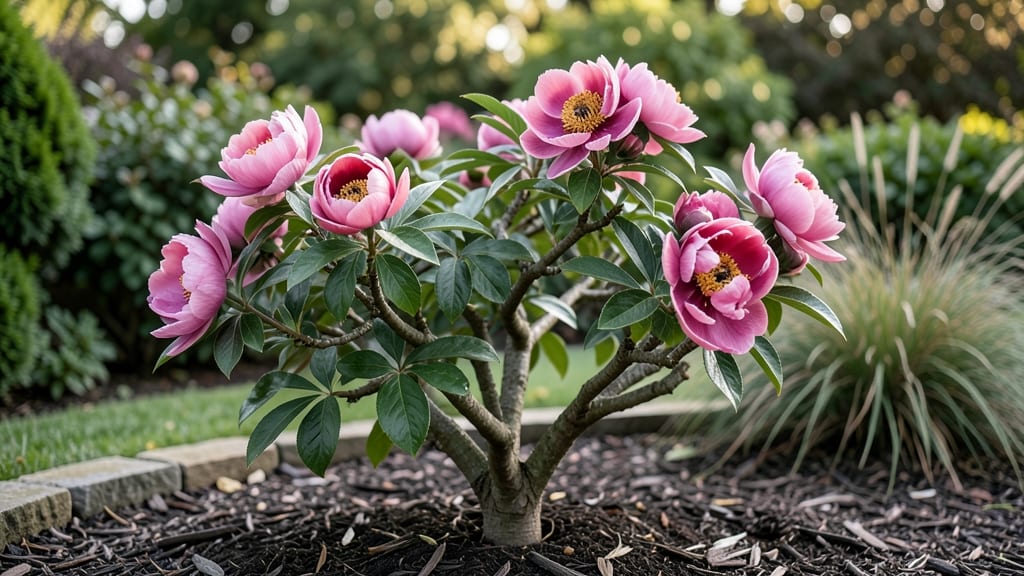
Pruning your paeonia tree peony in late winter is the secret to surviving Pacific Northwest frosts—and the blooms prove it. 🌿 The moment I saw my first tree peony push through frost-kissed soil after a careful winter trim, I knew this was the difference between a few sad flowers and a canopy of velvety blooms by May.
The key isn’t just cutting back, but understanding when and how to shape these woody stems for resilience.
Tree peonies thrive on one clean pruning session each year, right after the last frost but before new growth starts. Grab your loppers and focus on removing dead, crossing, or weak branches—never cut into old wood, as these plants flower on last year’s growth.
A well-pruned tree peony rewards you with stronger stems and more abundant blooms, plus better air circulation to prevent fungal issues that plague damp Pacific Northwest winters.
What you’ll end up with is a neat, layered silhouette by spring, where each branch carries 3-5 buds instead of just one or two. The blooms arrive later than herbaceous peonies but last weeks longer, turning heads with their lush, layered petals in shades of pink, red, or white.
This is the moment your garden becomes the talk of the neighborhood—no small feat for a plant that’s as tough as it is beautiful.
Works equally well in sunny borders, foundation plantings, or even as a small tree in larger landscapes. The pruning method scales from a single specimen to a mixed border, and the results speak for themselves: fewer diseases, more flowers, and a plant that outlasts trends.
Let’s get those shears sharp and make this your best peony season yet.
📚 In This Guide
- What you need
- Instructions
- Tips and common mistakes
- Wrapping up and next steps
What you need
- ● Pruning shears: Bypass pruners (sharp, 5-7" blades) for clean cuts—1 pair (sterilize with rubbing alcohol).
- ● Loppers: Bypass or anvil (8-12" blades) for thicker branches—1 pair.
- ● Hand pruners: Bypass (3-5" blades) for precision—1 pair.
- ● Disposable gloves: Nitrile or leather (thick, cut-resistant)—1-2 pairs.
- ● Pruning saw: Curved-tooth (for stubborn branches)—1.
- ● Rag or paper towels: For cleaning tools between cuts—5-10 sheets.
- ● Rubbing alcohol (70%+) or bleach solution: To sterilize tools—small bottle.
- ○ Sharpie or pruning sealant: (Optional) For marking cuts or sealing wounds—1.
- ● Timing: Prune after the last hard frost (typically late February–early March in PNW).
- ● Weather: Choose a dry, calm day (no rain/snow forecast for 24 hours).
- ○ Safety gear: Safety glasses (optional, for debris).
- ● Cleanup supplies: Garden bag or bucket for clippings—1.
- ● Tree peony ID: Confirm your plant is Paeonia suffruticosa (tree peony) vs. herbaceous peonies!
Step-by-step instructions for pruning tree peonies in late winter
Here’s how to revive your Pacific Northwest tree peonies after frost—without over-pruning or inviting disease.
✂️ Step 1: Wait for the Right Time to Prune
Prune your tree peony after the last hard frost but before new growth begins. In the Pacific Northwest, this is typically late February to early March—when buds are still dormant but the ground isn’t frozen. You’ll know it’s time when the soil feels thawed to the touch but no green shoots have emerged yet.
Here’s the thing—tree peonies are tough, but pruning too early invites rot. If you cut back when frost lingers, the open wounds won’t heal properly. Wait until the air stays above 40°F consistently for a few days. That’s your signal the plant is ready.
✂️ Step 2: Remove Dead or Damaged Wood First
Start by inspecting each branch for signs of frost damage. Look for brown, mushy stems or branches that snap easily—these are dead and must go. Use clean, sharp pruners to cut just above a healthy bud or where the branch meets the main trunk. Never leave stubs; they trap moisture and rot.
I like to work systematically, starting with the largest branches. If a branch is completely dead, remove it entirely. If only part is damaged, trim back to the last healthy growth. You’ll see a clear contrast between the dull brown of dead wood and the lighter green of living tissue—that’s your guide.
✂️ Step 3: Thin Out Crowded Branches for Airflow
Tree peonies thrive when they get good airflow. If branches grow too close together, they compete for nutrients and invite fungal diseases. Look for branches that cross or rub against each other—these need to go. Aim to leave 3-5 main branches per plant, spaced evenly around the center.
When thinning, cut branches back to their point of origin. Avoid leaving small stubs; they won’t heal well. If you’re unsure which branches to remove, prioritize the oldest wood first. Younger branches will produce more flowers, so keep those for next season.
✂️ Step 4: Shape Lightly for Balance and Bloom Health
Tree peonies don’t need heavy pruning, but a little shaping encourages stronger blooms. Focus on opening up the center of the plant so light reaches the inner buds. Trim back any branches that grow inward or downward, as these rarely produce flowers and can block airflow.
I usually limit shaping to 10-15% of the plant’s total growth. You’ll see the difference in 2-3 weeks when new shoots emerge—healthier growth means more buds for next year’s flowers. Avoid over-pruning; tree peonies store energy in their roots, and aggressive cuts can weaken the plant.
✂️ Step 5: Clean Up and Protect Wounds
After pruning, remove all clippings from the area to prevent disease. Dip your pruners in rubbing alcohol between cuts to avoid spreading pathogens. Once you’re done, apply a thin layer of pruning sealant (optional but helpful in rainy PNW winters) to larger cuts over ½ inch in diameter.
Here’s where it gets easy: water the base of the plant deeply to help it recover. You’ll notice new growth in 3-4 weeks, signaling the plant is healing. Mulch around the base with 2-3 inches of organic mulch to protect roots from late frosts and retain moisture.
Tips & tricks for pruning tree peonies
These simple strategies will help you revive your Pacific Northwest peonies without stressing the plant or inviting disease.
Timing is Everything: The window between late February and early March is critical for tree peonies. I’ve learned the hard way that pruning too early—when frost lingers—can leave wounds vulnerable to rot. Check for soil that’s thawed to the touch but no visible green shoots yet. That’s your cue the plant is ready. If you’re unsure, wait another week—better late than too soon. The 40°F threshold is your safety net for wound healing.
Tool Prep Prevents Problems: Clean, sharp pruners are non-negotiable. I sterilize mine between cuts with rubbing alcohol to prevent spreading fungal spores. Dull blades crush stems instead of making clean cuts, which stresses the plant. For larger branches, use bypass pruners—they create smoother cuts that heal faster. And always cut at a 45-degree angle just above a healthy bud or branch collar to encourage new growth.
Visual Cues for Healthy Cuts: When removing damaged wood, look for the clear contrast between dull brown dead wood and the lighter green of living tissue. This visual guide helps you know exactly where to cut. For branches with partial damage, trim back to the last healthy growth node. You’ll see new shoots emerge from these nodes in just 2-3 weeks—proof you’ve made the right cut. This method also prevents leaving stubs that trap moisture and rot.
Post-Pruning Care: After finishing, remove all clippings immediately to reduce disease risk. Water deeply at the base to help the plant recover, then apply 2-3 inches of organic mulch. This protects roots from late frosts and retains moisture. If you’re in a particularly wet PNW winter, consider applying pruning sealant to cuts over ½ inch—it’s optional but helps prevent water absorption that leads to rot.
Pro Tips for Paeonia Tree Peony
- These simple strategies will help you revive your Pacific Northwest peonies without stressing the plant or inviting disease.
- Timing is Everything: The window between late February and early March is critical for tree peonies.
- Tool Prep Prevents Problems: Clean, sharp pruners are non-negotiable.
Frequently asked questions
Got questions about pruning your Paeonia tree peony in the Pacific Northwest? We’ve got answers!
Whether you’re a first-time pruner or just need a quick refresher, here’s what you need to know to keep your peonies thriving after winter.
When is the best time to prune tree peonies in the PNW?
Late winter—after the worst frosts but before new growth appears—is ideal (typically February to early March). Pruning too early risks exposing buds to cold snaps, while waiting too long may stress the plant. Pro tip: Look for brown, dried foliage as your cue!
How do I know if my tree peony is dead after winter?
Don’t panic! Tree peonies often look dormant but are alive. Check for:
- Green buds at the base of stems (sign of life!)
- Flexible branches (brittle = dead; bendable = alive)
- New shoots emerging in spring
How much should I cut back—can I prune too aggressively?
Tree peonies are tough! Cut back 1/3 to 1/2 of the previous year’s growth, focusing on dead, weak, or crossing branches. Avoid over-pruning—never trim more than 50%—or you’ll risk stunting blooms. Key rule: Leave 3–5 strong buds per stem for next year’s flowers.
What if my tree peony isn’t blooming after pruning?
Bloom delays often stem from over-pruning, poor sunlight, or age. Try these fixes:
- Ensure it gets 6+ hours of sun (PNW shade can be tricky!)
- Avoid fertilizing right after pruning (wait until spring)
- Older peonies may need rejuvenation pruning—cut back harder for 2 years to encourage new growth.
Do I need to protect tree peonies from PNW rain after pruning?
Yes! While tree peonies tolerate rain, wet cuts attract disease. Seal pruning wounds with pruning sealant or tree paint (optional but helpful in damp climates). Also, avoid pruning before heavy rains—wait for dry weather to minimize rot risk.
Wrapping up and next steps
Pruning your paeonia tree peony in late winter isn’t just about tidying up—it’s your secret weapon for blooming success in the Pacific Northwest’s chilly climate! 🌸 By following the right techniques, you’ll encourage vibrant flowers, stronger growth, and resilience against frost.
Now that you’re armed with the tools, timing, and tips, there’s no better time to roll up your sleeves and give your peony the care it deserves.
Ready to transform your garden? Mark your calendar for late February or early March, grab your pruners, and get pruning! Your future blooms will thank you—literally.