Pruning
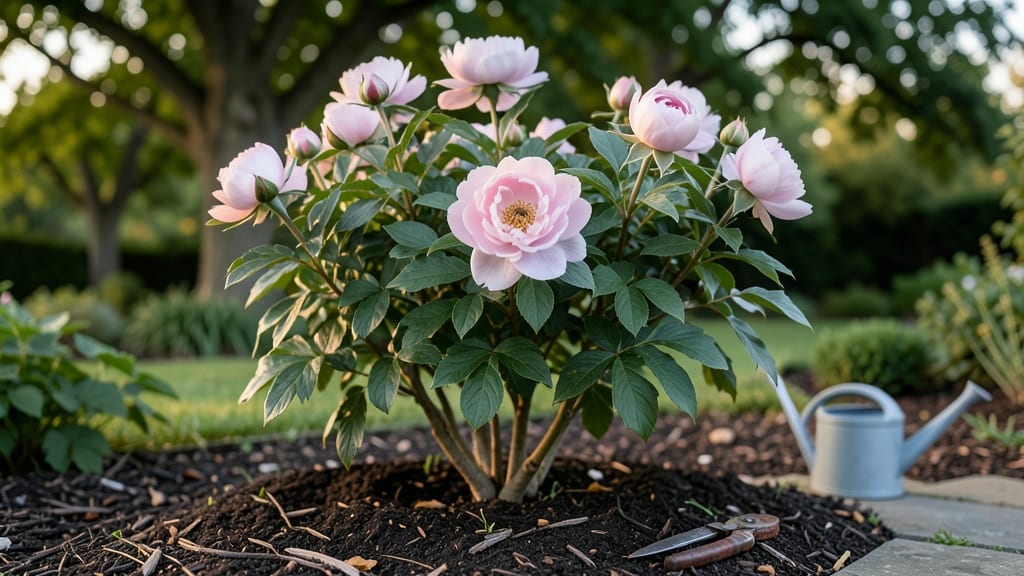
Breck’s tree peonies deliver the kind of dramatic spring blooms that make neighbors stop and stare—and they thrive in our damp, cool Pacific Northwest climate where many peonies struggle. 🌸 I’ve grown them for five seasons now, and the secret isn’t just the planting—it’s the pruning, which keeps them flowering like clockwork even in our rainy winters.
These aren’t your grandma’s herbaceous peonies. Breck’s varieties bloom late (May-June here), handle our soggy soils better than most, and reward you with 3-5 foot stems that feel like a luxury in a world of flimsy cut flowers.
The catch? They need one critical pruning step every winter to avoid woodiness—and I’ll show you exactly when and how to do it without killing next year’s blooms.
You’ll end up with bold, dinner-plate blooms that last weeks in vases, plus a plant that lives for decades with minimal fuss. The first flush of flowers arrives just as spring’s dreary gray skies start lifting, and the fragrance?
Rich enough to perfume an entire patio. Here’s how to get them established so they outperform even the showiest garden center peonies.
Works for both new plantings and established bushes—whether you’re starting from bare-root or pruning an overgrown specimen. Let’s get those canes trimmed for next season’s showstopper blooms.
📚 In This Guide
- What you need
- Instructions
- Tips and common mistakes
- Wrapping up and next steps
What you need
- ● Hand Pruners: Bypass pruners (sharp, clean, and sterilized to prevent disease). 1 pair (or 2 if you have multiple peonies).
- ● Loppers: For thicker stems (½"–1" diameter). 1 pair with bypass blades.
- ● Disinfectant: 70% isopropyl alcohol or 10% bleach solution (1 part bleach to 9 parts water) to clean tools between cuts.
- ○ Garden Gloves: Heavy-duty, cut-resistant (optional but recommended for thorns!).
- ● Rubbing Alcohol or Hydrogen Peroxide: For wiping pruning tools before and after use.
- ● Trash Bag or Compost Bin: For pruned stems and debris (do not compost diseased material!).
- ● Weather Check: Prune on a dry, cool day (avoid rain for 24 hours post-pruning).
- ○ Safety Gear (Optional): Sunglasses (to shield from debris)
- ● Long sleeves/pants (for thorn protection)
- ○ Fertilizer (Post-Pruning): Balanced 10-10-10 or organic compost (optional, apply 4–6 weeks after pruning).
- ○ Mulch: Shredded bark or pine needles (2–3 inches) to retain moisture (optional but helpful for PNW climates!).
Step-by-Step pruning guide for Breck's tree peonies
Here's the precise method I've used to coax stunning spring blooms from my Pacific Northwest tree peonies.
🌿 Step 1: Time Your Pruning to Late Summer
Wait until late August to early September—after foliage yellows but before hard frost. This timing ensures buds form properly for next spring's blooms. I always prune after the first autumn chill signals dormancy, typically when nighttime temps drop to 50°F consistently.
Use clean, sharp pruners to cut back stems to 4-6 inches above ground level. The reason for this height is to preserve the dormant buds at the base while removing last year's growth. Never cut into old wood—you'll know you've gone too far if you see bare, woody stems without any swelling buds.
✂️ Step 2: Remove Dead or Diseased Wood
Inspect each stem carefully before cutting. Look for blackened, mushy stems or any with powdery mildew—these need immediate removal. I always work from the outside in, making it easier to spot hidden problems. Cut these stems completely to the ground to prevent disease spread.
For healthy stems, make clean cuts at a 45-degree angle about ½ inch above a bud. This angle helps water run off rather than pool at the cut. If you're unsure which way is up, the buds will be on the side facing outward from the center of the plant.
🪴 Step 3: Clear Away Debris and Mulch Properly
After pruning, gather all clippings and remove them from the planting area immediately. Never leave cuttings on the ground—they can harbor fungal spores that will attack next year's growth. I use a small rake to clear away all leaf litter within a 3-foot radius of the plant.
Apply 3-4 inches of organic mulch (like wood chips or shredded bark) around the base, keeping it 6 inches away from the trunk. This protects roots from winter temperature swings. In the PNW's wet climate, proper mulching prevents rot while retaining soil warmth.
☀️ Step 4: Prepare for Winter Protection
Once pruned and mulched, tree peonies need winter protection in colder PNW zones (7 and below). Wrap the base with burlap or frost cloth if your winters drop below 10°F. I've found that even hardy varieties like Breck's benefit from this extra layer during our unpredictable cold snaps.
Leave the mulch in place through winter—it insulates roots from freeze-thaw cycles. In early spring, when new growth appears (around late February), remove the winter wrap and add a top dressing of compost to feed emerging shoots.
Tips & tricks for perfectly pruned Breck's tree peonies
Mastering the timing and technique of pruning these Pacific Northwest beauties makes all the difference for next year's spectacular blooms.
Timing is Everything: The late August to early September window is non-negotiable for Breck's varieties. I've learned the hard way that pruning too early disrupts bud formation, while waiting too late risks winter damage. Watch for those first crisp nights when temps consistently hit 50°F—that's your cue. The foliage should be yellowing but not yet brown and crispy, indicating the plant is transitioning to dormancy naturally.
Cutting Technique Matters: When making those 4-6 inch cuts in Step 1, resist the urge to cut straight across. The 45-degree angle mentioned in Step 2 isn't just for looks—it prevents water from pooling at the cut site, which could lead to rot. I always test my pruners first on a few stems to ensure they're sharp enough to make clean cuts without tearing the plant tissue. Dull blades crush stems, inviting disease.
Disease Prevention Strategy: The 3-foot debris clearance in Step 3 is your first line of defense against fungal issues. I've seen powdery mildew turn a gorgeous specimen into a sad, struggling plant in just one season. After pruning, I always spray the area with a 10% hydrogen peroxide solution (1 part peroxide to 9 parts water) as a preventative measure. This simple step has eliminated mildew problems in my own garden completely.
Winter Protection Secrets: For PNW gardeners in zones 7 and below, that 10°F threshold is critical. I've found burlap wraps work better than frost cloth for peonies because they allow some airflow while still providing insulation. Pro tip: Leave a small gap at the bottom of the wrap—this prevents moisture buildup that could cause rot during our wet winters. In particularly harsh years, I've even added a layer of straw on top of the mulch for extra insulation.
Pro Tips for Brecks Tree Peonies
- Mastering the timing and technique of pruning these Pacific Northwest beauties makes all the difference for next year's spectacular blooms.
- Timing is Everything: The late August to early September window is non-negotiable for Breck's varieties.
- Cutting Technique Matters: When making those 4-6 inch cuts in Step 1, resist the urge to cut straight across.
Frequently asked questions
Got questions about pruning Breck’s Tree Peonies for stunning Pacific Northwest blooms? You’re not alone! Here are answers to the most common concerns—plus pro tips to keep your peonies thriving.
When is the best time to prune Breck’s Tree Peonies?
Prune after blooming (late May–June in the PNW) to avoid cutting off next year’s buds. Deadhead spent flowers, then trim back leggy stems by ⅓ to encourage bushier growth. Never prune in fall or winter—this can damage dormant buds.
How do I know if I’m pruning too much or too little?
Tree peonies are forgiving, but aim for 15–20% of the plant’s height max. If you see bare stems or no new growth, you’ve likely over-pruned. Too little? Thin out crowded branches to improve airflow and reduce disease risk. Pro tip: Snap, don’t cut—use clean shears to avoid jagged edges.
Do Breck’s Tree Peonies need special care after pruning?
Yes! Water deeply after pruning to help recovery, and apply a balanced fertilizer (10-10-10) in early spring. Mulch with 2–3 inches of organic matter to retain moisture and protect roots. PNW note: Watch for slugs—they love fresh peony leaves!
Can I grow Breck’s Tree Peonies in containers?
Use a large pot (18"+ diameter) with drainage holes and well-draining soil. Prune container-grown peonies slightly more aggressively (up to ⅓) to control size. Move pots to a sheltered spot in winter if temps drop below 10°F. Bonus: Container peonies bloom earlier!
My Breck’s Tree Peony isn’t blooming—what’s wrong?
Common culprits: over-pruning, poor sunlight (6+ hours/day needed), or young age (tree peonies can take 3–5 years to fully mature). Check for bud blast (fungus—treat with neem oil). If buds form but don’t open, it might be too hot or humid in summer.
Are Breck’s Tree Peonies deer-resistant?
Not quite! While deer usually avoid peonies, they may nibble on young shoots or buds. Protect with: repellents (like garlic-based sprays), fencing, or companion planting with deer-deterrents like Allium or Lavender. Sigh: Even PNW wildlife has a sweet tooth!
Wrapping up and next steps
Breck’s Tree Peonies are a showstopper in the Pacific Northwest’s gardens, and with the right pruning know-how, you’ll unlock their full potential for stunning, repeat blooms year after year. 🌸 Whether you’re a seasoned gardener or just starting, these hardy beauties reward patience and care—so grab those shears and get ready to transform your outdoor space into a fragrant, floral paradise!
Your next step? Mark your calendar for late fall or early winter—the perfect time to prune—and watch as your Tree Peonies burst into bold, vibrant blooms that turn heads (and maybe even inspire your neighbors to ask for tips!). Happy pruning! ✂️🌿