
Tools
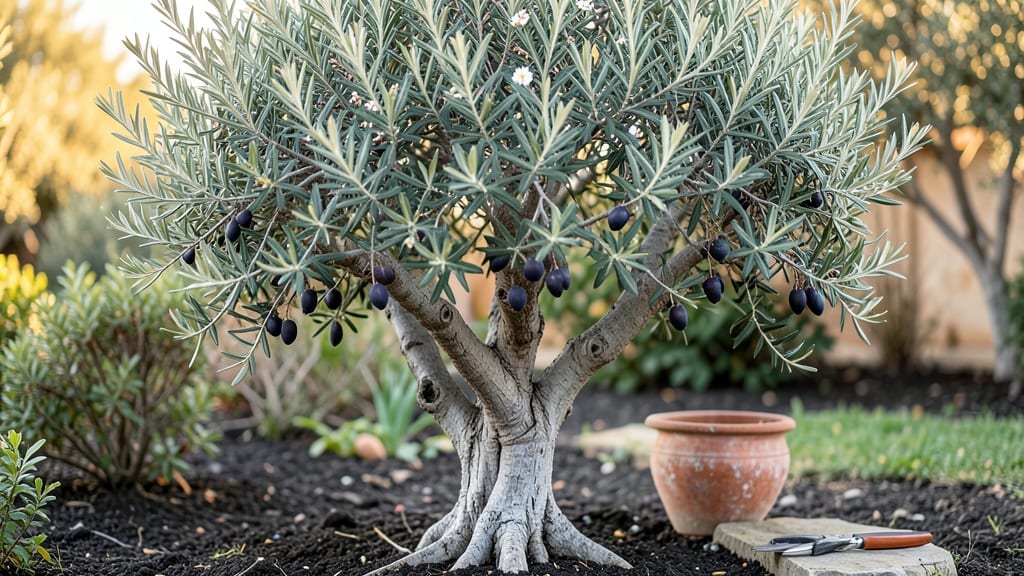
Creating a Mediterranean olive tree garden transforms your yard into a sun-drenched escape where silvery leaves and gnarled branches evoke ancient sunsets. 🌿 I planted mine three years ago, and now the scent of crushed olives in summer and the rustle of wind through the branches make it my favorite spot to unwind.
The secret lies in mimicking the olive's natural habitat—well-draining soil, full sun, and just enough water to keep roots happy without drowning them. Pair your olive with lavender, rosemary, and thyme for a fragrant, low-maintenance garden that thrives in heat and drought.
Even in cooler climates, a single olive tree becomes the centerpiece of a rustic or formal Mediterranean retreat.
By the time spring rolls around, you'll have a lush canopy providing shade, a harvest of olives in fall, and year-round structure that never goes out of style. The key is spacing trees 20-30 feet apart for mature growth, and adding gravel pathways or stone seating to complete the look.
Works beautifully in containers for small spaces or as a standalone specimen in larger yards. Whether you go for a formal topiary olive or a wild, natural shape, this garden will be the envy of the neighborhood—and the perfect place to sip wine under the stars.
📚 In This Guide
- What you need
- Instructions
- Tips and common mistakes
- Wrapping up and next steps
What you need
- ● Olive tree saplings: 3–10 healthy, disease-free plants (choose varieties like Arbequina, Manzanillo, or Frantoio based on your climate and needs).
- ● Well-draining soil: 5–10 cubic yards of a mix of 60% topsoil, 30% sand, and 10% compost (olives hate soggy roots!).
- ● Organic fertilizer: A balanced 10-10-10 or 6-6-6 blend (apply sparingly—olives prefer lean soil).
- ● Mulch: 2–3 inches of wood chips, gravel, or straw to retain moisture and suppress weeds.
- ● Drip irrigation system: 1–2 gallons per minute flow rate with emitters spaced 12–18 inches apart (olives need deep but infrequent watering).
- ● Pruning tools: 1 bypass pruners (for small branches).
- ● 1 pruning saw (for thicker branches).
- ● 1 sterilizing solution (70% isopropyl alcohol).
- ● Support stakes: 3–5 4–5 ft wooden or metal stakes per tree (for young saplings).
- ● Pest control: Neem oil or horticultural oil (for organic protection against olive fruit fly and scale).
- ● Garden shovel and spade (for digging holes 3x wider and 2x deeper than the root ball).
- ● Wheelbarrow (for transporting soil and mulch).
- ● Measuring tape (to ensure proper spacing—15–25 ft apart for mature trees).
- ● Gloves (heavy-duty for pruning and handling gravel).
- ● Watering can or hose with adjustable nozzle (for initial watering post-planting).
- ● pH testing kit (ideal soil pH: 6.0–8.0).
- ● Soil amendments: Crushed limestone (to raise pH) or peat moss (for acidity).
- ● Windbreaks: Burlap screens or lattice fencing (for coastal or windy areas).
- ● Automated timer for your irrigation system (to maintain consistency).
- ● Compost tea (for a nutrient boost during growing seasons).
- ● Decorative elements: Terracotta pots, stone pathways, or Mediterranean-style lighting.
Step-by-Step instructions for cultivating a thriving olive tree garden
Here’s how to create a Mediterranean-inspired olive grove that stays lush year-round.
🌱 Step 1: Select and Prepare the Planting Site
Olive trees thrive in well-draining soil with a slightly alkaline pH between 7.0 and 8.5. Choose a sunny spot that gets at least 6-8 hours of direct sunlight daily—this is non-negotiable for healthy growth. If your soil drains poorly, amend it with 2-3 inches of coarse sand or gravel mixed into the top 12 inches of soil.
Dig a hole twice as wide as the root ball but only as deep. This encourages roots to spread horizontally rather than settling too deep, which can lead to root rot. Gently loosen the roots of container-grown trees before planting to help them establish faster. Here’s the thing—olives hate soggy feet, so if your area gets heavy rainfall, consider planting on a slight mound.
🪴 Step 2: Plant and Stake for Stability
Place the olive tree in the hole so the top of the root ball sits 1-2 inches above ground level. This prevents water from pooling around the trunk. Fill the hole with native soil, pressing lightly to remove air pockets but not compacting too firmly. Water deeply to settle the soil and remove the planting container if you’re using one.
Stake young trees only if necessary—olives have strong root systems, but young plants may need support in windy areas. Use 2-3 stakes positioned 6-12 inches from the trunk and tie the tree loosely with soft fabric or rubber ties. Avoid wire or anything that can cut into the bark as the tree grows. Water again after staking to help the soil settle around the roots.
☀️ Step 3: Water and Mulch for Long-Term Health
Water deeply once a week during the first year, soaking the soil to a depth of 12-18 inches. After establishment, olives are drought-tolerant, but young trees need consistent moisture. You’ll know you’ve watered enough when water runs out the drainage holes—don’t let it pool. Reduce watering in winter unless temperatures drop below 30°F, as olives prefer drier conditions then.
Apply 2-3 inches of mulch (like wood chips or straw) around the base, keeping it 3-4 inches away from the trunk to prevent rot. Mulch helps retain moisture, regulate soil temperature, and suppress weeds. Refresh the mulch annually in early spring to maintain its benefits. Real talk: Over-mulching can smother the tree, so keep it light and even.
✂️ Step 4: Prune and Fertilize for Shape and Growth
Prune olives in late winter or early spring before new growth begins. Remove any dead, diseased, or crossing branches first, then shape the tree by cutting back to 1/4-inch above a bud or branch. Avoid heavy pruning—olives respond better to gradual shaping. You’ll see new growth emerge within 4-6 weeks, signaling the tree is recovering well.
Fertilize lightly in early spring with a balanced, slow-release fertilizer (10-10-10 ratio). Use about 1/2 cup per tree for young plants, spreading it evenly over the root zone. Skip fertilizer in the first year if your soil is already nutrient-rich. Over-fertilizing can lead to excessive leaf growth at the expense of fruit production, which is the whole point of this garden!
Tips & tricks for perfect olive tree garden cultivation
Here's what I learned after years of growing Mediterranean olives—these details make all the difference between a struggling plant and a thriving grove.
Soil Preparation Secret: Before planting, test your soil's pH with a simple kit available at garden centers. If it's below 7.0, mix in dolomitic lime according to package instructions to raise the pH gradually over 2-3 months. I've seen olives struggle in acidic soil even when everything else seemed perfect—this one adjustment can transform your tree's health. The 2-3 inches of sand or gravel we're adding in Step 1 should be spread evenly through the top 12 inches of soil, not just dumped in layers.
Planting Depth Cue: That 1-2 inch elevation above ground level in Step 2 isn't just about water drainage—it's also a visual cue. When you're planting, the top of the root ball should be just slightly higher than the surrounding soil. You can use a level tool or even a straight stick to check this before backfilling. This small elevation helps prevent water from sitting against the trunk during those critical first weeks.
Watering Wisdom: The once-weekly watering in Step 3 should be done in the early morning to allow foliage to dry before evening. This reduces fungal risks, especially important for young trees. I've seen olive growers make the mistake of watering in the evening, which can lead to damp conditions that invite disease. For that 12-18 inch soil depth, use a long screwdriver or soil probe to check moisture—it should feel damp but not soggy.
Pruning Timing: That late winter/early spring window for pruning in Step 4 is crucial because it allows the tree to heal before summer's heat stress. I've learned to mark my calendar for February 15th as my target date—this gives me a buffer if winter weather delays my work. When you see new growth appear within 4-6 weeks, that's your confirmation the tree is recovering well from pruning.
Pro Tips for Olive Tree Garden
- Here's what I learned after years of growing Mediterranean olives—these details make all the difference between a struggling plant and a thriving grove.
- Soil Preparation Secret: Before planting, test your soil's pH with a simple kit available at garden centers.
- Planting Depth Cue: That 1-2 inch elevation above ground level in Step 2 isn't just about water drainage—it's also a visual cue.
Frequently asked questions
Got questions about creating your own olive tree garden? You’re not alone! Here are some of the most common queries—and their answers—to help you grow a thriving Mediterranean oasis with confidence.
How long does it take for an olive tree to bear fruit?
Olive trees are patient plants! Most varieties take 3 to 5 years to produce fruit, though some dwarf or grafted trees may fruit in as little as 2 years. Patience is key—focus on proper care (sun, water, and soil) to speed up the process.
Can I grow olive trees in containers, or do I need a yard?
Olive trees thrive in large containers (15+ gallons) if you live in a small space or urban area. Just ensure the pot has drainage holes and use well-draining soil. Move containers indoors during harsh winters (below 20°F/-7°C) to protect them.
Why are my olive tree leaves turning yellow?
Yellow leaves often signal overwatering, nutrient deficiency, or root rot. Check the soil—it should be slightly dry between waterings. Olive trees prefer drought-like conditions! Also, test soil pH (ideal: 6.0–8.0) and fertilize lightly in spring with citrus-specific nutrients.
Do olive trees need pruning, and when is the best time?
Pruning keeps your tree healthy and shapes its growth. The best time is late winter or early spring (before new growth starts). Remove dead/diseased branches first, then thin out crowded areas to improve airflow. Avoid heavy pruning in fall—it stresses the tree before winter.
Are olive trees pollinated by bees, or do I need to do it manually?
Most olive trees are self-pollinating, but bees help increase fruit production! Planting multiple varieties nearby (like Arbequina and Manzanillo) can boost yields. If you’re in a bee-scarce area, gently shake branches during bloom (late spring) to aid cross-pollination.
Pro Tip:
For year-round beauty, pair olive trees with drought-tolerant companions like rosemary, lavender, or thyme. Their silver-green foliage and fragrant blooms create a stunning, low-maintenance Mediterranean garden!
Wrapping up and next steps
Creating your own olive tree garden is a rewarding journey that brings year-round beauty, sustainability, and a touch of the Mediterranean to your space.
Whether you're a seasoned gardener or just starting, the key is patience, care, and a little creativity—your future olive grove will thrive with the right knowledge and dedication! 🌿
Ready to take the next step? Start small with a single tree, research local climate needs, and gather your tools. Before you know it, you’ll be harvesting your own olives and enjoying the serene, evergreen charm of your very own olive tree garden. Happy planting! 🌱