
Flowers
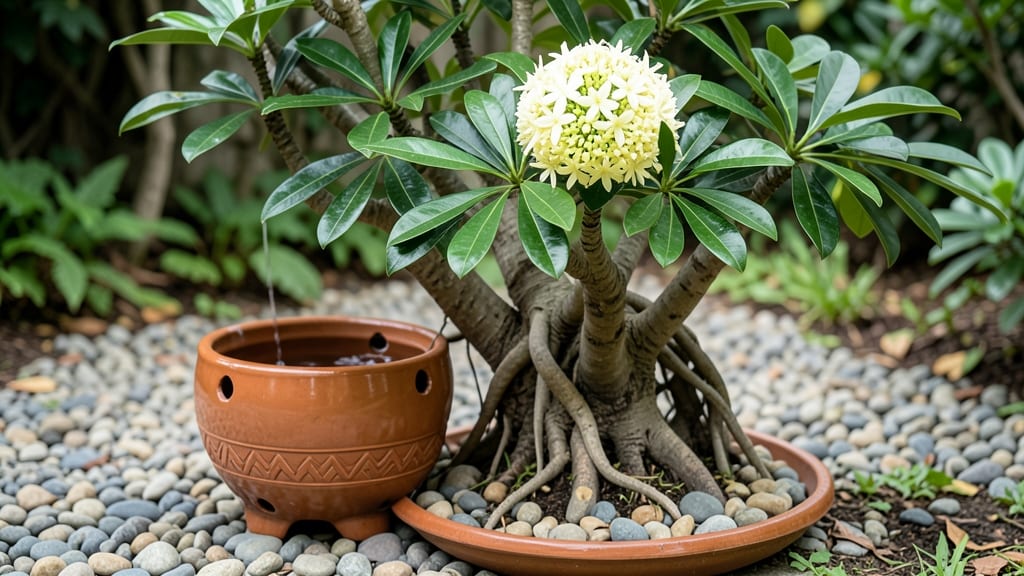
Your money tree can flower indoors—it just needs the right coaxing. 🌿 I’ve watched my own Pachira aquatica burst into delicate, star-shaped blooms after adjusting just a few things, and it’s easier than you’d think.
Most people assume these plants are just decorative, but with proper light, water, and a little patience, you can trigger those rare indoor flowers.
The secret starts with bright, indirect light—think east-facing windows or a few feet from a south window. Too little light, and your plant will focus on leaves, not blooms.
Water when the top 2 inches of soil feel dry, and use well-draining soil to avoid root rot, which stresses the plant and halts flowering. A light fertilizer in spring and summer gives it the energy to bloom.
By summer’s end, you might spot tiny flower buds forming in the leaf axils. These take time—sometimes months—but when they open, the pale pink or white blooms are worth the wait.
The real magic? Your tree can rebloom with consistent care, turning it into a year-round conversation piece instead of just a houseplant.
Even if your first attempt doesn’t flower, don’t give up. I’ve had years where mine skipped blooming, but adjusting light or pruning old growth the next season always brought it back. The key is consistency—your money tree rewards patience with those unexpected, delicate flowers.
📚 In This Guide
- What you need
- Instructions
- Tips and common mistakes
- Wrapping up and next steps
What you need
- ● Money Tree Plant: 1 mature Pachira aquatica (or seeds/cuttings if starting from scratch)
- ○ Optional: Pre-flowering variety (e.g., 'Golden Money Tree') for faster blooms
- ● Pot & Drainage: 1 ceramic or terracotta pot (12–16 inches in diameter) with drainage holes
- ○ Optional: Self-watering pot for low-maintenance care
- ● Soil: 1 bag (5–10 gallons) of well-draining cactus/succulent mix or chamaedorea mix
- ○ Optional: Perlite or orchid bark (1 part) mixed into soil for aeration
- ● Watering Supplies: Watering can with a rose nozzle (to avoid soil displacement)
- ○ Optional: Moisture meter for tracking soil hydration
- ● Fertilizer: 1 bottle of balanced liquid fertilizer (e.g., 10-10-10 or 20-20-20, diluted to half-strength)
- ○ Optional: Slow-release granules for seasonal blooming
- ● Grow lights (LED, full-spectrum) for 12–14 hours/day if natural light is limited
- ● Humidity tray or pebble tray (to maintain 40–60% humidity)
- ● Pruning shears (sterilized) for shaping and encouraging blooms
- ● Decorative pot cover or saucer (to elevate aesthetics)
- ● Plant food with phosphorus (e.g., bloom booster) for flowering stages
Step-by-Step guide to encouraging money tree flowers indoors
Here's how to transform your money tree's lush foliage into a blooming beauty—with simple adjustments.
🌱 Step 1: Provide the Right Light Conditions
Money trees (Pachira aquatica) need bright, indirect light for flowering—6-8 hours daily is ideal. Place yours near an east or west-facing window where sunlight filters through sheer curtains. Avoid harsh direct sun, which scorches leaves, or deep shade, which stunts blooms.
I notice the first sign of insufficient light when leaves yellow at the tips or grow sparse. If your tree's leaves darken or stretch toward the window, it's begging for more brightness. A grow light positioned 12-18 inches away for 12 hours daily works in dim spaces. Rotate the pot weekly so growth stays even.
☀️ Step 2: Adjust Temperature and Humidity
Flowering thrives in stable temperatures between 65-80°F—cool drafts or sudden heat drops shock the plant. Keep it away from vents, doors, or AC units. I've found that money trees bloom best when daytime temps hover around 75°F and nights stay above 60°F. A heat mat under the pot during winter helps maintain warmth.
Humidity matters too—50-60% is perfect. If your home runs dry (common with central heating), mist the leaves 2-3 times weekly or place the pot on a tray of pebbles filled with water. Watch for curled leaf edges—they signal dry air. A humidifier near the plant solves this permanently.
💧 Step 3: Master the Watering Schedule for Blooms
Overwatering kills flowers faster than underwatering. Let the top 2 inches of soil dry out between waterings—stick your finger in to check. I water deeply until water runs from the drainage hole, then empty the saucer to prevent root rot. During winter, reduce watering to every 7-10 days as growth slows.
Here's the thing—money trees need nutrient-rich water to flower. Use room-temperature distilled water (tap water minerals build up over time). Every 4-6 weeks, fertilize with a balanced 10-10-10 liquid fertilizer diluted to half-strength. Stop fertilizing in winter when the plant rests.
✂️ Step 4: Prune and Feed for Flowering
Pruning encourages bushier growth and more blooms. Trim leggy stems back to a leaf node in early spring—this redirects energy to new shoots. Use clean, sharp scissors to make cuts just above a leaf. Avoid heavy pruning in fall or winter when the plant conserves energy.
Feed your money tree phosphorus-rich fertilizer (like 5-10-5) twice monthly during spring and summer. Phosphorus boosts flowering, while nitrogen (found in most houseplant fertilizers) promotes leafy growth at the expense of blooms. I switch to a low-nitrogen formula once buds form to support their development.
🪴 Step 5: Repot and Refresh the Soil
Money trees flower best when slightly root-bound. Repot every 2-3 years in spring using a well-draining potting mix (cactus/succulent mix works well). Choose a pot just 1-2 inches larger in diameter—too much space encourages leaf growth over flowers. Gently remove the plant, trim 10% of the roots, and place it in fresh soil.
After repotting, place the tree in bright, indirect light and reduce watering for 2 weeks to minimize stress. This is when buds often form—watch for tiny green clusters at leaf nodes. If no buds appear after 6 weeks, increase light exposure or check for pests like spider mites, which drain the plant's energy.
Tips & tricks for perfect money tree flowers
Real talk: Getting your money tree to bloom takes patience, but these small tweaks make all the difference.
Light Positioning: In Step 1, when placing your money tree near a window, rotate the pot quarter-turns weekly to prevent lopsided growth. I learned this the hard way after my tree grew unevenly toward the light. The 6-8 hours of bright, indirect light should hit all sides evenly—this balances growth and encourages bud formation. If you notice leaves stretching toward one side, it's time to rotate!
Temperature Stability: The 65-80°F range in Step 2 is non-negotiable for flowering. I keep my money tree away from drafty windows and heat vents—even a 10°F drop at night can shock the plant and delay blooms. A simple trick? Place a small thermometer near the plant for a week to monitor fluctuations. If temps dip below 60°F at night, move it closer to an interior wall or use a small space heater on low.
Fertilizer Timing: In Step 4, when you switch to phosphorus-rich fertilizer like 5-10-5, apply it only in spring and summer—never in fall or winter. I've found that fertilizing in cooler months stresses the plant instead of supporting blooms. For extra blooms, add a half-strength dose of fertilizer when you first notice tiny green clusters forming at the leaf nodes (around 6 weeks after repotting in Step 5).
Repotting Stress Hack: After repotting in Step 5, reduce watering for 2 weeks to minimize stress—the plant needs time to adjust to fresh soil. During this period, I place my money tree under a grow light for 4-6 hours daily to compensate for any light loss from the move. This two-week recovery period is when buds often form, so don't skip it!
Pro Tips for Money Tree Flowers
- Real talk: Getting your money tree to bloom takes patience, but these small tweaks make all the difference.
- Light Positioning: In Step 1, when placing your money tree near a window, rotate the pot quarter-turns weekly to prevent lopsided growth.
- Temperature Stability: The 65-80°F range in Step 2 is non-negotiable for flowering.
Frequently asked questions
Got questions about keeping your money tree blooming beautifully? Here are some of the most common ones—and their answers!
Can a money tree (Pachira aquatica) actually flower indoors?
Yes! While rare, money trees can produce small, delicate flowers indoors with the right care—bright, indirect light, warm temperatures (65–80°F), and occasional outdoor exposure. Most indoor plants bloom less frequently, but patience and consistency pay off.
How long does it take for a money tree to flower?
Indoor money trees typically take 3–5 years to mature enough for flowering, but some may never bloom without ideal conditions. Focus on healthy growth first—thick stems, glossy leaves, and steady watering will set the stage for potential blooms later.
Why isn’t my money tree flowering? What can I do?
Money trees often skip flowering due to low light, overwatering, or lack of seasonal changes. Try these fixes:
- Move it to a sunny, east- or west-facing window (avoid harsh midday sun).
- Let the top inch of soil dry out between waterings.
- Mimic seasons with cooler temps (55–60°F) in winter and occasional outdoor time in summer.
- Fertilize lightly with a balanced houseplant food in spring/summer.
Are there money tree alternatives that flower more easily?
If you want a flowering plant with similar luck-bringing vibes, try:
- Jade Plant (Crassula ovata) – Produces star-shaped blooms with proper care.
- Fiddle-Leaf Fig (Ficus lyrata) – Can flower indoors (though rare) and thrives in bright light.
- Schefflera (Umbrella Plant) – Hardy, fast-growing, and occasionally flowers.
All three are low-maintenance but may still need patience for blooms!
What should I do if my money tree’s leaves turn yellow or drop?
Yellow leaves or leaf drop usually signal overwatering or underwatering. Check the soil:
Soggy soil? Let it dry out completely before watering again.
Dry, crusty soil? Water thoroughly and adjust your schedule (every 1–2 weeks, depending on conditions).
Brown edges? It may be too dry or exposed to drafts.
Trim damaged leaves with clean scissors to encourage new growth.
Wrapping up and next steps
Growing a money tree with vibrant flowers is simpler than you think—just a little patience and the right care! 🌿 With its striking leaves and occasional blooms, this plant adds elegance to any space while thriving on minimal effort.
Whether you’re a beginner or a plant enthusiast, your money tree can become a stunning, year-round centerpiece.
Ready to see those money tree flowers in full glory? Start by repotting if needed, ensuring proper drainage, and giving it bright, indirect light. Then, keep an eye on its soil moisture and watch as your plant rewards you with lush growth and maybe even a few delicate blooms! 🌸