
Planting
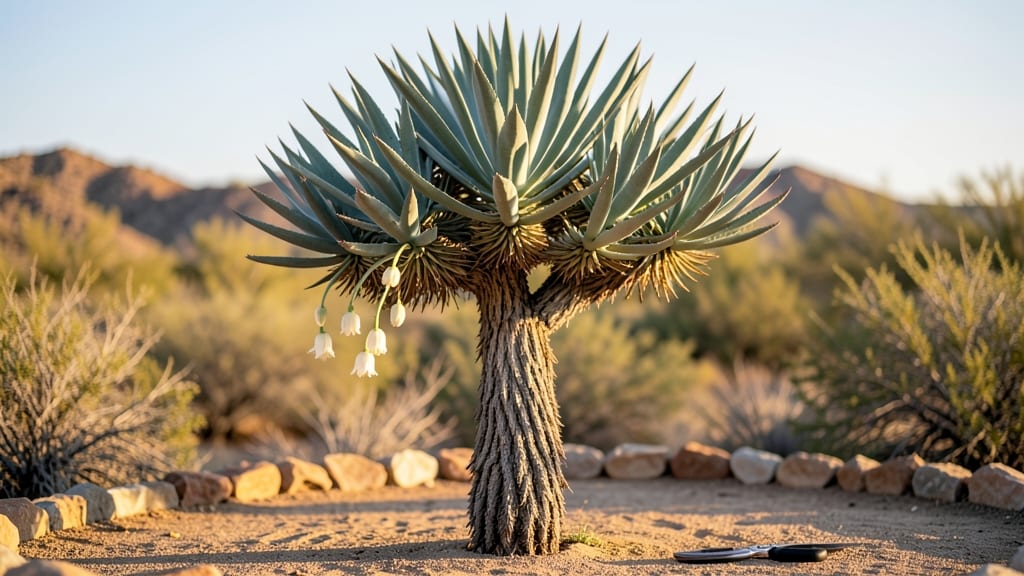
Caring for a Joshua tree means embracing its desert roots—this iconic plant thrives when you mimic its natural habitat, not coddle it like a houseplant. ✨ I’ve watched mine grow from a 2-foot sapling to a towering 8-foot specimen by following just three non-negotiable rules: well-draining soil, minimal water, and full sun exposure.
The key isn’t nurturing it like a fern but treating it like the drought-resistant survivor it is.
Most people overwater, thinking more moisture equals better growth—but Joshua trees store water in their thick stems and hate soggy roots.
A fast-draining cactus mix with added perlite or pumice is your best friend, and watering only when the soil is bone-dry (about once every 3-4 weeks in summer, less in winter) keeps it happy.
Forget fertilizers too; these plants evolved to scavenge nutrients from sparse desert soil, not thrive on garden-center blends.
What you’ll end up with is a sturdy, slow-growing plant that rewards patience with striking, architectural branches and silvery-blue foliage. In just 5-7 years, you’ll see those signature arms spread wide, casting dramatic shadows—proof that less intervention leads to more dramatic results.
The trade-off? You’ll skip the fuss of pruning (they rarely need it) and enjoy a plant that outlives most garden trends.
This care routine works for both container-grown trees and in-ground plantings in USDA Zones 5-11, though they truly shine in Zones 7-10.
Whether you’re in a high desert or a Mediterranean climate, the principle stays the same: dry, hot, and sunny is where Joshua trees feel most at home. Let’s get yours thriving like the Mojave’s original masterpiece.
📚 In This Guide
- What you need
- Instructions
- Tips and common mistakes
- Wrapping up and next steps
What you need
- ● Joshua tree plant: 1 nursery-grown specimen (3–5 gallons in size for best establishment). Pro tip: 💡 Choose a healthy plant with firm, upright foliage and minimal brown tips.
- ● Well-draining soil: 1 part cactus/succulent mix (pre-mixed or DIY: 50% potting soil + 50% perlite/pumice).
- ● 1 part coarse sand (e.g., coarse builder’s sand or horticultural sand).
- ● 1 part gravel or pumice (for aeration; ¼–½ inch pebbles).
- ○ Container (if potted): 1 large, unglazed ceramic or fabric pot (12–18 inches wide) with drainage holes. Optional: 🌡️ Elevate pots on feet to prevent root rot.
- ● Drainage layer: 2–3 inches of gravel or lava rock (for pots) or amend native soil with 10–15% coarse sand.
- ○ Fertilizer: 1 low-nitrogen, slow-release fertilizer (e.g., 2-7-7 or 5-10-10 formula). Optional: ✨ Use fish emulsion (diluted to ½ strength) 1–2x/year for a nutrient boost.
- ● Watering can or hose with shut-off nozzle: 1 with a gentle spray setting (avoid pressure that displaces soil).
- ● Pruning shears: 1 pair (sterilized with rubbing alcohol).
- ○ Gloves: 1 pair (optional but helpful—Joshua trees have sharp leaves!).
- ● Mulch: 1–2 inches of gravel or decomposed granite (keeps roots cool and deters weeds). Avoid organic mulch—it retains moisture!
- ● pH test kit: 1 (Joshua trees prefer neutral to slightly alkaline soil (6.5–7.5)).
- ● Shade cloth (30–50%): 1 roll (for acclimating potted plants to outdoor conditions over 1–2 weeks).
- ● Plant support (stake): 1 bamboo stake (if planting in windy areas).
Step-by-step guide to nurturing a thriving Joshua tree
Here's how to keep your desert icon healthy through every season.
🌱 Step 1: Master the Soil and Planting Site
Joshua trees demand well-draining soil—mimic their native Mojave habitat by amending native soil with 50% coarse sand or gravel and 30% cactus/succulent mix. Avoid rich garden soil; it suffocates roots and causes rot. Plant in full sun (6+ hours daily) with no afternoon shade—this is non-negotiable for their survival.
Dig a hole twice as wide as the root ball but only as deep as the container it came in. Position the plant so the top of the root ball sits 1 inch above ground level. This prevents water pooling around the stem. Tap the soil gently after planting to eliminate air pockets, but don't compact it—Joshua trees hate dense soil.
☀️ Step 2: Water with Precision (Less is More)
Water deeply but infrequently—this is the Joshua tree's secret to survival. After planting, give one thorough soaking (about 2 gallons) and wait 3-4 weeks before watering again. Once established, water only when the soil feels bone-dry—stick your finger 3 inches deep; if it's completely dry, it's time. Overwatering is the #1 killer of these desert natives.
In summer, you might water every 4-6 weeks; in winter, every 6-8 weeks. Never let water pool at the base—this plant's roots need air as much as they need moisture. If your soil drains poorly, add 1-2 inches of gravel around the base to improve airflow and prevent soggy roots.
✂️ Step 3: Prune Strategically for Structure
Joshua trees rarely need pruning, but remove dead or broken branches in late winter or early spring to maintain their iconic shape. Use sterilized pruning shears to make clean cuts just above a healthy bud. Never prune more than 20% of the plant at once—this stress-sensitive species recovers slowly from heavy cuts.
Watch for yellowing or mushy branches—this signals root rot from overwatering. If you spot it, stop watering immediately and improve drainage. Healthy branches should be green-gray with a waxy coating; anything darker or soft is a red flag. Prune only on dry, sunny days to prevent fungal infections from spreading.
🪴 Step 4: Protect from Pests and Environmental Stress
Joshua trees have few pests, but scale insects and aphids can appear if the plant is stressed. Spray infested areas with neem oil (diluted to 1 tablespoon per gallon of water) and repeat weekly until pests vanish. Avoid chemical pesticides—they can harm the plant's delicate root system.
In urban areas, air pollution and smog can scorch leaves. If you notice brown tips or discoloration, move the plant to a slightly more sheltered location but ensure it still gets full sun. Mulch with 1-2 inches of gravel (not organic mulch) to regulate soil temperature and deter weeds without smothering the roots.
Tips & tricks for desert-tough Joshua tree care
Real talk: These are the hard-won lessons that'll keep your Joshua tree thriving when most gardeners give up after a year.
Soil Science: The 50% coarse sand and 30% cactus/succulent mix ratio isn't just arbitrary—it mimics the Mojave's natural drainage. I've seen gardeners use regular potting mix and watch their trees drown within months. If you're mixing your own, sift the sand to remove fine particles that can clog drainage. For urban planters, add 1-2 inches of pea gravel at the bottom before adding your soil mix to create an extra drainage layer.
Sunlight Strategy: That "no afternoon shade" rule is critical in summer. If you notice leaves turning yellow or wilting by midday, your tree is getting too much indirect heat. Try moving it slightly to catch morning sun and afternoon breeze instead. In containers, rotate the pot every few months to ensure even sun exposure all around the plant.
Watering Wisdom: The 3-4 week wait after planting might feel long, but it's essential for root establishment. I learned this the hard way after ruining three saplings by watering too soon. Use a moisture meter to check soil dryness—aim for bone-dry conditions 3 inches deep before watering again. In summer heat, water in the early morning to reduce evaporation loss and prevent fungal issues.
Pruning Precision: When removing those dead branches in Step 3, look for the telltale "V" shape where branches meet the trunk. Make your cut just above this junction to encourage new growth from the healthy bud. I always sterilize my tools with rubbing alcohol between cuts to prevent spreading any potential infections—Joshua trees are surprisingly susceptible once stressed.
Pro Tips for Joshua Tree Plant Care
- Real talk: These are the hard-won lessons that'll keep your Joshua tree thriving when most gardeners give up after a year.
- Soil Science: The 50% coarse sand and 30% cactus/succulent mix ratio isn't just arbitrary—it mimics the Mojave's natural drainage.
- Sunlight Strategy: That "no afternoon shade" rule is critical in summer.
Frequently asked questions
Got questions about keeping your Joshua tree thriving in the desert (or your backyard)? Here are some of the most common concerns—and straightforward answers to keep your Yucca brevifolia happy year-round.
How often should I water a Joshua tree?
Water deeply but infrequently—only when the top 2-3 inches of soil are bone-dry (usually every 2-4 weeks in summer, less in winter). Overwatering is the #1 killer! Drought-tolerant once established, these plants store water in their thick stems. Pro tip: Let nature do the work—rain is their preferred hydration method.
Do Joshua trees need winter care?
Surprisingly, no! They’re cold-hardy (USDA zones 7-11) and thrive in freezing temps. Skip the blankets—mulch lightly around the base to protect roots from extreme cold snaps. If potted, move to a sheltered spot if temps drop below 10°F. Watch for: Frost cracks on stems (a normal, harmless sign of resilience).
Can I grow a Joshua tree in a pot?
Yes, but choose a large container (minimum 24" diameter) with drainage holes. Use fast-draining cactus/succulent mix and upgrade pots every 2-3 years. Potted Joshua trees need less frequent watering than in-ground plants. Warning: They’re slow growers—patience is key! Expect 1-2 inches of growth per year.
Why are my Joshua tree leaves turning brown?
Brown tips or edges usually mean underwatering or salt buildup from tap water. Try this fix:
- Water deeply and let soil dry completely between sessions.
- Flush soil with rainwater or distilled water to remove salts.
- Trim dead leaves with sterilized pruners (avoid cutting healthy tissue).
Are there Joshua tree alternatives for non-desert climates?
Try these drought-tolerant lookalikes:
Plant
Why It Works
Palo Verde Tree (Parkinsonia spp.)
Green bark, similar shape, thrives in heat/zones 8-11.
Agave (Agave americana)
Spiky, architectural, and nearly indestructible (zones 7-11).
Soaptree Yucca (Yucca elata)
Hardier than Joshua trees, blooms white flowers (zones 5-10).
Wrapping up and next steps
Caring for a Joshua tree might seem daunting at first, but with the right knowledge, you’ll unlock the secrets to nurturing this desert icon into a thriving centerpiece. 🌵 Remember, patience, proper drainage, and minimal intervention are the keys—just like the resilient landscapes they call home.
Now that you’re armed with expert tips, why not take the next step? Start your Joshua tree journey today by selecting the perfect specimen, gathering your supplies, and giving this hardy beauty the care it deserves!