
Pruning
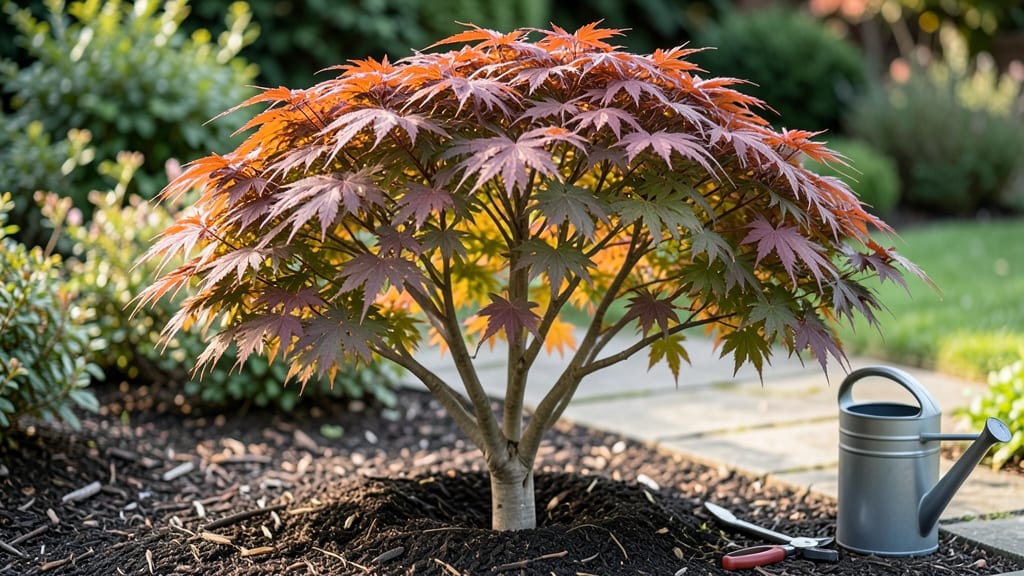
Growing a miniature maple tree in containers transforms even the smallest yard into a living art piece. 🌿 These delicate trees—like Acer palmatum or Acer japonicum—bring year-round color with their fiery autumn leaves and graceful branches, all while staying compact enough for patios or windowsills.
The secret to their success lies in mimicking their natural woodland habitat: well-draining soil, partial shade, and consistent moisture without soggy roots. Most dwarf varieties thrive in 5-15 gallon containers, depending on the cultivar, and their slow growth means you can enjoy them for decades with minimal fuss.
What you’ll love most is how they evolve seasonally—spring’s fresh green foliage, summer’s subtle hues, and fall’s blazing reds or purples. With the right pruning, you can even shape them into topiaries or let them grow naturally for a woodland feel.
Whether you’re placing one on a balcony or nestled among rocks, these trees adapt beautifully to urban spaces. Let’s get yours growing strong from the start—no green thumb required!
📚 In This Guide
- What you need
- Instructions
- Tips and common mistakes
- Wrapping up and next steps
What you need
- ● Dwarf Maple Seedling or Bare-Root Sapling: Choose a container-friendly variety like Acer palmatum ‘Little Princess’ or Acer japonicum ‘Aconitifolium’ (Japanese maple).
- ● Size: 1–3 gallons (small pots) or 1–2 feet tall for mature dwarf varieties.
- ● Well-Draining Potting Mix: 50% high-quality peat-free potting soil (e.g., Miracle-Gro or FoxFarm).
- ● 30% perlite or pumice (for aeration).
- ● 20% compost or worm castings (for nutrients).
- ● Container: Size: 15–25 gallons (for mature trees) or 5–10 gallons (for young saplings).
- ● Material: Terracotta, fabric, or plastic with drainage holes.
- ● Pruning Tools: Bypass pruners (for clean cuts).
- ● Concave-cut pruners (for larger branches).
- ● Hand saw (for stubborn stems).
- ● Mulch: 2–3 inches of organic mulch (e.g., shredded bark or pine needles).
- ● Slow-release fertilizer (e.g., Osmocote for acid-loving plants).
- ● Tree support stake (for young, top-heavy saplings).
- ● pH test kit (to monitor soil acidity—ideal range: 5.0–6.5).
- ● Fungicide (e.g., copper-based) for prevention of anthracnose or powdery mildew.
- ● Decorative stones or moss (for aesthetic container styling).
Step-by-step instructions for cultivating dwarf maple trees in containers
Here's how to grow vibrant, year-round miniature maples that thrive in pots.
🌱 Step 1: Select the Right Dwarf Variety and Container
Choose a cold-hardy dwarf variety like 'Autumn Blaze' or 'Emberglow'—both stay under 6 feet tall and deliver stunning fall foliage. The container must have drainage holes and be at least 18 inches deep to accommodate root growth. I use glazed ceramic pots because they retain moisture while preventing root rot.
Fill the bottom 3 inches with gravel or coarse sand for drainage. This prevents waterlogging, which dwarf maples hate. Tap the pot gently after adding drainage material to settle it evenly. The reason for this layer is simple: miniature maples have delicate roots that suffocate in soggy soil.
🪴 Step 2: Prepare the Soil Mix for Optimal Growth
Use a blend of 50% high-quality potting mix, 30% compost, and 20% perlite—this ensures aeration while retaining moisture. I mix these in a wheelbarrow to avoid clumping. The goal is a loamy texture that mimics forest floor conditions where dwarf maples naturally grow.
Moisten the mix until it feels like a wrung-out sponge—damp but not dripping. Overwatering at this stage can cause seedling rot. Fill the pot to 1 inch below the rim, leaving space for the root ball. Press lightly with your fingers to remove air pockets without compacting the soil.
☀️ Step 3: Plant and Position for Year-Round Success
Gently remove the nursery-grown dwarf maple from its container, loosening any circling roots. Place it in the center of your pot, ensuring the root flare (where roots meet the trunk) sits ½ inch above soil level. This prevents stem rot over time.
Backfill with your prepared mix, pressing lightly as you go. Water immediately after planting to settle the soil around roots. Position the container in full sun to partial shade—6+ hours of sunlight daily brings out the best fall colors. If indoors, place near a south-facing window or under grow lights for 12-14 hours daily.
💧 Step 4: Water and Fertilize for Lush Foliage
Water when the top 2 inches of soil feel dry—this usually means every 5-7 days in summer, less in winter. I use a self-watering pot to maintain consistent moisture without overwatering. Dwarf maples are drought-tolerant once established, but young trees need steady hydration.
Fertilize in early spring with a balanced 10-10-10 formula, then again in mid-summer. Use ½ the recommended dose to avoid burning roots. Stop fertilizing in fall and winter—this encourages natural dormancy and vibrant spring growth. You'll see new leaves emerge within 2-3 weeks of spring feeding.
✂️ Step 5: Prune and Maintain Year-Round Color
Prune in late winter (before buds swell) to remove dead or crossing branches. Use clean, sharp shears to make cuts just above a bud or lateral branch. This encourages bushier growth and prevents disease. I shape my dwarf maples into small trees by keeping the central leader dominant.
For year-round color, apply a light mulch of 2-3 inches of shredded bark around the base in fall. This insulates roots in winter and retains moisture in summer. Watch for yellowing leaves—this signals overwatering, while brown edges mean underwatering. Adjust care based on these cues.
Tips & tricks for perfect miniature maple tree cultivation
Common pitfalls—and how to sidestep every one when growing your container-friendly maple.
Container Selection: The 18-inch depth requirement isn't arbitrary—dwarf maples develop extensive root systems that need room to grow. If you're working with a shallower container, opt for a variety like 'Crimson King' which has slightly shallower roots. Glazed ceramic pots are ideal because they regulate moisture better than plastic, but avoid terracotta which dries out too quickly. I've seen roots circle the bottom of pots in just 6 months—always choose containers with at least 2 inches of extra depth beyond the 18-inch minimum.
Soil Mix Secrets: That 50-30-20 ratio of potting mix to compost to perlite is non-negotiable for aeration, but here's what nobody tells you: sterilize your potting mix first by baking it at 200°F for 30 minutes to kill pathogens. I also add a handful of worm castings to the mix—they're packed with beneficial microbes that help roots establish faster. When pressing the soil around roots, use your fingers to create small air pockets rather than compacting it like you would with lawn soil.
Lighting Strategy: The 6+ hours of sunlight is critical, but indoor grow lights can be tricky. LED grow lights are most efficient—position them 12-18 inches above your tree and run them on a 12-14 hour cycle. I've found that blue spectrum LEDs (around 450nm) promote foliage growth while red spectrum (around 660nm) enhances root development. If you notice new leaves growing toward the light source, rotate your container every few days for even growth.
Fertilizer Timing: That early spring and mid-summer feeding schedule works perfectly, but timing is everything. Apply fertilizer only when you see fresh spring growth—typically when you notice new leaf buds swelling. I've learned the hard way that fertilizing in fall can stimulate tender new growth that won't survive winter freezes. For established trees, you can reduce the summer feeding to just once, but young trees benefit from both feedings for stronger root development.
Pro Tips for Miniature Maple Tree
- Common pitfalls—and how to sidestep every one when growing your container-friendly maple.
- Container Selection: The 18-inch depth requirement isn't arbitrary—dwarf maples develop extensive root systems that need room to grow.
- I also add a handful of worm castings to the mix—they're packed with beneficial microbes that help roots establish faster.
Frequently asked questions
Got questions about growing your own miniature maple tree?
Here are some of the most common ones—plus expert answers to help you succeed!
What’s the best dwarf maple variety for beginners?
Start with ‘Emperor 1’ or ‘Crimson Queen’—both are hardy, compact (6–10 ft tall), and thrive in containers. ‘Bloodgood’ is another great pick for vibrant red foliage. Look for grafted trees (tagged “dwarf”) to ensure slow growth.
How long does it take for a miniature maple to mature?
Most dwarf maples reach their full size in 5–10 years, but they’ll show color and shape within 2–3 years with proper care. Patience pays off—prune lightly in early spring to encourage bushier growth!
Can I grow a miniature maple in a pot year-round?
Yes! Use a 15–20 gallon container with drainage holes and well-draining soil (like a mix of potting soil + perlite). In winter, move pots to a sheltered spot (e.g., against a garage wall) or use frost cloth for protection. Avoid freezing temps (<20°F).
When and how should I prune my dwarf maple?
Prune in late winter or early spring (before buds swell) to shape the tree. Use clean, sharp pruners to remove dead/diseased branches first, then thin out crowded growth. Avoid heavy pruning—dwarf maples respond best to light, strategic cuts.
Why are my miniature maple leaves turning yellow or brown?
Yellow leaves often signal overwatering or poor drainage, while brown edges can mean underwatering or sunburn. Check soil moisture (top inch should dry between waterings) and ensure 4–6 hours of sunlight daily. Yellowing could also hint at nutrient deficiency—try a balanced fertilizer in spring.
Are there non-maple alternatives for small trees with color?
Try Japanese maples (Acer palmatum) like ‘Moonrise’ (dwarf, purple foliage) or ornamental cherries (e.g., ‘Snow Fountain’). For evergreen options, dwarf conifers like ‘Blue Rug’ juniper add texture without losing color.
Wrapping up and next steps
Growing a miniature maple tree is a rewarding way to bring nature’s beauty into your space—whether on a balcony, patio, or windowsill! These dwarf varieties thrive in containers, offering year-round color with minimal fuss.
With the right care, you’ll enjoy vibrant foliage, striking bark, and even seasonal blooms for years to come.
Ready to get started? Pick your favorite dwarf variety—like ‘Emperor I’ or ‘Drummondii’—and grab your supplies. Then, follow the steps above to nurture your tiny tree into a stunning centerpiece. Happy gardening! 🌿✨