Trees
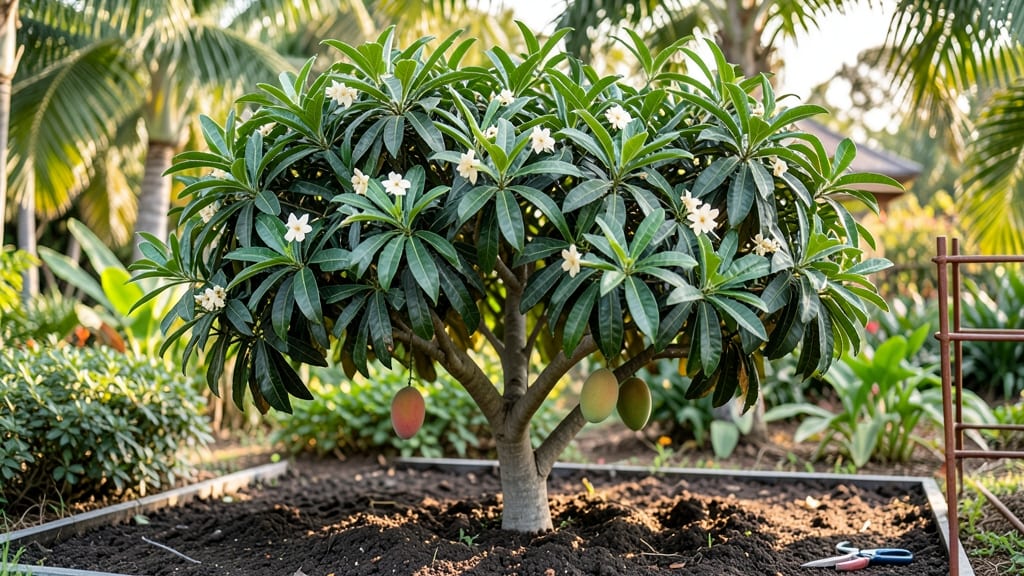
Growing Manila mango trees in containers lets you enjoy sweet, fragrant fruit even in small spaces—these tropical beauties thrive in pots and produce year-round with the right care. 🌱 I learned the hard way that they need warmth, humidity, and consistent moisture, but once you nail those basics, you’ll be harvesting golden-orange mangoes that taste like sunshine.
The secret isn’t complicated: it’s matching their tropical roots to your container setup.
These trees love full sun (6+ hours daily) and well-draining soil mixed with compost—think 5-gallon pots for young trees, scaling up to 15-gallon containers as they grow. Water when the top inch of soil feels dry, but avoid soggy roots.
Prune lightly after harvest to shape the tree and encourage new growth, and watch for pests like aphids or scale, which love tender new leaves.
Within 2-3 years, you’ll see your Manila mango tree heavy with fruit—smaller than grocery-store varieties but packed with flavor and aroma. The trees stay compact (10-15 feet tall), making them perfect for patios, balconies, or even large indoor spaces with bright light.
The real magic? You can grow them in USDA zones 10-11 or bring them indoors during cooler months with a grow light.
Here’s the kicker: these trees fruit twice a year if cared for properly, so you’ll never run out of fresh mangoes for smoothies, salads, or just snacking.
The key is patience—it takes time for the tree to establish, but once it does, you’re in for a tropical harvest without leaving your backyard.
📚 In This Guide
- What you need
- Instructions
- Tips and common mistakes
- Wrapping up and next steps
What you need
- ● Manila mango tree saplings – 1-2 (choose dwarf or semi-dwarf varieties for containers).
- ● Large containers – 5-gallon or larger (minimum 18" diameter/height) with drainage holes. Pro tip: Use fabric grow bags for flexibility!
- ● High-quality potting mix – 1 bag (50 lbs) of well-draining blend (e.g., 60% cactus/succulent mix + 40% perlite/pumice).
- ● Slow-release fertilizer – 1 lb of organic fertilizer (e.g., 5-5-5 or 6-6-6 NPK ratio).
- ● Drip irrigation kit or hose with spray nozzle – For consistent moisture.
- ● Pruning shears – Sharp, sterilized tools for shaping and harvesting.
- ● Garden trowel – For transplanting or adjusting soil.
- ● Mulch (straw or wood chips) – Helps retain moisture and regulate temperature.
- ● pH test kit – Ensures soil pH stays in the ideal range (5.5–7.0).
- ● Support stakes or trellis – For heavier branches as the tree matures.
- ○ Fruit thinning scissors – Optional but helpful for managing mango yield.
- ● Container saucers or trays – Prevents water runoff and keeps your space tidy.
Step-by-step guide to growing Manila mango trees in containers
Here's how to cultivate these tropical fruit trees year-round with container-friendly techniques.
🪴 Step 1: Select the Right Container and Soil Mix
Choose a 5-gallon or larger container with drainage holes—Manila mango trees need room for their extensive root systems. I use unglazed ceramic pots because they allow excess moisture to evaporate through the walls, preventing root rot. The container should be at least 18 inches deep to accommodate the tree's taproot.
Fill the bottom 3 inches with a fast-draining mix of equal parts perlite and coarse sand. This layer prevents waterlogging while allowing roots to breathe. Next, add a 4-inch layer of well-draining potting mix blended with orchid bark for aeration. The bark mimics the tree's natural forest floor habitat and helps retain moisture without suffocating roots.
🌱 Step 2: Plant the Tree and Establish Initial Care
Remove the tree from its nursery pot and gently loosen the roots if they're circling. Place it in the container so the root flare (where roots meet the trunk) sits 1 inch below the rim. This ensures stability and prevents water from pooling against the trunk, which can cause rot.
Backfill with the remaining potting mix, pressing lightly to eliminate air pockets but avoiding compaction. Water thoroughly until it drains freely from the bottom. After planting, place the tree in a bright, indirect light location—direct sun can scorch young leaves—and maintain 70-80°F temperatures. Mist the leaves daily to increase humidity, as Manila mango trees thrive in tropical conditions.
☀️ Step 3: Gradually Acclimate to Full Sun and Fertilize
After 2-3 weeks, introduce the tree to morning sun for 1-2 hours daily, gradually increasing exposure over 2 weeks to 6-8 hours of full sun. This slow transition prevents leaf burn. You'll notice new growth appearing within 4-6 weeks—a sign the tree is adapting well. At this stage, switch to a balanced, water-soluble fertilizer (10-10-10) diluted to half strength every 4 weeks during the growing season.
Real talk: Over-fertilizing is a common mistake. Too much nitrogen leads to lush foliage but fewer flowers and fruit. Always water the tree deeply before fertilizing to prevent root burn. The soil should feel dry to the touch 1-2 inches down before reapplying fertilizer.
💧 Step 4: Maintain Moisture and Prune for Fruit Production
Manila mango trees prefer consistently moist but not soggy soil. Water when the top 2 inches of soil feel dry, typically every 3-5 days depending on temperature and humidity. In winter, reduce watering to once a week unless the tree is in a heated space. Always water at the base, avoiding the leaves to prevent fungal diseases like powdery mildew.
Prune the tree annually in late winter to remove dead, diseased, or crossing branches. Cut back overly long branches by one-third to encourage bushier growth and better fruit production. Here's the thing—Manila mango trees produce fruit on new wood, so pruning stimulates flowering. Always use sterilized pruners to prevent bacterial infections.
⏰ Step 5: Harvest and Prepare for Year-Round Growth
Fruit ripens 6-8 months after flowering, typically in late summer to fall. You'll know it's ready when the skin turns deep yellow with a red blush, and the fruit gives slightly when gently squeezed. Harvest by twisting the fruit gently until it separates from the stem—never cut the fruit, as this can damage the tree.
After harvest, reduce watering slightly and stop fertilizing until new growth appears in early spring. This resting period helps the tree recover and prepares it for another productive season. If growing indoors, supplement with a grow light for 12-14 hours daily during shorter winter days to maintain growth.
Tips & tricks for thriving Manila mango trees in containers
Growing Manila mango trees in containers takes patience and attention to detail—here's how to avoid common pitfalls and maximize your tree's potential.
Container Depth Matters: The 18-inch minimum depth requirement isn't just about roots—it's about stability. Shallow containers cause the tree to rock, which stresses the root flare. I've seen trees topple when planted in decorative pots that look pretty but lack depth. If you're limited on space, choose a 5-gallon fabric grow bag with deep pockets instead of a wide, shallow pot. The extra depth helps the taproot establish properly, which directly impacts fruit production.
Soil Layering Secret: That 3-inch perlite/sand layer at the bottom isn't just for drainage—it's a critical buffer. In my experience, trees planted without this layer develop root rot within 6-8 weeks because excess moisture sits against the container walls. Pro tip: Mix in vermiculite instead of perlite if you're in a humid climate—it retains slightly more moisture while still preventing compaction. The 4-inch orchid bark layer above it creates an air pocket that mimics the tree's natural forest floor environment.
Sunlight Transition Strategy: The 2-3 week acclimation period to full sun is non-negotiable. I learned this the hard way when I rushed a young tree into direct sunlight—it lost 40% of its leaves within days. Start with morning sun only (when UV intensity is lower) and gradually move to afternoon exposure. Watch for yellowing leaves or crispy edges as warning signs. If your tree shows stress, move it back to indirect light for 3-5 days before trying again.
Fertilizer Timing Hack: The 4-week interval between fertilizations might seem frequent, but it's essential for container-grown trees. Their root systems can't access nutrients from surrounding soil like in-ground trees can. Here's what nobody tells you—always fertilize in the morning when temperatures are cooler. This prevents fertilizer burn, especially when using the 10-10-10 blend. I also recommend flushing the soil with water every 3 months to prevent salt buildup from accumulated fertilizer.
Pro Tips for Manila Mango Trees
- Growing Manila mango trees in containers takes patience and attention to detail—here's how to avoid common pitfalls a...
- Container Depth Matters: The 18-inch minimum depth requirement isn't just about roots—it's about stability. Shallow c...
- Soil Layering Secret: That 3-inch perlite/sand layer at the bottom isn't just for drainage—it's a critical buffer. In...
Frequently asked questions
Got questions about growing Manila mango trees in containers? You’re not alone! Whether you’re a first-time grower or a seasoned gardener, these answers will help you navigate the sweet (and sometimes sticky) world of tropical fruit trees. Dive in!
How often should I water my Manila mango tree in a container?
Water your Manila mango tree when the top 1–2 inches of soil feel dry—typically every 2–3 days in hot weather and every 5–7 days in cooler months. Containers dry out faster than ground soil, so check moisture daily during summer. Overwatering can cause root rot, so ensure pots have drainage holes!
When will my Manila mango tree start producing fruit?
With proper care, Manila mango trees in containers can bear fruit in 3–5 years. Young trees focus on root and leaf growth first, but providing full sun, balanced fertilizer (like 8-3-9), and consistent watering speeds up fruiting. Patience is key—these tropical beauties reward commitment!
Can Manila mango trees survive winter in containers?
Manila mangoes thrive in USDA zones 10–11, but container growers in colder climates can protect them with these tricks:
- Move pots to a sunny, sheltered spot (e.g., garage or patio).
- Wrap the pot in bubble wrap or frost cloth for extra insulation.
- Avoid temperatures below 40°F (4°C)—cold stress can kill the tree.
Are Manila mangoes easy to eat straight from the tree?
Not quite! Manila mangoes are not as sweet or juicy as commercial varieties like Tommy Atkins or Ataulfo. They’re best for cooking, drying, or fermenting (e.g., mango chutney or wine). For eating fresh, let them ripen fully on the tree—skin turns yellow with red blush, and the fruit yields slightly to gentle pressure.
What’s the best fertilizer for container-grown Manila mango trees?
Use a balanced, slow-release fertilizer (like 10-10-10 or 8-3-9) in spring and summer, then switch to a low-nitrogen, high-potassium blend (e.g., 5-10-10) when flowers appear. Avoid high-nitrogen fertilizers—they promote leafy growth over fruit. Pro tip: Mix compost into the soil annually for organic nutrients!
Why are my Manila mango tree’s leaves turning yellow?
Yellow leaves often signal overwatering, nutrient deficiency, or pests. Check these fixes:
- Overwatering: Let the soil dry slightly between waterings.
- Nutrient deficiency: Test soil pH (ideal: 6.0–7.0) and amend with iron or magnesium if needed.
- Pests: Inspect for aphids or spider mites—spray with neem oil if found.
Wrapping up and next steps
Growing Manila mango trees in containers isn’t just possible—it’s a rewarding way to enjoy sweet, tropical fruit year-round, even in small spaces! With the right care, patience, and a dash of creativity, you can turn your balcony or patio into a mini orchard. 🌱
Now that you’re armed with the how-tos, FAQs, and essential supplies, it’s time to roll up your sleeves and get planting. Start small—choose a healthy sapling, pick your pot, and let your green thumb shine!
Before you know it, you’ll be savoring the juicy rewards of your labor. Happy growing! 🍈✨