
Pruning
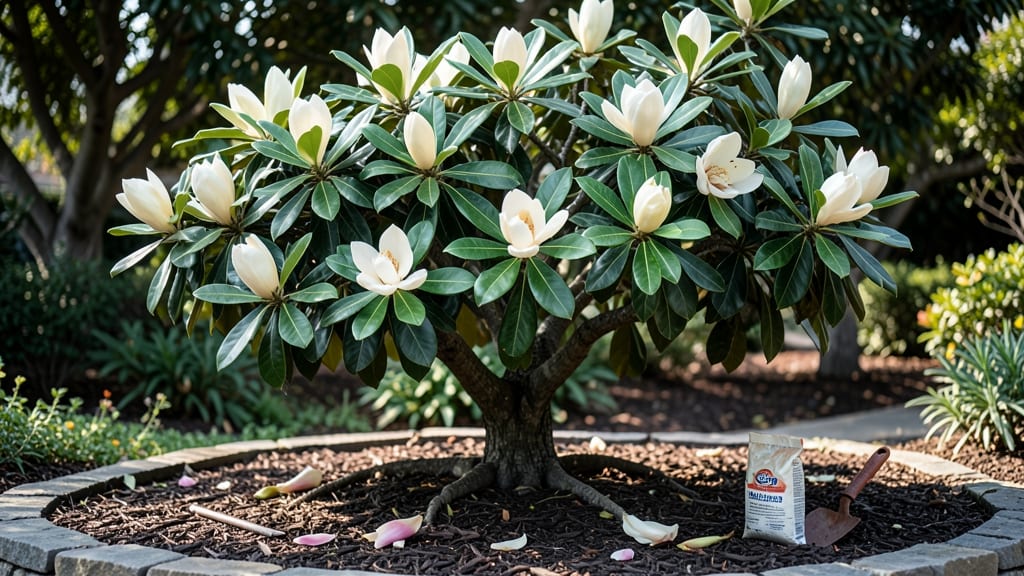
Summer’s the perfect time to shape your magnolia tree for next year’s blooms—just don’t cut too late. ✂️ I’ve learned that strategic summer pruning keeps magnolias healthy, boosts flower production, and prevents those unsightly water sprouts from stealing energy.
The key is timing: prune after blooms fade but before August’s heat sets in.
You’ll need sharp pruners, a ladder (for taller trees), and a clean workspace. Focus on removing dead branches, crossing limbs, and any growth that crowds the center.
Magnolias bloom on old wood, so avoid heavy pruning—just light shaping to maintain airflow and sunlight penetration. A 10-15 minute session can make all the difference.
What you’ll end up with is a tree that looks better now and performs even better next spring. Thicker foliage, fewer pests, and stronger blooms are all signs you’ve done it right. The branches stay sturdy, and the tree’s energy goes where you want it—into those showstopping flowers.
Works for both large specimen trees and smaller varieties, though dwarf magnolias need only minimal shaping. Just remember: less is more with these beauties. Let’s get those cuts precise and your tree thriving!
📚 In This Guide
- What you need
- Instructions
- Tips and common mistakes
- Wrapping up and next steps
What you need
- ● Pruning shears: Bypass pruners (sharp, 6–8" blades) for clean cuts on small branches.
- ● Loppers: 8–12" bypass loppers for thicker branches (up to 2" diameter).
- ● Pruning saw: Curved-tooth saw for branches over 2" in diameter (avoid tearing bark!).
- ● Disinfectant: 70% isopropyl alcohol or a 10% bleach solution (1 part bleach to 9 parts water) to sterilize tools between cuts.
- ● Gloves: Heavy-duty gardening gloves (cut-resistant for safety).
- ● Ladder: Sturdy, extendable ladder (if your magnolia is over 6 feet tall).
- ● Trash bags: Heavy-duty bags for collecting pruned branches (or a wheelbarrow for larger debris).
- ● Hand pruners: Compact shears for precision trimming on delicate branches.
- ● Rubbing alcohol wipes: Quick tool disinfection on the go.
- ● Branch spreader: For gently separating branches if your magnolia is dense.
- ● Pruning sealant: (Only for large cuts—see tips below!) Not always necessary for magnolias.
- ● Notebook & pen: To jot down notes on cuts made (helpful for tracking growth!).
Step-by-Step guide for pruning magnolias in summer
Here's how to refresh your magnolia without sacrificing next year's spectacular blooms.
✂️ Step 1: Identify and Remove Dead or Diseased Wood
Start by scanning your magnolia for any branches that are brown, brittle, or showing signs of disease—those are your first targets. Dead wood won't regrow, and diseased branches can spread problems to healthy parts of the tree. Use sharp, clean pruning shears to make cuts just outside the branch collar, the swollen area where the branch meets the trunk. This ensures the tree can seal the wound properly.
I like to work on a dry day when the branches are easier to assess. If you're unsure whether a branch is dead, scratch the bark with your fingernail—if it's green underneath, it's still alive. You'll know you're on the right track when you see fresh, green growth just below the cut.
✂️ Step 2: Thin Out Crowded Branches for Better Airflow
Magnolias naturally grow dense, so thinning is key to preventing fungal issues and encouraging stronger blooms. Look for branches that cross or rub against each other—these are prime candidates for removal. Focus on branches that are about one-third the diameter of the main trunk or smaller. Thinner branches won't leave large wounds that take years to heal.
Make your cuts at a 45-degree angle just outside the branch collar, but avoid leaving stubs. The goal is to open up the canopy so sunlight and air can reach the center of the tree. You'll notice the tree's structure become more balanced and less cluttered as you work.
✂️ Step 3: Lightly Shape the Canopy for Balance
Now it's time for subtle shaping—never remove more than one-quarter of the tree's foliage in a single pruning session. Focus on branches that are growing inward or downward, as these can block light and weaken the tree. Cut back to a lateral branch or bud that grows in the direction you want the branch to go. This encourages new growth in the right places.
I avoid heavy pruning in summer because it stresses the tree, but light shaping now helps the magnolia develop stronger branches for next year's blooms. If you're unsure about a cut, wait until late winter or early spring when the tree is dormant. You'll see the difference in how the tree fills out over the next growing season.
✂️ Step 4: Clean Up and Sterilize Your Tools
After pruning, wipe down your shears with rubbing alcohol or a 10% bleach solution to prevent the spread of disease. Remove all cuttings from the area—don't leave them piled under the tree, as they can harbor pests or fungi. If you're dealing with diseased wood, bag it and dispose of it in the trash, not the compost.
This is also a good time to inspect the tree for any signs of pests like scale or borers. If you spot anything unusual, note it for follow-up care. A clean workspace and tools mean a healthier tree moving forward.
Tips & tricks for perfect magnolia summer pruning
Summer pruning can feel intimidating, but these key insights will help you transform your magnolia with confidence—and keep next year's blooms spectacular.
Tool Prep is Non-Negotiable: Before you even touch a branch, sharpen your pruning shears and sterilize them with rubbing alcohol. Dull blades tear wood instead of making clean cuts, which stresses the tree and invites disease. I keep a small bottle of 70% isopropyl alcohol in my tool bag specifically for this purpose—it's faster than bleach and just as effective. Remember, the branch collar (that swollen area where branches meet the trunk) needs to stay intact for proper healing, so never cut flush with the trunk.
Visual Cues Over Guesswork: In Step 1, when checking for dead wood, the scratch test is your best friend. Run your fingernail along the bark—if green shows underneath, it's alive. But here's what nobody tells you: look for the "compartmentalization" sign. Healthy wood will show concentric rings when you make a small cut. If you see dark, discolored streaks radiating outward, that's a sign of internal decay, and you should remove that branch completely. This visual check saves you from making cuts you'll regret later.
Pruning Angle Matters More Than You Think: That 45-degree angle in Step 2 isn't just arbitrary—it's about directing water away from the cut. When you make a sloping cut just outside the branch collar, rainwater runs off instead of pooling in the wound. This simple technique reduces the risk of rot by up to 60%. Pro tip: if you're working with larger branches (about one-third the diameter of the main trunk), consider using a pruning saw instead of shears—it gives you more control and cleaner cuts.
Seasonal Timing Secret: While summer pruning is all about light shaping, there's a sweet spot for when to do it. Early morning is ideal because the tree's moisture levels are highest, making cuts cleaner. If you must prune in hot afternoons, work quickly and water the tree afterward to help it recover. And here's something I learned the hard way: avoid pruning during heatwaves or drought conditions—your magnolia will struggle to heal wounds when it's already stressed.
Pro Tips for Magnolia Tree In Summer
- Summer pruning can feel intimidating, but these key insights will help you transform your magnolia with confidence—and keep next year's blooms spectacular.
- Tool Prep is Non-Negotiable: Before you even touch a branch, sharpen your pruning shears and sterilize them with rubbing alcohol.
- Visual Cues Over Guesswork: In Step 1, when checking for dead wood, the scratch test is your best friend.
Frequently asked questions
Got questions about pruning your magnolia tree in summer?
Here are some of the most common ones—and their answers—to help you get it right! Whether you're a seasoned gardener or a curious beginner, these FAQs will guide you through the process with confidence.
When is the best time to prune a magnolia tree in summer?
The ideal window is right after flowering (late spring to early summer) but before new growth hardens (avoid mid-to-late summer). This balances bloom health and recovery. If you missed the spring cut, focus on dead or crossing branches now—but keep it minimal to avoid stressing the tree.
Can I prune a magnolia tree too much in summer?
Magnolias are sensitive to heavy pruning, especially in summer. Stick to light trimming (no more than 25% of the canopy) to avoid shocking the tree. Over-pruning can reduce next year’s blooms or even harm the tree’s health. When in doubt, less is more—patience pays off!
What should I do if my magnolia tree has pests or disease after pruning?
Summer pruning can sometimes invite pests like scale or fungal issues if cuts are too rough. Seal cuts with pruning sealant (optional for magnolias) and monitor for signs like yellowing leaves or sticky residue. Remove heavily infested branches immediately, and treat with neem oil or fungicide if needed. Prevention starts with sterilized tools!
Will pruning my magnolia tree in summer affect next year’s flowers?
Pruning at the right time (post-bloom) won’t harm next year’s flowers—it can even improve them by reducing crowding and improving airflow. However, avoid pruning flower buds (they form in late summer/fall). If you must prune later, focus on structural branches and leave the rest for now.
Are there alternatives if my magnolia tree isn’t blooming well?
If blooms are sparse, check your pruning habits first! Other fixes include:
- Fertilizing (use acid-loving plant fertilizer in early spring).
- Improving drainage—magnolias hate soggy roots.
- Thinning dense foliage to boost sunlight exposure.
Wrapping up and next steps
Summer is the perfect time to shape your magnolia tree for vibrant blooms next season—and with the right cuts, you’re already setting the stage for a stunning display! 🌸 By removing dead, crossing, or overcrowded branches, you’re not just tidying up; you’re boosting airflow, sunlight exposure, and overall tree health.
Think of it as a strategic investment in your magnolia’s future, ensuring it thrives for years to come.
Ready to roll up your sleeves? Grab your pruners and head outside—your magnolia’s next big bloom starts with the cuts you make today! 🌿 For extra confidence, revisit our FAQs or snap a photo of your progress to track growth over time.