
Pruning
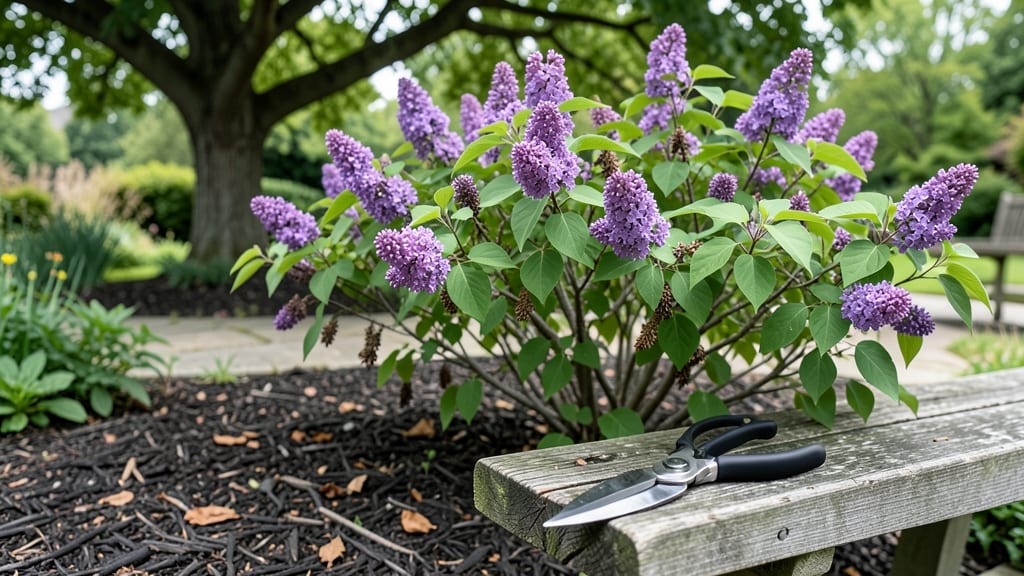
Pruning a lilac tree in late winter unlocks next year’s showstopping blooms—the right cuts now mean clusters of fragrant purple, white, or pink flowers by May. I’ve pruned mine for five years, and every time I skip it, the blooms get sparser and the branches get leggy.
The key is cutting back one-third of the oldest wood each year, but timing and technique matter just as much as the shears.
You’ll need sharp pruning shears, rubbing alcohol (to sterilize cuts), and gloves—lilacs bleed sap when cut, which can stain clothes. The best time is February or March, right after the worst cold snaps but before buds swell.
This timing ensures new growth starts fresh, and you avoid pruning off next year’s flowers, which form on last year’s wood. Most lilacs bloom on second-year wood, so patience is key.
After pruning, your tree will reward you with thicker, bushier growth and more abundant blooms by late spring. The flowers will smell sweeter too—lilacs release their fragrance most intensely when they’re healthy and well-pruned.
Just avoid cutting into the pith (the white center of the stem), as that slows healing. A quick wipe of rubbing alcohol on your shears between cuts keeps diseases from spreading.
This method works for common lilacs (Syringa vulgaris) and their cultivars, but dwarf varieties need lighter cuts. Whether you’ve got a mature lilac or a young one, late-winter pruning sets the stage for a showier, healthier tree every year. Ready to transform those scraggly branches into a fragrant, blooming masterpiece?
📚 In This Guide
- What you need
- Instructions
- Tips and common mistakes
- Wrapping up and next steps
What you need
- ● Pruning shears – Sharp, bypass-style shears (4–6" blades) for clean cuts on small stems.
- ● Loppers – Bypass or anvil-style (8–10" blades) for thicker branches (½"–1.5" diameter). Must be sterilized (rubbing alcohol or bleach solution) to prevent disease spread.
- ● Pruning saw – Curved-tooth or folding saw for branches thicker than 1.5". Look for a 7–10" blade with a comfortable grip.
- ● Gloves – Heavy-duty, cut-resistant gloves (e.g., leather or reinforced fabric) to protect hands from thorns and rough bark.
- ○ Disposable pruning sealant – Optional but helpful for large cuts (2"+) to prevent disease entry (e.g., Tree Seal or pruning wax).
- ● Ladder or step stool – If your lilac is over 6 feet tall, use a stable, non-slip ladder (e.g., aluminum extension ladder or foldable step stool).
- ● Trash bags or bucket – For collecting pruned branches (2–3 large bags or a 5-gallon bucket).
- ● Gardening twine or zip ties – To temporarily secure large branches if needed during pruning.
- ● Hand sanitizer or wipes – For cleaning hands between cuts if working with diseased wood.
- ● Marking spray or chalk – To tag branches for removal if you’re unsure about cuts.
- ● Safety glasses – Protects eyes from debris, especially when using a pruning saw.
- ● Knee pads – If you’re working on the ground or in a low-light setting.
- ● Notebook & pen – To sketch a quick map of your lilac’s structure before pruning.
Step-by-step guide for pruning a lilac tree
Late winter is the ideal time to shape your lilac for next year’s showstopping blooms.
Gather Your Tools and Assess the Tree
Start by collecting clean, sharp pruning shears for cuts up to ½-inch thick, and loppers for thicker branches. A small pruning saw may be needed for any stubborn, woody stems. Disinfect your tools with rubbing alcohol to prevent spreading disease between cuts.
Examine the tree’s structure, focusing on the oldest stems first. Lilacs bloom on second-year wood, so prioritize removing branches that have already flowered—they won’t produce blooms again. Look for dead, crossing, or crowded branches to thin out. These are your first targets.
Remove Dead, Weak, or Crowded Branches
Cut out any dead or diseased branches at their base, making clean cuts just outside the branch collar. This prevents unsightly stubs and promotes faster healing. For crossing branches, remove the smaller one to improve airflow and reduce disease risk.
Thin out crowded branches by selecting the strongest, most upright stems to keep. Aim for an open center that allows sunlight and air to reach all parts of the tree. Avoid over-thinning—lilacs need a balanced structure to support their heavy blooms.
Shape the Tree and Encourage New Growth
Now focus on shaping the tree by shortening last year’s growth by ⅓ to ½ of its length. Cut just above an outward-facing bud to encourage new growth that will bloom next season. Avoid cutting into old wood unless you’re rejuvenating a very mature tree.
Step back frequently to check the tree’s overall shape. Lilacs naturally grow in a rounded form, so avoid aggressive heading back unless you’re dealing with an overgrown specimen. The goal is to maintain a natural, balanced silhouette while stimulating fresh blooms.
Clean Up and Monitor Recovery
After pruning, rake up and dispose of all clippings to reduce the risk of fungal diseases. Water the tree deeply to help it recover, especially if the winter was particularly dry. Mulch around the base with 2-3 inches of organic mulch to retain moisture and protect roots.
Keep an eye on the tree in early spring as new growth emerges. Healthy lilacs will show vibrant green shoots within a few weeks. If you notice any signs of stress, like wilting or discolored leaves, adjust your care routine—lilacs are hardy but appreciate consistent moisture and well-draining soil.
Tips & tricks for pruning a lilac tree
Late-winter pruning transforms your lilac into next year's floral superstar—but a few key insights will make all the difference.
Tool Prep Matters: The ½-inch thickness limit for pruning shears isn't arbitrary—it's about making clean cuts that heal properly. I always disinfect my tools between cuts with rubbing alcohol, especially when dealing with multiple branches. This simple step prevents disease spread better than any fungicide. For stubborn branches, use a small pruning saw, but make sure it's sharp to avoid tearing the bark.
Second-Year Wood Strategy: Remember, lilacs bloom on second-year wood, so those branches that flowered last year are your first targets for removal. Look for branches that have already produced blooms—they won't flower again, and removing them actually encourages stronger growth on newer wood. This is why Step 1's focus on oldest stems is critical: you're not just cleaning up, you're setting the stage for next year's show.
Shape with Purpose: When shortening last year's growth by ⅓ to ½ in Step 3, focus on creating an open vase shape. This allows sunlight to penetrate to the center where new growth will emerge. I like to visualize the tree's natural rounded form—cutting back too aggressively can lead to a sparse, leggy appearance. For mature trees needing rejuvenation, you can be more aggressive, but for most lilacs, gentle shaping works best.
Recovery Boost: After pruning, that 2-3 inches of organic mulch isn't just decorative—it's a protective barrier that retains moisture and regulates soil temperature. Water deeply immediately after pruning to help the tree recover, especially if winter was dry. The mulch also helps prevent weed competition that could stress your lilac during its recovery period.
Pro Tips for Prune A Lilac Tree
- Late-winter pruning transforms your lilac into next year's floral superstar—but a few key insights will make all the difference.
- Tool Prep Matters: The ½-inch thickness limit for pruning shears isn't arbitrary—it's about making clean cuts that heal properly.
- Second-Year Wood Strategy: Remember, lilacs bloom on second-year wood, so those branches that flowered last year are your first targets for removal.
Frequently asked questions
Got questions about pruning your lilac tree? You’re not alone! Here are some of the most common concerns—plus straightforward answers to keep your lilac thriving.
When is the absolute latest I can prune my lilac?
Lilacs must be pruned in late winter (just as buds swell but before leaves appear). If you miss this window, wait until after blooming—but expect smaller flowers next year. Never prune after mid-summer, or you risk stunted growth or no blooms at all!
Can I prune lilacs in fall instead of winter?
Fall pruning is a no-go for lilacs! Pruning too early stresses the tree, leaving it vulnerable to disease or winter dieback. If you must prune outside the late-winter window, opt for post-bloom cuts—but skip heavy shaping. Better to wait and do it right!
Why did my lilac stop blooming after pruning?
Lilacs bloom on old wood, so aggressive pruning (cutting back to bare wood) removes next year’s flower buds. Stick to 1/3 of the oldest stems per year, and avoid pruning any stems shorter than 6–12 inches. Patience pays off—blooms will return!
Do I need to sterilize my pruners between cuts?
Lilacs are prone to powdery mildew and bacterial blight. Wipe blades with rubbing alcohol or a 10% bleach-water mix between cuts, especially if your tree shows signs of disease. Clean tools = healthier lilacs!
What if my lilac is overgrown and looks like a monster?
Don’t panic! Overgrown lilacs can be gradually reshaped over 2–3 years. Each late-winter season, remove 1/3 of the oldest, thickest stems at the base. Avoid "rejuvenation pruning" (cutting everything back hard)—it’s a one-way ticket to no flowers for years.
Wrapping up and next steps
Pruning your lilac tree in late winter isn’t just about tidying up—it’s your secret to vibrant blooms next spring! With the right tools, timing, and technique, you’ll encourage healthier growth and stunning flowers.
Now that you’re armed with the know-how, there’s no better time to roll up your sleeves and give your lilac the care it deserves. 🌸
Ready to see the difference? Mark your calendar for late winter or early spring—your lilac’s future beauty starts with just a few well-placed cuts. Happy pruning!