
Trees
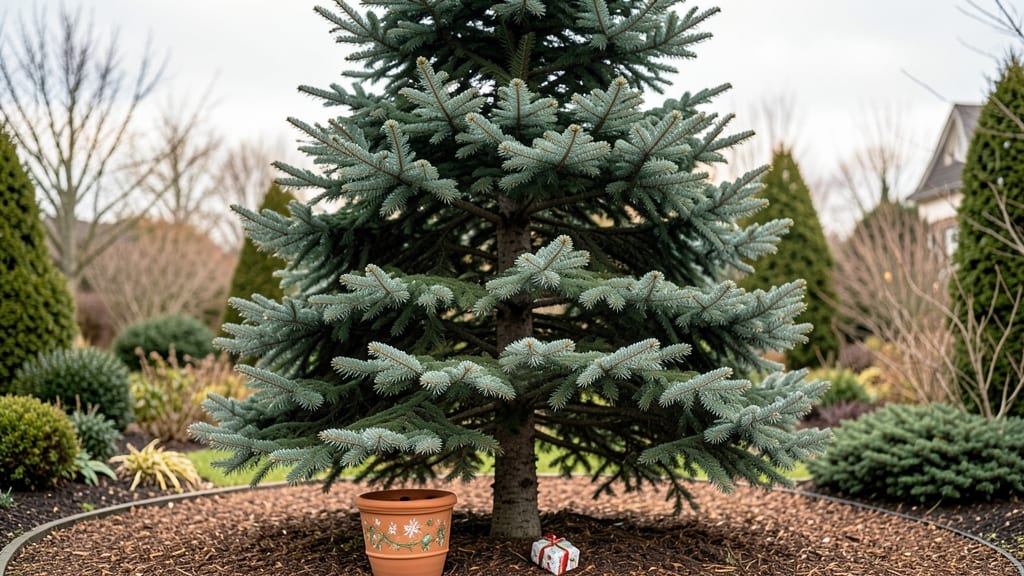
Bring your holiday spirit to life with these stunning live Xmas trees in pots—no yard required, just a sturdy container and a few simple steps. Live Christmas trees in pots bring that fresh pine scent indoors while giving you a tree you can enjoy for years, not just one December.
The secret lies in choosing the right container, soil, and light balance to keep needles vibrant through the season and beyond.
Most people treat potted trees like temporary decorations, but with proper care, they thrive for 10+ years. Start with a 5-gallon pot for small varieties like Fraser firs or Nordmanns, and upgrade as the tree grows.
The key is well-draining soil mixed with pine bark to mimic forest conditions—no soggy roots allowed. Place your tree near a bright window or under LED grow lights for 8–12 hours daily to prevent needle drop.
After the holidays, transition your tree outdoors gradually to avoid shock. Move it to a shaded spot for a week before full sun exposure, and water deeply when the top inch of soil feels dry.
With this approach, you’ll watch your tree grow taller each year, becoming a year-round centerpiece that outlasts any artificial alternative. The best part? No cleanup, no landfill waste—just pure holiday magic, pot-bound.
Even beginners can master this—just avoid these pitfalls: overwatering (root rot is silent), sudden temperature swings (like moving from 70°F indoors to freezing outdoors), and neglecting to prune lower branches to prevent pests.
Start small, and you’ll have a living tradition that grows with your family. Ready to make this your new holiday staple?
📚 In This Guide
- What you need
- Instructions
- Tips and common mistakes
- Wrapping up and next steps
What you need
- ● Live Christmas tree seedlings or small potted trees: Choose Norfolk pine, Fraser fir, or Scotch pine (3–6 ft tall, depending on your space). Buy 3–5 plants for variety!
- ● Large, durable pots: 15–20 gallon containers (with drainage holes) for each tree. Opt for fiberglass, ceramic, or heavy-duty plastic.
- ● High-quality potting mix: 1–2 bags (4–6 cu. ft. each) of well-draining, acidic soil (pH 4.5–6.0). Mix in 20% perlite or pine bark for aeration.
- ● Slow-release fertilizer: 1–2 lbs of balanced, acid-loving plant food (e.g., 10-10-10 or pine-specific formula).
- ○ Mulch (optional but helpful): 2–3 inches of pine bark or shredded leaves to retain moisture and mimic forest floor conditions.
- ● Garden trowel or shovel (for repotting).
- ● Pruning shears (sterilized with rubbing alcohol).
- ● Watering can with a rose attachment (for gentle, deep watering).
- ○ Tree support stakes (optional): 2–4 stakes per tree if your tree is tall or top-heavy.
- ● Decorative accents (fun!): Mini lights, ornaments, or a festive pot cover to hide soil while keeping the holiday spirit alive.
Step-by-step guide to growing live Christmas trees in containers
Transform your holiday decor into a year-round tradition with these expert techniques.
🌱 Step 1: Select the Right Tree Variety and Pot
Choose a dwarf or semi-dwarf variety like Fraser fir, Nordmann fir, or Colorado blue spruce—these adapt best to container life. A 5-7 gallon pot per tree gives roots enough room to establish without becoming root-bound. I recommend fabric grow bags for their excellent drainage and aeration, which prevent soggy roots that lead to disease.
Ensure the pot has multiple drainage holes—waterlogged roots will kill your tree in weeks. If using decorative pots, nest them inside a nursery pot with drainage holes to protect the tree's health. The container should be at least 12 inches deep to accommodate root growth while keeping the tree stable.
🪴 Step 2: Prepare the Soil and Planting Mix
Use a well-draining potting mix designed for acid-loving plants, like those formulated for rhododendrons or azaleas. I blend 50% peat moss or coconut coir, 30% pine bark fines, and 20% perlite for optimal drainage and aeration. This mix mimics the acidic, well-draining conditions these trees prefer in the wild.
Fill the pot one-third full with the mix, then place the tree in the center, ensuring the root flare (where the roots meet the trunk) sits just above the soil line. This prevents the roots from burying too deeply, which can suffocate the tree. Gently backfill with the remaining mix, pressing lightly to remove air pockets but not compacting the soil.
☀️ Step 3: Position for Light and Water Properly
Place your potted tree in a location with full sun to partial shade—at least 6 hours of direct sunlight daily. A south- or west-facing spot works best, but avoid harsh afternoon sun in hot climates, which can scorch needles. If indoors, position near a bright window or supplement with a grow light for 12-14 hours daily during winter.
Water deeply once a week, soaking the soil until water runs freely from the drainage holes. Let the top 1-2 inches of soil dry out between waterings—overwatering is the fastest way to kill a potted tree. Mulch the soil surface with 1 inch of pine bark mulch to retain moisture and regulate temperature, but keep it 2 inches away from the trunk to prevent rot.
✂️ Step 4: Prune and Maintain for Year-Round Health
Prune in late winter or early spring to shape the tree and encourage new growth. Remove dead, diseased, or crossing branches first, then trim back any leggy growth by one-third to maintain a full, balanced shape. Use clean, sharp pruners to make cuts just above a healthy bud or branch collar.
Fertilize twice a year—once in early spring and again in mid-summer—with a slow-release, acid-loving plant fertilizer. I use a 10-10-10 formula at half strength to avoid burning the roots. Avoid high-nitrogen fertilizers, which promote soft, weak growth prone to pests and disease. Monitor the tree for spider mites or aphids and treat promptly with neem oil if needed.
⏰ Step 5: Overwinter and Transition Seasonally
Before winter, move potted trees to a protected outdoor location if temperatures drop below 20°F. Wrap the pot in burlap or frost cloth and place it on a thick layer of straw or mulch to insulate roots. If keeping indoors, increase humidity with a pebble tray or room humidifier—dry air causes needle drop.
In early spring, transition the tree back to outdoor conditions gradually. Start by placing it in a shaded, sheltered spot for a few hours daily, then increase exposure over 1-2 weeks. This prevents transplant shock and needle loss. Repot every 2-3 years into a larger container to accommodate growth, refreshing the soil mix to maintain fertility.
Tips & tricks for perfect potted Christmas trees
Here's what I've learned after years of keeping live trees thriving in containers—these details make all the difference between a seasonal decoration and a year-round holiday staple.
Container Selection: Fabric grow bags are my go-to for drainage, but if you prefer decorative pots, choose ones with at least 12 inches of depth and nest them inside nursery pots with drainage holes. The extra insulation from double-walled containers helps regulate soil temperature, which is especially important during winter months when roots become more sensitive to cold. I've found that wider pots (up to 20 inches in diameter) give trees more stability and room to grow without becoming root-bound too quickly.
Soil Mix Secrets: The 50-30-20 blend of peat moss/coconut coir, pine bark fines, and perlite is non-negotiable for me—it mimics the natural forest floor conditions these trees evolved in. For even better results, add 1 cup of worm castings to the mix before planting. This boosts microbial activity without altering the soil's acidity, which is crucial for needle health. When backfilling, press the soil gently around the roots to eliminate air pockets, but avoid compacting it like you would with garden soil.
Lighting Strategy: The 6 hours of direct sunlight requirement can be tricky in urban settings. If your tree isn't getting enough natural light, supplement with a full-spectrum LED grow light placed 12-18 inches above the tree for 12-14 hours daily. I've seen dramatic improvements in needle color and growth when using this combination—especially for trees kept indoors during winter. For outdoor trees, rotate the pot quarter-turn weekly to ensure even light exposure all around.
Winter Care: When temperatures drop below 20°F, I don't just move the tree—I create a full insulation system. Wrap the pot in burlap, then place it on a pallet covered with 4-6 inches of straw. This creates an air gap that prevents rapid temperature fluctuations, which can cause root damage. For indoor trees, place the pot on a tray filled with pebbles and water to create humidity around the roots. I've kept trees alive through -10°F nights using this method, though most varieties can handle 20°F with proper protection.
Pro Tips for Live Xmas Trees In Pots
- Here's what I've learned after years of keeping live trees thriving in containers—these details make all the difference between a seasonal decoration and a year-round holiday staple.
- Container Selection: Fabric grow bags are my go-to for drainage, but if you prefer decorative pots, choose ones with at least 12 inches of depth and nest them inside nursery pots with drainage holes.
- Soil Mix Secrets: The 50-30-20 blend of peat moss/coconut coir, pine bark fines, and perlite is non-negotiable for me—it mimics the natural forest floor conditions these trees evolved in.
Frequently asked questions
Can I keep a potted Christmas tree indoors year-round, or should I move it outside?
A potted Christmas tree can live indoors for months, but it’s best to rotate it outside during warmer seasons (spring/summer) for fresh air and sunlight. If you keep it indoors year-round, watch for dry air (use a humidifier) and pest risks like spider mites. A balcony or patio works great for seasonal transitions!
How long can I realistically keep a potted Christmas tree alive after the holidays?
With proper care, your tree can thrive for several years—even decades! The key is consistent watering, pruning (trim brown tips), and fertilizing in growing seasons. Many nurseries sell "live Christmas trees" specifically bred for potted life. Just avoid letting the soil dry out completely!
Are potted Christmas trees more expensive than cut trees, and is it worth the investment?
Yes, potted trees cost more upfront (typically $50–$150+), but they pay off over time. Cut trees are a one-time expense, while a potted tree becomes a heirloom. Plus, you save on annual tree purchases! Think of it as an investment in holiday tradition—and eco-friendly reuse.
What’s the best way to revive a drooping or brown-tipped potted Christmas tree?
First, check the soil—if it’s dry, water deeply until it drains from the bottom. Trim dead branches with clean scissors. For brown needles, it might be low humidity (mist the tree or use a pebble tray). If the tree is severely stressed, move it to a cooler, shaded spot for recovery.
Can I decorate a potted Christmas tree the same way as a cut tree?
Potted trees handle ornaments, lights, and tinsel just like cut trees—but with a few tweaks. Use clip-on lights (avoid nails that damage bark) and lightweight decorations. Skip heavy snow machines (they can harm branches). Pro tip: Rotate decorations yearly to prevent branch stress!
How do I protect my potted tree from winter freezes if I live in a cold climate?
Move your tree to a garage, shed, or insulated porch before frost. If outdoors, wrap the pot in bubble wrap and cover the top with a breathable frost cloth. Avoid heavy mulch on the pot—it can trap moisture and cause rot. Check soil moisture monthly even in winter!
Wrapping up and next steps
Bringing the magic of live Christmas trees into your home—without the yard—is easier than ever with potted options! 🌲 Whether you’re drawn to the convenience of a pre-potted tree, the charm of a dwarf variety, or the eco-friendly appeal of reusable planters, these trees let you enjoy festive greenery year-round.
Plus, with proper care, they’ll thrive well beyond the holidays, gifting you with seasonal joy and a touch of nature indoors.
Ready to transform your space? Start by choosing your tree—whether it’s a fragrant pine, a compact fir, or a vibrant spruce—and pick a pot that matches your style.
Then, follow the care tips to keep it lush and happy. Why wait for December? Bring home your potted Christmas tree today and make every season feel like the holidays! 🎄✨