Container Gardens
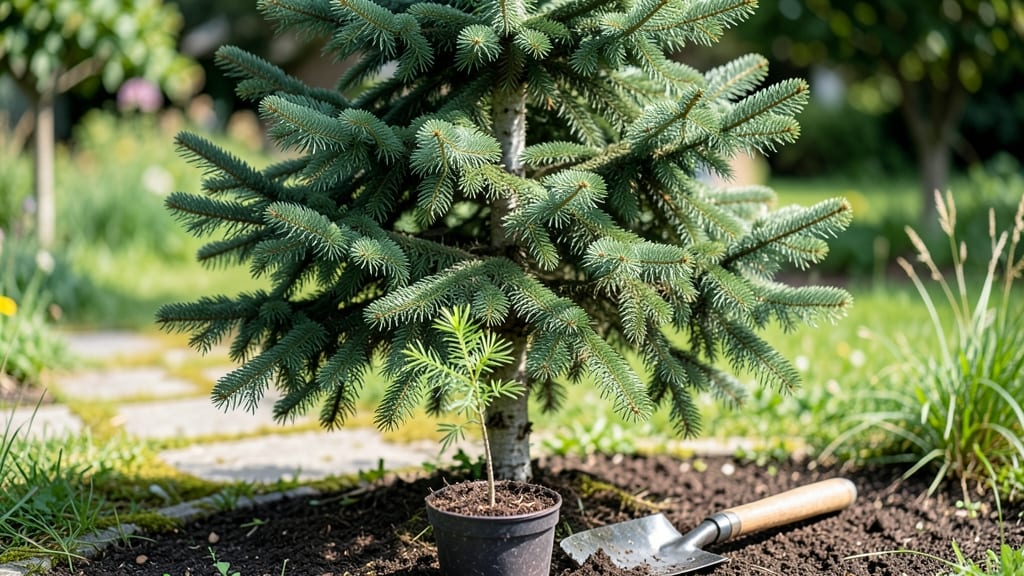
Growing a Xmas tree from seed or sapling lets you nurture a fragrant, festive evergreen that becomes a cherished tradition—just like the Norfolk Island pine or Fraser fir thriving in your yard. ✨ The secret? and care it needs to thrive, whether indoors or out.
You’ll need well-draining soil, a container at least 12 inches deep, and a spot with 4-6 hours of sunlight daily. Watering is simple: keep the soil moist but never soggy, and fertilize lightly in spring and summer.
The first year is about establishing roots, so be patient—your tree will reward you with lush, fragrant needles and a sturdy shape.
By year three, you’ll have a 6-foot tree with dense branches perfect for holiday decorating. The best part? You can move it indoors for the season and bring it back outside afterward, giving it a second life as a living ornament.
Just avoid heavy pruning—focus on shaping as it grows to keep it strong.
This method works for apartments, patios, or sunny backyards. Whether you start from seed (which takes years) or a sapling (faster results), the magic is in watching it grow into something truly special. Ready to get started?
📚 In This Guide
- What you need
- Instructions
- Tips and common mistakes
- Wrapping up and next steps
What you need
- ● Container: A large, sturdy pot (at least 18–24 inches deep and 12–18 inches wide) with drainage holes. Terracotta or plastic works best.
- ● Drainage Layer: 2–3 inches of gravel or broken pottery to prevent root rot.
- ● Potting Soil: A high-quality, well-draining mix (e.g., 50% peat moss, 30% perlite, 20% sand). 10–15 gallons per container.
- ● Evergreen Seedling: Choose a slow-growing, container-friendly variety like Norway Spruce, Colorado Blue Spruce, or Dwarf Alberta Spruce (age 3–5 years for best results).
- ● Fertilizer: A slow-release, acid-loving plant fertilizer (e.g., 14-14-14 or 10-10-10 NPK).
- ● Mulch: 2–3 inches of pine bark or wood chips to retain moisture and regulate temperature.
- ● Garden Gloves (to protect your hands from prickly branches).
- ● Trowel or Spade (for planting and soil adjustments).
- ● Watering Can or Hose with Nozzle (for gentle, deep watering).
- ● Pruning Shears (to shape and maintain your tree).
- ● Tree Stake or Support (if your tree is tall and top-heavy).
- ○ Decorative Accents (Optional): Miniature lights or ornaments (for festive flair!).
- ● A tree skirt or container liner to hide soil and add holiday charm.
- ● Sunlight: 6+ hours of direct sun daily (or partial shade for delicate varieties).
- ● Climate: Hardy to USDA Zones 3–7 (adjust care for warmer climates).
- ● Patience: Container trees grow slower—plan for 3–5 years to reach ideal size!
Step-by-Step instructions for cultivating containerized Christmas trees
Here's how to grow a lush, year-round evergreen centerpiece that thrives in pots.
🌱 Step 1: Select the Right Evergreen Variety and Container
Choose a dwarf evergreen like Dwarf Alberta Spruce or Miniature Blue Spruce—these stay compact enough for containers while keeping that classic Christmas tree shape. The container must have drainage holes and be at least 12 inches deep to accommodate root growth over years.
I always opt for terra cotta pots because they breathe better than plastic, helping prevent root rot. Fill the bottom 3 inches with orchid bark or gravel for drainage—this layer is non-negotiable. The extra depth keeps roots from circling and becoming root-bound, which stunts growth.
🪴 Step 2: Prepare the Growing Medium and Plant
Mix 50% peat-based potting soil with 30% perlite and 20% pine bark fines for the perfect airy blend. Evergreens hate soggy roots, so this mix prevents compaction while holding enough moisture. Fill the pot to 2 inches below the rim, leaving room for watering.
Remove the young tree from its nursery pot and gently loosen the roots with your fingers—don't pull or tear them. Place the plant in the center of the container, then backfill with your mix, pressing lightly around the edges. Water immediately until it drains freely from the bottom holes. This first watering settles the soil and eliminates air pockets.
☀️ Step 3: Position for Year-Round Success
Evergreens need full sun (6+ hours daily) to maintain vibrant color, but they also tolerate partial shade. In summer, place them in morning sun with afternoon shade to prevent leaf scorch. During winter, move them to a sheltered spot if temperatures drop below 15°F—most dwarf varieties can handle light frost, but prolonged cold causes browning.
Rotate the pot a quarter turn weekly so the tree grows evenly. You'll notice one side leaning toward the light? That's your cue to adjust. Evergreens grow slowly, so consistency in light exposure is key to keeping that symmetrical, tree-like shape.
💧 Step 4: Water and Fertilize for Long-Term Health
Water when the top 2 inches of soil feel dry—stick your finger in to check. Evergreens are drought-tolerant but won't recover from prolonged dryness. In summer, this might mean watering every 3-4 days, while winter watering drops to once every 10-14 days as growth slows.
Feed with a balanced 10-10-10 fertilizer every 6 weeks during growing season (spring-fall). Cut back to monthly in winter. I always water first, then apply fertilizer to the soil surface—never on the needles, as this causes burning. You'll see new growth in spring as your reward for consistent care.
✂️ Step 5: Prune and Maintain for Shape
Prune in late winter or early spring before new growth begins. Use clean, sharp shears to trim back any leggy growth or misplaced branches. Cut just above a bud or branch junction to encourage bushier growth. Never remove more than 1/3 of the tree's foliage in one session—this stresses the plant.
Remove any brown or dead branches immediately to prevent disease. Shape the tree by pinching back the tips of new growth to encourage branching. With time, you'll develop that classic triangular form. I prune mine every 2-3 years to keep it looking intentional and full.
Tips & tricks for perfect containerized Christmas trees
Real talk: Growing a year-round evergreen isn't just about planting—it's about creating the ideal environment. Here's what I've learned after years of keeping these trees thriving.
Drainage is Everything: That 3-inch layer of orchid bark or gravel in Step 1 isn't just recommended—it's essential. I've seen roots rot when people skip this, even with drainage holes. Pro tip: If your pot doesn't have holes, drill them yourself or use a cache pot with drainage. Evergreens will forgive many mistakes, but soggy roots won't.
The Soil Mix Matters More Than You Think: That 50-30-20 blend in Step 2 creates the perfect balance. Too much peat compacts over time, while too much perlite drains too quickly. I've started adding 1 cup of worm castings to the mix for extra nutrients—it's optional but makes a noticeable difference in growth. The key is that airy texture that prevents compaction.
Sunlight Strategy for Year-Round Success: The 6+ hours of sun in Step 3 is non-negotiable for vibrant color, but here's the secret: In summer, I move my trees to morning sun only. The afternoon sun through windows can scorch needles, especially on south-facing sides. For winter care, if you're in a zone below 15°F, bring your tree indoors near a bright window—just watch for spider mites that love dry indoor air.
Pruning Like a Pro: That 1/3 rule in Step 5 is critical—evergreens store nutrients in their needles, and removing too much stresses the plant. I've made the mistake of over-pruning and ended up with sparse trees. Always prune just above a bud or branch junction, and never cut into old wood. For shaping, I use the "thirds method": divide the tree into thirds and prune the outer thirds first to maintain that classic pyramid shape.
Pro Tips for Growing A Xmas Tree
- Real talk: Growing a year-round evergreen isn't just about planting—it's about creating the ideal environment.
- Drainage is Everything: That 3-inch layer of orchid bark or gravel in Step 1 isn't just recommended—it's essential.
- The Soil Mix Matters More Than You Think: That 50-30-20 blend in Step 2 creates the perfect balance.
Frequently asked questions
Got questions about growing your own festive evergreen? Here are some of the most common queries—and answers—to help you cultivate the perfect container-grown Christmas tree!
How long does it take for a Christmas tree to grow in a container?
A container-grown Christmas tree typically takes 3–5 years to reach holiday-ready height (6–8 feet). Dwarf varieties like Norway spruce or Colorado blue spruce may mature faster (2–3 years), while larger species like Douglas fir need more time. Patience pays off—your tree will thank you with lush, fragrant foliage!
When is the best time to plant a Christmas tree in a container?
Plant in early spring (March–April) or early fall (September–October) for the best results. Avoid extreme heat or frost, which can stress young roots. If repotting, do it in spring before new growth begins. Pro tip: Water thoroughly after planting to help roots settle!
What’s the best container size for a Christmas tree?
Start with a 5–7 gallon container for saplings, then upgrade to 10–15 gallons as the tree grows. Ensure it has drainage holes to prevent root rot. Deeper containers (18+ inches) support taller varieties better. Tip: Use lightweight materials like fabric grow bags for easy moving during the holidays!
Can I grow a Christmas tree indoors year-round?
Most evergreens thrive outdoors, but you can keep them indoors temporarily (e.g., during holidays) with bright, indirect light and humidity control (mist leaves or use a pebble tray). Avoid drafts and heat sources. For long-term indoor growth, choose dwarf conifers like Dwarf Alberta spruce—they adapt better to low light.
Why are my tree’s needles turning brown?
Brown needles usually mean drought stress, overwatering, or pests (like spider mites). Check soil moisture—water deeply but infrequently (let the top 2 inches dry out). For pests, spray with neem oil or insecticidal soap. Tip: Mulch around the base to retain moisture and reduce stress!
What’s the easiest Christmas tree to grow in a container?
For beginners, try Norway spruce (Picea abies) or Dwarf Alberta spruce (Picea glauca 'Conica'). Both are hardy, slow-growing, and tolerate container life well. Colorado blue spruce is another great pick—just ensure it gets full sun (6+ hours daily) for vibrant needles.
Wrapping up and next steps
Growing your own Christmas tree in a container isn’t just possible—it’s a rewarding way to bring holiday cheer year-round! 🌲 With the right evergreen variety, proper care, and a little patience, you’ll enjoy a lush, fragrant tree that becomes a cherished tradition.
Whether you’re a beginner or a seasoned gardener, this project is a fun and festive way to connect with nature.
Ready to get started? Pick your tree, gather your supplies, and begin your journey today! Your future holiday centerpiece is just a few steps—and a lot of love—away. 🎄✨