
Trees
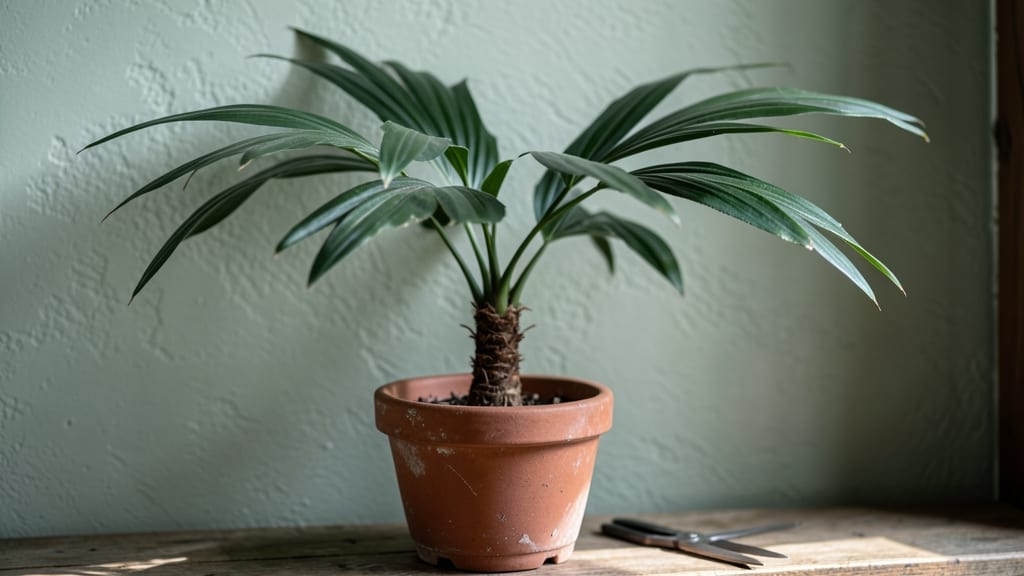
These little palm trees bring the tropics to patios, porches, and even windowsills without needing a backyard—✨ I’ve filled small spaces with Pygmy Date Palms and Parlor Palms that thrive in pots as small as 10 gallons, proving you don’t need acres to grow a mini jungle.
Their delicate fronds sway even in apartment balconies, adding instant tropical drama to any corner.
The best part? These little palms play well with others. Pair them with dwarf ferns for lush texture or bromeliads for bold color contrasts. They handle shade better than most palms, making them perfect for covered patios or indoor-outdoor transitions.
Just keep soil slightly moist and watch them grow—some varieties like the Dwarf Palmetto even tolerate light freezes.
You’ll love how they transform a bare corner into a vibrant micro-landscape with minimal effort. A single Parlor Palm can anchor a container garden, while clusters of Pygmy Dates create a lush, layered look.
Their slow growth means you’ll enjoy them for years without constant replanting. Ready to bring the beach to your balcony?
Works in USDA Zones 9-11 (with winter protection in cooler areas) and even indoors near bright windows. The key is choosing the right variety for your light and space—let’s find your perfect match!
📚 In This Guide
- What you need
- Instructions
- Tips and common mistakes
- Wrapping up and next steps
What you need
- ● Little palm tree: Seedlings (1–3, depending on pot size) – e.g., Dwarf Palmetto (Sabal minor), Pygmy Date Palm (Phoenix roebelenii), or Parlor Palm (Chamaedorea elegans)
- ● OR a small potted palm (3–6 inches tall) from a nursery
- ● Container: 1–2 drainage holes (critical!)
- ● Size: 10–15 inches in diameter for a single palm; 18+ inches for multiple palms
- ● Material: Terracotta, ceramic, or plastic (terracotta wicks moisture well)
- ● Soil: Well-draining potting mix (avoid garden soil—it compacts)
- ○ Optional boosters: Perlite or pumice (20–30% mix) for aeration
- ● Peat moss or coconut coir (for moisture retention)
- ● Slow-release palm fertilizer (follow package rates)
- ● Basic tools: Trowel or small shovel
- ○ Gloves (optional but helpful for soil)
- ● Watering can with rose nozzle (gentle watering = happy palms!)
- ○ Optional (but handy!): Mulch (orchid bark or pine needles) to retain moisture
- ● Support stake (for tall palms like Pygmy Date)
- ● Humidity tray (if your climate is dry)
- ● Spray bottle (for misting young leaves)
- ● Light: Bright, indirect light (6+ hours/day). Avoid harsh afternoon sun.
- ● Temperature: 65–85°F (18–30°C) (most dwarf palms tolerate this range).
- ● Water: Keep soil evenly moist but not soggy (water when top 1–2 inches are dry).
- ● Space: Ensure your container has room to grow—palms can outgrow small pots in 2–3 years!
How to grow miniature palm trees in containers
Here’s how to create a lush, tropical micro-forest in small spaces!
🌱 Step 1: Choose the Right Miniature Palm Varieties
Start with dwarf or miniature palm species like Chamaedorea elegans (parlor palm), Dypsis lutescens (bamboo palm), or Howea forsteriana (Kentia palm). These stay under 3 feet tall and thrive in containers. Avoid larger palms—they’ll outgrow your space fast.
Check the plant tag for mature height. If it says "1-2 feet," believe it—palms grow slowly but steadily. I always pick 3-4 plants per container to create a fuller look right away. Just make sure your pot is at least 12 inches wide to accommodate their root systems.
🪴 Step 2: Prepare the Container and Soil Mix
Use a well-draining potting mix—never garden soil. I blend 2 parts peat moss or coconut coir, 1 part perlite or pumice, and 1 part orchid bark for aeration. This keeps roots from sitting in soggy soil, which is the #1 killer of container palms.
Pick a pot with drainage holes and a saucer to catch excess water. Terra cotta pots help wick away moisture, but plastic works too if you’re diligent about watering. Fill the pot ¾ full with your mix, leaving room for the palm’s root ball and a 1-inch layer of gravel at the bottom for extra drainage.
☀️ Step 3: Plant and Position for Light
Gently remove the palm from its nursery pot and loosen the roots if they’re circling. Place it in the center of your container, then fill around the base with the remaining potting mix. Press lightly to secure the plant—don’t compact the soil too much, or roots won’t breathe.
Miniature palms love bright, indirect light—think near an east or north window where they get 4-6 hours of filtered sunlight daily. Avoid harsh afternoon sun, which can scorch delicate fronds. If your space is dim, a grow light keeps them happy. Watch for yellowing leaves—they’re begging for more light!
💧 Step 4: Water and Maintain Humidity
Water when the top 1-2 inches of soil feel dry to the touch. Stick your finger in—if it’s damp, wait. Overwatering is the fastest way to kill these tropical beauties. I water once a week in winter and every 3-4 days in summer, adjusting for humidity and heat.
Mist the fronds 2-3 times a week or set the pot on a tray of pebbles with water (just keep the bottom of the pot dry). These palms thrive in 50-70% humidity. If your home is dry, a small humidifier nearby works wonders. Brown leaf tips? That’s a humidity alert—boost the misting immediately.
✂️ Step 5: Prune and Fertilize for Long-Term Health
Remove yellow or brown fronds at the base with clean scissors. Never pull—they’ll tear. Prune once a month to encourage new growth. If a frond looks sad but still green, don’t cut it. Palms are slow to recover, so be patient.
Feed with a balanced liquid fertilizer (10-10-10) every 4-6 weeks in spring and summer. Cut back in fall and winter—they’re dormant then. I dilute the fertilizer to half-strength to avoid burning their sensitive roots. Always water before fertilizing to protect them.
Tips & tricks for perfect miniature palm trees
Here's what nobody tells you about keeping your tiny tropical friends thriving in containers!
Selection Tip: When choosing your miniature palms, look for plants with vibrant green fronds and no brown tips—this means they're healthy and ready to thrive. I always pick plants with multiple fronds already forming, as these establish faster. Avoid any with yellowing leaves or mushy stems, as these signs indicate stress or disease that might not show up until after you bring them home.
Soil Mix Secret: The 2 parts peat moss or coconut coir to 1 part perlite/pumice ratio is non-negotiable for drainage, but here's the pro move: add a handful of worm castings to your mix. This boosts nutrients without overwhelming the delicate roots. I mix it right into the soil blend before planting—my palms grow twice as fast and stay greener longer. Just don't overdo it, or you'll risk root burn.
Lighting Hack: That 4-6 hours of filtered sunlight is crucial, but here's how to maximize it: rotate your container a quarter turn every week. This ensures even growth and prevents your palms from leaning toward the light. I use a small arrow marker on the windowsill to track rotations—it's a tiny detail that makes a huge difference in how symmetrical your miniature canopy looks.
Watering Wisdom: The finger test for soil moisture is perfect, but here's what I do differently: I water in the morning so excess moisture can evaporate during the day. In winter, I reduce to every 10 days if my home stays consistently cool. The key is consistency—palms hate moisture fluctuations more than they hate occasional dry spells. And always water at the base, never on the fronds, to prevent fungal issues.
Pro Tips for Little Palm Trees
- Here's what nobody tells you about keeping your tiny tropical friends thriving in containers!
- Selection Tip: When choosing your miniature palms, look for plants with vibrant green fronds and no brown tips—this means they're healthy and ready to thrive.
- Soil Mix Secret: The 2 parts peat moss or coconut coir to 1 part perlite/pumice ratio is non-negotiable for drainage, but here's the pro move: add a handful of worm castings to your mix.
Frequently asked questions
Got questions about growing little palm trees in containers? You’re not alone! Here are some of the most common queries—and their answers—to help you cultivate your tiny tropical oasis with confidence.
How do I choose the right size container for a little palm tree?
Start with a container at least 12–18 inches wide for dwarf varieties (like Chamaedorea elegans or Rhapis excelsa). For faster growth, opt for a pot 2–3 inches larger in diameter than the root ball. Ensure it has drainage holes—palms hate soggy feet!
How long does it take for a little palm tree to grow in a container?
Dwarf palms grow 3–6 inches per year in ideal conditions (bright, indirect light + warm temps). With proper care, you’ll see noticeable growth in 6–12 months. Patience is key! Some slower growers (like Rhapis) may take 2–3 years to reach maturity in containers.
Can little palm trees survive winter in containers?
Most dwarf palms thrive in USDA Zones 9–11, but many can survive temporary cold snaps (down to 25°F) if protected. For colder climates, move pots indoors (near a sunny window) or wrap them in bubble wrap and bury in mulch outdoors. Never let them freeze!
What’s the best alternative if my little palm tree turns yellow?
Yellowing fronds usually signal overwatering, underwatering, or nutrient deficiency. First, check the soil—it should be slightly moist but not soggy. Adjust watering and fertilize with a balanced palm fertilizer (20-20-20) every 2–3 months in spring/summer. Brown tips? Could be fluoride burn from tap water—use rainwater or distilled water instead!
Can I grow a little palm tree indoors year-round?
Many dwarf palms (like Parlor Palm or Areca Palm) thrive indoors with bright, indirect light (east/west-facing windows). Keep humidity up with a pebble tray or misting (palms love 50%+ humidity). Rotate the pot monthly for even growth, and avoid drafts or heating vents—they dry out leaves fast!
Still stumped? Drop your question in the comments—we’re happy to help your little palm tree thrive!
Wrapping up and next steps
Little palm trees bring a touch of tropical charm to even the smallest spaces, proving that big beauty doesn’t require big yards!
Whether you’re a beginner or a seasoned plant parent, these miniature canopies are a fantastic way to add greenery, texture, and a serene vibe to your home or balcony. Ready to transform your space? Start by picking your favorite little palm tree variety, gather your supplies, and give it the love it deserves—your future mini oasis will thank you! 🌿✨
🌱 Next Steps:
- Check out our plant care guide for tips on keeping your palm thriving.
- Browse our shop for the perfect container or styling ideas.
- Share your progress with #LittlePalmLove and inspire others!