
Trees
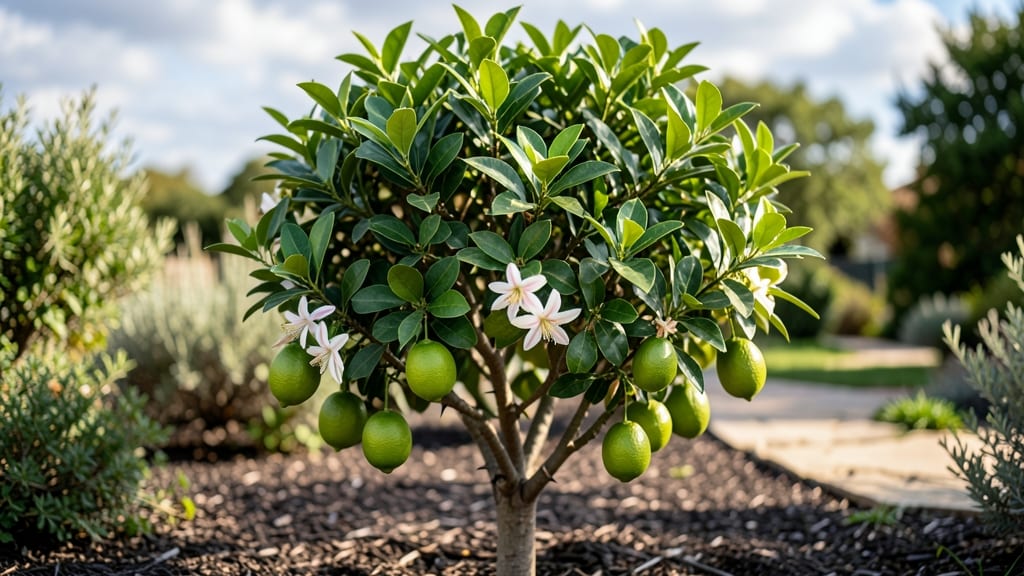
Growing lime trees in the Pacific Northwest feels like cheating the system—tropical fruit promise where frost usually wins. 🌱 I've wrestled with these finicky trees for years, and here's how I finally got them to thrive in our chilly zone.
The key isn't just warmth; it's protecting them from what they can't handle.
Start with a dwarf variety like 'Meyer' or 'Bearss'—they're tougher than standard limes and still produce fruit. You'll need a large container (at least 15 gallons) or a sheltered microclimate spot where temps rarely dip below 20°F.
The soil mix matters too: equal parts potting soil, perlite, and compost keeps roots happy without waterlogging.
By summer, you'll be harvesting bright green limes that taste sweeter than anything from the store. The trick is consistent watering—deep but infrequent—and moving pots indoors before the first frost. Even in our damp climate, these trees reward patience with 10-20 limes per season once established.
Container growing works best for PNW gardeners, but if you have a sunny, sheltered yard spot, try it there. Just be ready to wrap young trees in frost cloth when temps drop. The payoff? Fresh limes in winter smoothies when everyone else is stuck with store-bought.
📚 In This Guide
- What you need
- Instructions
- Tips and common mistakes
- Wrapping up and next steps
What you need
- ● Lime tree seedlings or saplings: Choose cold-hardy varieties like Citrus × aurantifolia (Key Lime) or Citrus × latifolia (Persian Lime). Buy from a reputable nursery (3–5 plants for optimal cross-pollination).
- ● Large containers (15–20 gallons each): Use well-draining pots with drainage holes if planting in containers. Opt for fabric grow bags for better root aeration.
- ● High-quality potting mix: A blend of 50% peat moss or coconut coir, 30% perlite or pumice, and 20% compost. Avoid garden soil—lime trees hate soggy roots!
- ● Slow-release citrus fertilizer: Look for a balanced formula (e.g., 6-6-6 or 10-10-10) with micronutrients like iron and zinc. Start with 1–2 tbsp per plant at planting.
- ● Mulch: 2–3 inches of organic mulch (e.g., straw or wood chips) to retain moisture and regulate soil temperature.
- ● Drip irrigation system or soaker hoses: Lime trees thrive on consistent moisture—aim for 1–1.5 inches of water per week.
- ● Pruning shears or bypass pruners: Sterilize with rubbing alcohol to prevent disease.
- ● Garden trowel or transplant spade: For digging and repotting.
- ● pH test kit: Lime trees prefer slightly acidic soil (pH 6.0–7.0). Adjust with lime (to raise pH) or sulfur (to lower pH) if needed.
- ● Frost cloth or row covers: Essential for protecting young trees during PNW’s chilly winters (temperatures below 28°F can damage leaves).
- ● Gloves and long sleeves: Citrus sap can irritate skin—stay protected!
- ● Grow lights (LED or fluorescent): If starting seeds indoors, provide 12–14 hours of light daily.
- ● Citrus-specific fungicide: Like copper fungicide or neem oil to prevent mold in humid PNW climates.
- ● Tree stakes and ties: For young saplings in windy areas (common in coastal PNW).
- ● Humidifier or pebble tray: Boosts humidity around potted trees during dry indoor winters.
Step-by-step instructions for growing lime trees in cooler climates
Here's how to coax tropical limes to thrive where they shouldn't—using smart container choices and winter prep.
🪴 Step 1: Choose the Right Container and Soil Mix
Select a 5-gallon or larger pot with drainage holes—lime trees need room for their roots to spread. I like glazed ceramic or plastic containers because they retain moisture while allowing airflow. Avoid wood or untreated plastic, which can rot over time.
Fill the pot with a well-draining mix: equal parts potting soil, perlite, and compost. The perlite prevents soggy roots, while compost provides nutrients. Mix everything thoroughly before adding your lime tree. Tap the pot gently after filling to settle the soil without compacting it.
🌱 Step 2: Plant and Water for Initial Stability
Remove the lime tree from its nursery pot and loosen the roots if they're circling. Place it in the prepared container so the top of the root ball sits 1 inch below the rim—this allows for watering without overflow. Fill the gaps around the roots with your soil mix, pressing lightly to eliminate air pockets.
Water deeply until it drains from the bottom holes, then let the tree sit for 24 hours before moving it. This helps the roots establish without shock. If the soil feels dry to the touch after a day, water again—lime trees prefer consistently moist (not soggy) soil.
☀️ Step 3: Provide Year-Round Light and Temperature Control
Lime trees need full sun (6-8 hours daily) to fruit well. In the Pacific Northwest, place your container near a south-facing window or under grow lights during winter. If outdoors in summer, move it to a sheltered spot where it gets morning sun and afternoon shade to prevent leaf scorch.
During winter, keep your lime tree indoors where temperatures stay above 50°F. If nights drop below 40°F, move it to a garage or sunroom with supplemental heat. A space heater set to 55°F near the tree works well—just monitor humidity to avoid dry air.
✂️ Step 4: Prune and Fertilize for Healthy Growth
Prune in late winter to shape the tree and remove dead branches. Use sterilized pruning shears to make clean cuts just above a leaf node. This encourages new growth and prevents disease. I trim back about one-third of the new growth each year to maintain size and shape.
Fertilize every 4-6 weeks during growing season with a balanced citrus fertilizer (like 6-6-6). Reduce feeding in winter to once every 2 months. Over-fertilizing burns roots, so always water the tree first, then apply fertilizer to moist soil.
⏰ Step 5: Protect from Pests and Winter Chill
Watch for scale insects or spider mites, which love lime trees. Wipe leaves with a neem oil solution (1 tsp per quart of water) every 2 weeks as prevention. If pests appear, treat immediately—these bugs weaken trees and reduce fruit production.
Before winter, move your lime tree to a bright, cool indoor space (like a garage with a window). If you can't bring it inside, wrap the pot in bubble wrap and cover the tree with a frost cloth to protect it from freezing temperatures. Check weekly for signs of stress like yellowing leaves.
Tips & tricks for growing lime trees in cooler climates
Real talk: Growing lime trees where they shouldn't thrive takes patience and a few smart tricks. Here's what I've learned after keeping my own thriving lime tree in the Pacific Northwest for years.
Container Size Matters: That 5-gallon minimum isn't just a suggestion—it's critical for root development. I started with a 7-gallon pot and noticed my tree's growth rate doubled compared to neighbors using smaller containers. Lime trees have aggressive root systems that need room to spread, especially in cooler climates where growth naturally slows.
Soil Mix Secrets: The equal parts potting soil, perlite, and compost ratio works, but here's the upgrade: Add a handful of coarse sand to improve drainage further. I've found this helps prevent the root rot that can plague container-grown citrus in cooler, damp climates. The sand also mimics the well-draining conditions lime trees prefer in their native tropical environments.
Winter Survival Strategy: The 50°F minimum isn't just about keeping leaves—it's about protecting the tree's metabolic processes. I've had success using a small greenhouse tent over my tree during the coldest months, creating a microclimate that maintains consistent temperatures. This lets me keep it in a cooler garage space (around 45°F) while still protecting it from the 40°F threshold that causes stress.
Fertilizer Timing: Those 4-6 week intervals during growing season are perfect, but here's what nobody tells you: The first feeding should happen 6 weeks after planting, not immediately. The tree needs time to establish its root system before benefiting from extra nutrients. I've seen new trees burn their roots when fertilized too soon in cooler climates where decomposition happens more slowly.
Pro Tips for Lime Fruit Trees Growing
- Real talk: Growing lime trees where they shouldn't thrive takes patience and a few smart tricks.
- Container Size Matters: That 5-gallon minimum isn't just a suggestion—it's critical for root development.
- Soil Mix Secrets: The equal parts potting soil, perlite, and compost ratio works, but here's the upgrade: Add a handful of coarse sand to improve drainage further.
Frequently asked questions
Got questions about growing lime trees in your Pacific Northwest garden? You’re not alone—lime fruit trees can be tricky, especially in cooler climates! Here are answers to the most common concerns to help you thrive.
Can lime trees actually grow in the Pacific Northwest?
Yes! While limes thrive in tropical climates, hardy citrus varieties like ‘Meyer’ limes or dwarf types can survive in PNW zones 8–10 with protection. Use containers for mobility, or plant in sheltered microclimates (like south-facing walls) to extend the growing season. Learn more about microclimates.
How long does it take for a lime tree to bear fruit?
Patience is key! Dwarf lime trees may produce fruit in 2–3 years, while standard trees can take 5–7 years. Consistent care—like proper watering, fertilization, and winter protection—speeds up fruiting. Pro tip: Prune lightly in early spring to encourage growth!
What’s the best way to protect lime trees from PNW winters?
Cold snaps (below 20°F) can damage or kill lime trees. For container trees: move them indoors or wrap pots in insulation. For in-ground trees: mulch heavily, cover with frost cloth, and avoid overwatering. See a step-by-step winter prep guide.
Do lime trees need full sun, or can they grow in partial shade?
Lime trees crave sunlight—aim for 6–8 hours daily for best fruit production. In the PNW, partial shade (3–4 hours) might work, but expect smaller yields and slower growth. If shade is unavoidable, choose a sunny spot near a wall to maximize warmth.
Why aren’t my lime tree leaves turning green?
Yellow or pale leaves often signal nutrient deficiencies (like iron or nitrogen) or overwatering. Check soil pH (limes prefer 6.0–7.0), adjust fertilization, and ensure well-draining soil. Pro tip: Flush the soil occasionally to prevent salt buildup!
Are there lime tree alternatives for colder climates?
If limes seem too high-maintenance, try hardier citrus relatives like kumquats or calamondins, which tolerate slightly cooler temps. For non-citrus options, consider lemon verbena or loquat trees—both offer tropical vibes with less fuss!
Wrapping up and next steps
Growing lime fruit trees in the Pacific Northwest is absolutely doable with the right care and patience! 🌱 Whether you’re a seasoned gardener or just starting out, these tropical beauties can thrive in containers or greenhouses with proper sunlight, soil, and protection from frost.
The key takeaway? With dedication and a few smart tricks—like choosing cold-hardy varieties and mimicking their native climate—you’ll soon be harvesting juicy, fragrant limes right at home.
Ready to take the next step? Start by planting your lime tree this season and keep an eye on its progress. Before you know it, you’ll be sipping homemade limeade or gifting fresh limes to neighbors—because nothing beats the joy of homegrown fruit! 🍋✨