
Container Gardens
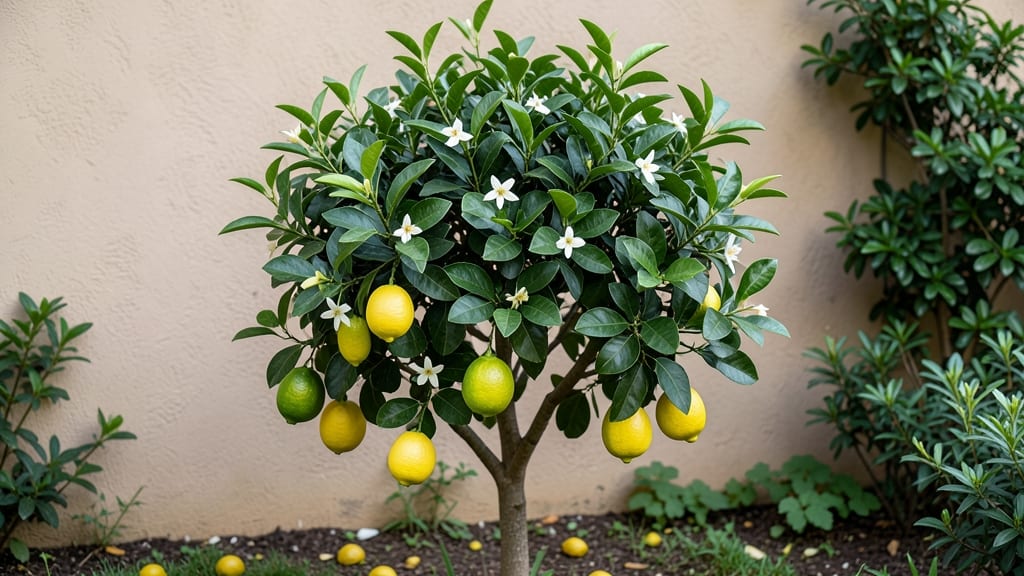
Transform your tiny apartment into a sunlit haven with a thriving lemon tree indoor plant—imagine plucking homegrown citrus in February, just like my Meyer lemon, which has been fruiting since Christmas and proves how simple the process can be. 🌱 you’d think.
Most people assume you need a greenhouse, but the right variety, light, and care can turn a sunny windowsill into a productive little orchard.
The secret isn’t complicated: dwarf varieties like Meyer lemons thrive in containers, needing just 6-8 hours of sunlight daily and pots with drainage. I use a mix of cactus soil and perlite to keep roots airy, and water only when the top inch feels dry.
Overwatering is the #1 killer—my first tree died from soggy soil in three weeks. The payoff? Tiny, sweet lemons by late winter, and fragrant blossoms that smell like a Mediterranean breeze.
You’ll start with a 4-inch pot and upgrade as the tree grows, pruning to keep it bushy and encouraging blooms with a gentle shake during flowering. Even without bees, hand-pollination works—just dab a paintbrush on each flower.
By year two, you’ll harvest dozens of lemons, perfect for cooking or gift-giving. The key is patience; it takes 2-3 years for full production, but the journey is worth it.
Works for any indoor space with enough light, from sunrooms to south-facing windows. Here’s how to set it up without the guesswork—no green thumb required.
📚 In This Guide
- What you need
- Instructions
- Tips and common mistakes
- Wrapping up and next steps
What you need
- ● Lemon tree plant: A healthy dwarf Meyer lemon tree (3–6 inches tall) from a nursery or online store (ensure it’s potted and disease-free).
- ● Pot: A container with drainage holes, 12–18 inches in diameter (terracotta or ceramic works best).
- ● Well-draining potting mix: A blend of cactus/succulent mix (50%), perlite or pumice (30%), and compost or worm castings (20%). Avoid garden soil!
- ● Drainage tray: A shallow tray or saucer to catch excess water.
- ● Watering can with a narrow spout: For precise watering (avoid overhead spraying).
- ● Fertilizer: A balanced citrus fertilizer (e.g., 6-6-6 or 10-10-10 NPK ratio) or organic options like fish emulsion or seaweed extract.
- ● Pruning shears: Sharp, clean shears (sterilize with rubbing alcohol).
- ○ Grow lights (optional but helpful): A full-spectrum LED grow light (12–16 hours/day) if natural light is limited.
- ● Humidity tray: A pebble tray with water to boost humidity (lemon trees love it!).
- ● Citrus food supplement: Epsom salt (magnesium sulfate) for leaf health (1 tsp per gallon of water, monthly).
- ● Support stake or trellis: For larger trees to encourage upward growth.
- ● Misting bottle: For occasional leaf misting (especially in dry climates).
- ● Soil moisture meter: To check root health without overwatering.
How to grow a thriving indoor lemon tree
Here's my foolproof method for nurturing a fragrant citrus tree indoors.
🪴 Step 1: Choose the Right Container and Soil
Start with a 12-15 inch diameter pot—this gives roots room to establish before pruning. I use a container with drainage holes and a saucer underneath to catch excess water. The soil mix is critical: combine 60% potting mix, 20% perlite, and 20% coarse sand for drainage. This blend prevents soggy roots while holding enough moisture for citrus trees.
Fill the pot halfway with your mix, then place the lemon tree at the same depth it was growing before. Press the soil gently around the roots to eliminate air pockets. The top inch should stay slightly below the pot's rim—this prevents water spills when you water. I always tap the pot lightly on the table after planting to settle everything evenly.
💧 Step 2: Water and Light Setup for First Growth
Water thoroughly until water runs freely from the drainage holes, then let the plant drain completely. Indoor lemon trees hate soggy roots, so I wait until the top 2-3 inches of soil feel dry before watering again. This usually takes about 7-10 days in winter and 5-7 days in summer.
Place your tree near a south-facing window where it gets 6-8 hours of direct sunlight daily. If your space lacks natural light, supplement with a grow light positioned 12-18 inches away for 12-14 hours per day. You'll know the light is right when new leaves emerge with vibrant green color—no yellowing or stretching toward the light.
☀️ Step 3: Maintain Ideal Conditions for Growth
Keep your lemon tree in a spot with 65-75°F temperatures during the day and no lower than 55°F at night. Avoid drafts from doors or windows, and keep it away from heat vents. I like to mist the leaves lightly once a week to boost humidity, especially in dry winter months when indoor air gets crisp.
Fertilize every 4-6 weeks during spring and summer with a balanced citrus fertilizer (10-10-10 or 8-3-9 ratio). Reduce feeding to every 8-12 weeks in fall and winter when growth slows. You'll see new growth as a signal to resume regular feeding—watch for fresh leaves emerging from the stem tips.
✂️ Step 4: Prune and Encourage Fruit Production
Prune in late winter or early spring before new growth begins. Cut back 1/3 of the longest branches to encourage bushier growth and more flowers. Always make cuts just above a leaf node or bud. I also remove any dead, diseased, or crossing branches to improve airflow and light penetration.
To encourage fruiting, pinch off any flowers that appear in the first year—the tree needs to focus on establishing roots and foliage. In year two, leave some flowers to develop into fruit, but don't overdo it. Too many lemons can overwhelm the plant. You'll see small green buds forming where flowers were pollinated—these will grow into your first homegrown lemons.
Tips & tricks for perfect indoor lemon tree growth
Here's what I learned the hard way after struggling with my first citrus plant.
Soil Mix Secret: That 60-20-20 soil blend isn't just about drainage—it mimics the Mediterranean conditions lemon trees love. The perlite and sand create air pockets that prevent root rot, while the potting mix holds enough moisture. I've found that adding a handful of worm castings to the mix gives your tree a natural nutrient boost right from planting. The key is mixing thoroughly before adding your tree.
Lighting Hack: When setting up your grow light, position it so the leaves don't touch the bulb—this prevents scorching. I've had success with LED grow lights that produce full-spectrum light, but even a basic fluorescent bulb works if positioned 12-18 inches away. Rotate your plant daily so all sides get even light exposure, which prevents lopsided growth. You'll notice new leaves emerging with vibrant green color when the light is right.
Temperature Watch: Those 65-75°F daytime temps are critical for photosynthesis. If your home gets particularly hot, move the tree away from heat sources—citrus trees can't handle temperatures above 85°F. I've noticed my tree thrives best when placed near a window with afternoon shade during summer months. At night, never let temperatures drop below 55°F, as cold drafts can shock the plant and cause leaf drop.
Pruning Insight: When you're pruning those 1/3 of longest branches, make your cuts at a 45-degree angle just above a leaf node. This encourages new growth from that node. I've found that pruning in late winter gives the tree time to recover before spring growth begins. Always sterilize your pruning shears with rubbing alcohol between cuts to prevent disease spread. The goal is to shape your tree while maintaining good airflow through the canopy.
Pro Tips for Lemon Tree Indoor Plant
- Here's what I learned the hard way after struggling with my first citrus plant.
- Soil Mix Secret: That 60-20-20 soil blend isn't just about drainage—it mimics the Mediterranean conditions lemon trees love.
- Lighting Hack: When setting up your grow light, position it so the leaves don't touch the bulb—this prevents scorching.
Frequently asked questions
Got questions about keeping a lemon tree thriving indoors?
Here are answers to the most common curiosities—from care tips to troubleshooting—so you can enjoy your fragrant citrus canopy with confidence!
How much sunlight does an indoor lemon tree need?
Lemon trees crave bright, indirect light (6–8 hours daily). Place it near a south- or west-facing window, or use a grow light 12–14 inches away if natural light is limited. Yellowing leaves? It’s likely not enough light—rotate the pot weekly for even growth!
How long does it take for an indoor lemon tree to bear fruit?
Patience is key! Dwarf varieties (like ‘Meyer’ lemon) may take 2–5 years indoors, while standard trees can wait 5–10 years. Fruit production depends on light, humidity, and age—ensure your tree gets consistent care (like regular pruning and fertilizer) to speed things up!
Why are my lemon tree’s leaves turning yellow?
Yellow leaves usually signal overwatering, underwatering, or nutrient deficiency. Check the soil: If it’s soggy, reduce watering; if dry, water deeply. Also, flush the soil with water to remove salt buildup from tap water. Yellow edges? It might need more humidity or iron (try a citrus-specific fertilizer).
Can I grow a lemon tree from a grocery store lemon?
Sprout seeds from an organic lemon (avoid conventional lemons—seeds may be sterile). Soak the seed overnight, plant it ½-inch deep in moist soil, and keep it warm (70–75°F). Germination takes 2–4 weeks, but note: Seed-grown trees rarely fruit—they’re more for foliage. For fruit, buy a grafted dwarf variety!
What’s the ideal temperature for an indoor lemon tree?
Lemon trees thrive in 65–80°F during the day and 55–60°F at night. Avoid drafts (like AC vents or heaters) and keep it away from cold windows. Below 50°F? It’s at risk—move it indoors or use a space heater. Pro tip: Mist leaves in dry climates to mimic humidity!
What’s a good alternative if I don’t have space for a lemon tree?
Try these low-maintenance citrus friends:
- Calamondin orange (dwarf, fragrant, and cold-hardy)
- Kumquat (tiny, sweet fruit, thrives in pots)
- Meyer lemon (hardier than standard lemons, great for small spaces)
- Dwarf orange trees (like ‘Calamansi’)
Wrapping up and next steps
Growing a lemon tree indoor plant is a rewarding journey that brings fresh citrus fragrance and vibrant greenery into your home—no backyard required! 🌿 With the right care, sunlight, and a little patience, you’ll enjoy homegrown lemons and a stunning container garden.
Ready to take the next step? Start by selecting your favorite variety, gathering supplies, and giving your lemon tree the love it deserves. Happy gardening! 🍋✨