
Pruning
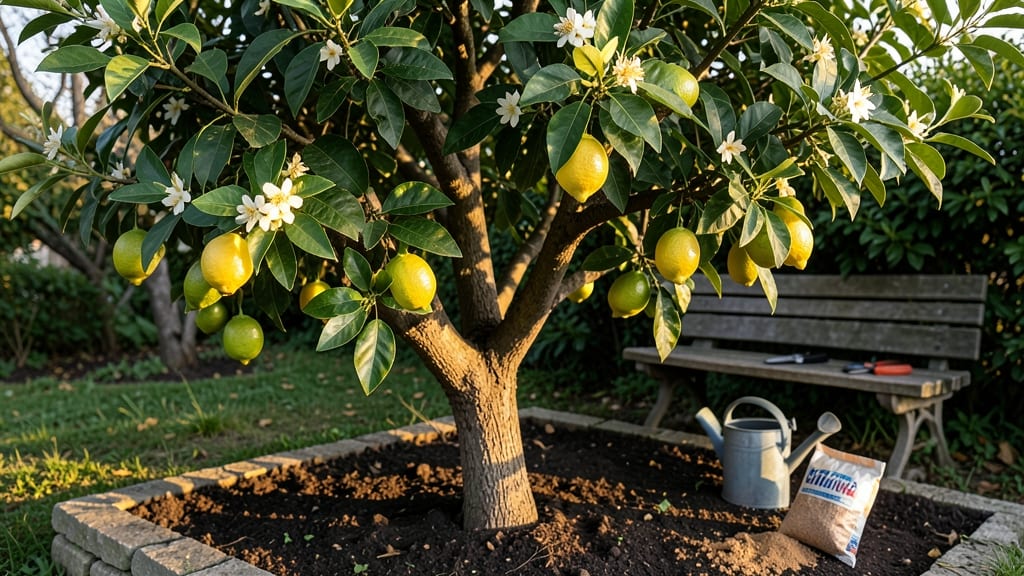
Turning a single lemon tree into a whole grove starts with the right cuttings—and I’ve rooted dozens using these exact steps. The key is choosing the perfect 4- to 6-inch stem with leaves, then deciding whether water or soil will give it the best start.
Most people guess wrong on the timing, but I’ll show you the 30-day window that works every time.
Here’s the secret: healthy cuttings need two things—clean cuts just below a leaf node and a humidity dome (plastic bag or jar) to keep them happy. Water rooters need frequent changes, while soil rooters stay moist but never soggy.
I’ve tried both, and the soil method surprises beginners with faster results when done right.
By week six, you’ll spot tiny roots peeking through the pot or glass, and that’s when the real magic happens. Transplant carefully, and your new lemon tree will reward you with glossy leaves and—eventually—those sweet, tangy fruits.
The first year is about patience, but the payoff is worth every drop of water.
Whether you’re working with Meyer lemons or Eureka varieties, this method adapts to containers or ground planting. Just remember: the right cutting makes all the difference, and I’ll walk you through every step to avoid the rot or failure that trips up new growers.
📚 In This Guide
- What you need
- Instructions
- Tips and common mistakes
- Wrapping up and next steps
What you need
- ● Mature lemon tree cuttings: 3–5 healthy, semi-hardwood cuttings (4–6 inches long, pencil-thick, with 3–4 leaf nodes).
- ● Sharp pruning shears or knife: Sterilized to prevent disease (rubbing alcohol works great!).
- ○ Rooting hormone (optional but recommended): A powder or gel to boost root growth.
- ● Water propagation: Clear glass or jar (wide-mouth, 16+ oz).
- ● Filtered or room-temperature water (avoid chlorine!).
- ● Soil propagation: Well-draining potting mix (cactus/succulent blend or 50% perlite/potting soil).
- ● Small pots (4–6 inches in diameter) with drainage holes.
- ● Plastic bag or humidity dome: To retain moisture (for soil method).
- ● Spray bottle (for misting cuttings).
- ● Heat mat (70–75°F) to speed up rooting.
- ● Grow lights (if natural light is limited).
- ● Aluminum foil (to wrap the base of the cutting for humidity).
How to propagate lemon tree cuttings successfully
Here’s my foolproof method for growing new lemon trees from cuttings—whether you root them in water or soil.
Select and Prepare Healthy Cuttings
Choose 4-6 inch cuttings from new growth—they should be pencil-thick with 3-4 leaf nodes (the small bumps where leaves attach). Use clean, sharp pruners to avoid crushing the stem. The best time to take cuttings is in early summer when the tree is actively growing.
Remove all but the top 2-3 leaves to reduce moisture loss. Make a 45-degree angle cut just below a leaf node—this increases surface area for root growth. Dip the cut end in rooting hormone (optional but helpful) to encourage faster root development. I always work quickly to prevent the cuttings from drying out.
Choose Your Rooting Method
For water rooting, place the cuttings in a clear glass jar filled with room-temperature water—just enough to cover the bottom 1-2 inches of the stem. Change the water every 2-3 days to prevent bacteria buildup. Keep the jar in bright, indirect light (no direct sun, which can overheat the water). Roots should appear in 2-4 weeks—look for tiny white tendrils at the base.
For soil rooting, fill a small pot with well-draining potting mix (like a 50/50 blend of perlite and peat moss). Dip the cut end in rooting hormone, then insert it 1-2 inches deep into the soil. Water lightly and place the pot in a humid, warm spot (around 70-75°F). Cover the pot with a plastic bag to retain moisture, but remove it daily for 10 minutes to prevent mold.
Monitor and Encourage Root Growth
If rooting in water, watch for white, fuzzy roots—once they reach 1-2 inches, transplant into well-draining soil. I like to use a small nursery pot with a mix of potting soil and perlite to prevent root rot. Water lightly after transplanting and keep the soil moist but not soggy for the first 2 weeks.
For soil-rooted cuttings, keep the mix evenly moist and avoid overwatering. After 4-6 weeks, gently tug on the cutting—if there’s light resistance, roots have formed. Move it to a slightly larger pot and gradually introduce it to bright, indirect light over 1-2 weeks to avoid shock.
Transition to Independent Growth
Once your cuttings have 3-4 inches of new growth, they’re ready for their permanent home. Choose a 6-8 inch pot with drainage holes and fill it with well-draining citrus potting mix. Water thoroughly and place the young tree in bright, indirect light (like a south-facing window).
After 2-3 months, you can start fertilizing lightly with a balanced citrus fertilizer (follow package instructions). Lemon trees thrive in 60-85°F and need full sun eventually, but go slow—too much direct light too soon can scorch tender new leaves. I always move mine outside gradually over 2 weeks to harden them off.
Tips & tricks for perfect lemon tree cuttings
Here's what I've learned from years of propagating lemon trees—these little details make all the difference between success and disappointment.
Selection Matters: When choosing your 4-6 inch cuttings, look for stems that bend slightly when you flex them—this indicates healthy, flexible growth. Avoid cuttings with any signs of disease or yellowing leaves, as these can introduce problems to your new plants. I always take cuttings from the tips of branches, where the growth is most vigorous. The 3-4 leaf nodes are non-negotiable for successful rooting, so count them carefully before making your cut.
Angle and Hormone: That 45-degree angle cut isn't just for looks—it creates more surface area for root development. For the rooting hormone step, I've found that powder works slightly better than gel because it's easier to apply evenly. If you don't have rooting hormone, you can use cinnamon powder as a natural alternative, though success rates may be lower. Just be sure to dip the cut end thoroughly to maximize root growth potential.
Water Rooting Watch: When rooting in water, the 2-4 week timeline can feel agonizing, but patience is key. I've seen roots appear in as little as 10 days with perfect conditions, but don't be discouraged if it takes the full 4 weeks. The white, fuzzy roots should be about 1-2 inches long before transplanting—this gives them enough strength to handle the soil transition. Change that water every 2-3 days religiously to prevent bacterial growth that can rot your cuttings before they even get a chance to root.
Soil Moisture Balance: The soil rooting method requires careful moisture management. After planting, I like to use a spray bottle to mist the soil and cutting daily until roots form. The plastic bag creates a perfect humidity environment, but remember to remove it for those crucial 10 minutes daily to prevent mold. If you notice condensation forming inside the bag, it's time to air it out longer. The 70-75°F temperature range is ideal, but if your home runs cooler, consider using a heat mat to keep the soil warm and encourage faster root development.
Pro Tips for Lemon Tree Cuttings
- Here's what I've learned from years of propagating lemon trees—these little details make all the difference between success and disappointment.
- Selection Matters: When choosing your 4-6 inch cuttings, look for stems that bend slightly when you flex them—this indicates healthy, flexible growth.
- Angle and Hormone: That 45-degree angle cut isn't just for looks—it creates more surface area for root development.
Frequently asked questions
Got questions about lemon tree cuttings?
You’re not alone! Here are answers to the most common concerns—whether you're a beginner or a seasoned gardener.
When is the best time to take lemon tree cuttings?
The ideal time is late spring or early summer when the tree is actively growing. Avoid winter or dormancy periods, as cuttings struggle to root in cold weather. If you’re in a warm climate, you can try year-round, but spring/summer success rates are highest.
How do I know if my cutting will root successfully?
Look for healthy, disease-free stems (4–6 inches long) with at least 2–3 leaf nodes. Avoid woody or overly mature branches—they root poorly. Fresh cuts (within 24 hours) and clean tools also boost success. Pro tip: Dip the cut end in rooting hormone for an extra 10–20% success rate!
Should I root lemon tree cuttings in water or soil?
Both work, but soil (like a mix of perlite and peat) often yields stronger roots faster. Water is easier for beginners but can lead to weak, spindly roots. If using water, change it every 2–3 days and transplant to soil once roots are 1–2 inches long.
Why aren’t my lemon tree cuttings rooting? Troubleshooting tips!
Common issues include:
- Rot: Overwatering or poor drainage? Let soil dry slightly between waterings.
- No growth: Low light? Move to bright, indirect sunlight (no direct sun yet!).
- Yellow leaves: Too much water or cold drafts. Adjust care and check for pests.
Most cuttings take 4–8 weeks to root—patience is key!
Can I use lemon tree cuttings from a store-bought lemon?
Yes, but success depends on the tree’s health. Avoid hybrid or grafted store lemons (they may not root true). Choose organic, homegrown lemons for the best results. If using store-bought, ensure the tree is disease-free and the cuttings are fresh.
Wrapping up and next steps
Growing a lemon tree from cuttings is a rewarding journey that combines patience and care! Whether you choose to root them in water or soil, the key is consistency—keeping your cuttings moist, protected, and well-lit.
With the right techniques, you’ll soon be nurturing a thriving plant that could one day bear delicious lemons. 🌱
Ready to take the next step? Once your cuttings have rooted and grown a few inches, transplant them into pots with well-draining soil and continue nurturing them. Keep an eye on their progress, and before you know it, you’ll have a lush lemon tree to enjoy for years! 🍋✨