
Pruning
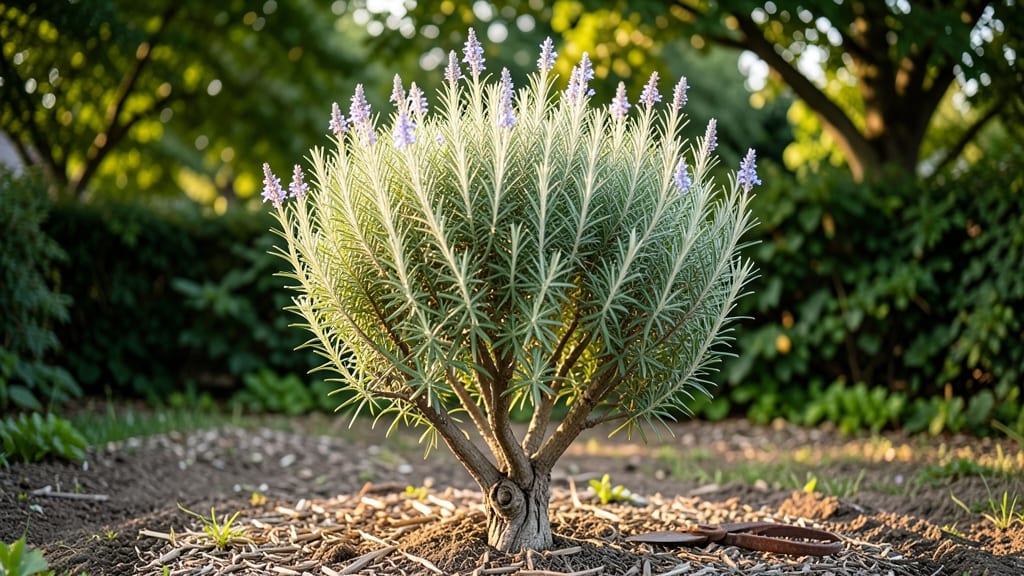
Creating a large rosemary tree starts with understanding this woody herb’s natural growth quirks—it’s not a tree by nature, but with strategic pruning, you can shape it into a striking, multi-stemmed shrub that thrives year-round. 🌿 I’ve turned my rosemary from a scraggly bush into a 6-foot-tall centerpiece by focusing on three key cuts: winter shaping, spring thinning, and summer maintenance.
The secret? Pruning for structure, not just at random branches.
Most gardeners over-prune rosemary, thinking more cuts mean bushier growth—wrong. My plant nearly died after I hacked it back too hard in spring. Instead, aim for 10-20% of the plant’s volume per pruning session, always cutting just above a leaf node.
Use sharp shears (never dull scissors) and sterilize them with rubbing alcohol to prevent disease. The best time to shape it into a tree form is late winter or early spring, when new growth is about to burst.
What you’ll end up with is a woody, aromatic plant that looks like a miniature evergreen tree, complete with layered branches and fragrant foliage. The key is patience—rosemary grows slowly, so expect 1-2 feet of height gain per year with proper care.
Plus, the pruned stems make incredible culinary garnishes, so you’re not just creating a pretty plant—you’re boosting your kitchen game too.
This method works in USDA zones 7-10, whether you’re growing in containers or in-ground. For colder climates, overwinter rosemary in pots and bring it indoors before frost.
The biggest challenge? Avoiding powdery mildew—keep plants in full sun and space them properly to ensure airflow. Ready to transform your rosemary from bush to bonsai-worthy tree?
📚 In This Guide
- What you need
- Instructions
- Tips and common mistakes
- Wrapping up and next steps
What you need
- ● Pruning shears or secateurs: Sharp, clean, and disinfected (use rubbing alcohol). Choose bypass-style for clean cuts.
- ● Loppers: For thicker branches (up to 2 inches in diameter). Opt for bypass loppers for precision.
- ○ Hand pruners (optional): For small trims and detailed work—great for shaping.
- ● Garden gloves: Heavy-duty to protect against thorns and rough bark.
- ● Disinfectant (70% isopropyl alcohol or bleach solution): 1 part bleach to 9 parts water for sterilizing tools between cuts.
- ● Rake or broom: To clear fallen debris after pruning.
- ○ Compost or mulch: For replenishing soil nutrients post-pruning (optional but recommended).
- ● Timing: Prune in early spring (before new growth) or late winter for best results. Avoid heavy pruning in fall.
- ● Weather: Choose a dry, overcast day to prevent stress on the plant.
- ● Water supply: Have a hose or watering can ready to hydrate the tree post-pruning.
- ○ Safety gear (optional): Safety goggles if working with large branches or in windy conditions.
Step-by-Step guide to pruning a large rosemary tree for year-round growth
Here's how I transform woody rosemary into a lush, bushy tree that thrives all year.
🌿 Step 1: Assess and Plan Your Pruning Cycle
Rosemary responds best to structured pruning every 4-6 weeks throughout the year. Before you begin, examine the tree for three types of growth: new softwood shoots (light green), mature wood (brown), and dead branches (gray/brittle). I focus on removing one-third of the oldest growth each cycle to encourage new basal shoots.
Use sharp, clean pruning shears to avoid crushing stems. The goal is to expose the inner branches to light while maintaining the tree's natural shape. Never remove more than 25% of the foliage at once—this stresses the plant and can lead to dieback. Mark your pruning zones with a piece of twine if needed to visualize the final shape.
✂️ Step 2: Prune for Structure and Airflow
Start by removing dead or crossing branches at their base. These compete for nutrients and block airflow, which invites fungal diseases. Cut just above a leaf node (the bump where leaves attach) to encourage new growth from that point. For thicker branches, make the cut at a 45-degree angle to prevent water pooling.
Next, thin out the innermost growth to improve light penetration. Focus on branches growing toward the center of the tree—these rarely get sunlight and produce sparse foliage. Step back frequently to check your progress. The ideal shape should resemble a pyramid or rounded mound, depending on your preference. Avoid "heading back" (cutting back to a leaf node) on old wood—rosemary rarely regrows from mature wood.
🌱 Step 3: Encourage Bushier Growth with Strategic Cuts
To promote dense foliage, target the top third of the tree first. Cut back one-third of the longest shoots to encourage lateral branching. These new side shoots will fill out the canopy. I like to make these cuts just above a set of three leaves—this ensures the plant has enough energy to support new growth.
For the lower two-thirds, focus on shaping rather than drastic reduction. Trim any leggy growth (long, bare stems) back to a leaf node. You'll see new shoots emerge within 2-3 weeks if the plant is healthy. Avoid pruning in extreme heat—rosemary is drought-tolerant but sensitive to stress. Early morning or late afternoon is ideal.
💧 Step 4: Post-Pruning Care for Recovery
Water the tree deeply immediately after pruning to reduce shock. Rosemary has shallow roots, so 1-2 gallons spread evenly around the base encourages recovery. Avoid wetting the foliage to prevent fungal issues. Mulch with 2-3 inches of organic material (like wood chips) to retain moisture and regulate soil temperature.
Fertilize lightly with a balanced, slow-release fertilizer (10-10-10) two weeks after pruning. Over-fertilizing encourages soft, tender growth that's prone to damage. Monitor the tree for new growth—you should see pale green shoots within 3-4 weeks. If growth stalls, check for pests like spider mites or aphids, which thrive on stressed plants.
Tips & tricks for pruning a large rosemary tree
Real talk: Pruning rosemary isn't just about cutting branches—it's about coaxing that woody plant into a lush, fragrant bush. Here's what I've learned after years of trial and error.
Timing Secret: The 4-6 week pruning cycle is non-negotiable for rosemary's growth rhythm. I schedule my first pruning in early spring when new growth begins, then repeat every 6 weeks through summer. In fall and winter, I extend to 8-week intervals since growth slows. The key is to prune just as you see new shoots emerging—this ensures you're encouraging fresh growth rather than cutting back dormant wood.
Visual Pruning Cues: In Step 1, when assessing your tree, look for these telltale signs: new shoots should have a slight sheen and be light green, while mature wood will have a woody texture and grayish hue. I use a simple trick—run your fingers along branches. If you feel a smooth, flexible stem, it's new growth ready for shaping. If it's stiff and dry, it's time to remove it entirely.
Strategic Cutting Technique: When you reach Step 3 and cut back one-third of the longest shoots, make your cuts just above a set of three leaves. This ensures the plant has enough leaf surface to continue photosynthesis while still encouraging lateral branching. I always make these cuts at a slight angle—this prevents water from pooling at the cut site, which can lead to rot. For thicker branches, I use my pruning shears to make a clean cut rather than tearing the wood.
Post-Pruning Recovery: After your deep watering with 1-2 gallons, I recommend adding a layer of organic mulch around the base but not touching the stem. This creates a microclimate that retains moisture while preventing fungal spores from splashing onto the foliage. The 2-3 inch layer also helps regulate soil temperature, which is especially important if you're pruning during hot summer months when rosemary is most vulnerable to stress.
Pro Tips for Large Rosemary Tree
- Real talk: Pruning rosemary isn't just about cutting branches—it's about coaxing that woody plant into a lush, fragrant bush.
- Timing Secret: The 4-6 week pruning cycle is non-negotiable for rosemary's growth rhythm.
- Visual Pruning Cues: In Step 1, when assessing your tree, look for these telltale signs: new shoots should have a slight sheen and be light green, while mature wood will have a woody texture and grayish hue.
Frequently asked questions
Got questions about growing and maintaining a large rosemary tree? You’re not alone! Here are answers to the most common queries—from pruning tips to troubleshooting—so you can keep your rosemary thriving year-round.
When is the best time to prune a large rosemary tree?
The ideal time to prune is early spring (just as new growth begins) or late winter. Avoid heavy pruning in fall or winter, as rosemary is sensitive to cold and needs time to recover before dormancy. Light trimming to shape can happen anytime, but avoid cutting into woody stems—focus on soft, green growth for bushier results.
How do I prune a large rosemary tree without killing it?
Never remove more than one-third of the plant’s foliage at once! Use clean, sharp shears to make 45-degree cuts just above a leaf node (where leaves meet the stem). Avoid "topping" (cutting the very top) unless necessary—this can stress the plant. Prune gradually over time to encourage dense, healthy growth.
Can I grow rosemary indoors as a large tree?
Rosemary thrives outdoors in USDA Zones 7-10, but you can grow it indoors as a smaller tree with proper care. Place it near a south-facing window or under grow lights for 6+ hours daily. Use well-draining soil and a pot with drainage holes. Expect slower growth—indoor rosemary rarely reaches "tree" size but stays compact with regular pruning.
Why is my large rosemary tree turning brown or crispy?
Brown, crispy leaves usually mean overwatering, underwatering, or root stress. Check soil moisture—rosemary hates soggy roots! Ensure your tree is in full sun (6+ hours/day) and well-draining soil. If overwatered, let the soil dry out completely before watering again. For underwatering, increase frequency but avoid soggy conditions.
What’s the difference between pruning for shape vs. rejuvenation?
Shaping:
Light trims to maintain form (e.g., removing stray branches).
Rejuvenation: Heavier cuts (up to ⅓ of the plant) to revive woody, leggy growth. For rejuvenation, prune just above old wood in early spring. Avoid this method yearly—use it sparingly every 2–3 years to avoid stressing the plant.
Wrapping up and next steps
Growing a large rosemary tree with lush, bushy foliage is entirely within your reach—just remember that consistent pruning is the secret ingredient! 🌿 By mastering the art of year-round trimming, you’ll encourage vibrant growth, prevent legginess, and keep your plant thriving for seasons to come.
Whether you’re a pruning pro or just starting out, the key is patience and precision.
Ready to take your rosemary to the next level? Start small—pick a sunny day, grab your tools, and give those branches a little love. Before you know it, you’ll have a fragrant, full-bodied rosemary tree that’s the envy of the garden! 🌱