Pruning
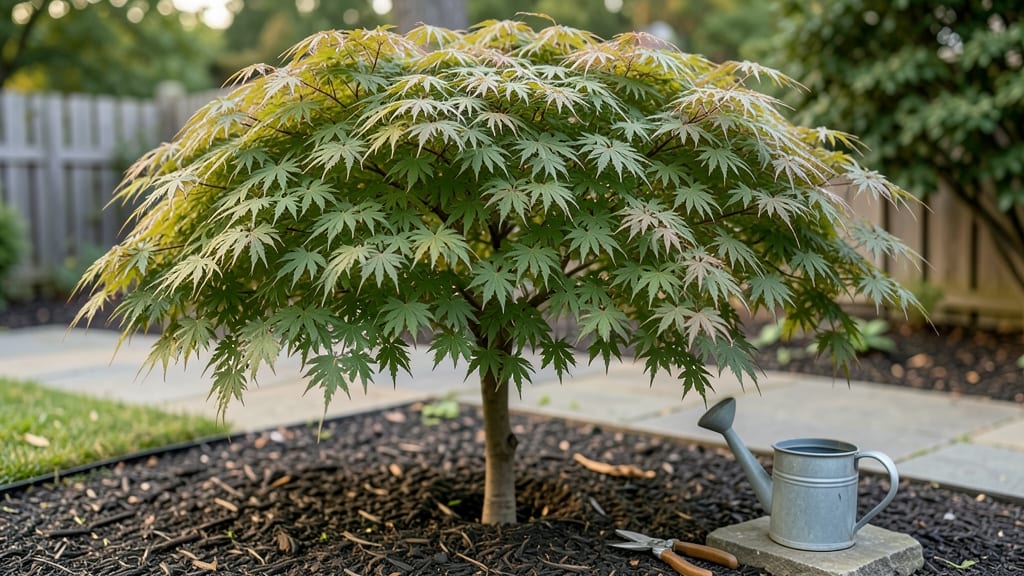
Your lace leaf Japanese maple tree (Acer palmatum 'Dissectum') could be the star of your garden with its delicate, fern-like foliage that shimmers in every season.
I planted mine in a partially shaded spot last spring, and the way its leaves catch the dappled sunlight makes it impossible to ignore—even in winter when they turn a soft bronze. The real magic?
It thrives with barely any pruning, making it perfect for busy gardeners who still want that showstopping presence.
This tree loves well-draining, slightly acidic soil mixed with compost, and it handles both sun and shade—though too much harsh afternoon sun can scorch those delicate leaves.
Plant it in a spot where it has room to spread (6–10 feet wide), and you’ll get vibrant color from spring through fall with minimal effort. The key is keeping the soil consistently moist but never soggy, especially those first few years while roots establish.
What you’ll end up with is a tree that feels like a living sculpture, its branches arching gracefully and its leaves changing from lime-green to fiery reds and oranges. Prune only to shape or remove dead growth in late winter, and you’ll keep it looking effortlessly elegant for decades.
Even in cold climates, it handles winter well—just avoid heavy snow buildup on those delicate branches.
Whether you’re planting a new specimen or caring for an established tree, the lace leaf Japanese maple rewards patience with year-round interest. The best part? It’s just as happy in a small urban yard as it is in a sprawling landscape. Let’s get yours thriving!
📚 In This Guide
- What you need
- Instructions
- Tips and common mistakes
- Wrapping up and next steps
What you need
- ● Pruning shears – sharp, bypass-style (for small branches, 5-7 inches long)
- ● Loppers – for thicker branches (1-2 inches in diameter)
- ● Pruning saw – for stubborn, larger branches (if needed)
- ● Rubbing alcohol or hydrogen peroxide – for sterilizing tools between cuts
- ● Garden gloves – thick, cut-resistant (to protect from thorns and sap)
- ● Disposable pruning bags or bucket – for collecting debris
- ○ Tree wound dressing (optional but helpful) – for sealing larger cuts (if desired)
- ● Check the weather forecast – Aim for a cool, cloudy day (avoid pruning in extreme heat or frost).
- ● Have a clear workspace – Lay down a tarp or old sheet to catch falling leaves/debris.
- ● Gather clean water and a cloth – For wiping tools and hands during the process.
- ● Wear comfortable clothing – Long sleeves and closed-toe shoes are ideal!
- ● Ladder or step stool – If your tree is taller than 6 feet.
- ● Handheld leaf blower – For quick cleanup afterward.
- ● Camera or phone – To document your tree’s progress before/after!
Step-by-step guide to planting and caring for a lace leaf Japanese maple
This delicate beauty thrives with just a few key steps—let’s get it planted right.
🌱 Step 1: Choose the Perfect Planting Spot
Lace leaf Japanese maples love partial shade, especially in hotter climates. Look for a location with 4-6 hours of morning sun and afternoon shade—this protects the delicate foliage from scorching. Avoid deep shade, where leaves lose their stunning color and grow sparse.
Check the soil first—it should drain well but hold moisture. If your yard has heavy clay, amend with 2-3 inches of organic compost before planting. The tree’s roots are shallow, so a slightly raised bed helps prevent waterlogging. Test the spot by digging a small hole: if water pools after 10 minutes, improve drainage with a mix of sand and compost.
🪴 Step 2: Plant at the Right Depth and Support
Dig a hole twice as wide as the root ball but only as deep—burying too deep suffocates roots. Gently remove the tree from its container and loosen any circling roots with your fingers. Place it in the hole so the top of the root ball sits 1 inch above ground level—this prevents rot during heavy rains.
Backfill with native soil mixed with a handful of slow-release fertilizer (like 10-10-10) to encourage strong root growth. Water deeply to settle the soil, then add a 4-inch layer of mulch (like shredded bark) around the base, keeping it 3 inches away from the trunk to avoid moisture buildup. A small stake can support the tree if it’s top-heavy, but avoid tying it too tightly—roots need room to breathe.
☀️ Step 3: Water Deeply and Monitor Soil Moisture
Water once a week for the first month, soaking the root zone until moisture reaches 6 inches deep. After that, water every 10-14 days, adjusting for rain—your goal is consistently moist but never soggy soil. Overwatering is the #1 killer of lace leaf maples; their roots rot easily in compacted or waterlogged soil.
Check moisture by sticking your finger 2 inches into the soil. If it feels dry, water again. In summer, you may need weekly watering if temperatures exceed 85°F. A soaker hose or drip irrigation system keeps water at the roots without wetting the leaves, which reduces fungal risks.
✂️ Step 4: Prune Only When Necessary
Lace leaf Japanese maples need minimal pruning—just remove dead or crossing branches in late winter or early spring. Use clean, sharp pruners to make cuts just above a leaf node or bud. Avoid heavy pruning; these trees grow slowly and respond poorly to aggressive trimming.
If you notice leggy growth (long, bare stems), it’s a sign of too much shade. Thin out a few branches to improve airflow and light penetration. Never prune in summer—new growth won’t harden off before fall, leaving the tree vulnerable to cold damage.
🌿 Step 5: Protect and Maintain Year-Round
In winter, mulch heavily (4-6 inches) around the base to insulate roots from freezing temperatures. If your area gets below 10°F, wrap the trunk with burlap or tree guard to prevent sunscald. Avoid fertilizing in fall—it encourages tender new growth that won’t survive winter.
Watch for pests like spider mites (tiny webs on leaves) or scale insects (bumpy brown spots). Treat early with neem oil spray or a strong stream of water to dislodge them. With proper care, your lace leaf Japanese maple will reward you with vibrant foliage for decades—and yes, it really is that low-maintenance once established.
Tips & tricks for perfect lace leaf Japanese maple care
These simple strategies will help your lace leaf Japanese maple thrive with minimal effort and maximum beauty.
Sunlight Strategy: The 4-6 hours of morning sun is non-negotiable for vibrant foliage. If your yard only gets afternoon sun, position the tree on the north side of a building or fence to create natural shade during peak afternoon hours. I learned this the hard way after watching a tree lose its stunning color from too much direct afternoon sun.
Soil Preparation Secret: When testing drainage by digging that small hole and waiting 10 minutes, pay attention to how quickly the water disappears. If it drains too fast (within 2-3 minutes), mix in a bit more compost to help retain moisture. The goal is that perfect balance—drainage that prevents rot while holding enough moisture for those shallow roots.
Watering Wisdom: That 2-inch soil moisture check is your best friend. In summer when temperatures exceed 85°F, I find myself testing moisture every 3-4 days rather than waiting the full 10-14 days. The key is consistency—better to water slightly more frequently than let the soil dry out completely between waterings.
Pruning Precision: When removing those dead or crossing branches in late winter, make your cuts just above a leaf node or bud at a 45-degree angle. This encourages new growth in the right direction. I always sterilize my pruners with rubbing alcohol between cuts to prevent spreading disease between branches.
Pro Tips for Lace Leaf Japanese Maple Tree
- These simple strategies will help your lace leaf Japanese maple thrive with minimal effort and maximum beauty.
- Sunlight Strategy: The 4-6 hours of morning sun is non-negotiable for vibrant foliage. If your yard only gets afterno...
- Soil Preparation Secret: When testing drainage by digging that small hole and waiting 10 minutes, pay attention to ho...
Frequently asked questions
Got questions about keeping your lace leaf Japanese maple tree stunning with minimal pruning? You’re not alone! Here are the most common queries—plus expert answers to keep your tree thriving year-round.
How often should I prune a lace leaf Japanese maple?
Prune your lace leaf Japanese maple once a year, ideally in late winter or early spring (just before new growth begins). Light shaping in summer is fine, but avoid heavy pruning—these trees heal slowly. Focus on removing dead or crossing branches to maintain their delicate lace-like foliage.
Can I prune my lace leaf Japanese maple in winter?
Yes, but timing matters! Prune after the coldest part of winter (around February) to avoid stressing the tree. If you must prune in winter, do it on a mild, dry day to prevent frost damage. Avoid heavy cuts—stick to minimal shaping to preserve its vibrant colors.
What’s the best way to prune without ruining its lace foliage?
Use sharp, sterilized pruners and make cuts just above a bud or branch collar (never leave stubs). Avoid cutting into the lace-like edges of the leaves—focus on structural branches first. Thin out crowded areas to improve airflow, which keeps those stunning colors year-round!
Are there alternatives to lace leaf Japanese maple for low-maintenance color?
If you love the look but want easier care, consider:
- Bloodgood Japanese maple – Bold red foliage, slightly more forgiving.
- Emperor I Japanese maple – Purple leaves, compact size, minimal pruning.
- Dwarf lace leaf varieties (like ‘Shishigashira’) – Smaller but still stunning!
Why are my lace leaf Japanese maple leaves turning brown or yellow?
Brown/yellow leaves usually signal stress—common causes include:
- Overwatering or poor drainage (check soil moisture!).
- Sunburn from harsh afternoon sun (plant in partial shade).
- Nutrient deficiency (feed with acidic fertilizer in spring).
- Fungal issues (prune infected branches immediately and treat with fungicide).
Wrapping up and next steps
The Lace Leaf Japanese Maple Tree is a stunning, low-maintenance addition to any garden, offering vibrant foliage and minimal pruning demands. Its delicate lace-like leaves and year-round beauty make it a standout choice for both beginners and seasoned gardeners alike.
With the right care—like proper spacing, seasonal pruning, and protection from harsh elements—you’ll enjoy its elegance for decades to come!
Ready to transform your outdoor space? Start by selecting the perfect spot and gather your tools—your lace leaf maple’s journey to becoming a garden centerpiece begins now! 🌿✨